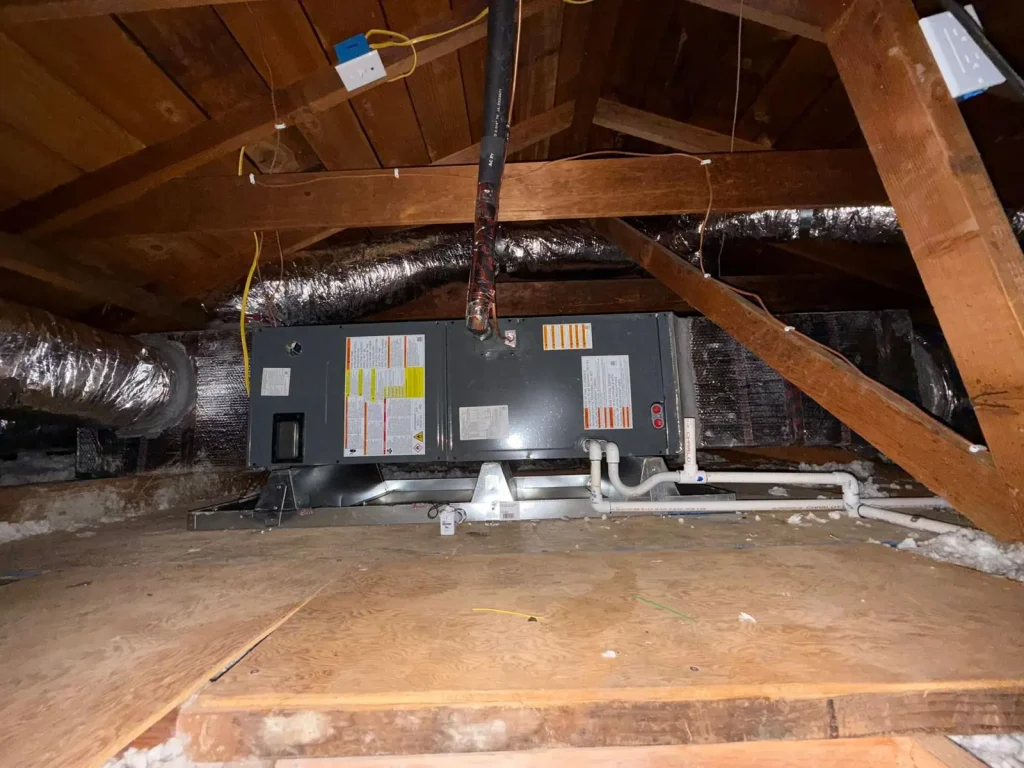
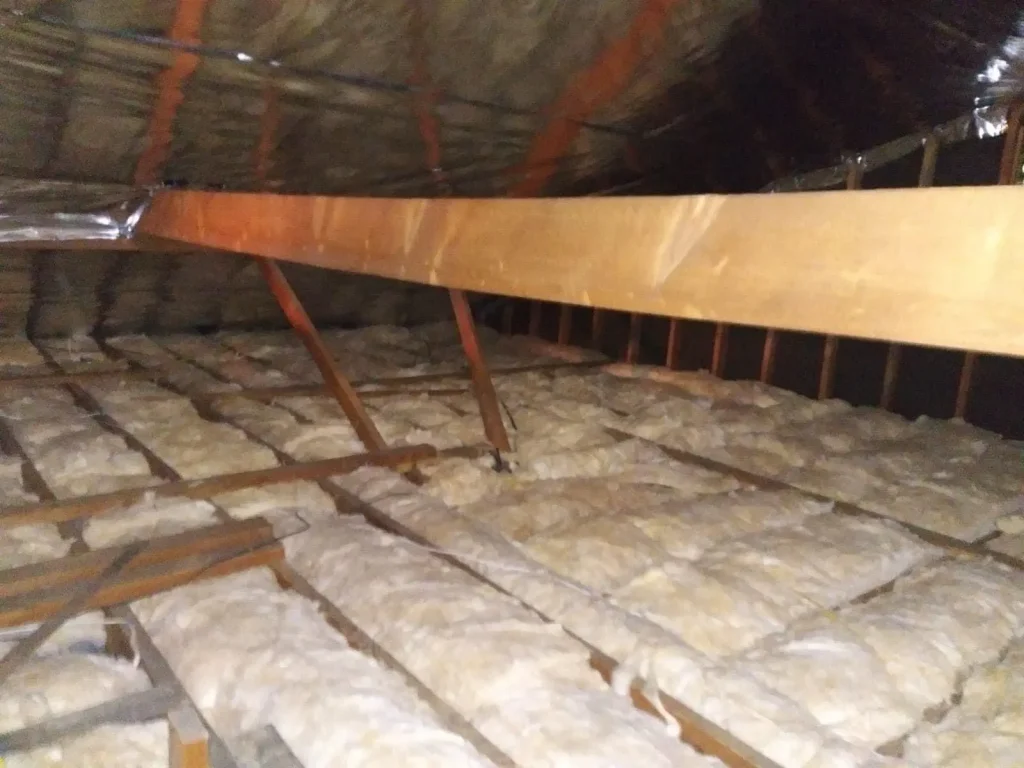
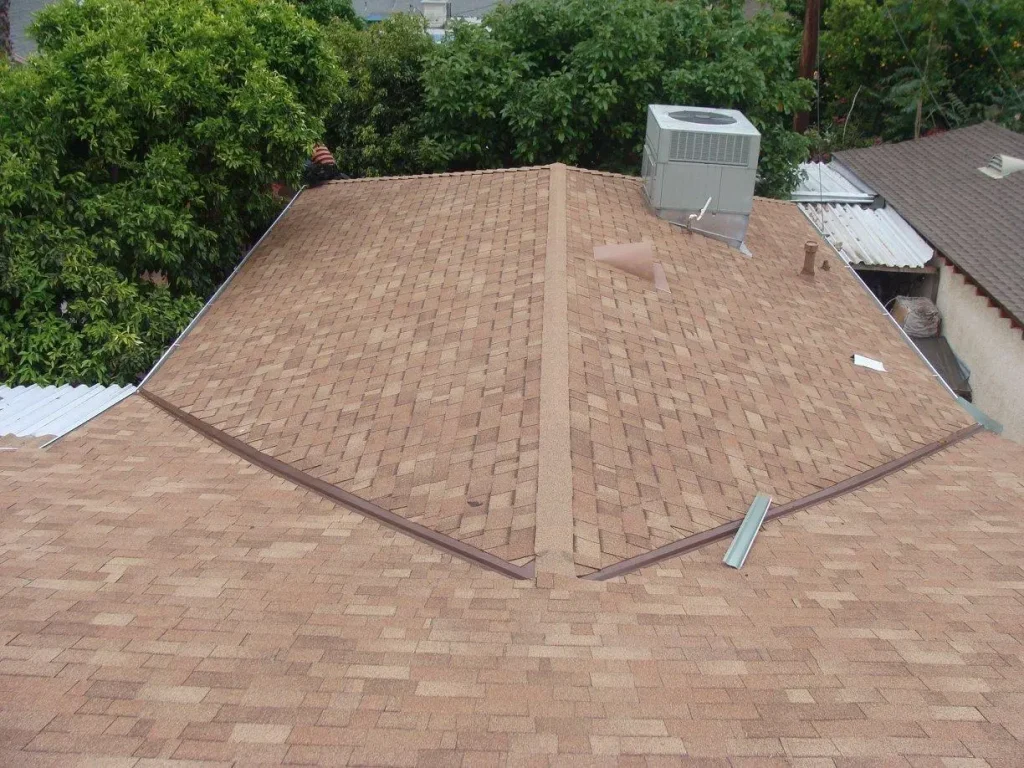
Title 24 is the California Building Standards Code, the section of state regulation that sets how buildings must be designed, built and altered. The part homeowners run into is Part 6, the Energy Code, which governs insulation, windows, heating and cooling, water heating and lighting. It applies to remodels and equipment replacements, not just to new houses, and your building department checks it before it issues your permit.
Most homeowners meet Title 24 for the first time when a contractor mentions a compliance report partway through a quote. It rarely gets explained, and the explanations available online are mostly written for builders and code consultants. This is the homeowner version.
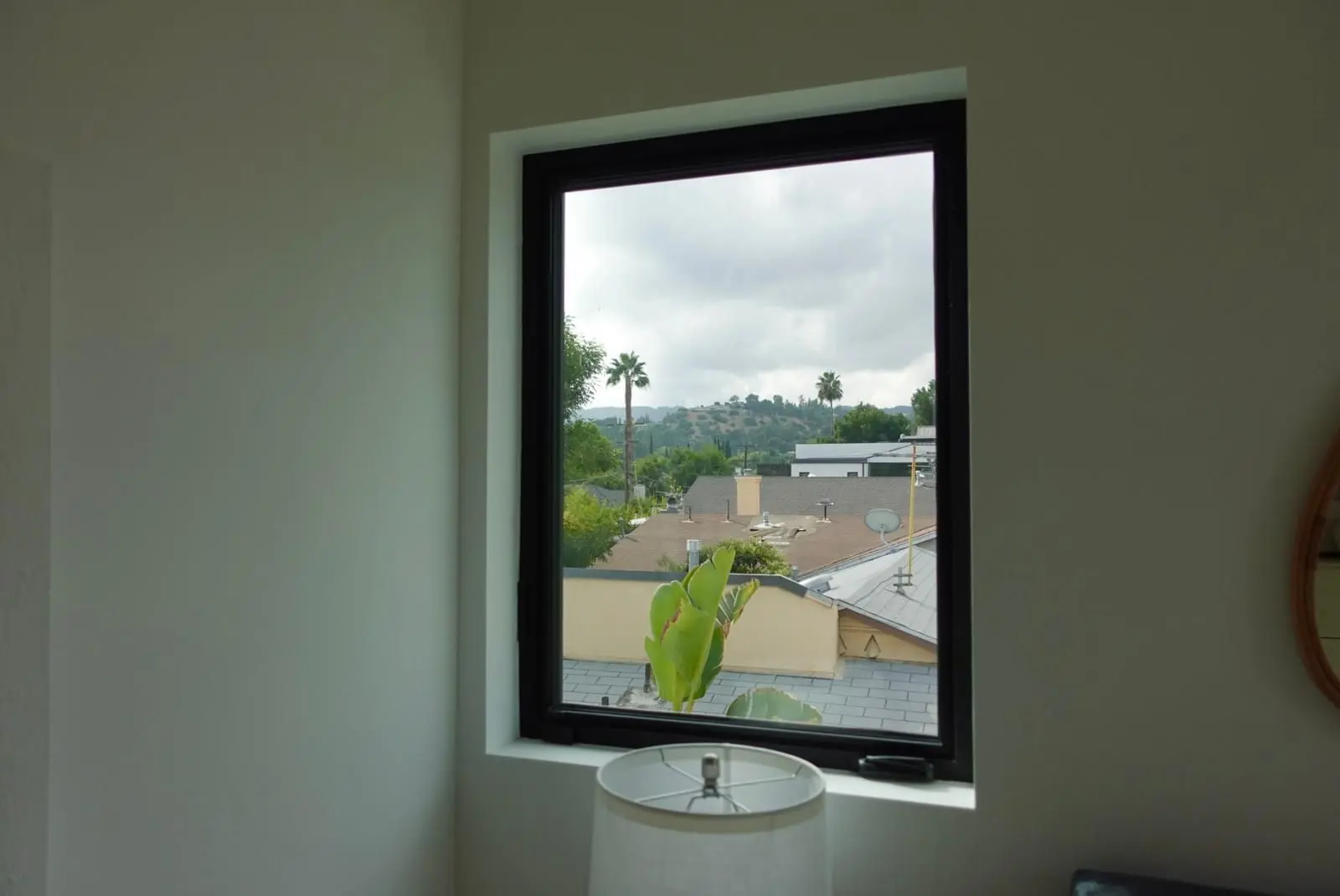
Part 6 is the part that touches a remodel
Title 24 runs to twelve parts covering structural safety, fire, plumbing, electrical and accessibility. Part 6 is the Building Energy Efficiency Standards, and Part 11 is CALGreen, which the California Energy Commission describes as voluntary energy efficiency provisions. When a contractor says “Title 24 calcs” or “a Title 24 report”, they almost always mean Part 6.
Part 6 is where a window replacement becomes a compliance question rather than a shopping question. The same is true of a furnace swap, an air conditioning replacement, added insulation, or a whole house repipe that disturbs ductwork on the way through.
The code changed on 1 January 2026
California updates these standards every three years. The 2025 Building Energy Efficiency Standards took effect on 1 January 2026, replacing the 2022 standards that had been in force since 1 January 2023. The Energy Commission has already begun pre-rulemaking on the 2028 cycle.
That three-year rhythm is the reason so much of what you find online is wrong rather than merely old. An article written against the 2022 code reads as current, uses the same vocabulary, and describes requirements that a permit reviewer is no longer applying. If you are reading anything about Title 24 that does not say which code cycle it is describing, treat it with suspicion.
What actually triggers compliance
The trigger is the permit, not the size of the job. Work that requires a building permit brings the Energy Code with it, and the standards apply to alterations and additions to existing buildings, not only to new construction.
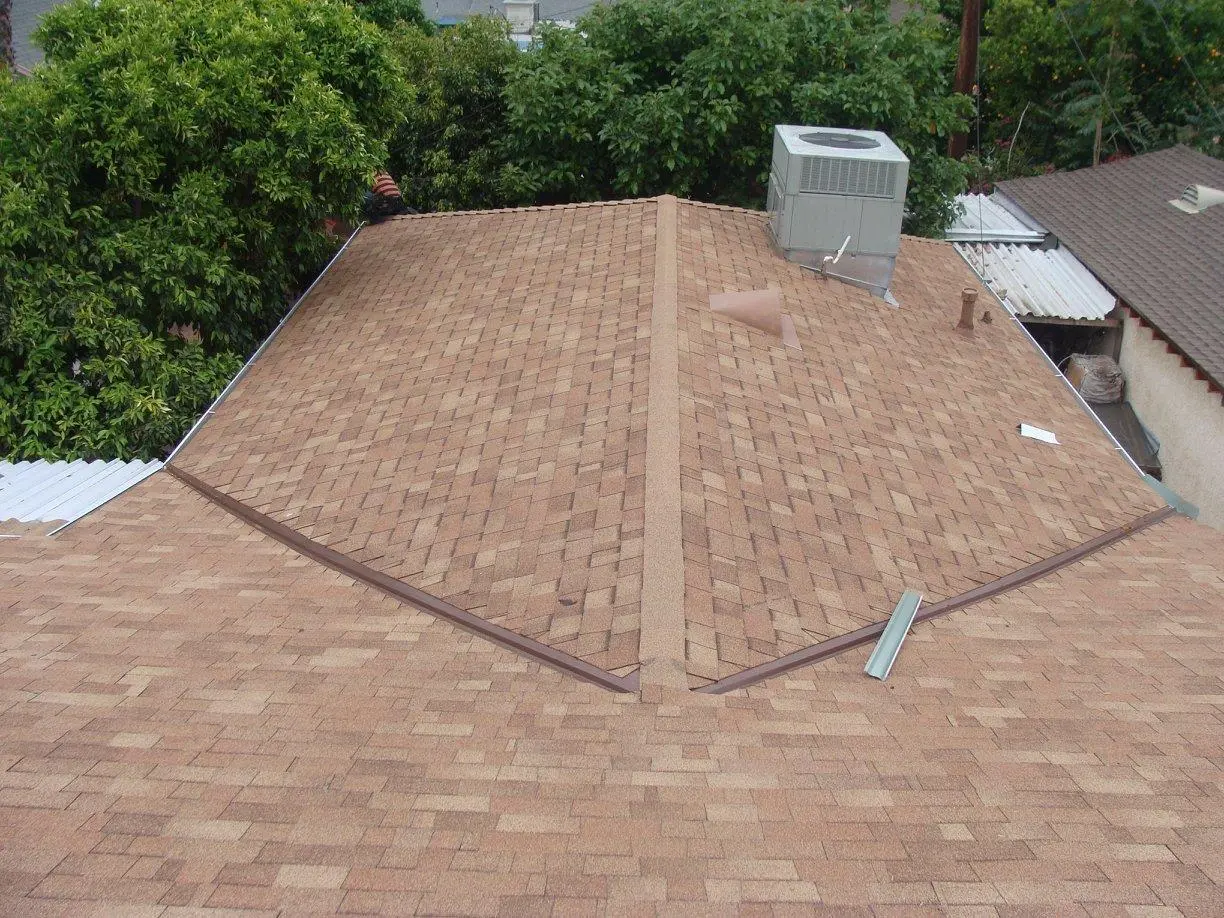
In practice that means replacing windows, replacing or relocating heating and cooling equipment, adding or replacing ductwork, adding insulation as part of permitted work, re-roofing in many cases, and building an addition or an accessory dwelling unit. Like-for-like repairs generally do not trigger it. The reliable test is whether the work needs a permit, so that is the question worth asking a contractor early, before the quote is finalized.
Who enforces it
Enforcement sits with your city or county building department rather than with the state. The Energy Commission writes the standards; local plan checkers and inspectors apply them, ask for the compliance documentation, and sign off the permit at the end. That is why two neighboring jurisdictions can feel noticeably different from each other while applying the same code.
It also means the compliance paperwork is not optional in the way homeowners sometimes assume. An unclosed permit follows the property, and it tends to surface at the least convenient moment, during a sale or a refinance.
HERS testing moved, and most guides have not caught up
For years, the field verification behind Title 24 compliance ran through the Home Energy Rating System, and homeowners knew it as “the HERS test”: a third party who shows up to verify duct leakage, refrigerant charge and similar items that cannot be confirmed by looking at a plan.
Effective 1 January 2026, that changed. The Energy Commission states that the HERS Program no longer supports an Energy Code compliance demonstration program, and that the field verification and diagnostic testing provisions now sit inside the Energy Code itself, in Title 24 Part 6 with the administrative regulations in Part 1, under a new Energy Code Compliance Program. The relevant Title 20 regulations, sections 1670 through 1675, were amended to make the move, and the Commission has begun a further rulemaking.
The practical effect for a homeowner is smaller than it sounds. Testing still happens, it is still done by a certified field verification and diagnostic testing rater, and permitted work still triggers it. What changed is which body of regulation the requirement lives in. The reason it matters is that it dates everything else on the page: any guide still explaining compliance purely as a HERS Program requirement was written before this took effect.
Your rights when the rater arrives
This is the part almost nothing online tells homeowners, and it comes straight from the Energy Commission’s own guidance.
You have the right to hire your own rater. Many contractors have a rater they work with and will offer to handle it, which is convenient and usually fine, but the choice is yours, and an independent rater verifying the contractor’s own work is a reasonable thing to want. Whoever does it must be a provider-certified field verification and diagnostic testing rater.
The rater should identify themselves with a photo badge and explain the tests before starting. A visit varies in length depending on what is being measured. Expect them to need access to the heating and cooling equipment, the ducts and vents, the thermostat and usually the breaker panel, and expect some tests to involve the roof, the attic or the crawl space. You may be asked to close windows and exterior doors and to switch off a clothes dryer or bathroom fan, because those change the readings.
Afterward, the provider is required to run quality assurance on the rater’s work and may contact you to schedule a separate verification visit. That is normal and it is a sign the system is working. The completed compliance forms are filed in the provider’s registry, which the building department reads and which you may be able to access yourself.
One useful exception is worth knowing. Where asbestos is present in duct insulation or sealing, or even suspected, some tests such as duct leakage testing can be exempt. The documentation is still required to close the permit, so ask for a written statement from the contractor or the rater describing the condition rather than accepting a verbal explanation.
What varies, and what does not
The performance numbers behind Part 6 are climate-zone specific, and California has sixteen climate zones with meaningfully different requirements. A window specification that complies in one zone may not in another, which is why a specific U-factor or solar heat gain figure quoted without its climate zone is not information you can act on.
There are also two routes through the code. The prescriptive path means meeting a published requirement item by item. The performance path lets a compliance model trade one improvement against another, so a house can fall short on one component and still comply overall. That is why two identical-looking projects can produce very different documentation.
What does not vary is the obligation. Permitted work is subject to the Energy Code everywhere in California, and the paperwork is part of closing the permit rather than an optional extra. Choosing energy efficient windows or high-efficiency heating and cooling makes compliance easier to reach, but the requirement exists either way.
The California Energy Commission publishes the standards, the compliance manuals and the climate zone maps at energy.ca.gov, and it is the source worth checking when an online guide and a plan checker disagree.
Frequently asked questions
What triggers Title 24 compliance?
A building permit triggers Title 24 compliance. The Energy Code applies to alterations and additions to existing buildings as well as to new construction, so permitted work such as replacing windows, replacing heating or cooling equipment, adding or replacing ductwork, re-roofing in many cases, or building an addition brings it into scope. Like-for-like repairs that need no permit generally do not.
Is Title 24 mandatory?
Yes. Title 24 Part 6, the Energy Code, is mandatory for permitted work throughout California. It is not a voluntary standard or a certification a homeowner opts into. Part 11, CALGreen, contains voluntary energy efficiency provisions alongside its mandatory measures, which is a common source of confusion between the two parts.
Who enforces Title 24 in California?
Local city and county building departments enforce Title 24. The California Energy Commission writes and updates the standards, but plan checkers and inspectors at your local building department review the compliance documentation and sign off the permit. That is why the experience differs from one jurisdiction to the next even though the code is statewide.
What are the window requirements for California Title 24 in 2026?
Window requirements in 2026 come from the 2025 Building Energy Efficiency Standards, which took effect on 1 January 2026 and replaced the 2022 standards. The specific figures are set by climate zone, and California has sixteen of them, so a single national or statewide number is not meaningful. A project can also comply through the performance path, where the compliance model trades window performance against other improvements. The current values are published by the California Energy Commission.
What are Title 24 exceptions?
Exceptions exist but they are narrower than homeowners hope. Work that requires no permit generally falls outside the Energy Code. Within permitted work, the performance compliance path allows one component to fall short if the overall project compensates. Specific field verification tests can also be exempt in defined conditions, for example where asbestos is present or suspected in duct insulation, though the compliance documentation is still required to close the permit.
How much does Title 24 cost in California?
Compliance cost is made up of the compliance report itself and any required field verification, and both vary with the scope of work and the rater. Because many contractors have negotiated fixed rates with a rating company, the figure often sits inside the project estimate rather than appearing separately. The question worth asking before signing is whether the estimate includes the compliance documentation and any required testing, or whether those will be billed on top.