What Home Repiping Is and When a Licensed General Contractor Should Handle It
Home repiping is the complete replacement of a house’s water supply lines with modern piping material, eliminating the corroded, restricted, or failing pipes that cause low water pressure, discolored water, and recurring leaks. It is not a single repair. It is a full system replacement that touches every fixture in the home, from the main shutoff through the water heater and out to every faucet, toilet, and hose bib.
If your home was built before 1970 and still has its original plumbing, the supply lines are almost certainly galvanized steel. That pipe was installed with a 40- to 50-year service expectation. According to the American Society of Civil Engineers, aging pipe infrastructure now drives an estimated 240,000 water main breaks per year across the United States, and the same corrosion process is happening inside residential supply lines that have been in service just as long. A licensed general contractor manages the full scope of a repipe: structural access, plumbing installation, permit coordination, inspection, drywall repair, and cleanup under one contract.
Types of Repiping We Handle
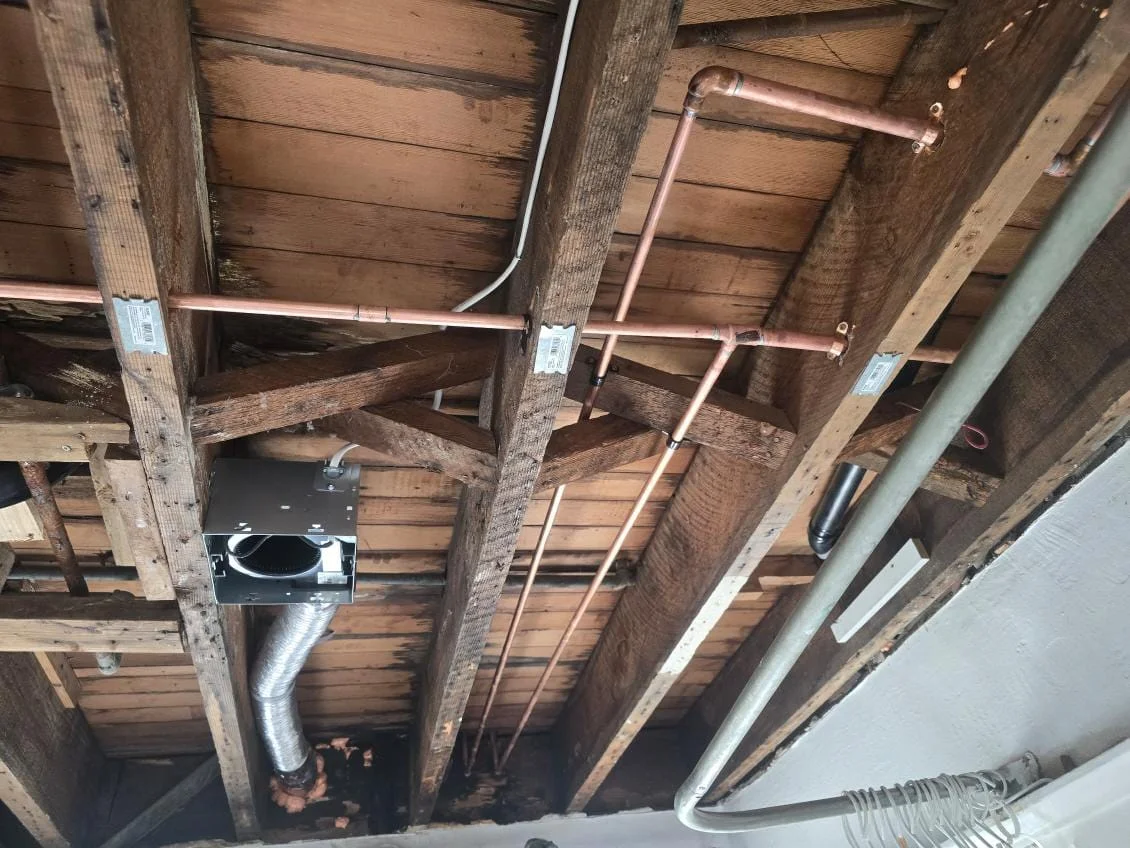
Copper Repiping
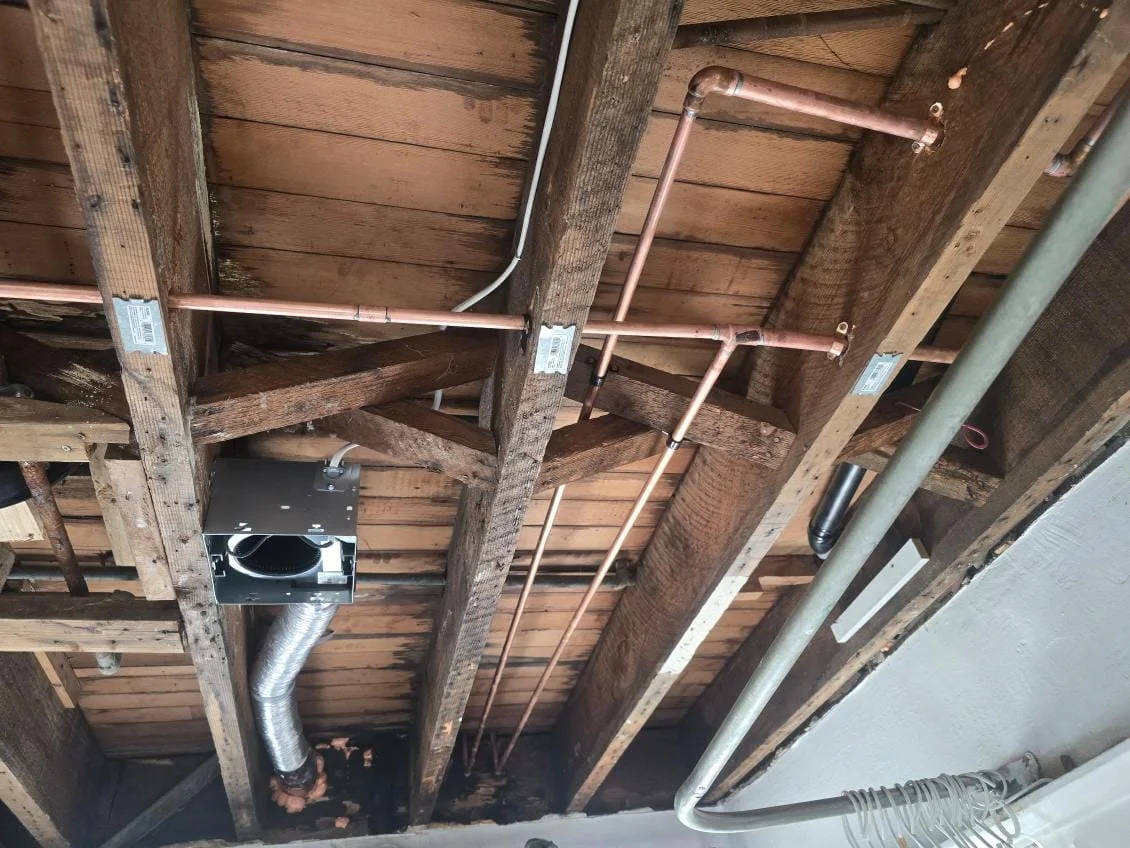
Type L copper has been the standard supply line material for decades. It handles high temperatures, resists corrosion in most water conditions, and carries a proven track record in Southern California homes. Homeowners who want the longest-documented lifespan and a rigid system with soldered joints often choose copper repiping for the full replacement.
PEX Repiping
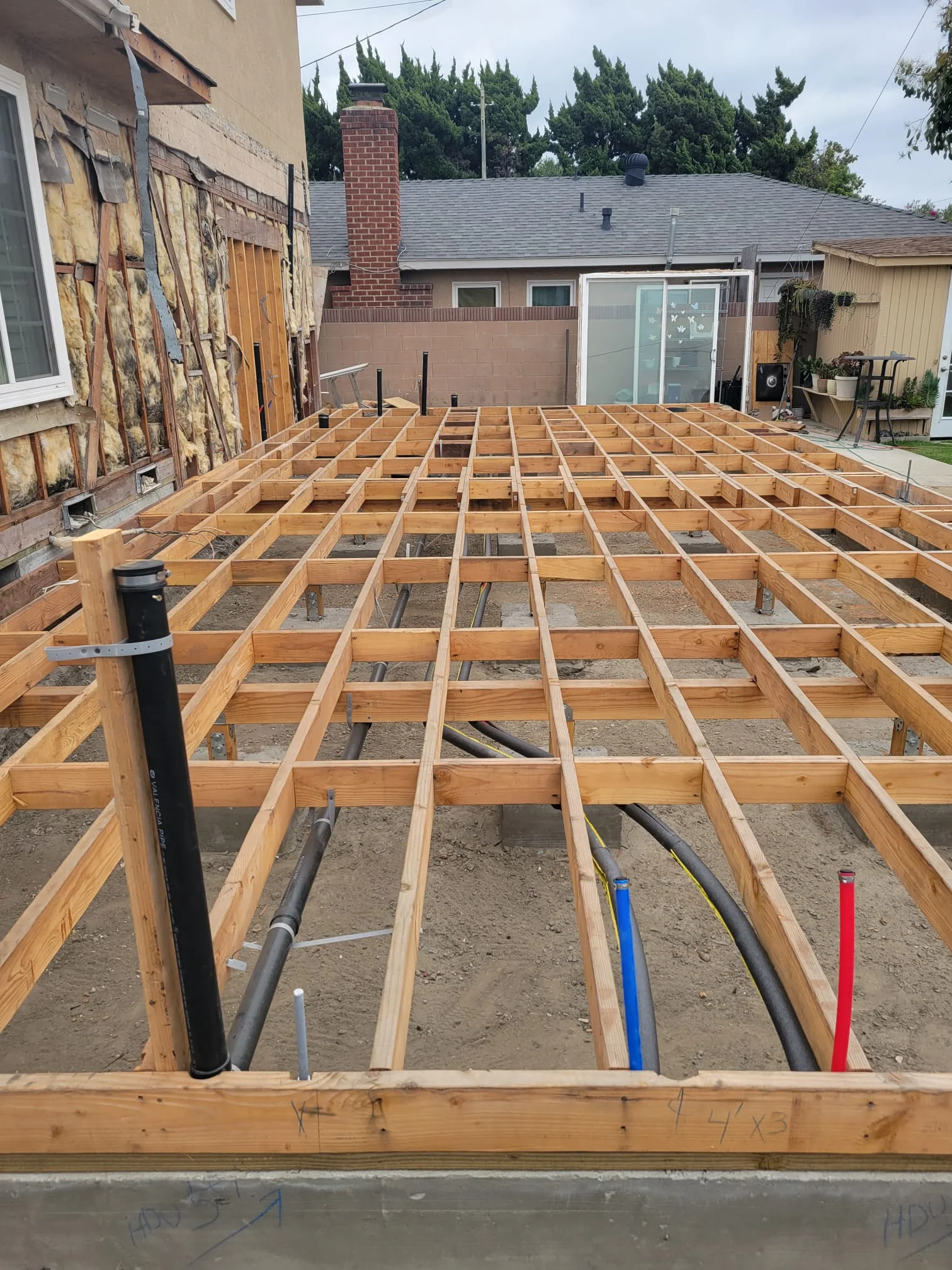
PEX tubing is flexible, installs with fewer connections, and routes through tight wall cavities without the number of fittings that copper requires. It will not corrode, scale, or pit over time. For homes where access is limited, or the layout makes rigid piping difficult, PEX repiping reduces installation time and the number of wall openings needed to complete the project.
Partial Repiping
Not every home needs a full system replacement. When corrosion is concentrated in one section of the supply system, such as the hot water lines or the pipes running under a slab, a partial repipe targets the failing section and ties into the existing lines where they are still sound.
Water Pressure Repair
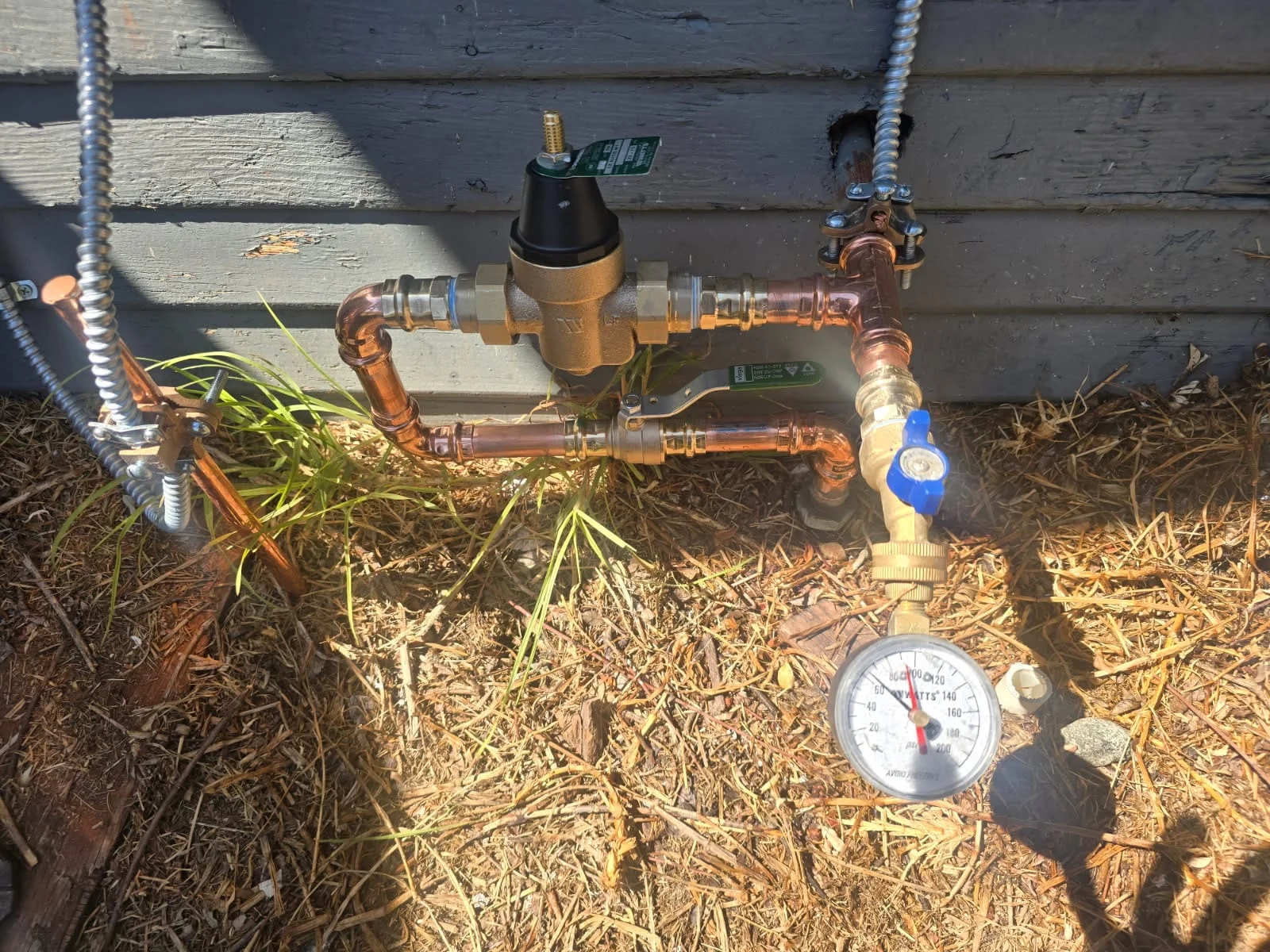
Low pressure that has worsened over time is almost always a pipe problem, not a city water problem. Mineral buildup inside corroded supply lines gradually restricts flow until the shower barely runs and two fixtures cannot operate at once. A water pressure repair diagnoses whether the cause is pipe corrosion, a failing regulator, undersized supply lines, or a combination, and corrects it at the source.
Signs Your Home Needs Repiping
Galvanized steel pipes corrode from the inside. By the time rust shows up on the outside of a fitting or water turns orange at the faucet, the interior diameter of the pipe may be half of what it was when the house was built. Here is what that looks like in practice.
A 1955 ranch house in the San Fernando Valley with original galvanized supply lines. The homeowner has patched three pinhole leaks in two years, each in a different wall. Water comes out rust-colored at the kitchen sink every morning until the line flushes for 30 seconds. During a bathroom remodel, the plumber cuts into a supply line and finds the interior almost fully occluded with mineral scale. That is not a pipe with a few more years left. That is a system past the end of its service life, and patching individual leaks will not change the condition of the 200 feet of pipe still behind the walls.
Watch for these warning signals: water pressure that has dropped gradually over months, discolored water at multiple fixtures, recurring leaks in different parts of the house, visible corrosion on exposed pipes in the garage or under sinks, and fluctuating water temperature when more than one fixture runs at the same time. Any one of those in a pre-1970 home warrants an evaluation. Three or more together usually mean repiping, not more patches.
Copper vs. PEX: Choosing the Right Pipe Material
Both materials are approved under the California Plumbing Code and perform well in Southern California’s water conditions. The decision comes down to the home’s layout, access, and the homeowner’s long-term priorities.
| Factor | Copper (Type L) | PEX |
|---|---|---|
| Expected lifespan | 50+ years with proper installation | 25 to 50 years (manufacturer dependent) |
| Corrosion resistance | Excellent in most water conditions; can pit in aggressive water | Does not corrode, scale, or develop mineral buildup |
| Installation flexibility | Rigid; requires fittings at every turn and direction change | Flexible; routes through cavities with fewer connections |
| Heat tolerance | Handles high temperatures without degradation | Rated for hot water lines but not direct flame or UV exposure |
| Wall access needed | More openings required due to rigid routing | Fewer openings; flex tubing reduces access points |
| Best fit | Homeowners prioritizing maximum documented lifespan | Homes with tight cavities, limited access, or complex layouts |
Your project manager reviews both options during the on-site evaluation, explains the trade-offs specific to your home’s layout, and includes the material recommendation in the written estimate.
Our Repiping Process Step by Step
Step 1: On-Site Evaluation and Written Estimate
A project manager visits your home, runs water at every fixture, checks pressure readings, inspects exposed plumbing in the garage, crawl space, or utility area, and maps the supply layout. The evaluation identifies the existing pipe material, the condition of visible lines, and the access points needed for the repipe. You receive a written estimate that covers scope, materials, timeline, access plan, and total cost. The visit typically takes 45 to 60 minutes, and there is no obligation to proceed.
Step 2: Permit Filing and Material Staging
A plumbing permit is required for every whole-home repipe in Southern California. Wise Choice handles the full permit process through the local building department. All materials are staged before the scheduled start date so the project begins without delays.
Step 3: Supply Line Replacement
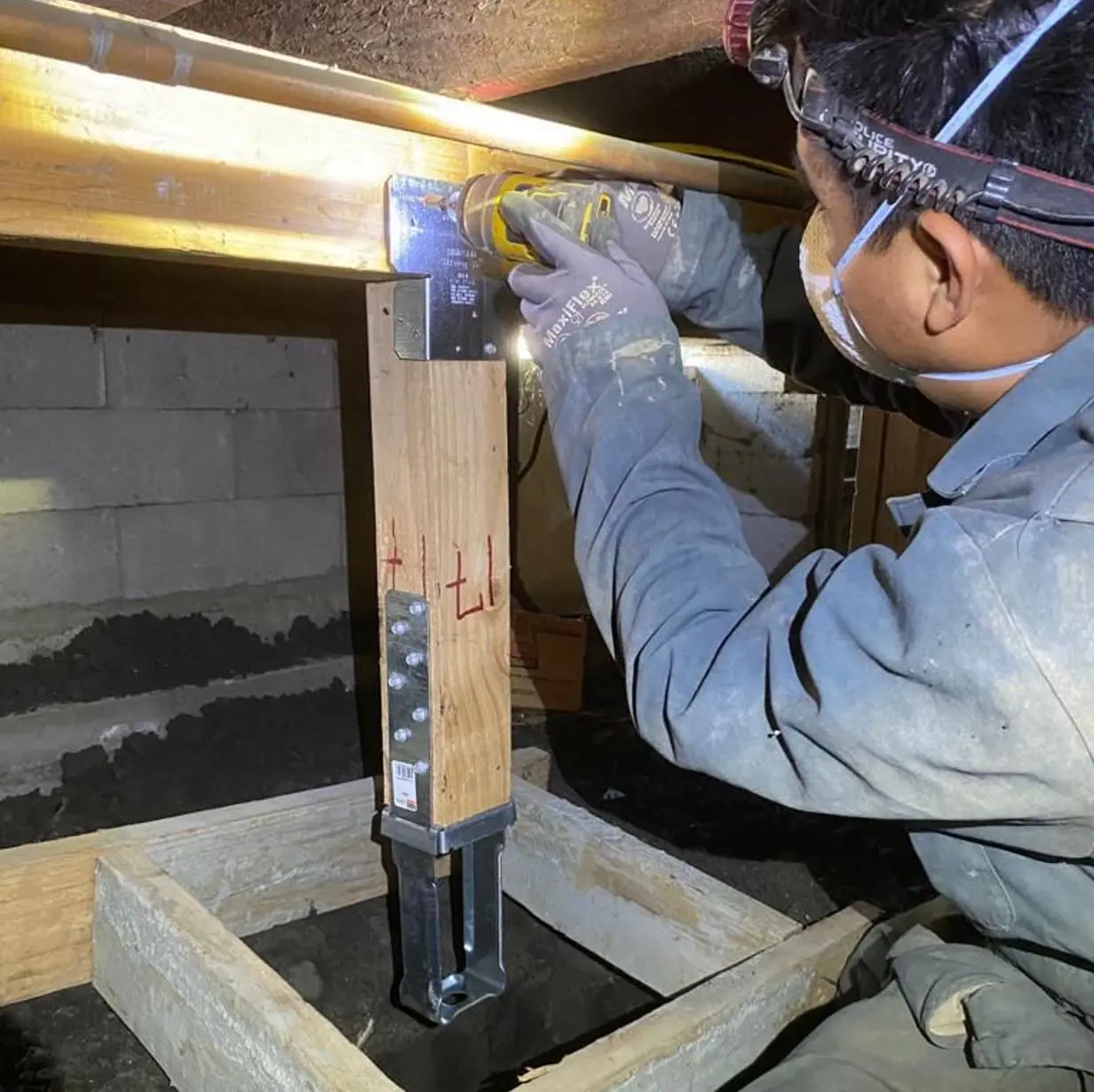
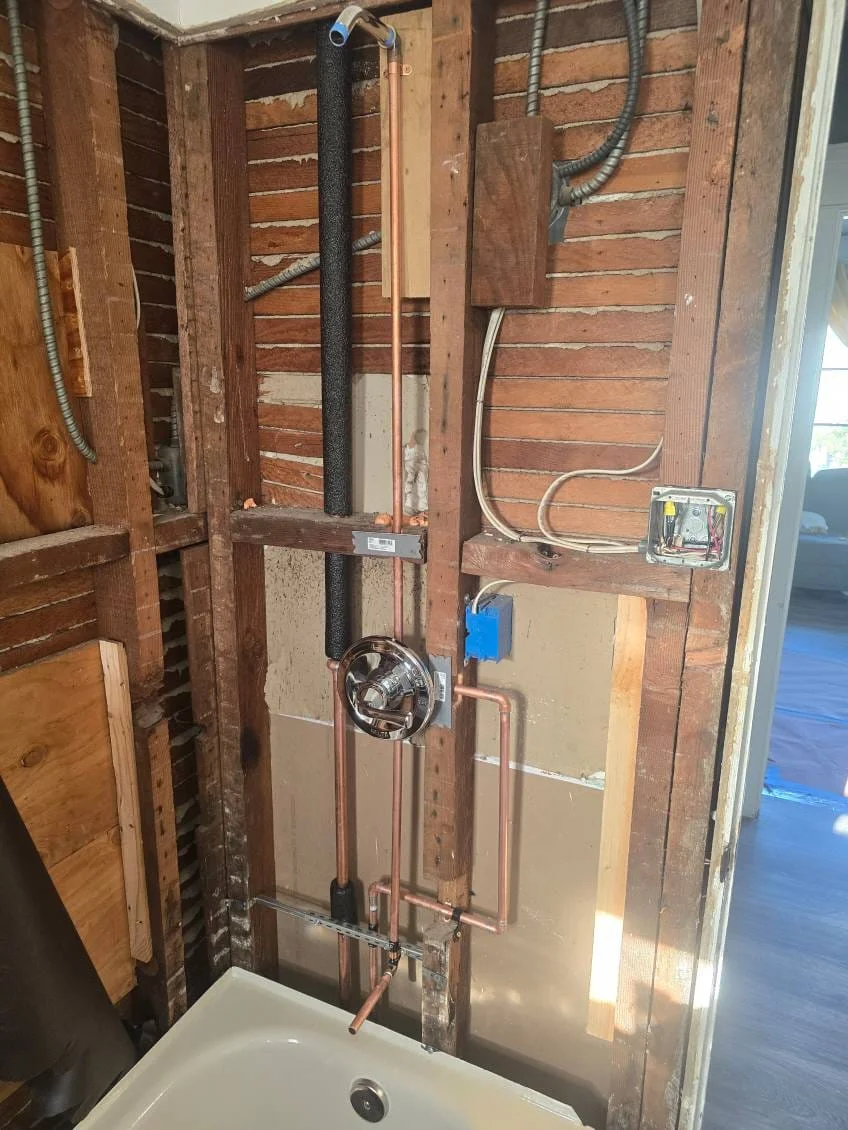
The crew opens planned access points in walls and ceilings, removes all existing supply lines, and installs new piping to every fixture. Water service is restored at the end of each work day whenever the project allows. Drywall patches and cleanup are handled as each section is completed, not left for a separate trip.
Step 4: Inspection, Walkthrough, and Closeout
The local building inspector verifies the new system meets current California code. After the inspection passes, you receive the inspection record, manufacturer material warranties, and the 2-year workmanship warranty from Wise Choice. A final walkthrough confirms every fixture runs clean with full pressure. Call (818) 483-8055 or schedule your free estimate online to get the process started.
What Affects the Scope and Timeline of a Repipe
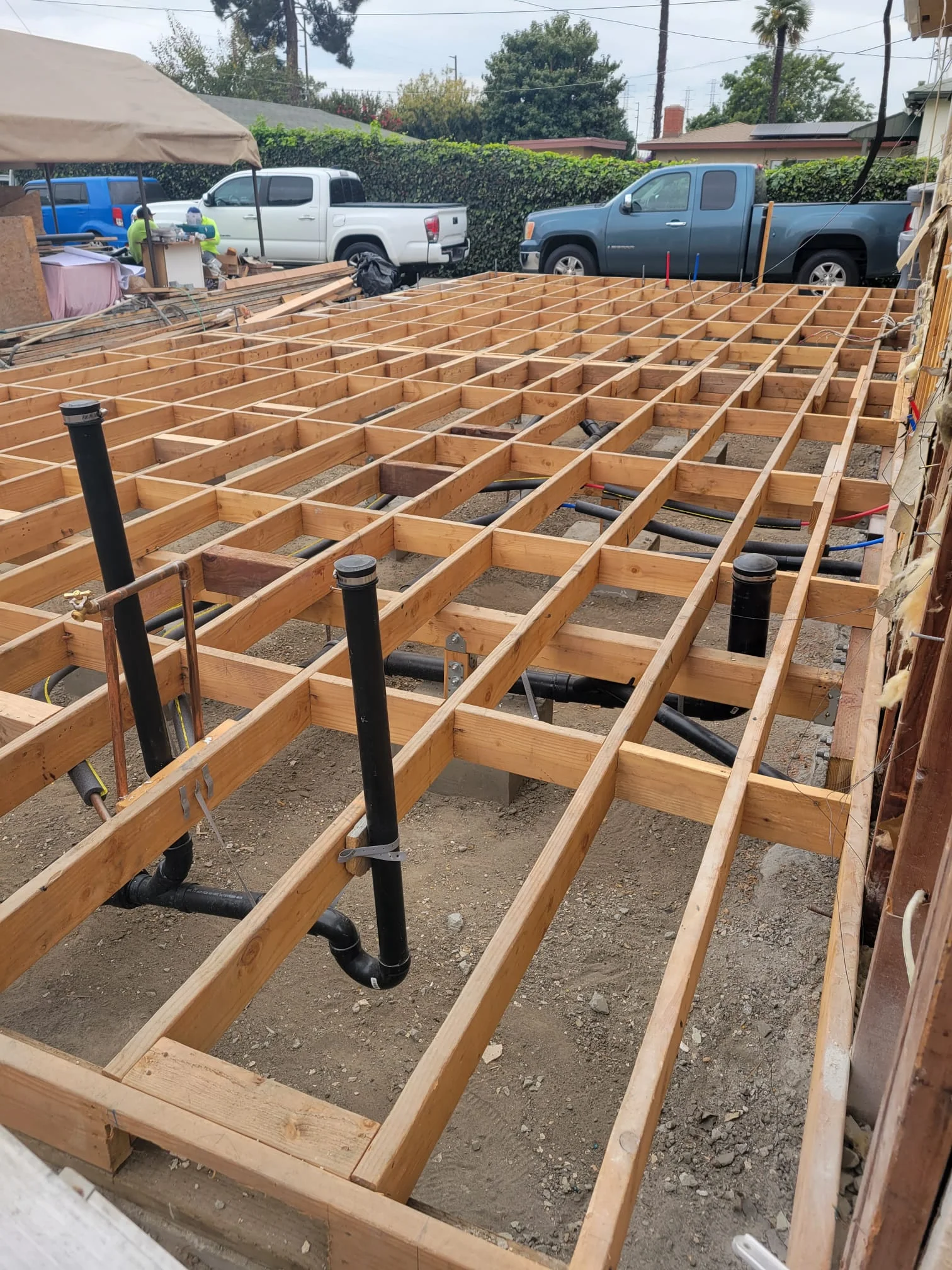
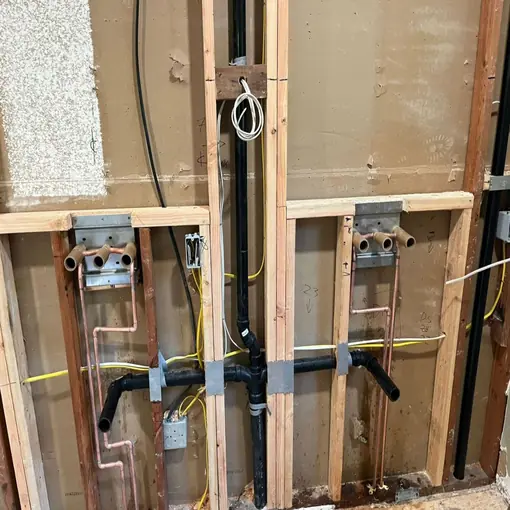
No two repipes are identical. The scope depends on the size of the home, the number of fixtures, the existing pipe material, how the lines are routed (through walls, attic, or under a slab), and whether the home has a crawl space or sits on a slab-on-grade foundation. Slab plumbing adds complexity because rerouting through the attic or walls is often more practical than cutting into the concrete.
The condition of the existing system matters too. Homes with galvanized steel typically require a full replacement because the corrosion is systemic. Homes with aging copper may qualify for a partial repipe if only certain sections show pitting or joint failure. The written estimate addresses all of these variables so the scope is clear before any work begins. Financing is available for qualified homeowners, including $0 down options.
Permits and California Building Requirements
Every whole-home repipe requires a plumbing permit. Inside the City of Los Angeles, permits are filed through LADBS. In surrounding jurisdictions, the local county or municipal building department handles the review. Wise Choice files the application, coordinates the inspection schedule, and ensures the new system meets current California Plumbing Code requirements.
When walls or ceilings are opened during a repipe, Title 24 energy standards may require insulation upgrades in the disturbed areas. If the home has knob-and-tube wiring in the same wall cavities, that wiring cannot be buried under new insulation and may need to be addressed before the repipe is closed up. These conditions are flagged during the estimate visit so there are no surprises mid-project.
Where We Work Across Southern California
Wise Choice Remodeling handles repiping projects across the region, from the postwar ranch homes in Encino, Sherman Oaks, and Woodland Hills to the pre-war bungalows and Spanish Revival homes in Silver Lake, Highland Park, and Eagle Rock. Each area carries its own housing stock challenges. Valley homes built in the 1950s and 1960s typically sit on slab-on-grade foundations with galvanized supply lines routed under the concrete. Eastside homes from the 1920s and 1930s often combine older copper or galvanized plumbing with pier-and-post foundations that allow easier access from below.
Why Choose Wise Choice Remodeling
Over 15 Years of Combined Repiping Experience
The team brings over 15 years of combined experience across residential repiping projects in Southern California, including galvanized-to-copper conversions, full PEX repipes, and slab reroutes in homes built from the 1920s through the 1970s.
Licensed, Insured, and Accountable
One licensed general contractor manages the entire project under one contract. One project manager coordinates your schedule, one schedule governs the work, and one warranty covers everything that was installed. There is no chasing separate trades or wondering who is responsible when a question comes up six months later. Wise Choice holds 320+ reviews at 4.8 stars from homeowners across Southern California.
2-Year Workmanship Warranty
Every repipe is backed by a 2-year workmanship warranty covering all labor, fittings, connections, and installation. If anything fails within two years of your passed inspection, Wise Choice returns to correct it at no cost. Material warranties from the pipe manufacturer run separately and typically extend well beyond the workmanship coverage.
No Surprises on Scope or Schedule
The written estimate spells out every detail: materials, access points, timeline, disposal, and what the finished result looks like. The estimate you sign is the project you get. Wise Choice does not add charges for conditions that were visible during the evaluation, and any unforeseen issue discovered during work is communicated before additional scope is approved.
Cleanup and Disposal Included
All removed pipe, fittings, and debris are disposed of by the crew. Drywall openings are patched to a paint-ready finish. The property is left clean at the end of each work day, not just at the end of the project.
Wise Choice Remodeling brings over 15 years of combined experience to every repiping project across Southern California. Call (818) 483-8055 or request your free estimate online to find out what your home actually needs and get a written scope before any work begins.