What Energy Efficient HVAC Installation Delivers for Southern California Homes
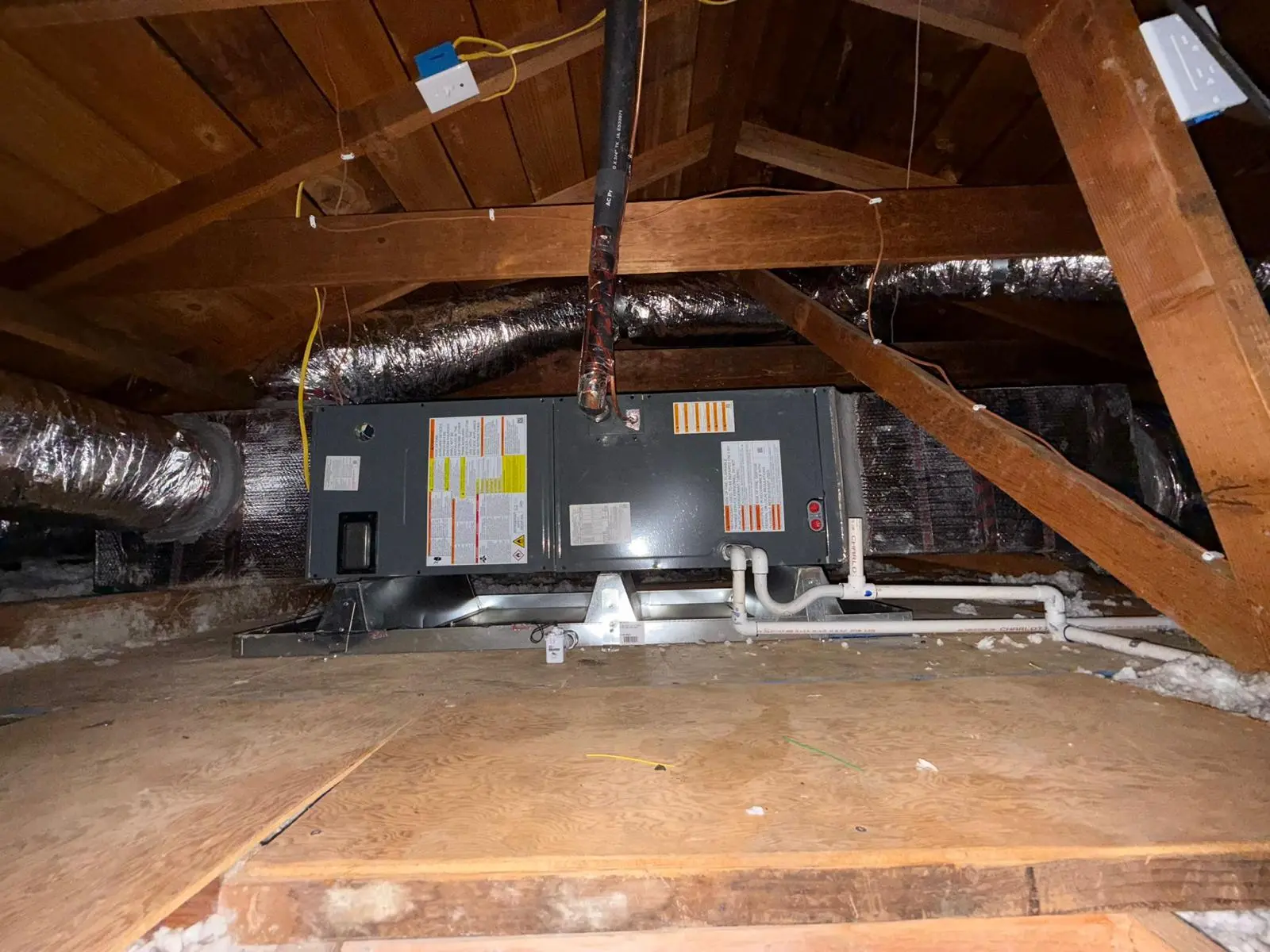
Energy efficient HVAC installation is the selection, sizing, and installation of heating and cooling equipment that exceeds California’s minimum efficiency code requirements and is installed on a properly assessed duct system so the efficiency rating on the nameplate is the efficiency the home actually receives. In Southern California, where central air conditioning runs for six to nine months per year depending on location and interior temperatures in uninsulated or poorly sealed homes can reach 85 degrees before the AC is called on, the gap between a minimum-code HVAC system and a properly specified high-efficiency installation shows up in every month’s utility bill for the life of the equipment. Replacing an aging system that is running at 10 SEER with a correctly sized 18 SEER2 high-efficiency replacement reduces cooling energy consumption for equivalent comfort by roughly 40 percent. Over the fifteen to twenty years the equipment runs, that difference is what pays for the efficiency premium, which is why the comparison worth making is monthly running cost rather than sticker price alone.
Energy Efficient HVAC Systems We Install
High-Efficiency Central AC Systems
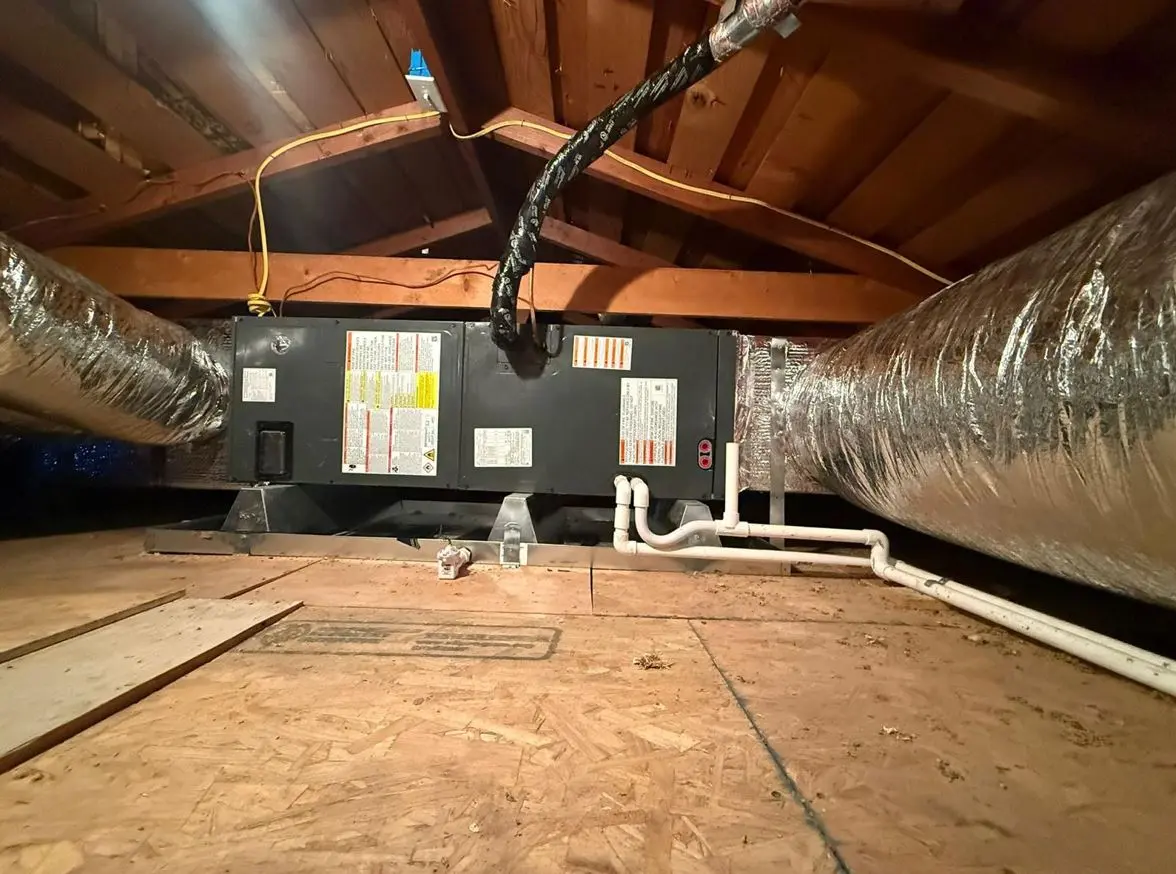
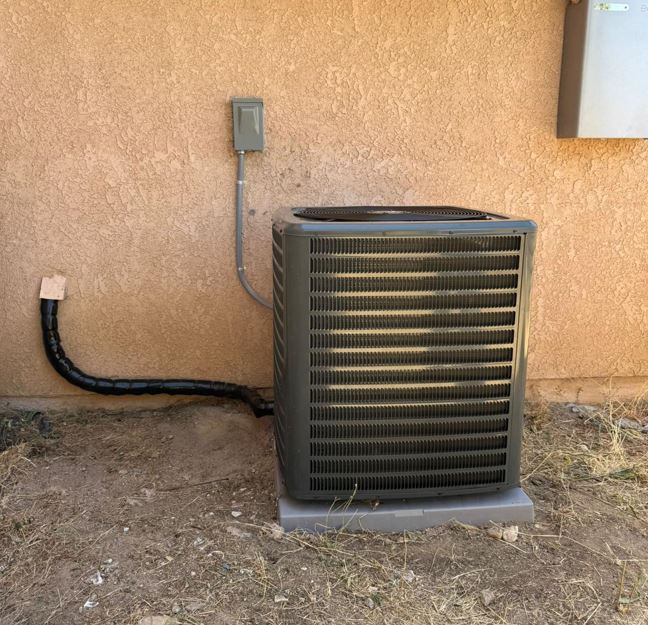
High-efficiency central air conditioning systems in the 16 to 20 SEER2 range use two-stage or variable-speed compressors that modulate output to match the actual cooling load rather than running at full capacity in short bursts. Variable-speed systems run longer cycles at lower capacity, which improves dehumidification, reduces temperature swings between thermostat cycles, and extends equipment life by reducing the mechanical stress of repeated starts and stops. For Southern California homes running air conditioning through a long cooling season, the operating cost difference between a minimum-efficiency and a high-efficiency variable-speed system is material and compounding over the equipment’s 15 to 20 year service life.
High-Efficiency Heat Pump Systems
Qualifying heat pump systems combine high-efficiency cooling with electric heating that operates at a coefficient of performance well above 3.0 in Southern California’s mild winter climate. A heat pump handles both heating and cooling from one system, which positions the home ahead of California’s regulatory trajectory toward residential building electrification. For homeowners replacing heating and cooling equipment at the same time, a heat pump is usually the option worth pricing first, because one system replaces two and there is no gas appliance left to maintain or eventually replace.
High-Efficiency Gas Furnaces
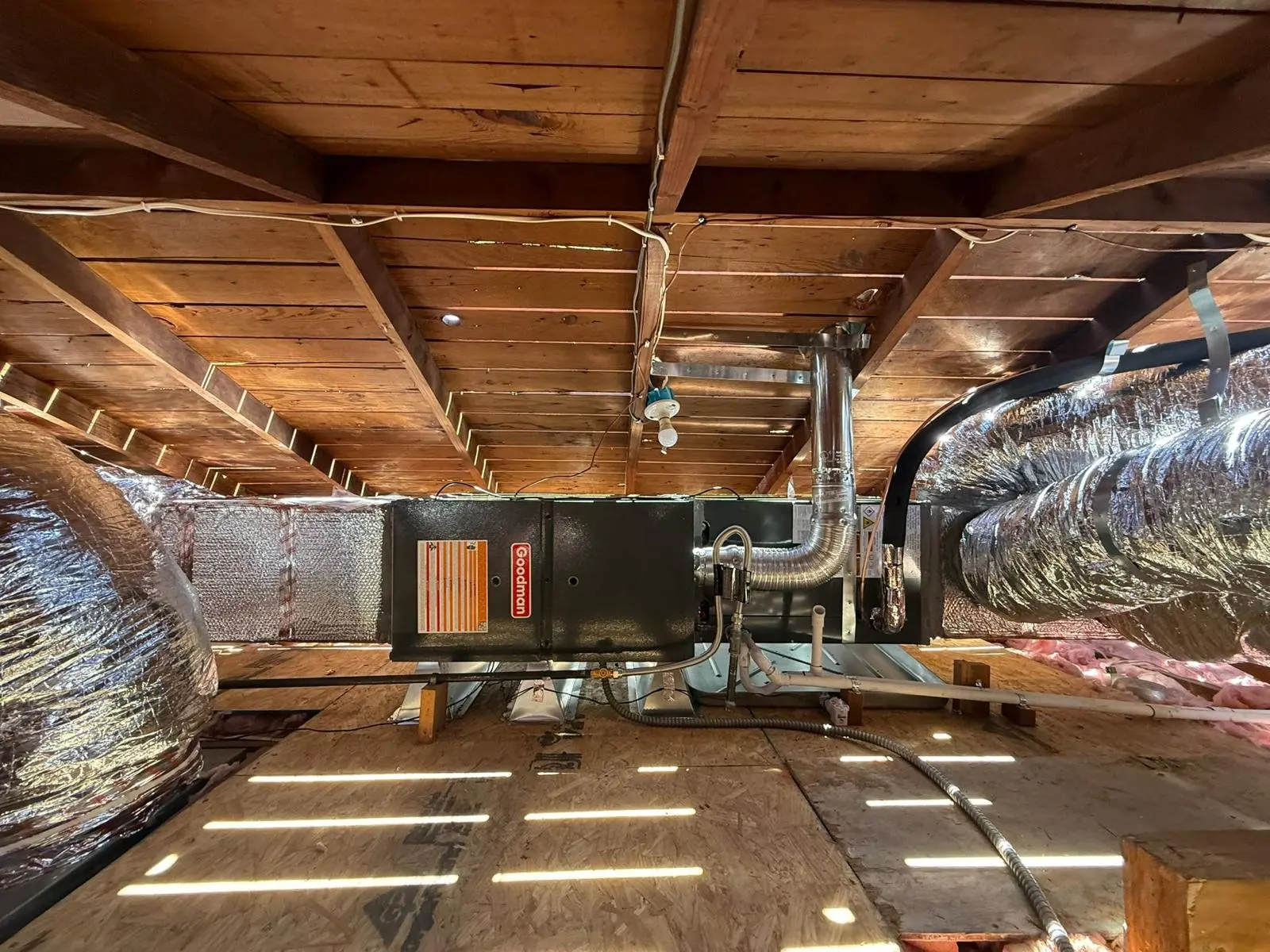
High-efficiency gas furnaces at 95 to 98 AFUE extract nearly all available heat from the combustion process, venting cool flue gases through PVC rather than the metal flue systems used by standard-efficiency furnaces. Variable-speed blower motors in premium furnace tiers reduce electrical consumption during operation and improve comfort by delivering conditioned air more evenly throughout the home. In Southern California’s mild heating climate, the payback period on the furnace efficiency premium is longer than it would be in a colder region, because the equipment simply runs fewer hours. We factor that into the recommendation rather than defaulting to the highest tier regardless of economics, and on many homes the mid-tier furnace is the better buy.
Variable Refrigerant Flow Systems
Variable refrigerant flow systems use inverter-driven compressors to modulate refrigerant flow continuously in response to the actual load, achieving efficiency levels significantly above conventional split systems. VRF systems are most commonly applied in larger or multi-zone residential projects where precise zone-by-zone control and high part-load efficiency justify the higher equipment cost. We assess whether VRF is appropriate for a given project based on home size, zone count, and the economics relative to a multi-zone conventional system during the estimate visit.
Smart Thermostat and Zoning Integration
High-efficiency equipment produces its greatest savings when paired with controls that match system operation to actual occupancy and load rather than running on fixed schedules. Smart thermostat installation is included in every HVAC installation we perform, and zoning systems that allow independent temperature control in different areas of the home are available where the duct system and equipment configuration support them. Matching run time to actual occupancy is the cheapest efficiency gain available on any system, because it costs nothing to operate and applies every day the equipment runs.
Energy Efficient HVAC Efficiency Ratings Explained
| Equipment Type | Efficiency Metric | California Minimum | High-Efficiency Threshold | Premium High-Efficiency Range |
|---|---|---|---|---|
| Central AC | SEER2 | 13.4 | 16.0+ | 18 to 22 |
| Heat pump (cooling) | SEER2 | 13.4 | 16.0+ | 18 to 22 |
| Heat pump (heating) | HSPF2 | 7.5 | 7.8+ | 9 to 11 |
| Gas furnace | AFUE | 80% | 95%+ | 96 to 98% |
According to the ENERGY STAR program, ENERGY STAR certified central air conditioners and heat pumps use about 8 percent less energy than conventional models meeting the federal minimum standard, and the most efficient products in those categories significantly exceed that baseline. For Southern California homeowners replacing equipment that predates the 2006 SEER standards, the improvement over existing equipment is substantially larger than 8 percent. We calculate the specific efficiency gap between your existing system and the replacement options during the estimate visit so the projected savings are based on the actual before-and-after comparison for your home.
For homeowners whose project also includes improving the thermal envelope alongside the HVAC upgrade, combining new high-efficiency equipment with attic insulation or air sealing reduces the cooling load the new system has to serve, which means the new equipment can be sized smaller, cost less, and operate more efficiently than if the envelope work were done separately. Our air sealing services and attic insulation can be scoped as part of the same project visit for homeowners who want to address both together.
What Energy Efficient HVAC Costs in Los Angeles
A full furnace and AC system typically runs $14,000 to $24,000, and a heat pump system $15,000 to $27,000. Either price covers a permitted installation by a licensed general contractor, Manual J load sizing, the Title 24 documentation and HERS verification California requires, and a 2-year workmanship warranty.
Where a specific project lands inside those ranges depends on system type, efficiency tier, equipment size, duct condition, and any electrical work the new system requires.
The efficiency premium pays back through the utility bill, not at purchase. That is the honest way to think about the decision. A higher-efficiency system costs more up front and less every month for the fifteen to twenty years it runs. In Southern California, where cooling runs six to nine months a year, that monthly difference is the whole case for the upgrade. In heating, where our winters are mild, the payback on the top tier is genuinely longer, which is why we do not recommend the highest tier by default. We show you the projected difference for your home and your actual usage, then let the numbers decide.
Typical Los Angeles pricing. Final pricing depends on project size, site conditions, materials, permits, engineering requirements and scope of work. Every project is quoted free on-site. Financing is available for qualified homeowners including $0 down options.
Call (818) 483-8055 to schedule your free assessment and load calculation.
Our Energy Efficient HVAC Installation Process
Step 1: Free On-Site Assessment and Load Calculation
A licensed Wise Choice HVAC estimator visits your home, inspects existing equipment and duct conditions, confirms your utility service provider, and performs a Manual J load calculation for heating and cooling. The visit takes 60 to 90 minutes. You receive a written itemized estimate before the end of the next business day, with no obligation to proceed.
Step 2: Equipment Selection and Permit Applications
Once the estimate is approved, we confirm the selected equipment meets all applicable efficiency requirements, submit permit applications for the mechanical, electrical, and gas scopes as applicable, and place the equipment order. We communicate confirmed lead times when the order is placed.
Step 3: Duct Assessment and Preparation
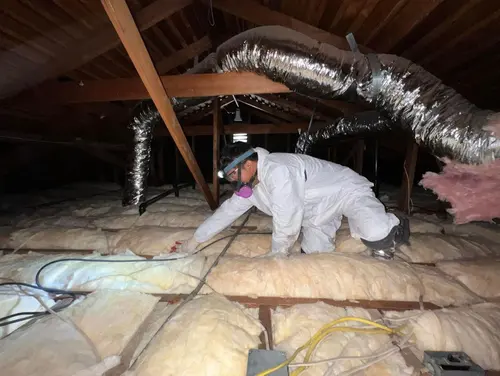
Before new high-efficiency equipment is installed, the existing duct system is inspected and tested. Leaks are identified and sealed. Return air pathways are verified adequate for the new system’s airflow requirements. High-efficiency variable-speed systems are particularly sensitive to duct system restrictions, and we address any conditions that would prevent the equipment from delivering its rated performance before the new system goes in.
Step 4: Equipment Removal and Installation
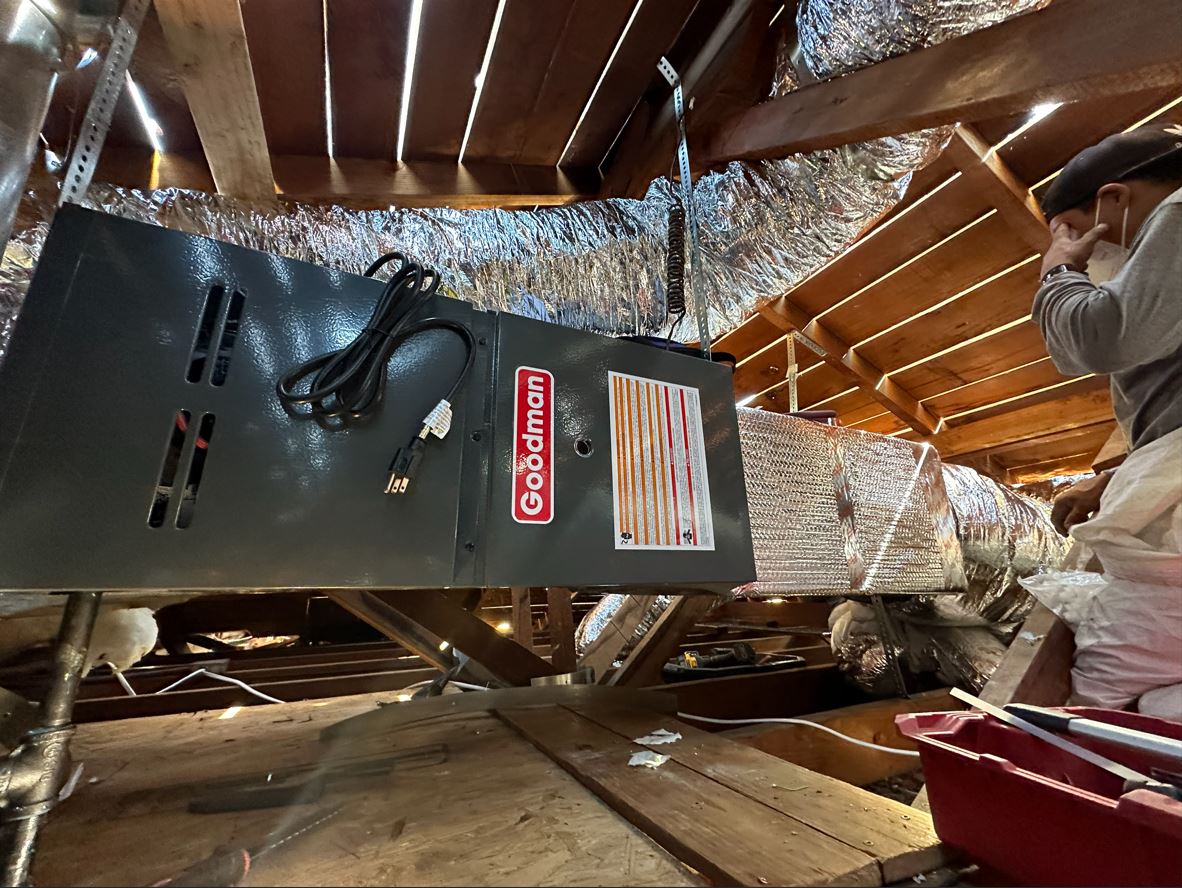
Existing equipment is shut down safely, refrigerant is recovered by EPA Section 608 certified technicians, and all old equipment is removed and hauled off-site. New high-efficiency equipment is installed to manufacturer specifications, refrigerant lines are sized and charged correctly for the new equipment’s refrigerant type, electrical connections are made at the equipment and panel, and the thermostat and any zoning controls are installed and programmed.
Step 5: System Commissioning and Performance Verification
The system is started and verified across both heating and cooling operating modes. We confirm correct refrigerant charge using manufacturer-specified subcooling and superheat targets, measure airflow at supply registers throughout the home to confirm adequate distribution, and verify correct electrical draw and thermostat operation. For variable-speed systems, we confirm the system is cycling at part-load as designed rather than operating at full capacity continuously. Any adjustments are made before the crew leaves.
Step 6: Inspections and Closeout Documentation
We coordinate all required mechanical, electrical, and gas inspections with the applicable building department. At project closeout you receive the permit and final inspection sign-off, the 2-year workmanship warranty in writing, all manufacturer equipment warranty documentation, ENERGY STAR certification for the installed equipment, and itemized receipts and product data sheets.
If you want to understand what a high-efficiency HVAC upgrade would cost for your home, request a free estimate online or call (818) 483-8055 to schedule your on-site assessment.
Permits and California Requirements for Energy Efficient HVAC Installation
All HVAC installations in California require a mechanical permit regardless of efficiency tier. Electrical permits are required for outdoor unit wiring and any panel modifications. Gas furnace installations require a gas line permit and pressure test. Where duct modifications are included in the scope, California’s Title 24 energy code requires a duct leakage test confirming the duct system meets maximum leakage rate standards for new or altered duct installations.
California’s Title 24 energy code sets minimum SEER2, AFUE, and HSPF2 requirements for new HVAC equipment installed in residential buildings. High-efficiency equipment exceeds those code minimums, and we verify the rating of the specific equipment proposed for your address. We manage all permits and inspections end to end and deliver complete permit and compliance documentation at project closeout.
Why Southern California Homeowners Choose Wise Choice for Energy Efficient HVAC
15+ Years of Combined Experience With High-Efficiency Systems
We have installed energy efficient HVAC systems on Southern California homes across every era of construction and every configuration of existing equipment and ductwork. The installation quality of a high-efficiency system matters as much as the equipment itself, and our crew installs to the standards that allow that efficiency to actually reach the living space.
Licensed and Insured General Contractor
Every installation we perform is completed under our general contractor license by fully insured crew members. You carry no liability exposure for work our team performs in your home.
Manual J Sizing on Every Job
We size high-efficiency equipment to a Manual J load calculation performed at the estimate visit. An oversized high-efficiency system short-cycles and delivers a fraction of its rated efficiency regardless of the nameplate rating. Correct sizing is not negotiable, and it is something every homeowner should require from any contractor proposing HVAC work.
2-Year Workmanship Warranty
Our 2-year workmanship warranty covers all installation labor. If any workmanship-related failure occurs within two years under normal operating conditions, we return and correct it at no charge. The warranty is in writing and delivered at closeout alongside manufacturer equipment warranties.
Financing Available
Financing is available for qualified homeowners including $0 down options. Financing makes it practical to move to high-efficiency equipment on your own schedule rather than waiting for a failure that forces the decision under time pressure. Ask about current terms when you call.
Wise Choice Remodeling brings 15+ years of combined experience to energy efficient HVAC installation across Southern California. If your current system is aging and you want to know what a high-efficiency replacement would actually cost, call (818) 483-8055 to schedule your free on-site assessment and load calculation.