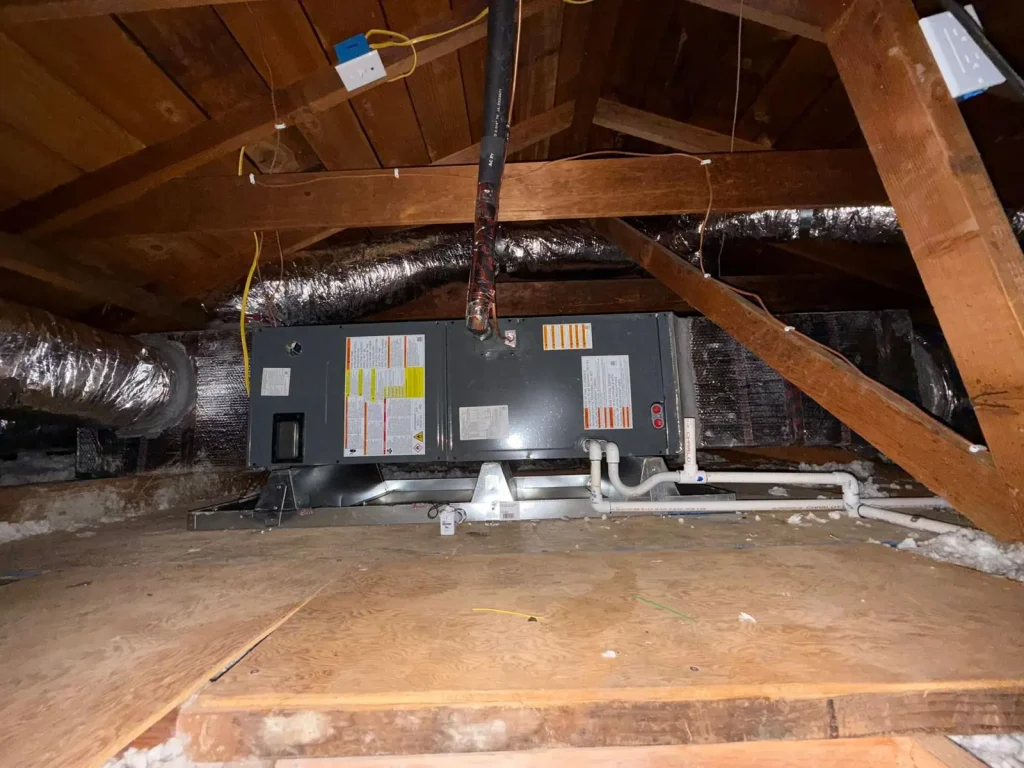
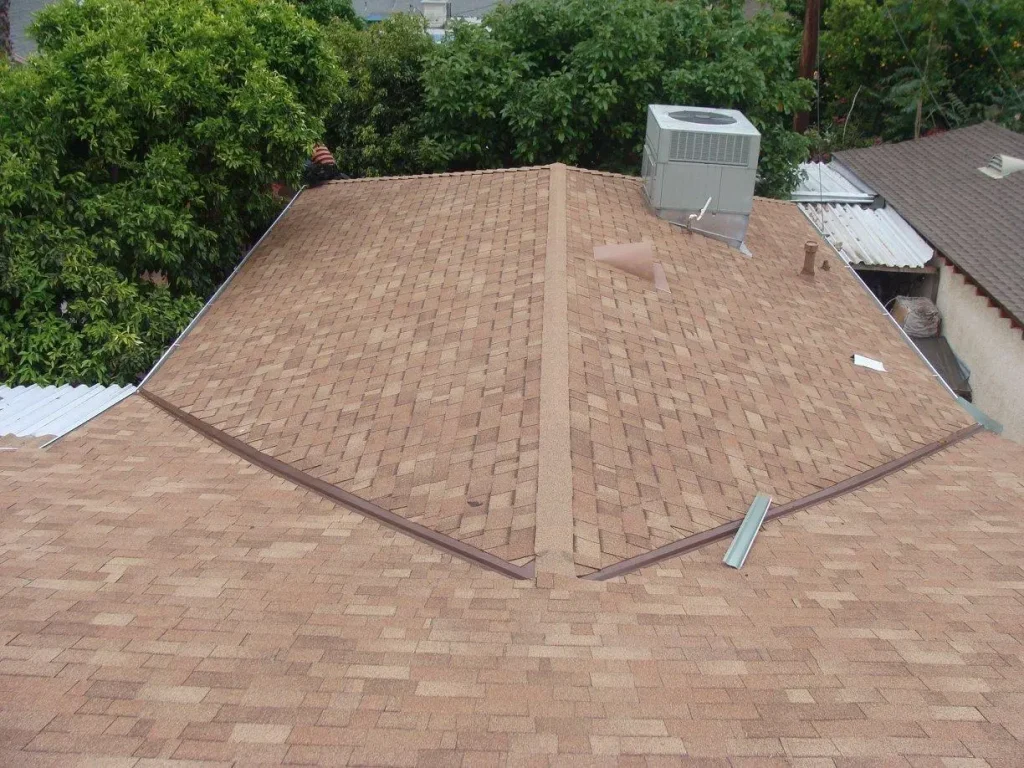
Air sealing is closing the gaps in the shell of a building so air stops moving through it. In a Southern California house that mostly means the ceiling plane between the living space and the attic: the openings around recessed lights, plumbing and wiring penetrations, the tops of interior walls, duct boots, and the hatch. It is worth doing, and it is worth doing before you add insulation rather than after.
Most of what you will read on this subject is written for cold climates and is about keeping warm air in. Here the job runs the other way.
What air sealing is not
It is not spray foam. Some companies define it that way because spray foam is what they sell, and it produces a description of the work that fits one product rather than the problem.
Sealing a building is a set of different materials matched to different gaps. Caulk for small static joints. Canned foam for gaps up to an inch or so. Rigid blocking with sealant for large openings like open wall tops or a dropped soffit. Mastic for duct connections. Gaskets and weatherstripping for things that have to keep moving, like the attic hatch. Fire-rated materials where the penetration requires them, which flues and some chases do.
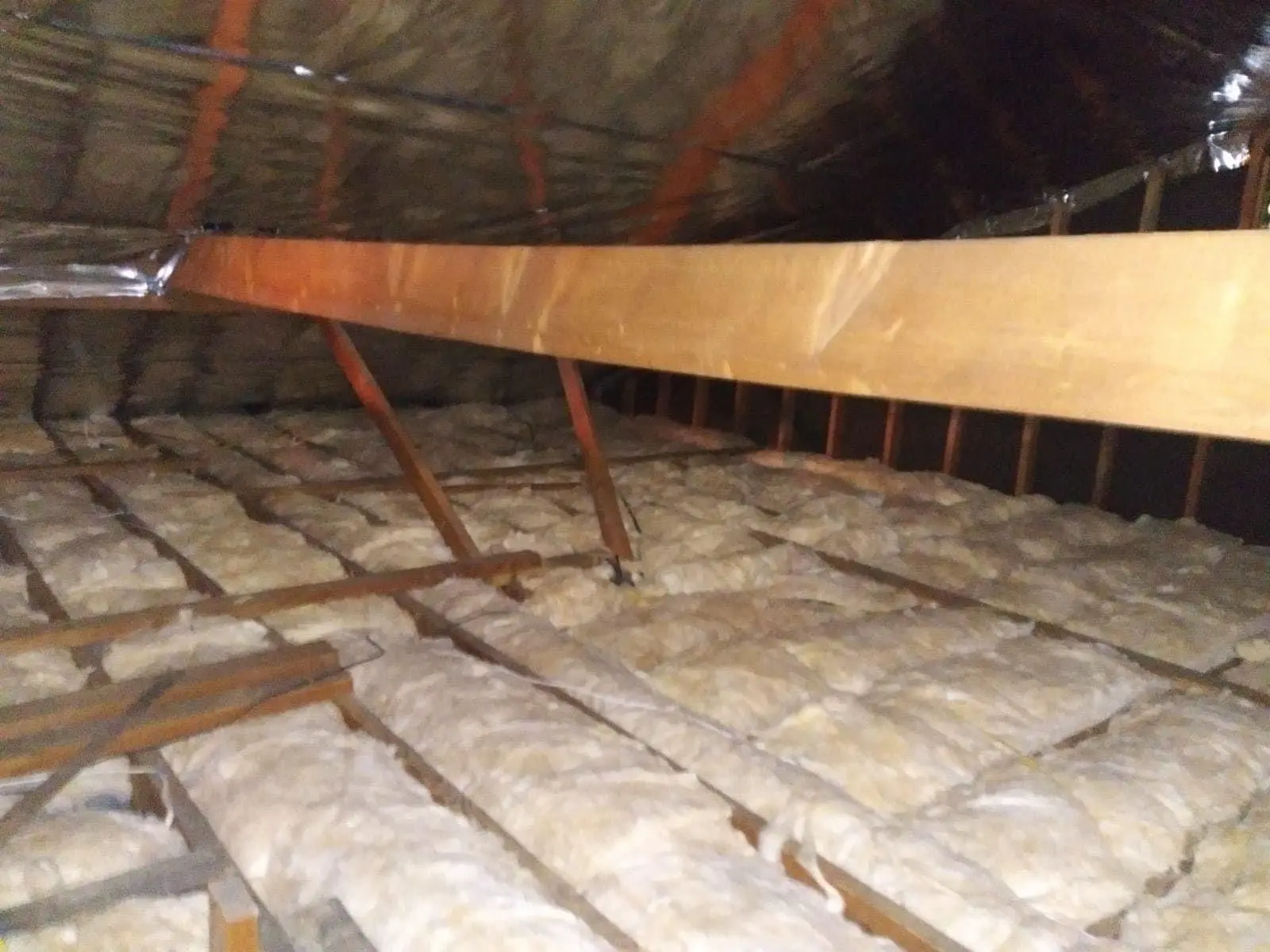
It is also not insulation, and it does not replace it. Insulation slows heat moving through material. Sealing stops air carrying heat past that material entirely. They solve different halves of the same problem, which is why doing one and not the other disappoints people.
Why it matters more here than the advice suggests
A vented attic under a sunlit roof runs far hotter than the outside air and holds that heat into the evening. Every unsealed opening in the ceiling below it is a path for that air to enter the house, and for the air you have paid to cool to leave.
That exchange runs for most of the year in this climate rather than for a season. It also carries what is in the attic with it: dust, fibers, and whatever else is up there. Air moving from attic to living space is a comfort problem, an energy problem and an air quality problem at the same time.
The cold-climate version of this article talks about drafts you can feel. In a cooling climate the symptom is subtler. Rooms that will not hold temperature in the afternoon, a system that runs constantly without getting ahead, and upstairs rooms noticeably warmer than the thermostat suggests.
Sequence is the part that costs money to get wrong
Sealing happens at the surface. Insulation covers that surface. So sealing comes first, always.
Insulate an unsealed ceiling and the gaps are still there, now under several inches of material. The air keeps moving, the insulation performs below its rating because air is bypassing it, and fixing it later means moving or removing what was just installed.
This is the most common expensive mistake on an insulation job, and it is entirely avoidable. If you are getting quotes to add attic insulation and none of them mentions sealing first, that is the question to ask before choosing one.
Where the leaks actually are
They are rarely where people look. Windows and doors get the attention and are usually a small share of the total.
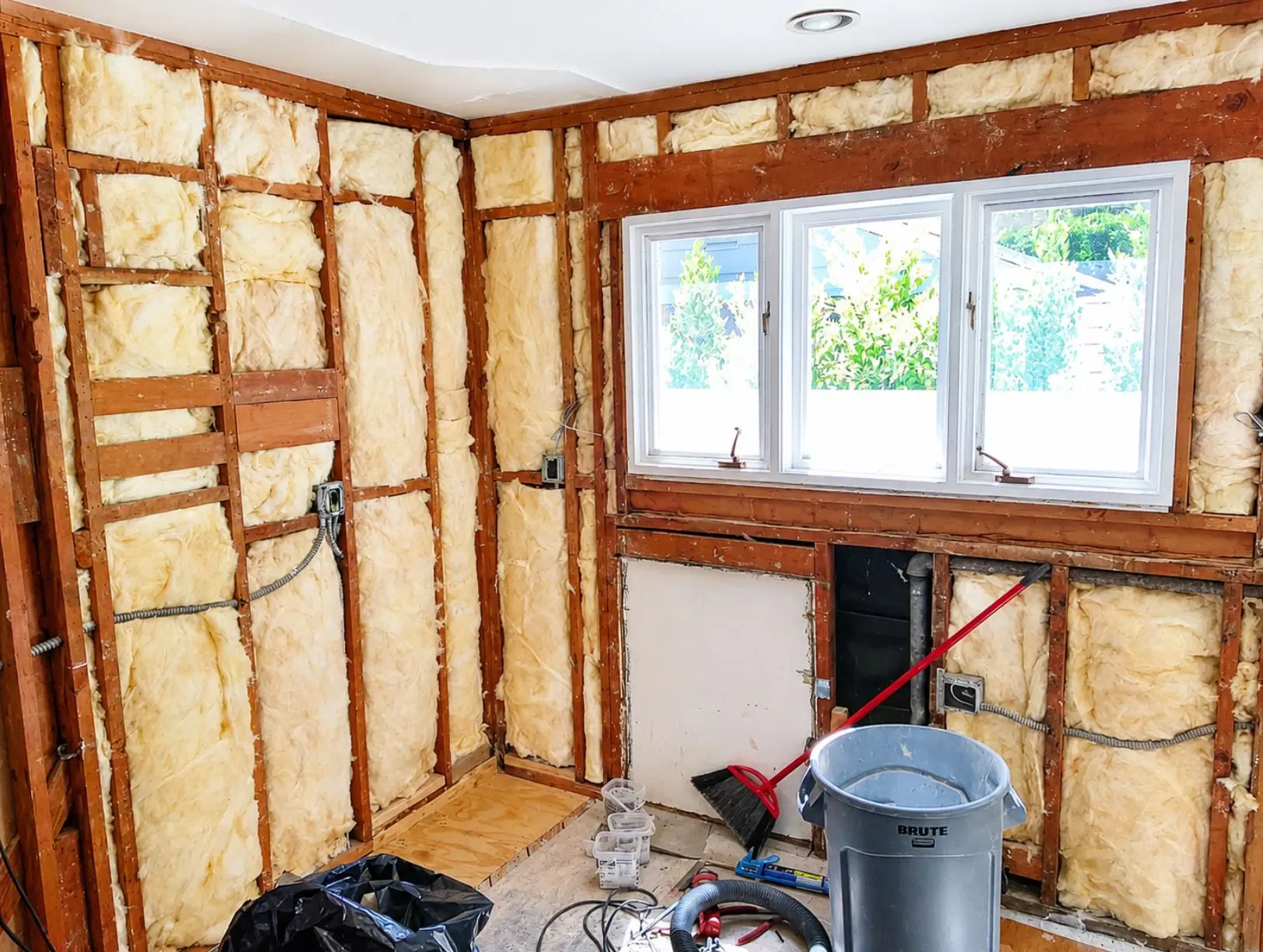
The large ones are at the top and bottom of the house. Recessed light housings, which are holes through the ceiling by design. Plumbing vents and wiring penetrations. The open tops of interior partition walls, which in many older homes connect the wall cavities directly to the attic. Dropped soffits above cabinets. The chase around a flue. Duct boots where they meet the ceiling. The attic hatch, which is often the single largest opening in the ceiling and the easiest to fix.
In a house with a raised foundation, the crawl space side matters too, for the same reasons in reverse.
The objection worth taking seriously
Homeowners ask whether sealing a house too tightly causes moisture problems or traps stale air. That is a fair question and the answer is specific.
Sealing the ceiling plane between the living space and a vented attic does not trap moisture in the attic, because the attic stays vented. What it does is stop humid indoor air being pushed up into the attic where it can condense on cold surfaces, which is a moisture problem in its own right.
The genuine version of the concern applies to converting a vented attic to an unvented one, which is a different job with different rules, and to sealing a house to a very low leakage rate without addressing ventilation. Modern practice pairs a tight envelope with deliberate mechanical ventilation, so fresh air arrives through something designed rather than through gaps.
The dust concern is about the work rather than the result. Attic work disturbs decades of settled material, and a contractor who is careless about containment will move some of it into the house. That is a question about how the crew works, and it is worth asking directly.
It is measurable, and sometimes measured
Air leakage is not a matter of opinion. It is measured with a blower door, which pressurizes the house and reports how much air moves through the shell at a set pressure. The same test finds where the leaks are while it is running.
California’s Energy Code takes this seriously enough to have a defined quality of installation measure for insulation, and on some compliance paths the enclosure leakage rate is field verified by a certified rater rather than taken on trust. Standards and the compliance manuals are published by the California Energy Commission.
For a homeowner the practical version is simpler. A before-and-after blower door reading turns this from a promise into a number, and it is reasonable to ask for one on a project of any size.
So is it worth it
Yes, on almost any house built before recent code cycles, and particularly before you spend money on insulation. It is usually the cheapest meaningful improvement available on the envelope, and it makes everything downstream of it work better: insulation performs closer to its rating, and the cooling system stops fighting a building that leaks.
Where it is not worth it on its own is a house with genuinely tight construction and no comfort complaints, or where the real problem is duct leakage in the attic rather than the ceiling plane. Both are things an assessment establishes before the work rather than after. The air sealing scope should follow what the house actually shows, and the R-value target for the attic is a separate decision that comes after it.
Frequently asked questions
How long does air sealing last?
The materials are permanent in the sense that they are not consumable, and a properly sealed penetration should stay sealed for the life of the building. What breaks it is later work: a new recessed light, a rewire, a bathroom fan, a duct replacement, or anything else that puts a new hole through the ceiling. Sealing is worth revisiting after any trade has been in the attic.
How much of a difference does air sealing make?
It depends entirely on how leaky the house is now, which is why the honest answer starts with a measurement rather than a percentage. An older house with open wall tops, unsealed recessed lights and a bare attic hatch has a lot to gain. A tighter house has less. A blower door reading before and after turns this into a number specific to your house instead of a general claim.
What is the cheapest but most effective insulation?
Blown-in fiberglass and cellulose usually give the most coverage per dollar in an attic retrofit, because they fill irregular spaces that batts leave open. But the question has a trap in it: the cheapest effective step on most older homes is not insulation at all, it is sealing the ceiling first. Insulation installed over unsealed gaps underperforms its rating regardless of which material was chosen.
What type of insulation is no longer used?
Asbestos-containing insulation is the significant one, found in older homes around ducts, pipes and in some loose-fill products. It is not something to disturb, and suspected asbestos changes how attic work has to be handled. Older vermiculite loose fill is treated with the same caution because some of it is contaminated. If an attic contains material of unknown type in a house of that era, it gets identified before anyone works up there.
Does air sealing help with dust and allergens?
It helps, because a meaningful share of household dust arrives with air pulled in from the attic, the crawl space and the wall cavities rather than through the front door. Closing those paths reduces what gets carried in. It is not a substitute for filtration, and a house with a duct leakage problem will keep pulling attic air through the system regardless of how well the ceiling is sealed.
Should air sealing happen before or after insulation?
Before, without exception. Sealing happens at the surface that insulation then covers, so doing it second means moving or removing the insulation to reach the gaps. If a quote for attic insulation does not mention sealing, ask whether it is included and what happens if the ceiling turns out to be leaky once the old material is out of the way.