A cool roof is a roof that reflects more sunlight and holds less heat than a standard one, so the roof surface stays cooler and less heat reaches the rooms below. Two measured properties decide it: solar reflectance, how much sunlight bounces off, and thermal emittance, how efficiently the roof sheds the heat it does absorb. Both are scored from 0 to 1.
In much of the country a cool roof is an upgrade a homeowner chooses. In California it is frequently a code requirement, and it applies to re-roofing an existing house, not only to new construction. That difference is the reason most of what you will read about cool roofs online does not quite fit a Southern California project.
A cool roof does not have to be white
The white roof is the mental image almost everyone starts with, and it is the single biggest reason homeowners dismiss the idea before hearing the rest of it.
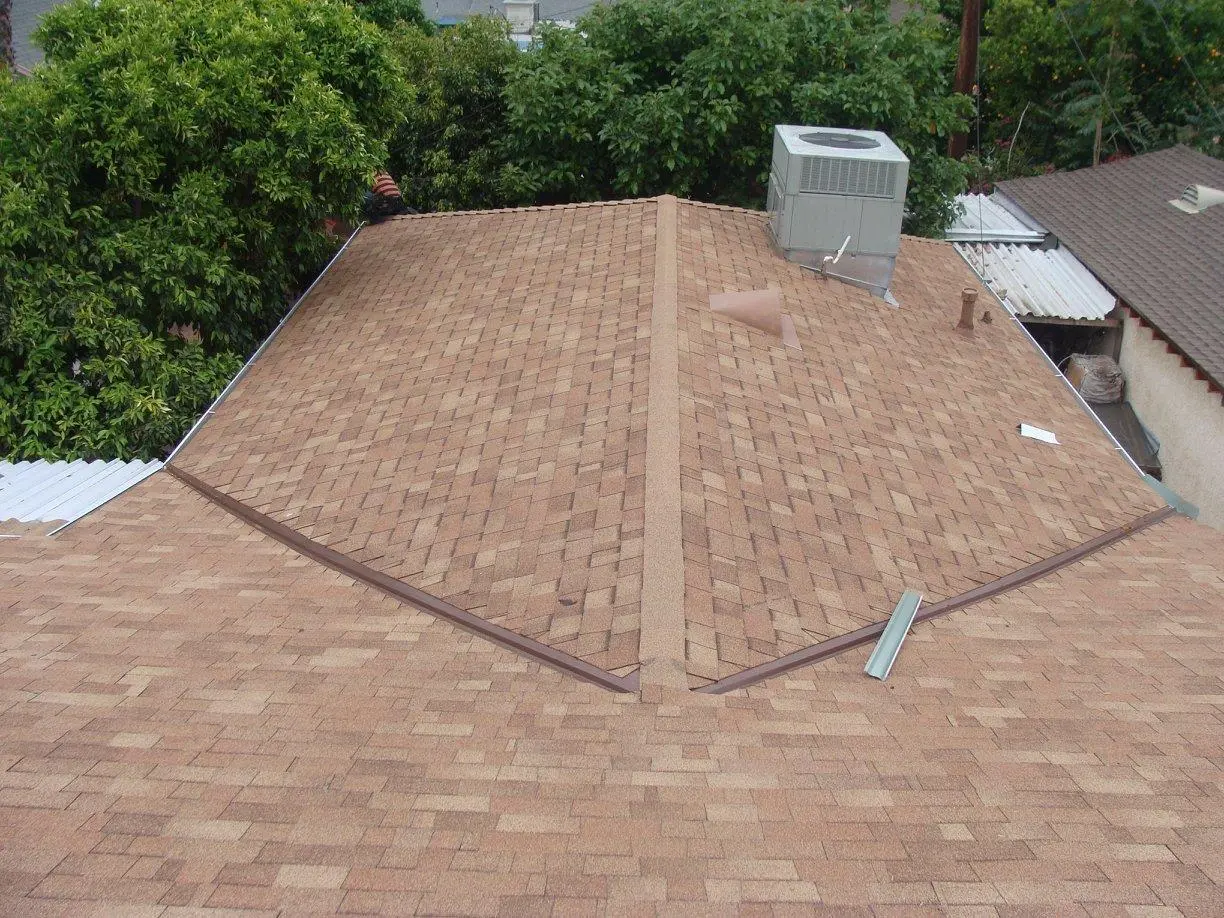
It is also out of date. The Cool Roof Rating Council notes that many “cool color” products use darker pigments that are highly reflective in the near infrared, the portion of sunlight your eye cannot see. Roughly half the energy arriving from the sun is in that invisible band. A pigment can therefore look deep brown, charcoal or terracotta to a person standing in the street while reflecting a large share of the heat that actually matters.
In practice this means the aesthetic objection and the performance requirement are no longer in conflict for most homes. It is worth asking a roofer specifically for cool color options rather than assuming the choice is white or nothing.
The number that counts is the three-year figure
Roofing products get dirty. Dust, pollution, biological growth and general weathering all pull reflectance down, and the drop happens mostly in the first few years.
The rating system accounts for that. The CRRC measures solar reflectance and thermal emittance twice, once when the product is new and again after three years of outdoor exposure, and publishes both in its Rated Roof Products Directory. California compliance is calculated on the aged value. The test methods behind those numbers sit in the ANSI/CRRC S100 standard, which codes and rating programs reference internationally.
The practical consequence is that a product brochure quoting an impressive initial reflectance is not telling you what your building department will use. If someone is comparing two products for you, the right question is what the three-year aged numbers are, and whether the product appears in the CRRC directory at all.
Why California treats this as compliance rather than preference
The Building Energy Efficiency Standards, Title 24 Part 6, set requirements for thermal emittance, three-year aged reflectance and Solar Reflectance Index for roofing materials used in new construction and in re-roofing projects. The Solar Reflectance Index, or SRI, is a single combined figure that folds reflectance and emittance together, which is why some requirements are written as an SRI value rather than as two separate numbers.
Requirements vary by climate zone and by roof slope, and California has sixteen climate zones with genuinely different rules. Some California jurisdictions also add their own green building code requirements for residential roofing on top of the state standard. For that reason a specific SRI or reflectance figure quoted without its climate zone and slope is not something you can act on, and the current values are worth confirming against the code rather than against an article.
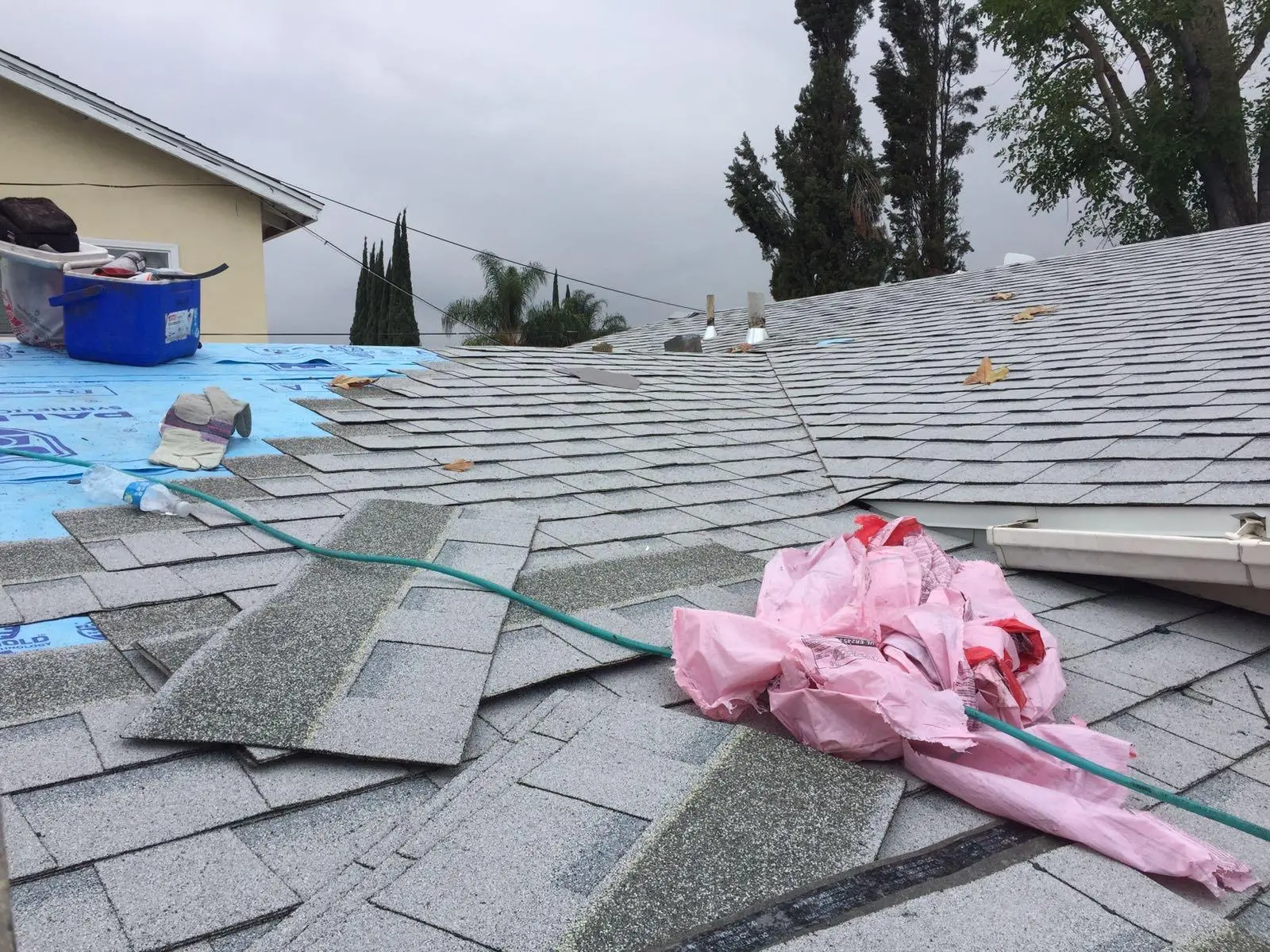
What does not vary is the trigger. A permitted re-roof brings these requirements with it, which is why the conversation usually starts with a roofer rather than with a homeowner going looking for it.
What a cool roof actually changes at the house
Less heat entering through the roof means the air conditioning runs less hard through the afternoon, and it means upstairs rooms and rooms directly under the roof deck hold a steadier temperature. In a house with no air conditioning the effect shows up as the rooms simply being less unpleasant.
The roof itself also runs cooler, which reduces the daily thermal cycling that ages roofing materials, and the CRRC lists longer service life among the benefits for that reason. It is worth being precise here: cooler running may extend service life, and the size of any energy saving depends on climate, insulation, roof assembly and how the house is used. Anyone quoting you a guaranteed percentage off your bill is guessing.
There is a wider effect too. Reflecting solar radiation back to the atmosphere rather than absorbing it into the built surface is one of the recognized ways to reduce the urban heat island effect, which is why cities with hot summers write cool roofing into their codes in the first place.
Where a cool roof helps least
Honesty about the limits makes the rest of this more useful.
The benefit is a summer cooling benefit. In a cooling-dominated climate that is almost entirely upside, which is why the requirements exist here. In a genuinely heating-dominated climate the same roof reflects away winter solar gain you would rather have kept, and the trade-off is real.
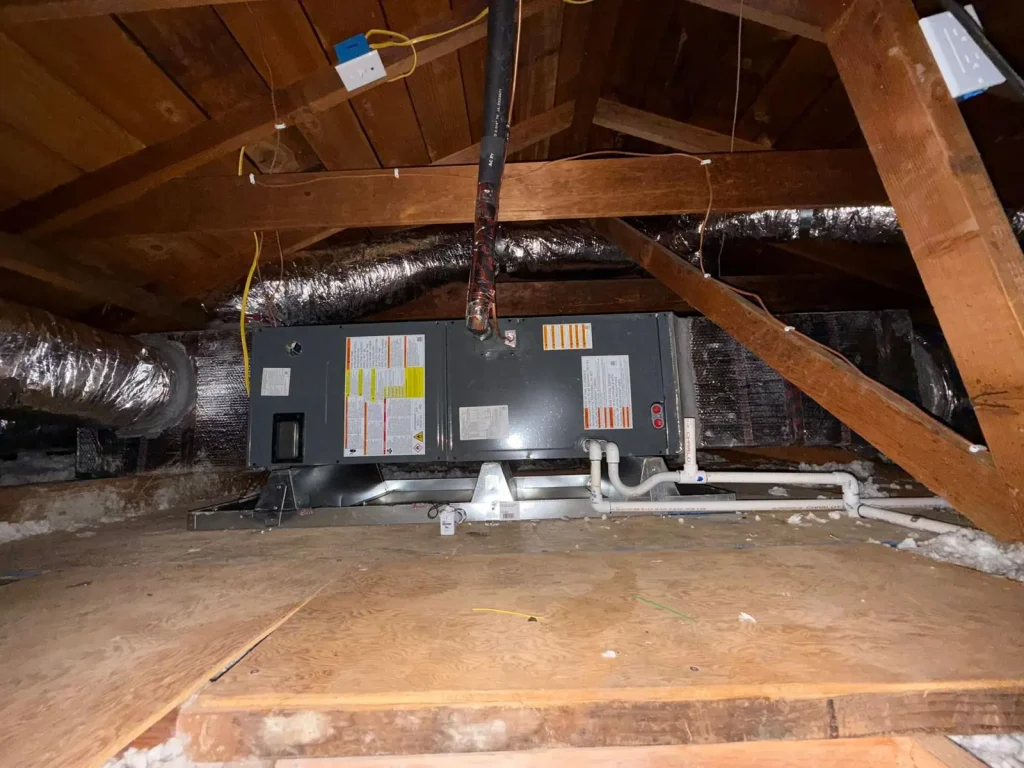
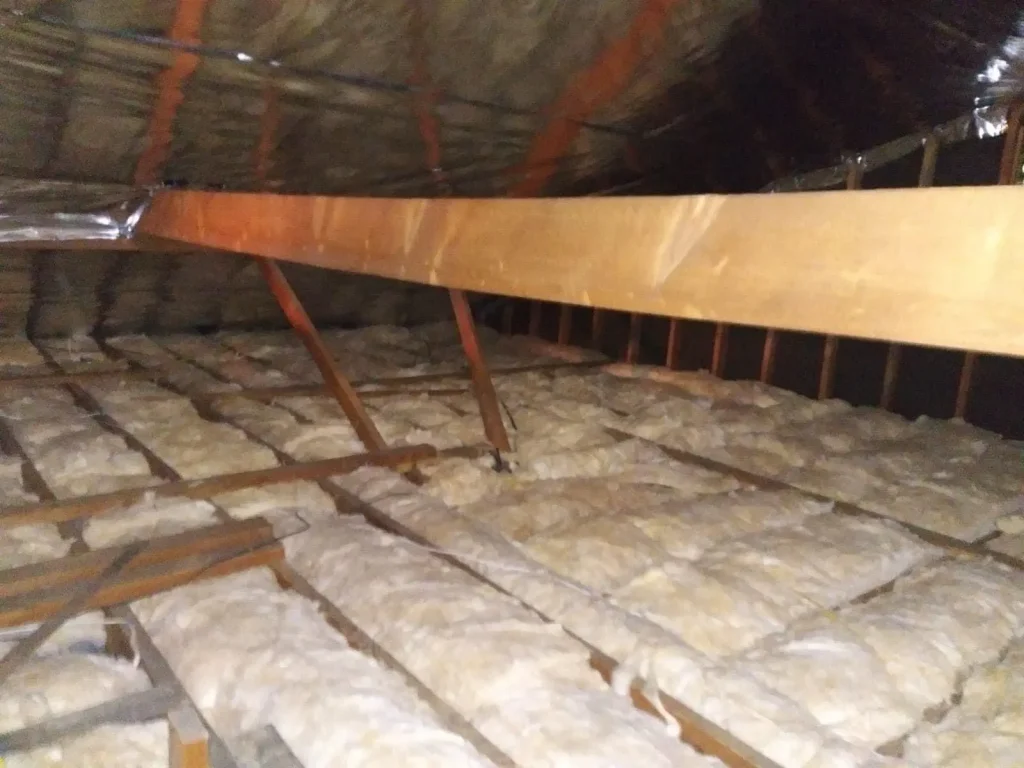
Roof color also matters less than roof assembly. A highly reflective surface over a poorly insulated, leaky attic still has a poorly insulated, leaky attic underneath it. Reflectance and insulation work on the same problem from opposite sides, and the research on roof performance consistently treats them together. If the attic has never been addressed, that is usually the larger of the two levers.
Coatings compared with a cool roof product
A reflective coating applied over an existing roof and a roofing product manufactured to be reflective are two different things that get discussed as if they were one.
A coating can raise the reflectance of a surface that is otherwise sound, and it is most at home on low-slope roofs where a fluid-applied membrane is a normal thing to have. It is not a repair. Put over a roof that is failing, it hides the condition without changing it, and it can complicate the eventual tear-off.
A cool roof product, whether tile, shingle, metal or membrane, carries its rated values as part of the product and appears in the CRRC directory under its own name. For a permitted re-roof that is usually the cleaner path, because the compliance documentation follows the product.
Either way, the decision belongs inside a wider look at the roof. Energy efficient roofing is one strand of a roof replacement decision rather than a separate project, and the honest sequencing question is whether the existing roof has enough life left to be worth coating at all.
Product ratings, the aged values and the full directory are published by the Cool Roof Rating Council, which is the source a building department is ultimately reading.
Frequently asked questions
Do cool roofs really work?
Yes, in the sense that the physics is measured rather than claimed. A cool roof reflects more solar energy and emits absorbed heat more efficiently, so the roof surface runs cooler and less heat conducts into the building. The size of the benefit varies with climate, insulation, roof assembly and whether the building is air conditioned, so a single percentage saving that applies to every house does not exist.
Are cool roofs more expensive?
Cool roofing products are usually priced alongside comparable standard products in the same material and tier rather than as a separate premium category, and the gap has narrowed as cool color pigments have become common. The larger cost variables on any re-roof are the material class, the roof size and pitch, the condition of the decking underneath, and how much tear-off is involved. Because a permitted re-roof in California often has to meet the requirement anyway, the more useful comparison is between compliant products rather than between compliant and non-compliant ones.
What are the disadvantages of using cool roof paint?
A reflective coating is a surface treatment, not a repair, so it does not fix underlying damage and can conceal a roof that needs replacing. Coatings need recoating as their reflectance degrades with weathering and soiling, they are better suited to low-slope roofs than to steep-slope residential roofs, and they depend heavily on surface preparation. A coating applied over a dirty or deteriorating surface will not bond properly or perform as rated.
How long do cool roofs last?
A cool roof lasts as long as the roofing product it is made from, so a cool tile, shingle, metal or membrane roof has the same service life range as its standard equivalent. Running cooler reduces daily thermal cycling and may extend that life. The reflective performance is the part that changes over time, which is why ratings are published both new and after three years of exposure.
Do cool roof coatings work?
A properly specified coating on a sound, well-prepared low-slope roof does raise solar reflectance and lower surface temperature. Whether it is the right choice depends on the roof underneath. On a steep-slope residential roof, or on a roof near the end of its life, a rated cool roofing product installed as part of a replacement is generally the better answer.
Is a cool roof required in California?
Often, yes. Title 24 Part 6 sets requirements for thermal emittance, three-year aged solar reflectance and Solar Reflectance Index for roofing materials in new construction and in re-roofing projects, and the specific values depend on climate zone and roof slope. Some California jurisdictions add further green building code requirements on top. Because the requirement attaches to permitted work, it usually applies to replacing an existing roof and not only to building a new one.