What HVAC Installation Involves and Why It Matters
HVAC installation is the process of sizing, placing, connecting, and commissioning a complete heating, ventilation, and air conditioning system for a residential or commercial property. It includes equipment selection based on a calculated thermal load, ductwork design or modification, electrical connections, refrigerant charging, thermostat integration, and Title 24 energy code compliance testing. According to the U.S. Department of Energy, heating and cooling account for roughly 35 percent of all energy consumption, making the quality of the installation one of the largest factors in a home’s long-term operating costs.
A bad installation does not just waste energy. It creates the problems homeowners call about for years: rooms that never reach temperature, a system that cycles on and off every few minutes, humidity that lingers through the summer, and utility bills that climb without explanation. The equipment is rarely the issue. The sizing and installation are.
Types of HVAC Systems We Install
Central Air Conditioning (Split Systems)
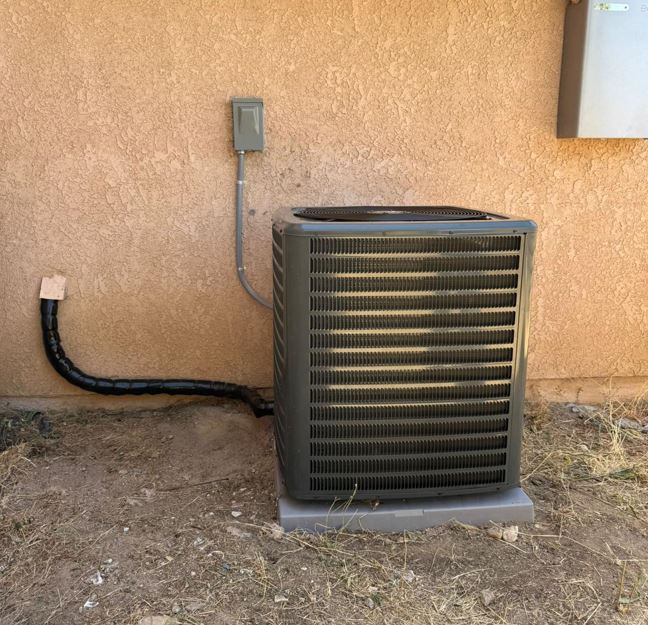
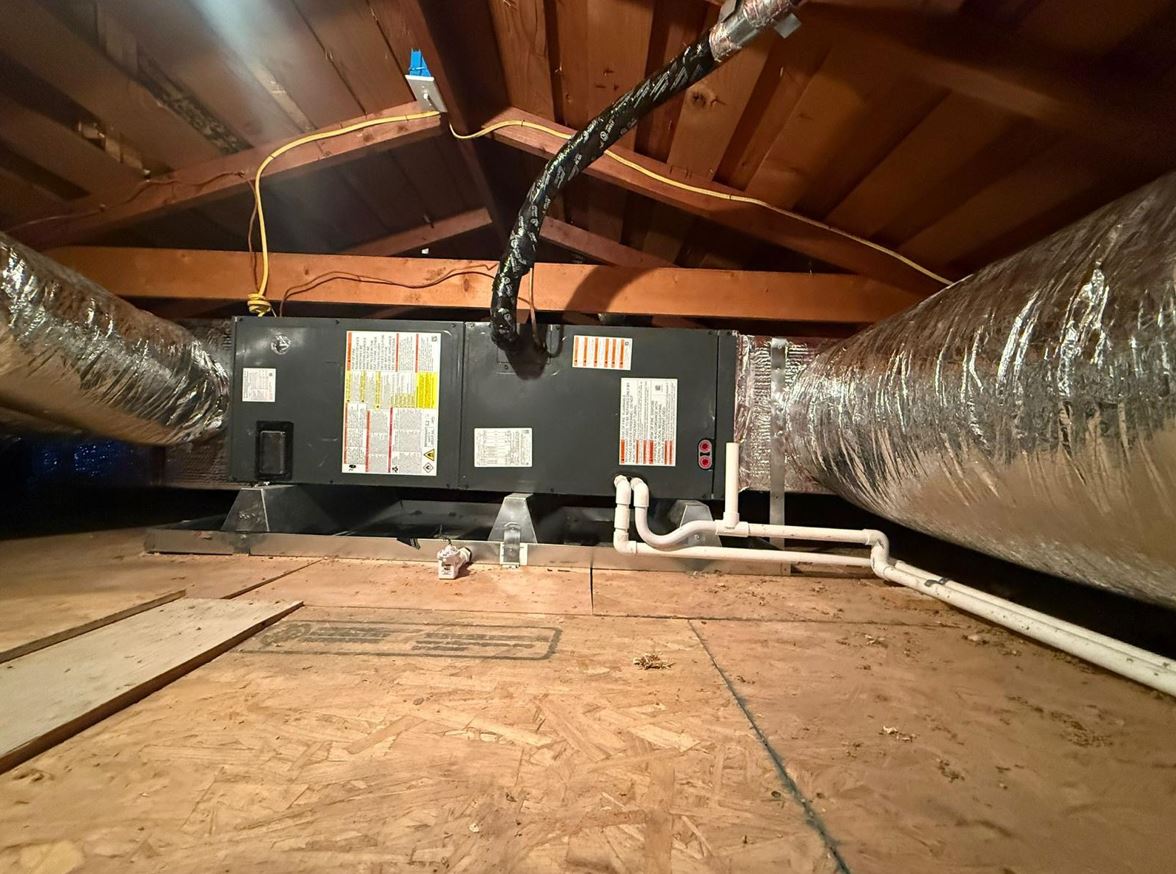
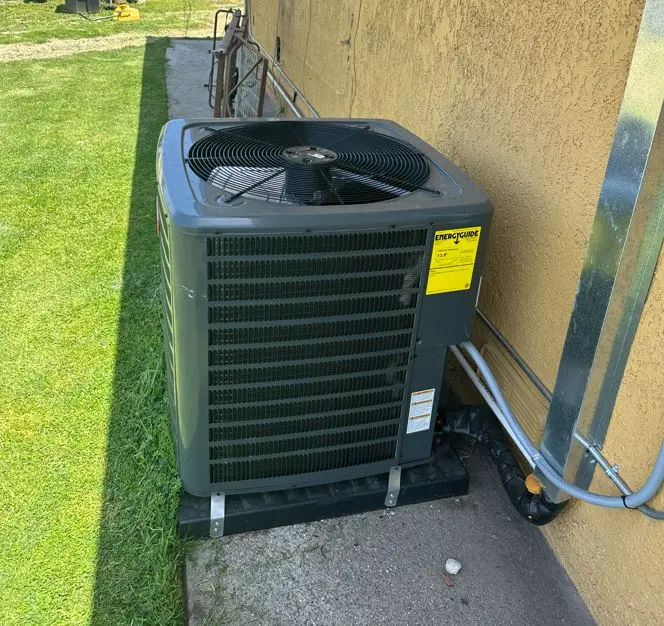
The most common residential configuration in Southern California. An outdoor condenser unit connects to an indoor evaporator coil and air handler, distributing cooled air through ductwork. Wise Choice installs split systems sized from 1.5 to 5 tons depending on your home’s calculated load. Homeowners replacing an aging system or adding central AC installation to a home that has never had it will typically use this configuration.
Heat Pump Systems
Heat pumps provide both heating and cooling from a single outdoor unit. California’s updated Title 24 energy code now treats heat pumps as the default path for new residential construction, and they are an increasingly practical choice for replacement projects in mild climates. In Southern California’s climate zones, a heat pump handles both seasons efficiently without the need for a separate gas furnace in most homes.
Ductless Mini-Split Systems
Mini-splits use individual wall-mounted or ceiling-cassette units connected to an outdoor compressor. They work well for homes without existing ductwork, room additions, converted garages, and ADU construction. Each zone is independently controlled. Wise Choice installs single-zone and multi-zone mini-split systems depending on the layout and the load calculation results.
Packaged HVAC Units
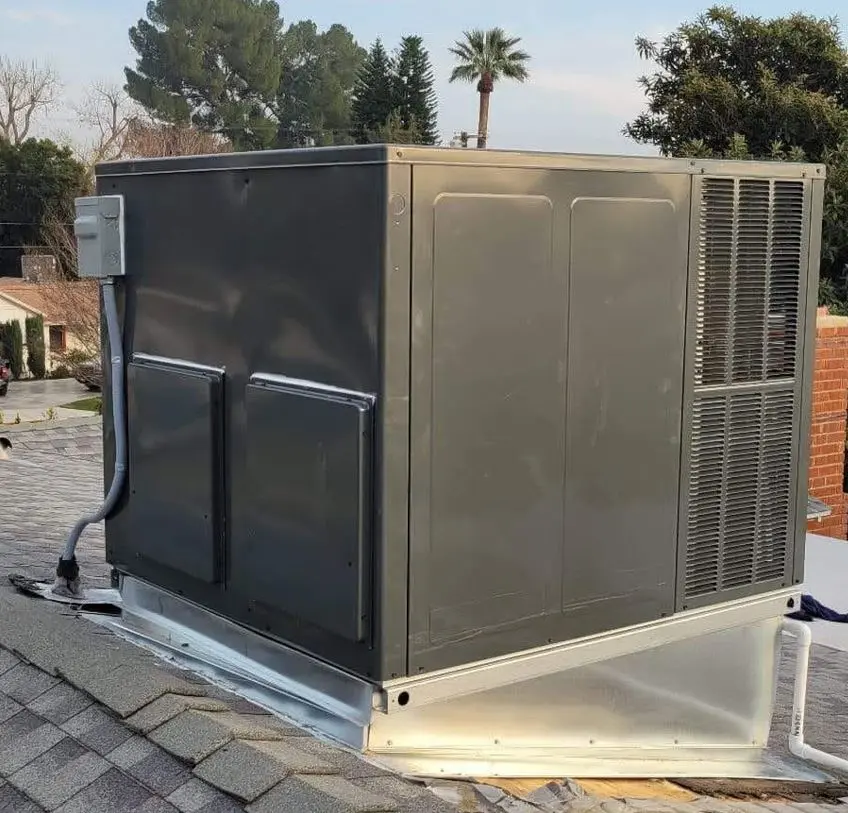
A packaged unit combines heating and cooling components into a single cabinet installed on a concrete pad outside the home or on the roof. Common in manufactured homes, smaller single-story houses, and properties with limited interior mechanical space. All connections, including ductwork, run from the unit through the exterior wall or roof penetration.
Furnace and Air Handler Replacements
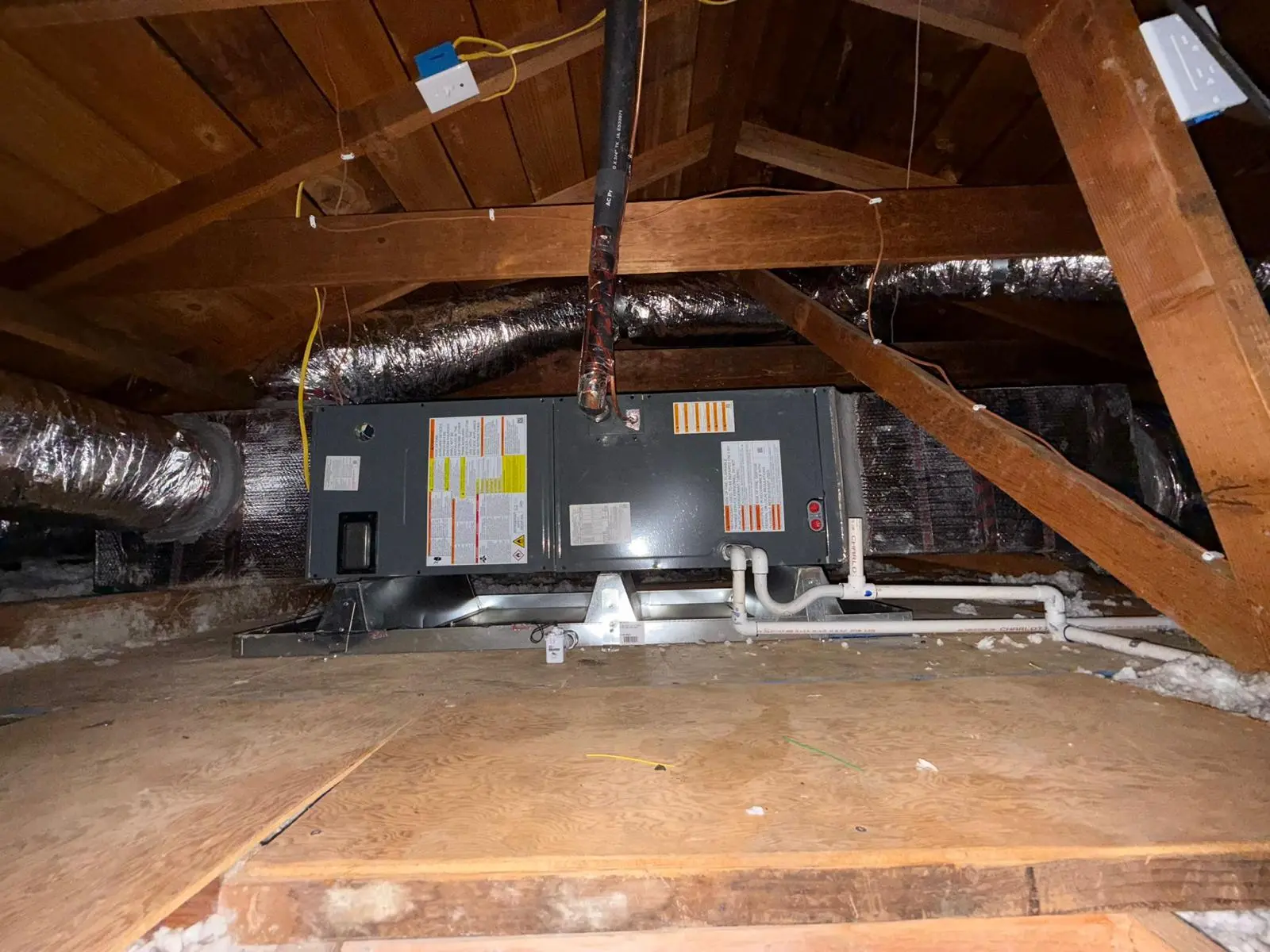
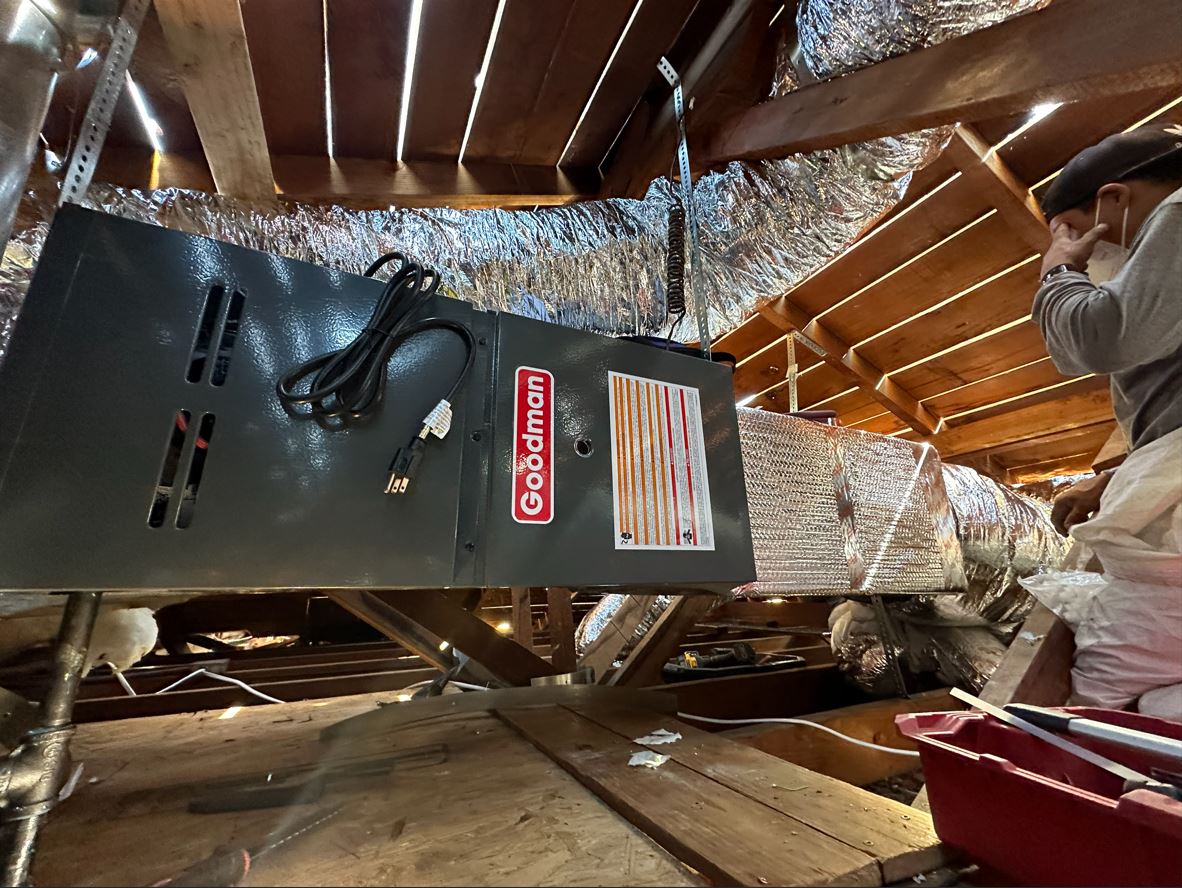
When only the heating side or the air distribution component has failed, a targeted replacement avoids the cost of a full system swap. Wise Choice evaluates whether the existing condenser, coil, and ductwork can support a new furnace or air handler before recommending this path. Mismatched components reduce efficiency and void some manufacturers’ warranties, so compatibility testing is included in the estimate.
Signs Your HVAC System Needs to Be Replaced
Not every comfort problem requires a new system. But certain patterns point clearly toward replacement rather than continued repair.
If your system is older than 15 years, uses R-22 refrigerant (which is no longer manufactured), runs constantly without reaching the thermostat set point, produces noticeably different temperatures from room to room, or has required two or more major component repairs in the last 18 months, replacement is almost certainly the more cost-effective path. A free on-site evaluation confirms where you stand.
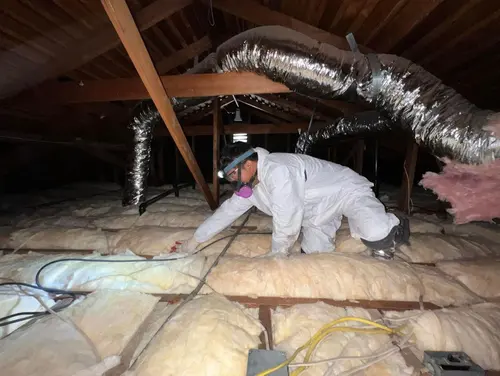
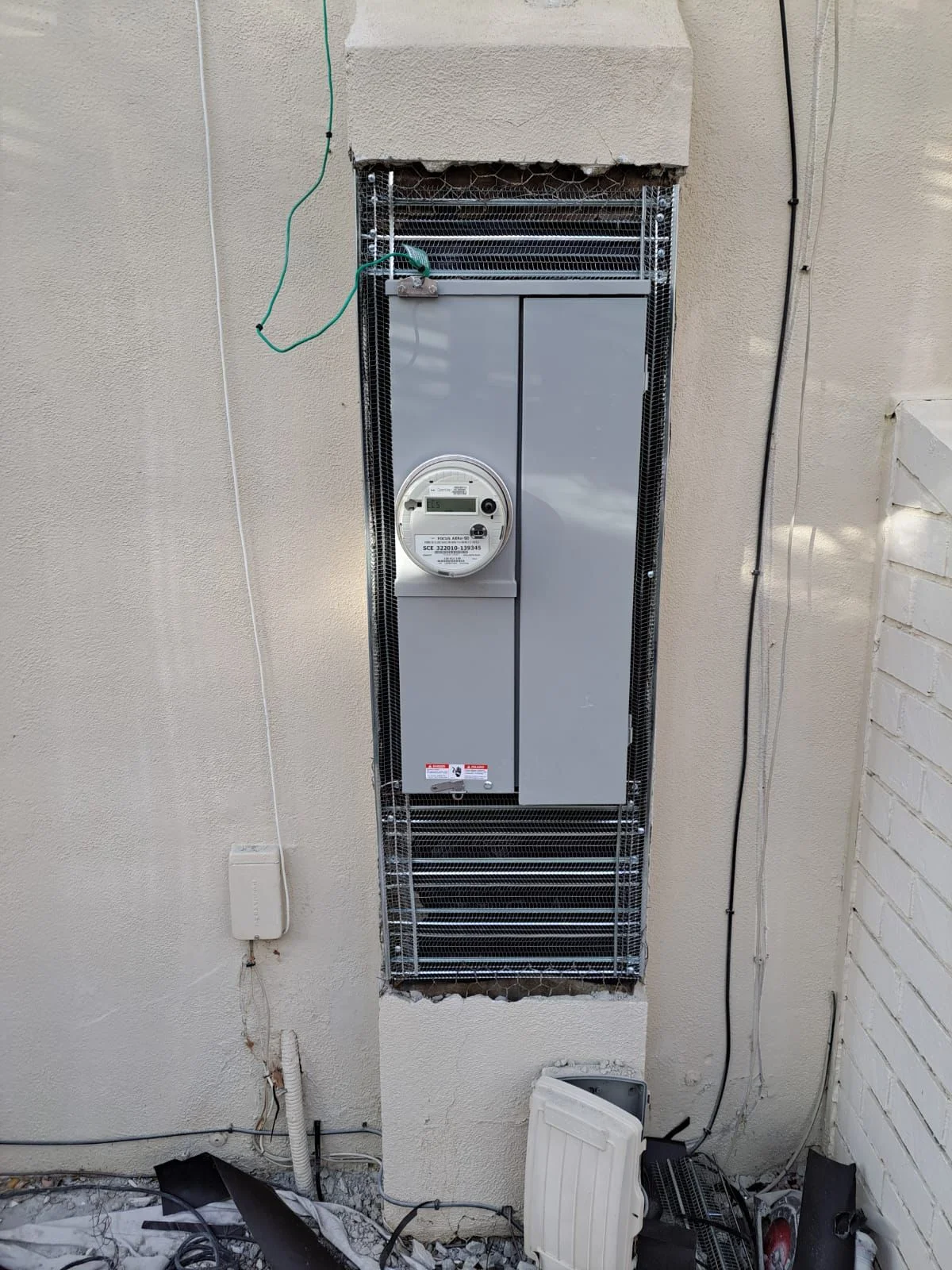
Here is a real example of what drives a replacement decision. A 1968 ranch-style home in the San Fernando Valley with a gravity wall furnace and no air conditioning. The homeowner had been using portable window units for cooling for over a decade. The attic had R-11 insulation and no ductwork at all. The electrical panel was a 100-amp Federal Pacific unit. That project required a Manual J load calculation, a complete duct system designed and installed through the attic, an electrical panel upgrade to 200 amps, attic insulation brought up to R-38, and a 3-ton split-system heat pump. Five trades coordinated under one contract, one permit set, and one warranty. That is why HVAC installation in older Southern California homes is a general contracting project, not just a mechanical swap.
Why Proper Sizing Decides Everything
The number one installation mistake in the HVAC industry is oversizing. A contractor walks through the house, estimates square footage, and selects a system one or two sizes larger than necessary to be safe. The result is a system that short-cycles: it blasts cold air for a few minutes, hits the thermostat set point before the air has circulated, shuts off, and restarts minutes later. Short-cycling wastes 15 to 30 percent more energy than a properly sized system. It fails to remove humidity. It wears out the compressor years before its rated lifespan. And it leaves the homeowner wondering why a brand-new system performs worse than the old one.
The fix is a Manual J load calculation. It is the ACCA-approved, ANSI-recognized standard for residential heating and cooling load calculations. It accounts for room dimensions, window area by orientation, insulation R-values, air infiltration rates, ceiling height, and your specific California climate zone. The result is a BTU load number that tells the installer exactly what capacity the home needs. Wise Choice performs this calculation on every project, regardless of scope.
Our HVAC Installation Process
Step 1: On-Site Evaluation and Manual J Load Calculation
A project manager visits your home for 60 to 90 minutes. During that visit, they inspect your existing system (if one exists), measure every room, assess ductwork condition, check the electrical panel capacity, and note insulation levels. The Manual J calculation runs while on site. You receive a written estimate that covers equipment make and model, the complete scope of work, permit requirements, projected timeline, and financing options.
Step 2: Permit Filing and Title 24 Documentation
Wise Choice files the mechanical permit with the local building department. In the City of Los Angeles, that is LADBS. Outside the city limits, permits are filed with the applicable county building department. The CF-1R energy compliance form documents that the proposed system meets current Title 24 efficiency and performance standards. Equipment is ordered once permits are approved.
Step 3: Installation
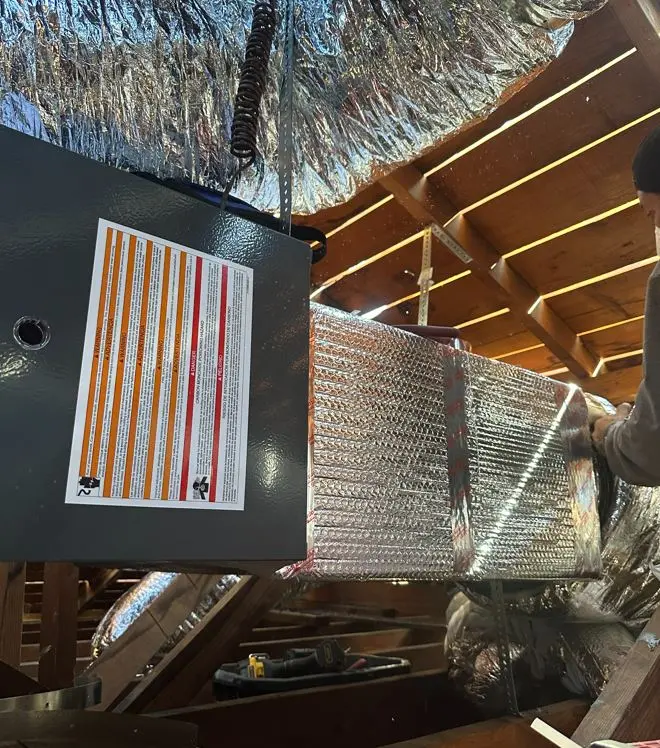
Work begins on the scheduled date. The crew sets the outdoor unit, installs or connects the indoor components, runs refrigerant lines, wires the electrical connections, and seals every duct joint. If the project includes new ductwork, each run is insulated to a minimum of R-6 and sealed to meet the current 5 percent maximum duct leakage standard. Drop cloths protect interior surfaces. All packaging, old equipment, and construction debris are removed at the end of each workday. Your property is left clean.
Step 4: Inspection, HERS Testing, and Closeout
Wise Choice schedules the building department inspection. A certified HERS rater performs the duct leakage and airflow verification test required under Title 24. After both pass, you receive your signed permit card, the HERS verification report, manufacturer warranty registration, and equipment manuals. The project manager walks you through thermostat operation, filter schedules, and how to reach Wise Choice if any issue arises during the warranty period.
What Drives the Scope, Timeline, and Material Choices
Every HVAC installation is different because every home is different. The variables that determine scope include the size of the home, the condition of existing ductwork (or whether ductwork exists at all), the capacity of the electrical panel, the insulation levels in the attic and walls, the number of stories, roof access, and whether any structural modifications are needed to route duct runs.
Timeline is driven by permit processing time, equipment lead time, and the complexity of the installation. A full HVAC replacement on a home with existing ductwork in good condition may take one to two days of on-site work. A first-time installation that requires new ductwork, an electrical panel upgrade, and insulation work may take three to five days.
Material choices are determined by the load calculation, the home’s configuration, and the homeowner’s priorities. Wise Choice presents the options and explains the tradeoffs during the estimate visit. The written estimate details exactly what is included so there are no surprises on installation day.
Permits and California Requirements
California requires a mechanical permit for every HVAC installation and replacement. There is no exception for like-for-like swaps. In the City of Los Angeles, LADBS issues the permit and conducts the final inspection. Outside city limits, the county building department handles permits.
The 2025 Title 24 energy code, effective January 1, 2026, sets the current requirements. Residential HVAC systems must meet a minimum of 15.2 SEER2 for central air conditioners and heat pumps. Duct leakage must test at or below 5 percent of total system airflow. All supply and return ducts must be insulated to at least R-6. A HERS rater must verify duct leakage, airflow, and refrigerant charge on every new and replacement installation.
Wise Choice handles every step of the permit and compliance process. You receive the filed permit, the CF-1R energy compliance form, the HERS verification report, and the signed inspection card at project closeout. These documents are your proof of a code-compliant installation, and they matter if you ever sell the home or file an insurance claim.
Financing
Wise Choice offers financing with $0 down options for qualified homeowners. A full HVAC system replacement is a significant investment, and financing makes it possible to install the right system now rather than patching an aging one that costs more to run every month. Ask about current programs and terms during your free estimate visit.
HVAC Installation Across Southern California
Wise Choice Remodeling installs residential HVAC systems across all five service counties. Homeowners in Burbank, Pasadena, Long Beach, Anaheim, Riverside, and Ontario share a common challenge: housing stock built before modern energy codes, running on equipment that was oversized when it was new and is now approaching the end of its useful life. Whether the home sits in a valley climate zone where summer afternoons exceed 100 degrees or in a coastal zone where mild temperatures demand a different equipment strategy entirely, the load calculation drives the equipment selection, and the installation is built around the specific conditions of that house.
Why Choose Wise Choice Remodeling for HVAC Installation
Over 15 Years of Combined Experience
The Wise Choice team has over 15 years of combined experience across HVAC installation projects in Southern California. That means familiarity with every common home layout, duct configuration, and permit requirement across the region.
Licensed and Insured General Contractor
HVAC installation in older homes almost always involves more than one trade. A licensed general contractor manages the full scope, including electrical, structural, and insulation work, under one contract. You deal with one point of contact for the whole scope.
2-Year Workmanship Warranty
Every Wise Choice HVAC installation is backed by a 2-year workmanship warranty. It covers every component installed during the project: equipment connections, ductwork joints, refrigerant lines, electrical work, and thermostat wiring. If any installation-related issue appears within two years, Wise Choice returns to correct it at no additional cost. Manufacturer warranties on the equipment itself are separate and typically run 5 to 10 years.
320+ Reviews at 4.8 Stars
Wise Choice Remodeling holds 320+ reviews at 4.8 stars. That rating reflects consistent execution across hundreds of projects, not a handful of cherry-picked testimonials.
The Estimate is Honest
The written estimate Wise Choice provides is the price you pay. No hidden fees. No surprise change orders. No pressure to decide on the spot. If anything changes during the project because of an unforeseen condition behind a wall or above a ceiling, you are informed and approve the change before any additional work begins.
Schedule Your Free HVAC Installation Estimate
Wise Choice Remodeling has over 15 years of combined experience installing heating and cooling systems across Southern California. If your system is aging, underperforming, or nonexistent, the first step is a free on-site evaluation and Manual J load calculation. Call (818) 483-8055 or schedule your estimate online to get started.