NOAA’s Climate Prediction Center gives a greater than 90% chance of a very strong El Niño this fall and winter, and California declared a statewide state of emergency on September 21 to prepare for it. For a Los Angeles homeowner, preparing means four things before the rain starts: get water off the roof and away from the house, clear the drains the property depends on, keep sandbags on hand and know how to place them, and check whether the house sits below a slope or a burn area.
Most of that is inexpensive, and nearly all of it is easier in October than in the middle of a storm. Here is what the forecast does and does not tell you, and what to do about it.
What the forecast says, and what it does not
In its September 10, 2026 update, the Climate Prediction Center put the chance of a historic event, stronger than any El Niño since 1950, at 75% for October through December. It also said the chances of typical El Niño impacts are larger with an event this strong, “though not guaranteed.” Los Angeles’s own record shows why that caveat matters.
| Winter | El Niño peak (NOAA Oceanic Niño Index) | Downtown LA rain, July to June | Compared with the 14.25-inch normal |
|---|---|---|---|
| 1982-83 | +2.14°C | 31.25 inches | About 2.2 times normal |
| 1997-98 | +2.37°C | 31.01 inches | About 2.2 times normal |
| 2015-16 | +2.59°C | 9.65 inches | About two-thirds of normal |
| 2023-24 | +1.99°C | 25.19 inches | About 1.8 times normal |
The first three are the only El Niño events since 1950 to reach +2.0°C on NOAA’s Oceanic Niño Index (ONI). Two of them roughly doubled Los Angeles’s rainfall, and the strongest of them left the city drier than normal. Nobody can say in September which kind of winter this will be, which is why preparing is the sensible response: the work costs little if the rain never comes, and a great deal less than the damage if it does.
Before the first storm: a checklist for the house
| Where | What to do | Why it matters |
|---|---|---|
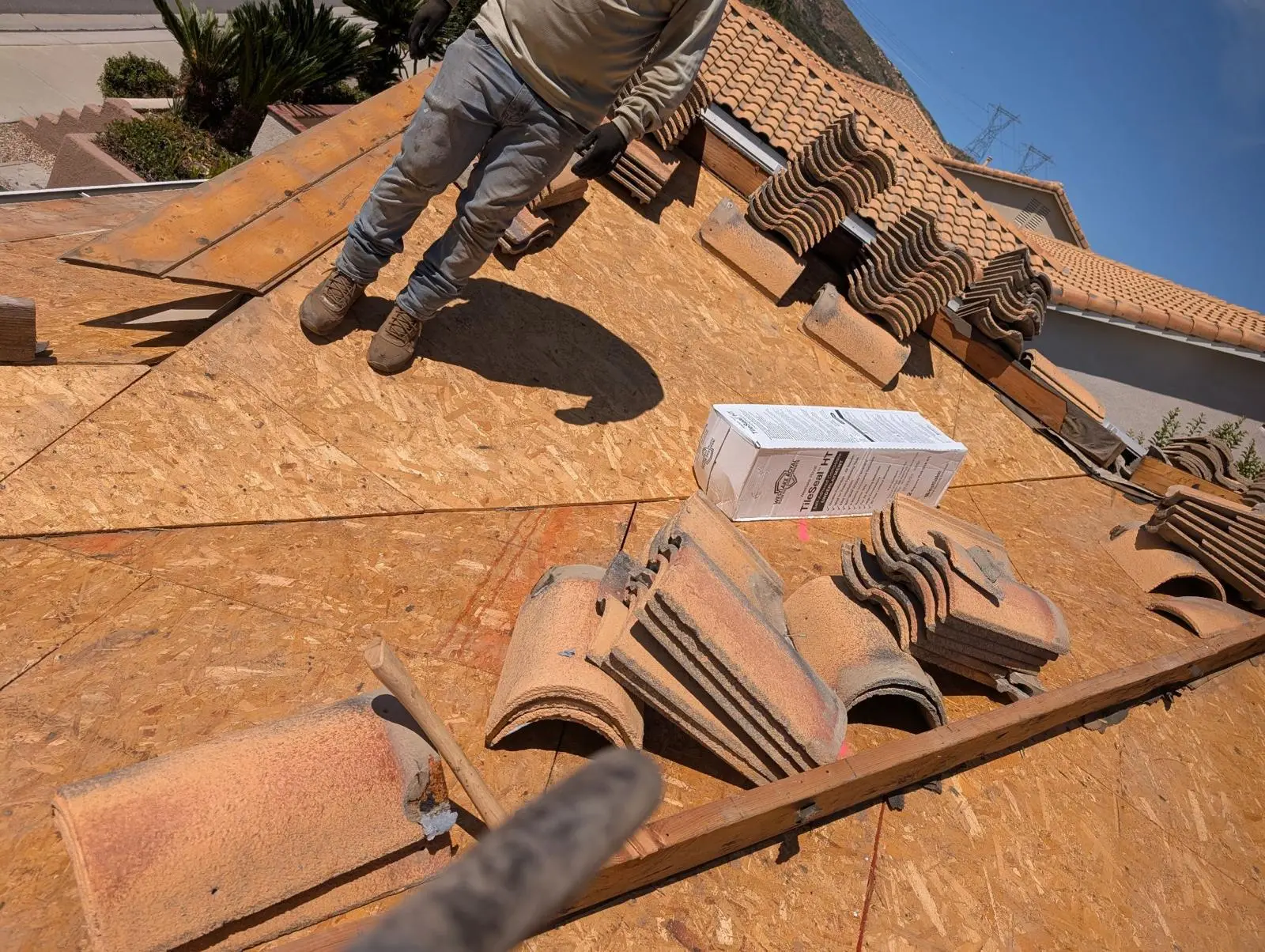
| Roof | Look for cracked, slipped or missing shingles and tiles, and for worn flashing at chimneys, vents and wall joints | Leaks that go unnoticed in a dry year show up in a wet one |
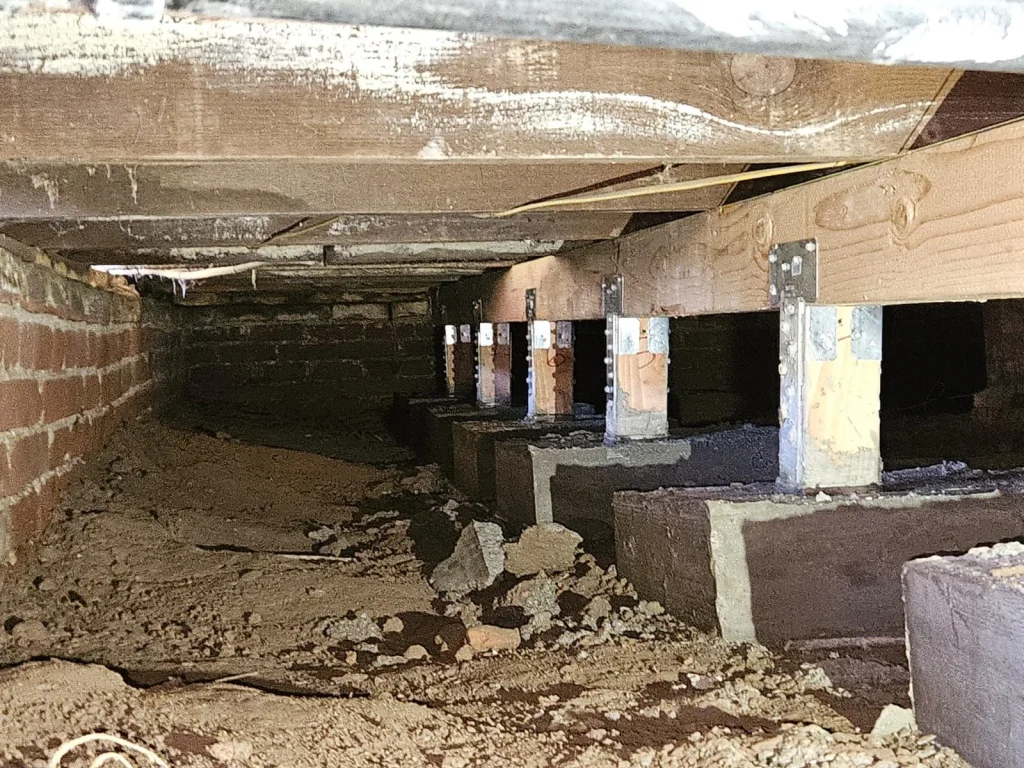
| Gutters and downspouts | Clear them, and make sure each downspout discharges away from the foundation | Roof water dumped at the base of a wall collects against the foundation |
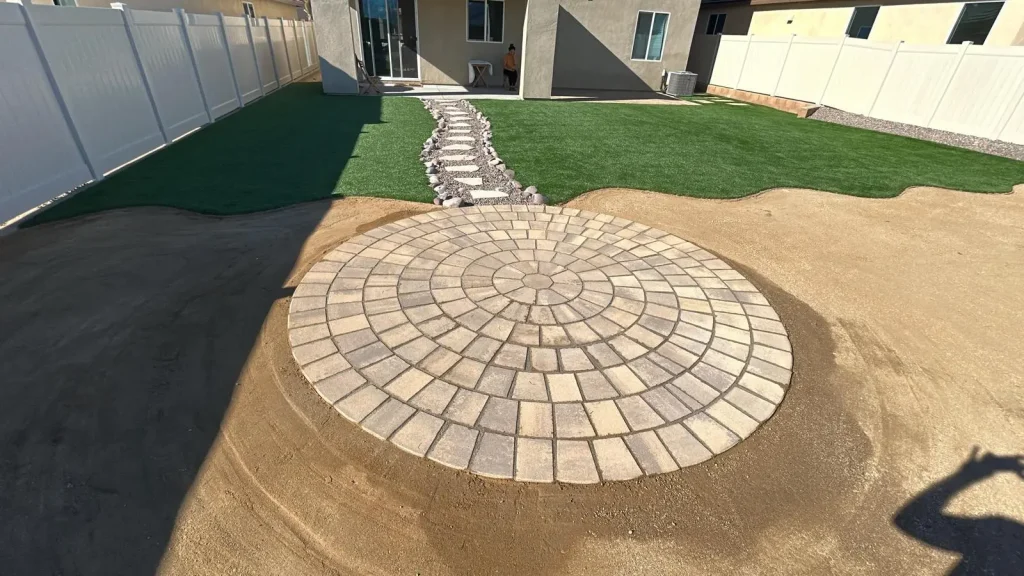
| Side yards | Keep the drainage swales along the sides of the house clear, with the flow line at least 24 inches from the wall | LA County’s homeowner guide warns that patios, walks and decks placed in side swales without other drainage can cause ponding and foundation damage |
| Yard drains and grates | Clear litter, silt and leaves from grates, basins and outlets | A clogged grate turns a drain into a pond |
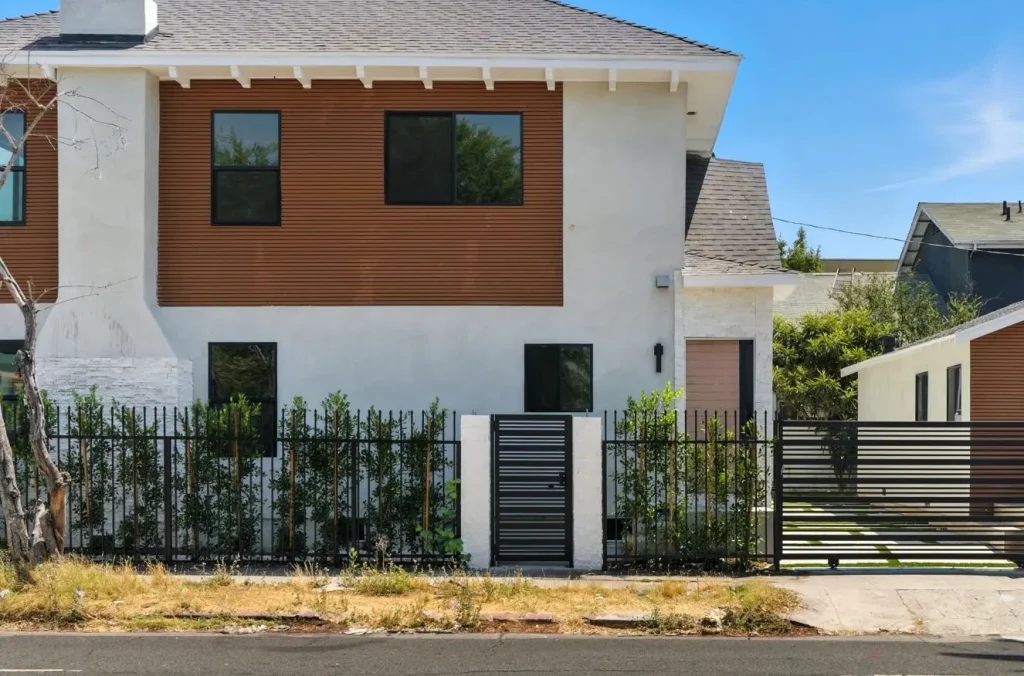
| Base of stucco walls | Pull soil, mulch and planters back so the weep screed at the bottom of the wall is exposed | Code places it at least 4 inches above soil so water inside the wall can drain out; buried, it traps water in the wall |
| Hillside drains | Clear terrace and bench drains of debris and growth | The County guide says maintaining these drains is, with few exceptions, the homeowner’s responsibility, and blocked ones erode slopes |
| Trees | Have dead or weak branches over the roof and power lines removed | Storms bring down weak limbs, onto the roof or the lines |
Before digging a ditch or driving a stake anywhere on the property, call Dig Alert at 811 at least two to three working days ahead so underground gas, electric and water lines are marked. The County guide also advises against changing slopes or drainage without a licensed civil engineer, and notes that it is unlawful to divert water from its natural path onto a neighbor’s property.
Sandbags: where to get them and how to place them
In the City of Los Angeles, every neighborhood fire station gives out free ready-to-fill sandbags year-round, up to 25 per household, and free sand is offered at select locations as seasonal conditions warrant. The fire department cannot fill, deliver or place them, and asks residents to call ahead because supplies can run out. Outside the city, Los Angeles County Public Works lists County fire stations with sandbags on its sandbag locator.
| Step | How the County says to do it |
|---|---|
| Fill | Fill each bag about half full. Sand is best, but clean local soil works |
| Place | Fold the top down and rest the bag on the fold, with the folded end facing uphill so running water does not open it |
| Stack | Complete each layer before starting the next, and keep to two layers unless the bags are backed by a building or stacked in a pyramid |
| Purpose | Use sandbags to divert water and debris away from the house, not to dam it |
| Doors | At a door or sliding door, put a plastic sheet 2 to 3 mils thick between the door and the sandbags. The County does not recommend this for water deeper than 2 feet |
| Escape | When building any barrier, leave yourself a way out of the house |
The guide is also plain about the limits: sandbags alone will not seal out water, and straw or hay bales are no substitute. If a garage or other low area floods repeatedly, it recommends a sump pump, and notes that installing one may require a permit.
If you live below a slope or a burn area
The County’s guide says debris flows are most severe in areas stripped of vegetation by recent fire, and cautions that slope drains are built to carry water, not debris flows from burned hills. Los Angeles County Public Works publishes a postfire debris flow hazard map, takes online requests for a mudflow engineering evaluation of properties affected by a recent wildfire, and answers questions at (800) 933-0930. If the property is anywhere near a burn scar, check the map now, and plan your route out of the neighborhood before the first storm.
Check your insurance before the rain, not during it
Standard homeowners policies and flood insurance are separate. According to FEMA’s FloodSmart program, a new flood insurance policy takes effect 30 days after purchase in most cases, with a few exceptions FEMA lists, so a policy bought when a storm is already forecast will usually not cover it. The County guide adds that flood insurance generally does not cover damage to yards, earthwork and outdoor equipment. What your policy covers is a question for your insurer, and October is the time to ask it.
Where a contractor comes in
Most of the checklist above is homeowner work. The County guide says changes to drainage and slopes belong with state-licensed professionals, and the same goes for a roof that is already leaking or a wall that is already letting water in. We handle roof repair, foundation drainage correction, foundation waterproofing and stucco repair across Los Angeles, and the best time to book that work is before the storms, while the ground is dry.