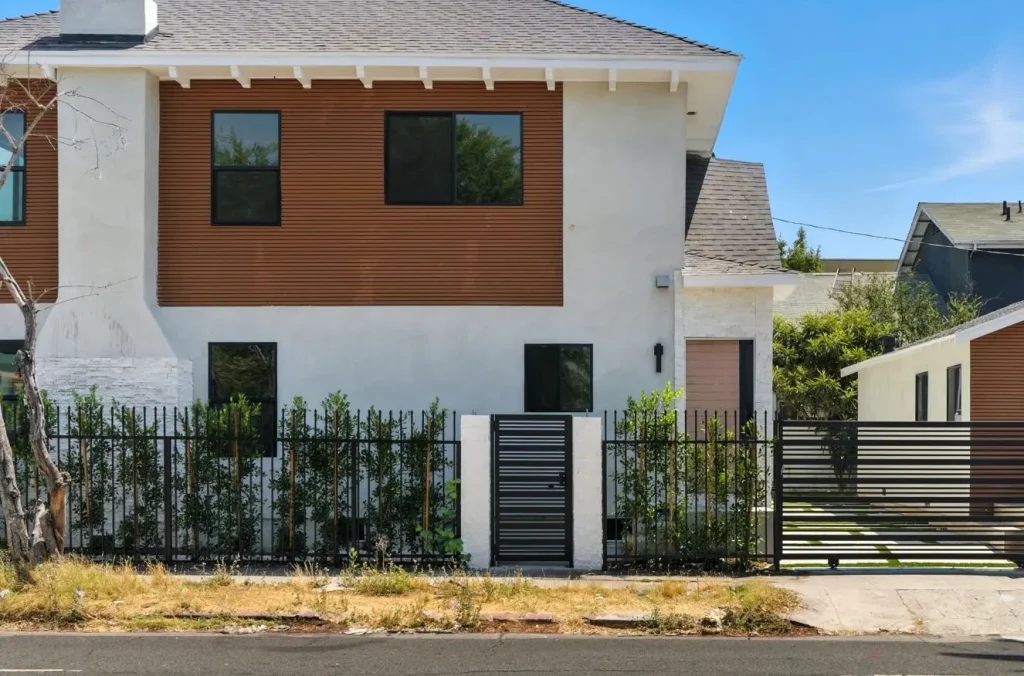
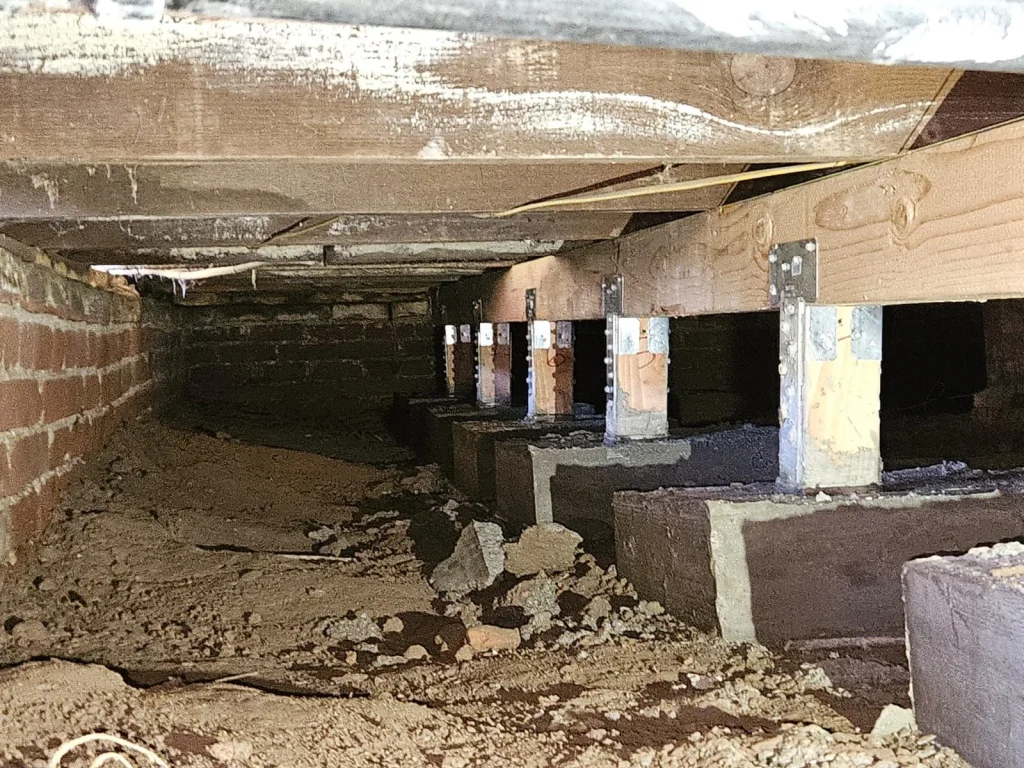
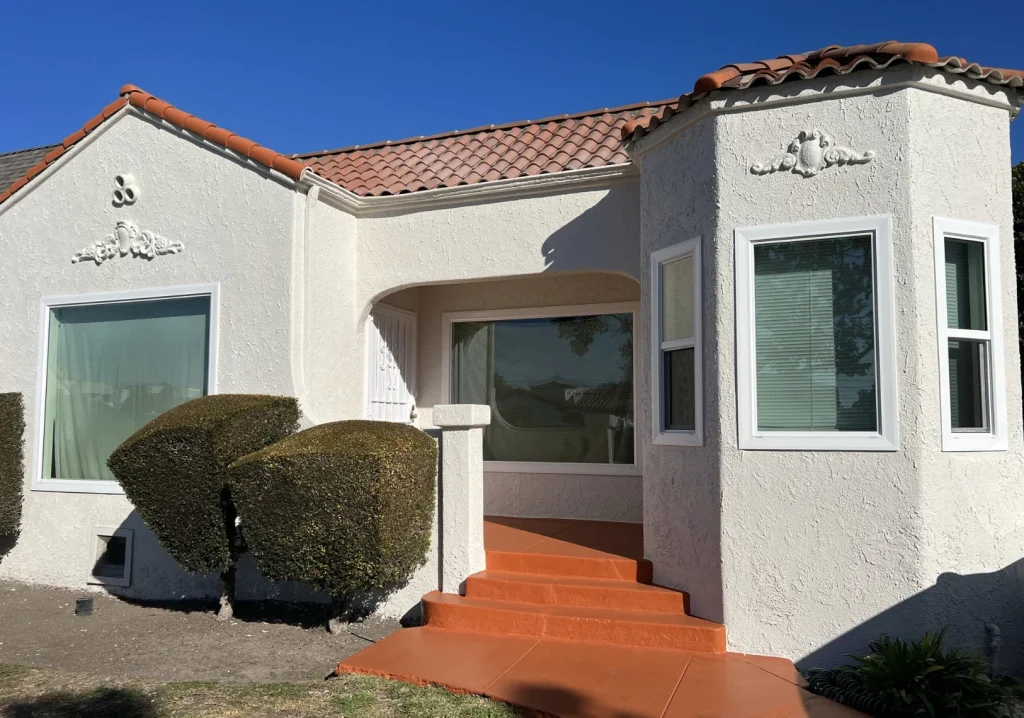
In California, what a homeowner can do without a permit depends on the city or county, because each one sets its own list. In unincorporated Los Angeles County, painting, tile, cabinets and countertops (where disabled access requirements do not apply), a shed up to 120 square feet and a fence up to 6 feet need no building permit. The City of Los Angeles works differently: it has no shed exemption, but it exempts work valued at $2,500 or less as long as the work does not affect the building’s structure or public safety.
Either way, a job that needs no building permit can still need an electrical, plumbing or mechanical permit, and an exempt project still has to meet the building code and zoning rules. This guide sets the two Los Angeles lists side by side and covers what happens to unpermitted work when the house is sold.
First, which list applies to you
The list that matters is the one for the agency that issues permits for your parcel. The City of Los Angeles Department of Building and Safety (LADBS) covers the city itself, including neighborhoods such as Hollywood, Encino and Van Nuys. Los Angeles County Building and Safety covers unincorporated areas and the cities that contract with the county for building services. Independent cities such as Santa Monica, Burbank and Pasadena keep their own lists.
Building permits: the City and County lists side by side
| Project | City of Los Angeles | Los Angeles County |
|---|---|---|
| Small projects by value | No permit for work valued at $2,500 or less, unless it affects structural stability or public safety, is done to comply with a Department order, or changes the use or occupancy | No value-based exemption |
| Storage shed or playhouse | No size-based exemption | No permit if one story, 120 square feet or less, 12 feet tall or less, with roof overhang of 24 inches or less |
| Masonry or concrete fence | No permit up to 3 1/2 feet high | No permit up to 6 feet high, set back from public ways at least as far as the fence is tall |
| Wood, vinyl or other fence (not a pool barrier) | No permit up to 10 feet high | No permit up to 6 feet high |
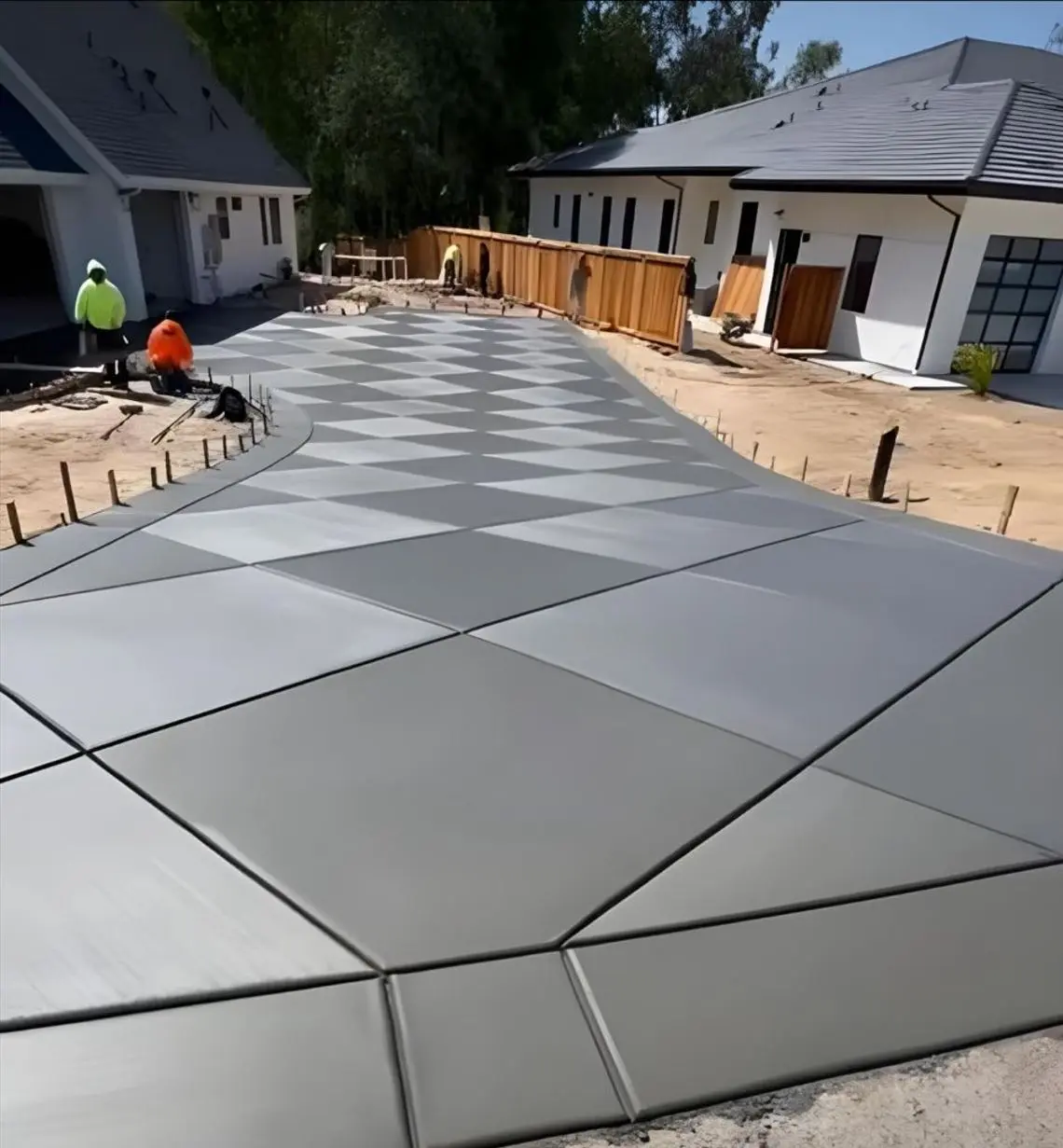
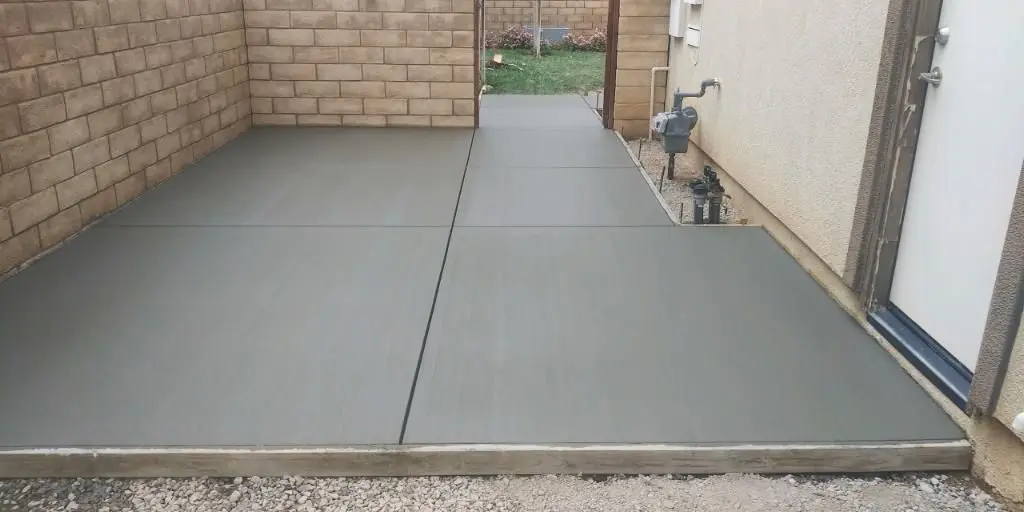
| Deck, walk or driveway | No permit if 30 inches or less above grade and not over a basement or story below | No permit if 30 inches or less above grade, not over a basement or story below, and not part of an accessible route |
| Small pool | No permit if 24 inches deep or less and 250 square feet or less | No permit for a prefabricated pool under 18 inches deep, or up to 5,000 gallons installed entirely above ground. Pool fences, gates and alarms still need a permit |
| Awning attached to the house | No permit if it projects 4 feet or less, outside Fire District No. 1 | No permit if supported by the wall and projecting 54 inches or less |
| Painting and wallpaper | No permit | No permit |
| Tile, carpet, cabinets and countertops | Not named. The code exempts painting, papering “and similar work” and work valued at $2,500 or less; confirm with LADBS whether your finish work qualifies | No permit, where disabled access requirements do not apply |
Sources: Los Angeles Municipal Code 91.106.2, amended effective December 31, 2025, and Los Angeles County, Work Exempt from Permits.
So the common question about a 10 by 12 foot shed has two answers. At 120 square feet it fits the County’s exemption if it meets the height and overhang limits. In the City of Los Angeles there is no shed exemption, so it needs a permit unless its value is $2,500 or less and it meets the rule’s other conditions.
Electrical, plumbing and mechanical work
A building-permit exemption does not cover the trades. Each has its own short list of work that needs no permit.
| Work | City of Los Angeles | Los Angeles County |
|---|---|---|
| Replacing a light fixture with a like-in-kind fixture | No permit, in a single-family home | Replacing lamps and sockets is exempt; replacing a whole fixture is not listed |
| Replacing a switch or receptacle | No permit to repair the working parts of a switch or to reinstall a receptacle, but the outlet itself is not exempt | No permit to replace switches and receptacles |
| Replacing a breaker or fuse | No permit for the same rating in the same location | No permit for the same type and rating |
| Replacing a fixed appliance on a circuit up to 20 amps and 240 volts | No permit for the same type and rating in the same location | Not listed |
| Fixing a leaking drain or clearing a stoppage | Check with LADBS | No permit, as long as no pipe, trap, valve or fixture is replaced or rearranged |
| Portable heaters, portable fans and portable cooling units | No electrical permit for portable appliances that plug in with a cord | No permit |
One City rule catches homeowners in older houses: the electrical exemptions do not apply to replacing a device that was originally installed without a required permit, or one that is part of a hazardous or illegal wiring system (LAMC 93.0202).
Exempt is not the same as unregulated
Both codes say the same thing in different words: an exemption from a permit is not permission to do the work in violation of the code or any other law. The County adds that zoning rules still apply. A fence can be permit-exempt and still exceed the height zoning allows in a front yard, and a shed can be permit-exempt and still sit too close to a property line.
For a bathroom, the rules and the two LADBS permit routes are covered in do I need a permit to remodel a bathroom in Los Angeles.
Who can do the work
| Who | What the law allows |
|---|---|
| The homeowner, as an owner-builder | Can build or improve on their own property, doing the work personally or with employees paid wages, when none of the improvements are intended or offered for sale (Business and Professions Code 7044). Selling within a year of completion creates a legal presumption that the work was done for sale |
| An unlicensed handyman | Limited to a project under $1,000 in total that needs no building permit and is not part of a larger project, and only if they do not present themselves to the public as a contractor or use helpers (Business and Professions Code 7048, as amended effective January 1, 2026) |
| A licensed contractor | Pulls the permit under their own license |
What happens to unpermitted work when you sell
California’s Real Estate Transfer Disclosure Statement, set out in Civil Code 1102.6, asks the seller directly whether they are aware of “room additions, structural modifications, or other alterations or repairs made without necessary permits.” So work that needed a permit and did not get one has to be disclosed if the seller knows about it. Work that was genuinely exempt does not.
How we handle it
On every home remodeling project, we determine at the estimate visit which parts of the scope need a building permit and which need trade permits, pull them, and coordinate the inspections. For the final word on a specific address, the building department that covers it is the authority.