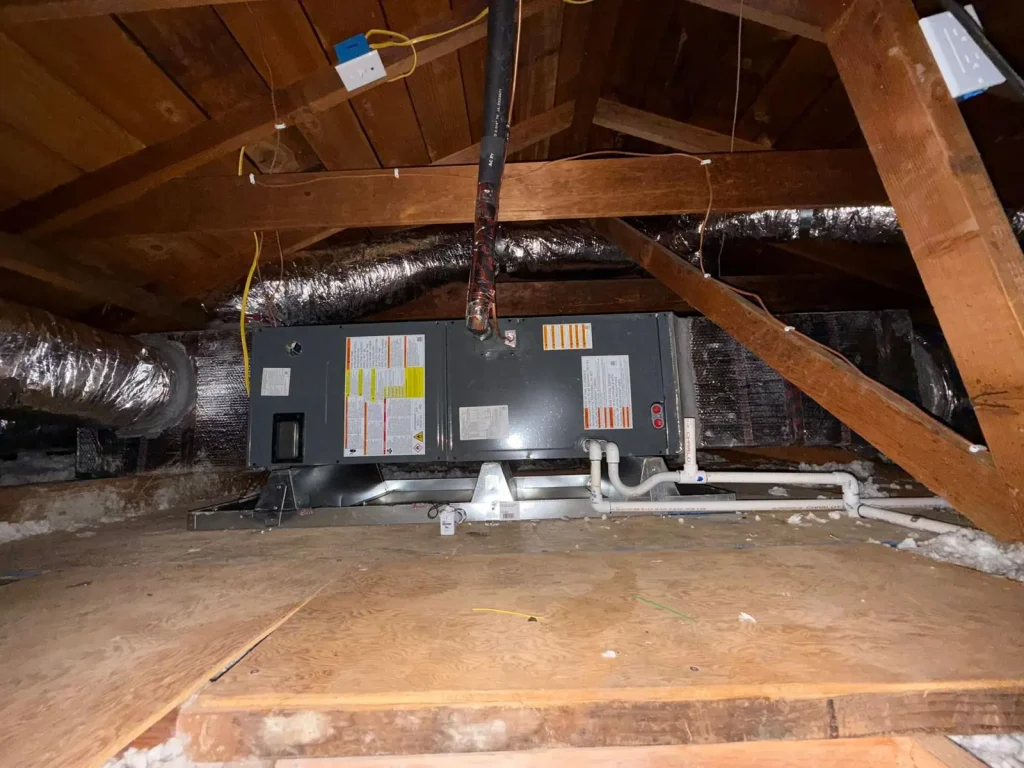
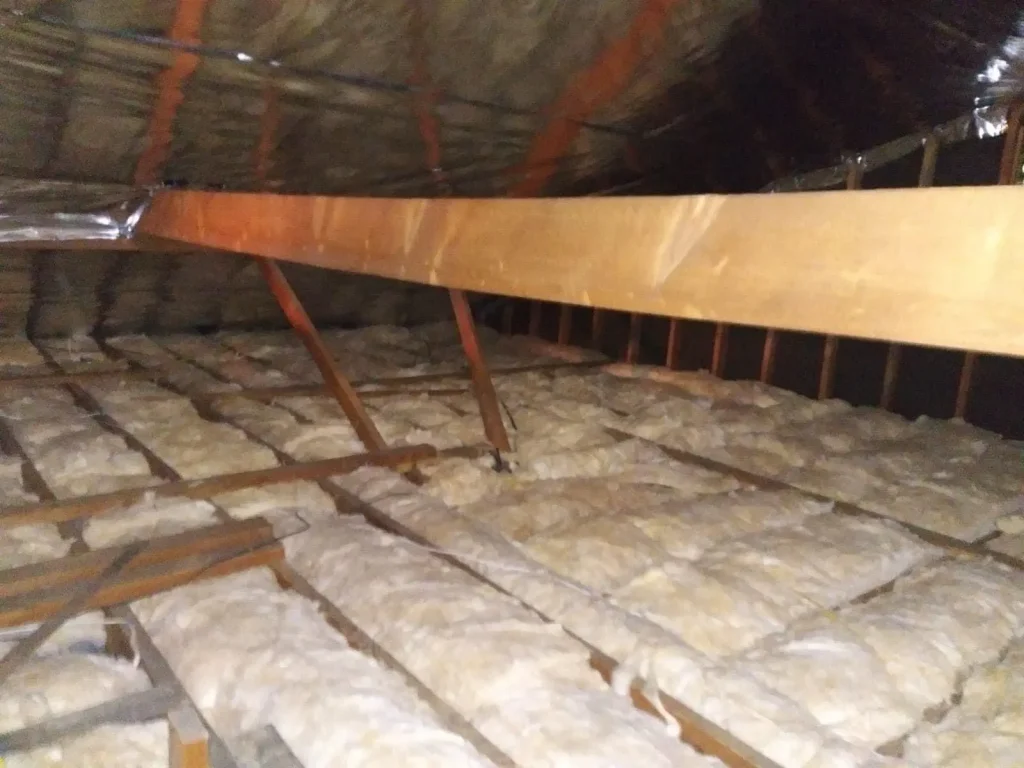
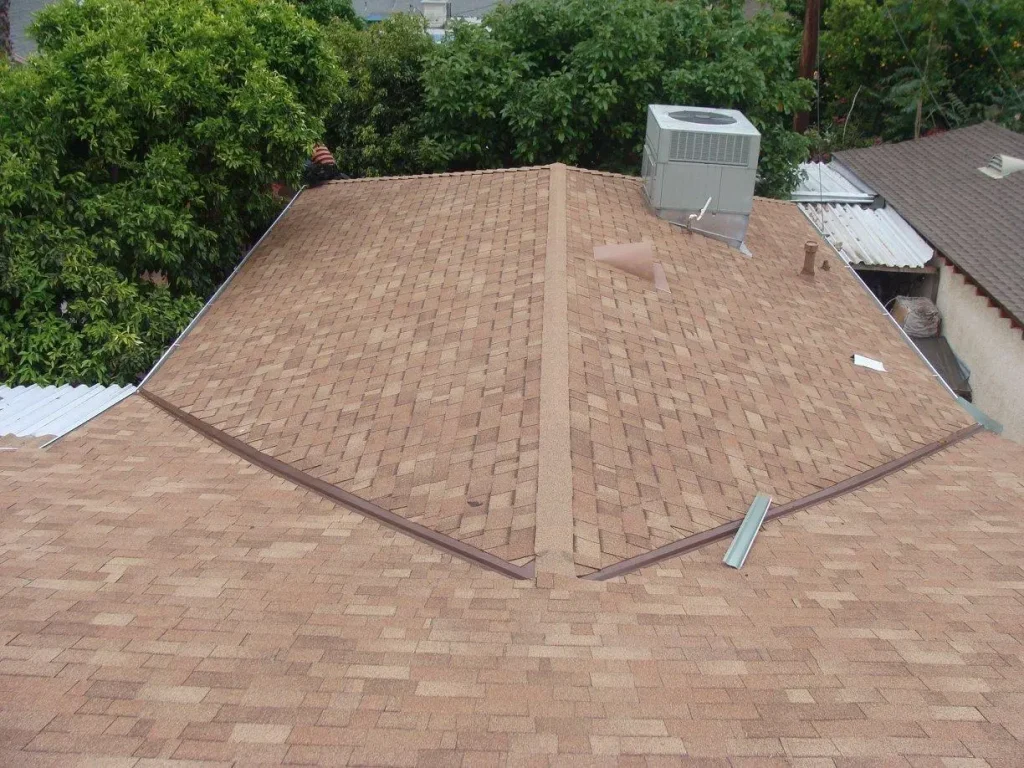
There is no single R-value that answers this, and that is the reason you will find R-30, R-38, R-49 and R-60 all presented as the correct number for a Southern California attic. The requirement depends on your climate zone, on whether the work is new construction or an alteration, and on which compliance path the project takes. Getting the right figure means knowing which of those you are in, not finding a better article.
What follows is how to find your number, and why the ones online contradict each other.
Why the numbers you are reading disagree
Search this question and you will get at least four different answers on the first page. They are not all wrong. They are answering different questions.
Some quote federal recommendations, which are guidance rather than a requirement. Some quote the California prescriptive requirement for newly built homes. Some quote a general range across the whole state, which spans desert, coast and mountains. At least one page ranking on a Southern California search is written for the Sacramento Valley, several hundred miles away and in a different climate zone.
The most common error is subtler. Several sources describe Title 24 as recommending a range. It does not recommend. It sets requirements, and the requirement that applies to your project may not be the one being quoted.
The three things that decide your number
Your climate zone comes first. California is divided into sixteen building climate zones, and Southern California contains several of them. A coastal property and an inland valley property a short drive apart can sit in different zones with different requirements. This is the single largest reason a statewide range is useless to an individual homeowner.
New construction and alterations are then governed by different sections of the Energy Code. Prescriptive requirements for newly constructed homes are in Title 24 Part 6, Section 150.1(c), with the values in Table 150.1-A. Adding or replacing insulation in an existing attic is an alteration, and alterations sit in Section 150.2(b). Most articles quote the new-construction table because it is easier to find.
The compliance path decides the rest. The prescriptive path means meeting the published requirement item by item. The performance path allows a compliance model to trade one improvement against another, so a project can fall short on ceiling insulation and still comply if something else compensates. That is a legitimate route, and it means a single required number does not exist for every project.
Even the prescriptive path has two answers
This catches people who go looking for the table expecting one row.
The prescriptive requirements offer two packages, Option A and Option B, and they carry different ceiling insulation requirements. Option B requires insulation below the roof deck in climate zones 4 and 8 through 16, which covers most of this region. Radiant barrier requirements also vary by option and by zone.
So a contractor and an article can both be quoting the code accurately and give you different figures, because they are quoting different options. When someone gives you a number, the useful follow-up is which option and which climate zone it comes from.
What matters as much as the number
An R-value describes the material. It does not describe what you get once the material is in your attic.
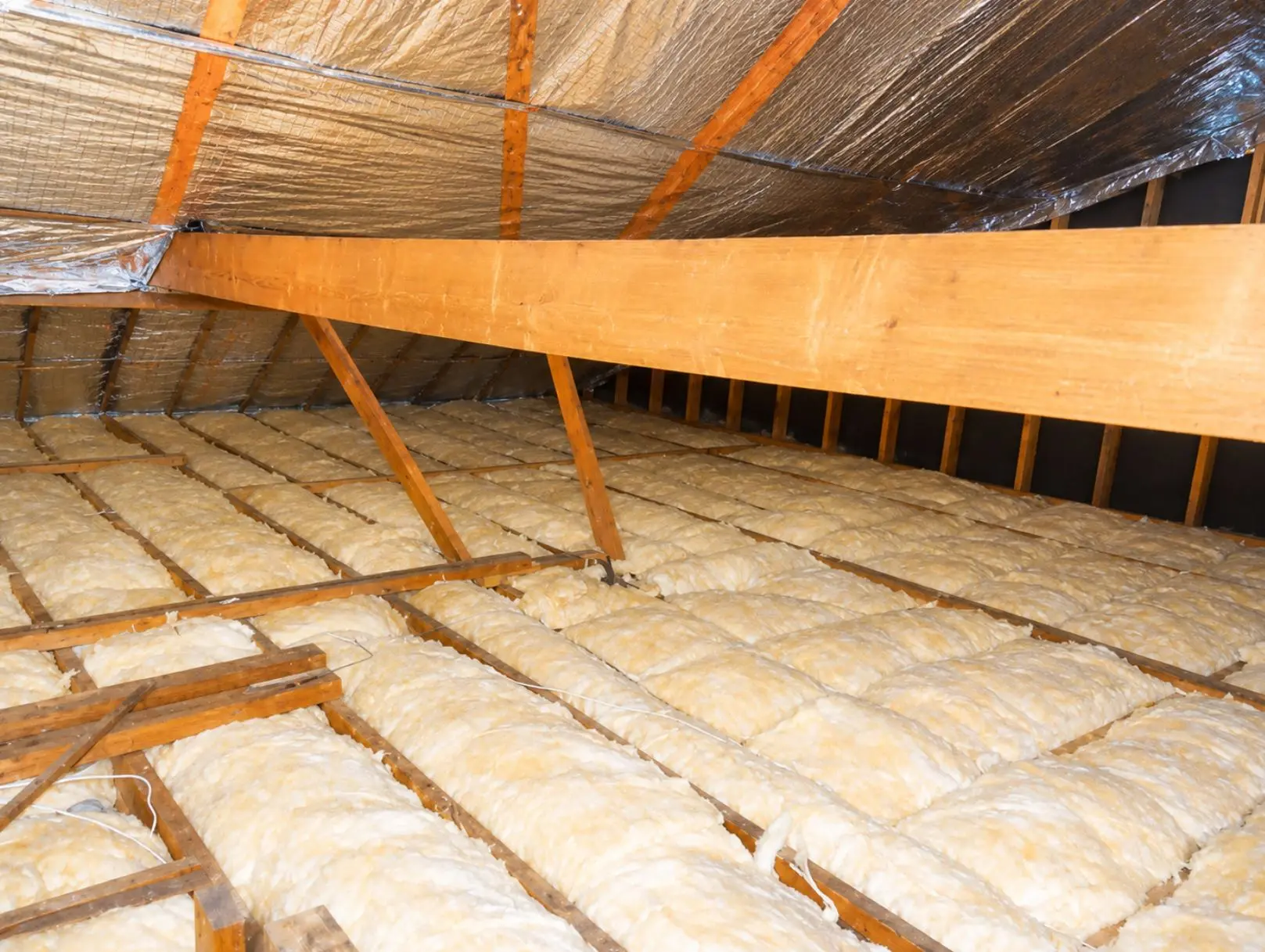
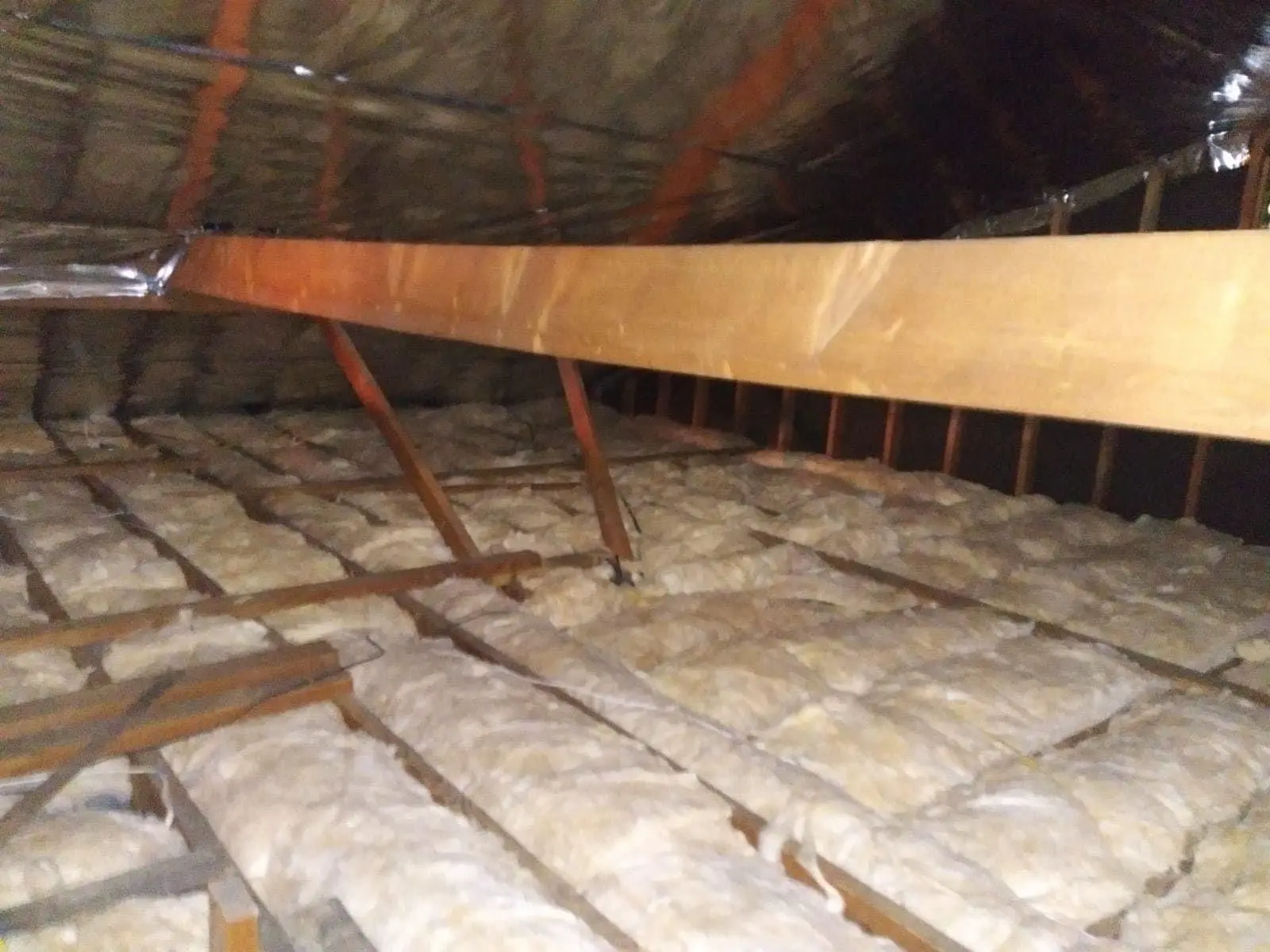
Insulation only performs at its rated value when it is installed without gaps, without compression, and in full contact with the surface it is insulating. Batts cut short around framing, compressed under stored boxes, or laid over an uneven surface deliver less than the number on the package. Blown-in material settles, so the installed depth and the settled depth are different things.
Coverage matters more than most homeowners expect. A small percentage of an attic left uninsulated degrades the whole assembly out of proportion to its area, because heat takes the easy path. This is why the code has a defined quality of installation measure at all, rather than simply naming a number.
And insulation does not stop air. It slows conduction. Air moving through gaps carries heat past the insulation entirely, which is why sealing the penetrations comes before adding depth. Insulating over unsealed gaps buys less than the R-value suggests, and it makes the gaps harder to reach later. That sequencing is covered under air sealing, and it is worth resolving before anyone specifies a target.
Why the target is higher here than the climate suggests
Mild winters mislead people into thinking insulation matters less in this region. The load runs the other way.
A vented attic under a sunlit roof gets far hotter than the outside air, and it stays hot into the evening. The ceiling below it is the surface separating that from your living space, for most of the year rather than a few months. Insulation at the ceiling plane is doing the largest single job in a cooling-dominated climate, which is why the requirements here are not the low numbers a mild winter would imply.
Getting your actual number
Find your climate zone first, since nothing else can be answered without it. Establish whether the work is an alteration, which it is for almost every existing home. Then read the requirement in the section that applies, or have whoever is pulling the permit tell you which option and which path they are using.
The standards, the climate zone maps and the compliance manuals are published by the California Energy Commission. The wider question of how the Energy Code applies to a remodel is covered in what Title 24 requires, and the practical side of measuring existing depth and coverage sits with attic insulation work itself.
Frequently asked questions
What is the recommended R-value for an attic in California?
There is no single figure. Requirements are set by climate zone, and California has sixteen. They also differ between new construction, which follows Title 24 Part 6 Section 150.1(c) and Table 150.1-A, and alterations to existing homes, which follow Section 150.2(b). The prescriptive path offers two options with different ceiling requirements, and the performance path allows trade-offs. Published ranges of R-30 to R-60 reflect that spread rather than a recommendation.
What is the best type of attic insulation for Southern California?
All the common materials work when installed properly, and installation quality matters more than material choice. Blown-in fiberglass and cellulose cover irregular attic floors and get into awkward spaces that batts leave open, which is usually the practical advantage in a retrofit. Batts suit clean, evenly spaced joist bays. The choice is driven by the condition of the attic, the framing spacing and whether there is existing material staying in place.
Should I remove old attic insulation before adding new?
Not always. Sound, dry insulation can usually be topped up, which is cheaper and less disruptive. Removal is the right call when the existing material is wet or has been wet, when there is rodent contamination, when it is hiding knob and tube wiring that needs assessing, or when the attic floor has never been air sealed and the gaps are underneath. That last one is the most common reason, because sealing has to happen at the surface the insulation is covering.
What is the 7 and 7 rule for attics?
This refers to a rule of thumb about attic access and clearances used in some inspection contexts, not to insulation R-value, and it is not a California Energy Code requirement. It appears in this search because the phrase attaches to attics generally. If a contractor cites it as a reason for an insulation specification, ask which code section they are referring to.
Why is it hard to sell a house with spray foam insulation?
Closed-cell foam applied at the roof deck changes the attic from vented to unvented, which changes how the assembly manages moisture and makes the roof deck harder to inspect for leaks. Lenders and inspectors sometimes flag it for those reasons, particularly where the installation was not documented. Foam at the deck changes how the building manages moisture rather than just adding a thicker layer, so the documentation for it is worth keeping with the house.
Does more R-value always mean better?
No. Returns diminish as depth increases, and past a certain point the money does more work elsewhere, usually on air sealing, duct leakage or the roof assembly. Adding depth over unsealed gaps or poorly covered areas produces very little, because the weakest part of the assembly sets the result. Meeting the requirement properly is worth more than exceeding it carelessly.