What Knob-and-Tube Rewiring Involves
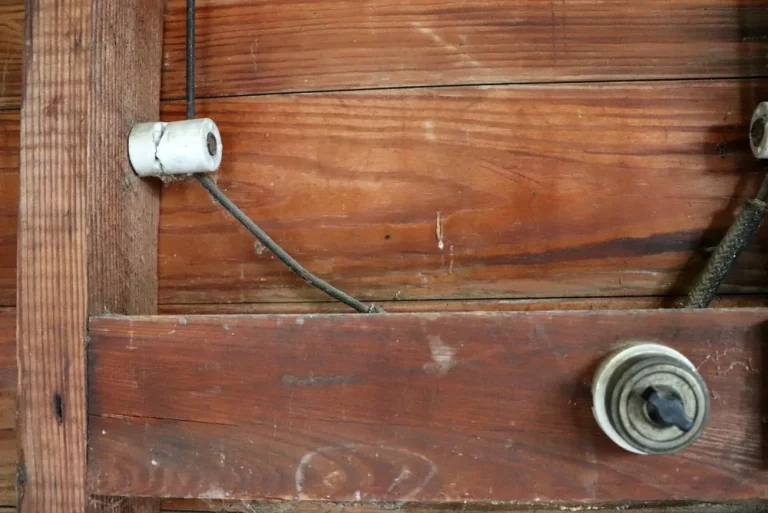
Knob-and-tube rewiring replaces the original two-wire electrical system found in homes built before roughly 1950 with modern grounded circuits. The old system is named for how it was installed: ceramic knobs holding conductors away from framing, ceramic tubes protecting them where they pass through joists, and the two conductors running separately rather than together in a cable.
It was competent work for its time and a great deal of it is still intact. The problem is what has happened around it since. There is no ground conductor, so nothing in the house has a safe path to earth. The rubber and cloth insulation becomes brittle after eighty years and crumbles where it is disturbed. The system was designed to be air-cooled, so burying it in attic insulation, which almost every home has had added since, traps heat it was never meant to hold. And decades of extensions spliced into it by successive owners are usually the least safe part of what remains.
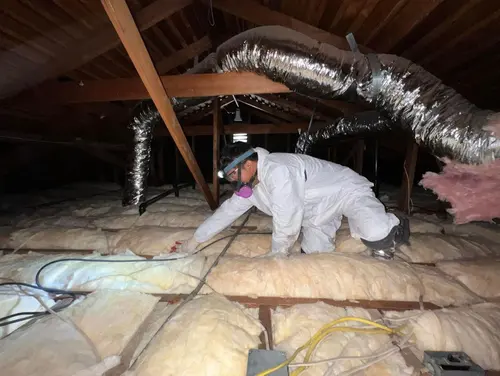
The insulation point is not a contractor opinion. The U.S. Department of Energy states in the glossary to its Weatherization Assistance Program training curricula that most states now require knob-and-tube wiring to be replaced before installing any insulation that will come into contact with it, and the program’s own field guidance for preparing an attic floor tells crews to check for live knob-and-tube and either dam it off or replace it with modern wiring before insulating.
Why Insurers Care
For most homeowners the trigger is not a flicker or a smell, it is a letter. Carriers commonly decline to write or renew a policy on a home with active knob-and-tube, or require its removal as a condition. That makes the timeline external and often short, and it makes the documentation matter as much as the work: what your insurer needs at the end is a permit and a final inspection sign-off confirming the wiring was replaced.
What We Handle
Full Knob-and-Tube Removal and Replacement
Every active knob-and-tube circuit replaced with modern grounded cable, back to a panel that can carry it.
Partial Replacement With Documented Isolation
Where a portion of the system is genuinely inaccessible, the accessible portion is replaced and the remainder is disconnected and documented as dead rather than left energised.
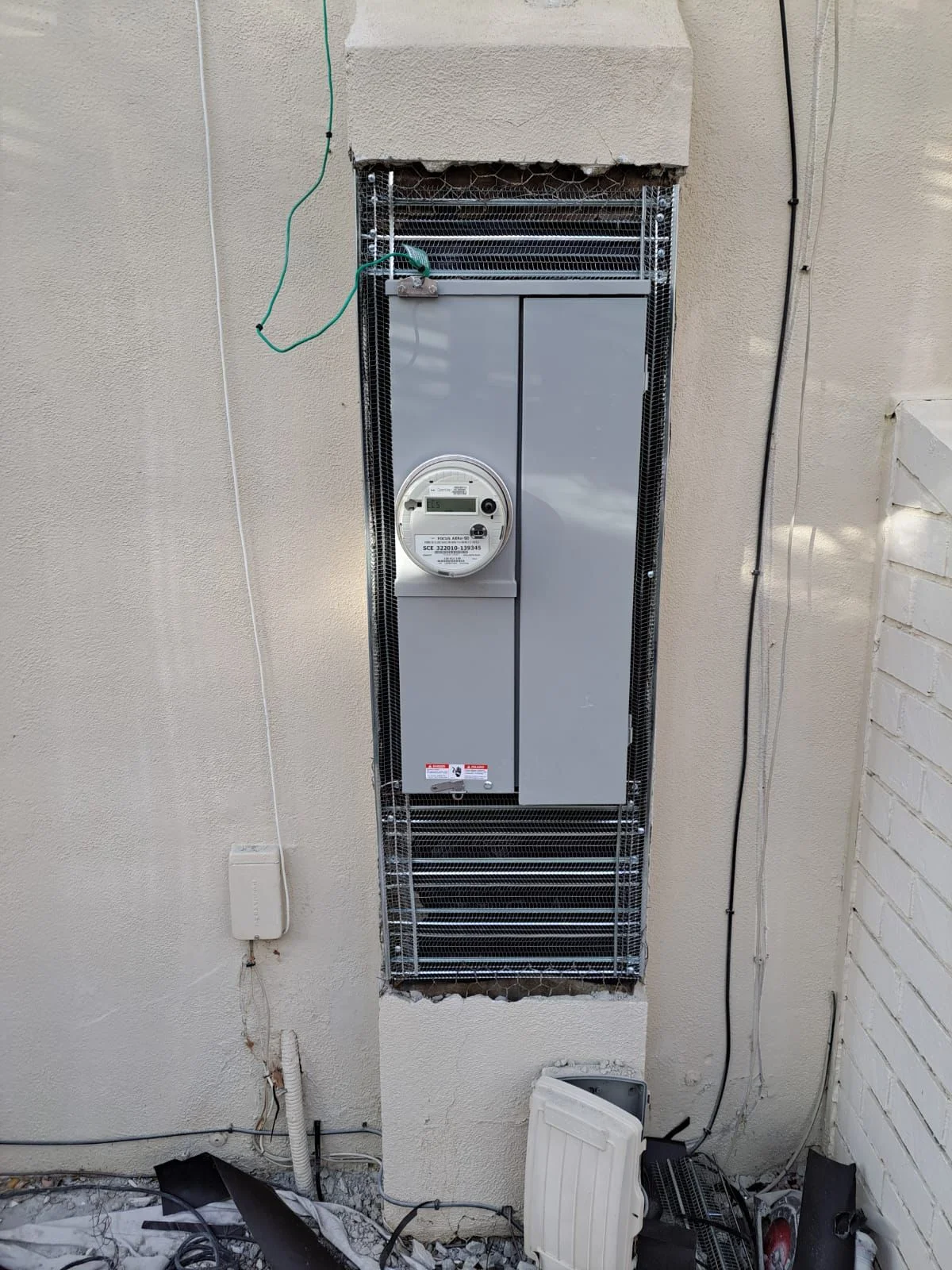
Panel Replacement Alongside
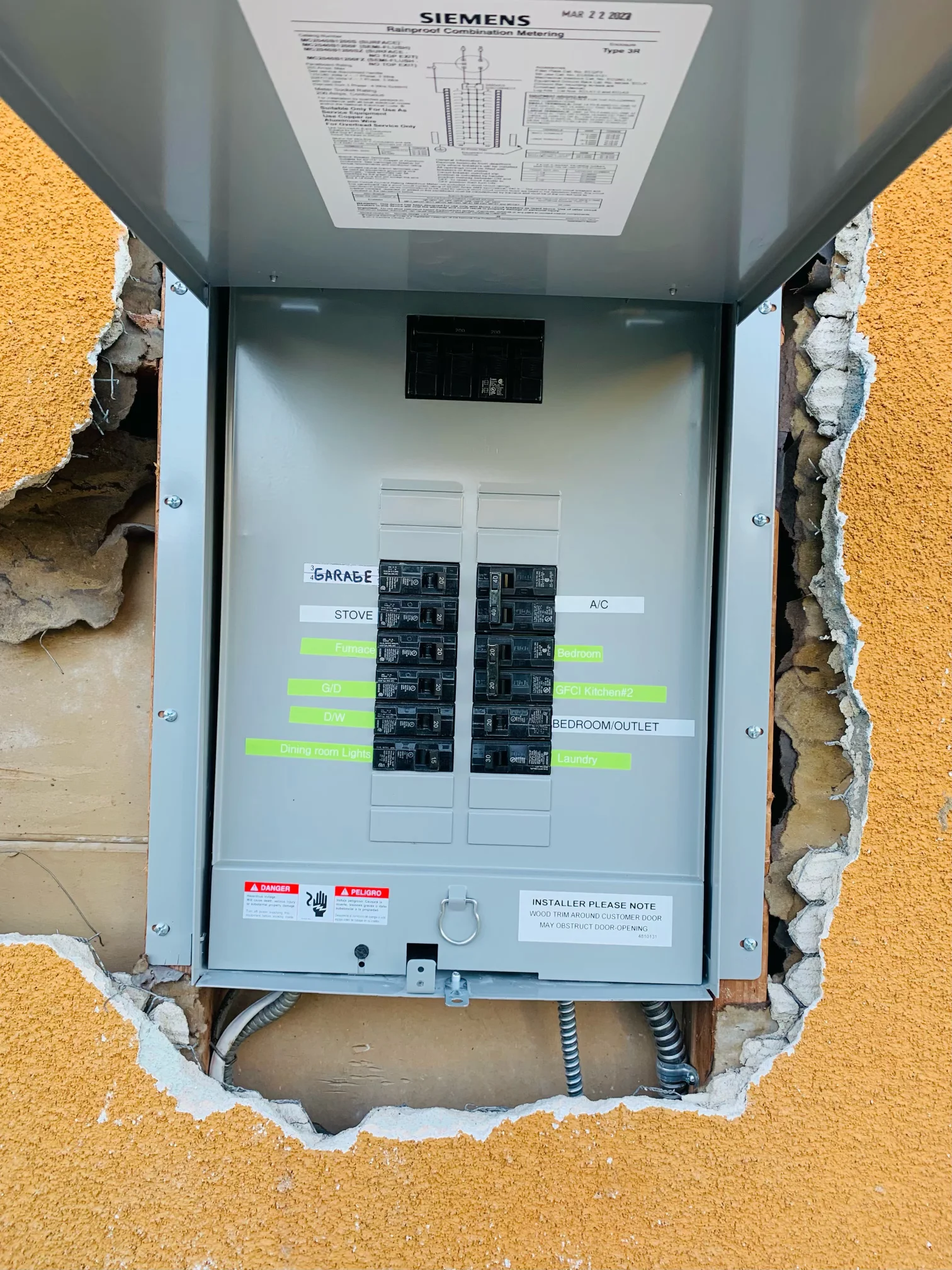
Homes with knob-and-tube usually still have a fuse panel or an undersized service, and landing new circuits on it is not an option.
Attic and Crawl Space Assessment
Establishing where insulation has been added over active knob-and-tube, which is both a code issue and the most common heat concern in these homes.
Knob-and-Tube vs Modern Wiring
| Knob-and-tube | Modern grounded cable | |
|---|---|---|
| Ground conductor | None | Present on every circuit |
| Insulation | Rubber and cloth, brittle with age | Thermoplastic, stable |
| Cooling | Designed to be air-cooled, must not be buried | Rated for installation in insulation |
| Splices | Often soldered and taped, frequently extended by owners | Made inside accessible junction boxes |
| Insurer position | Commonly declined or conditional | Standard |
Our Process
Step 1: Free On-Site Assessment
We access the attic and crawl space and establish how much knob-and-tube is actually still energised, which is almost never the same as how much is visible. Written itemized estimate by the end of the next business day, along with what your insurer will need.
Step 2: Permit Filing
Electrical permit filed with the applicable building department, scope described to match the work.
Step 3: Replacement
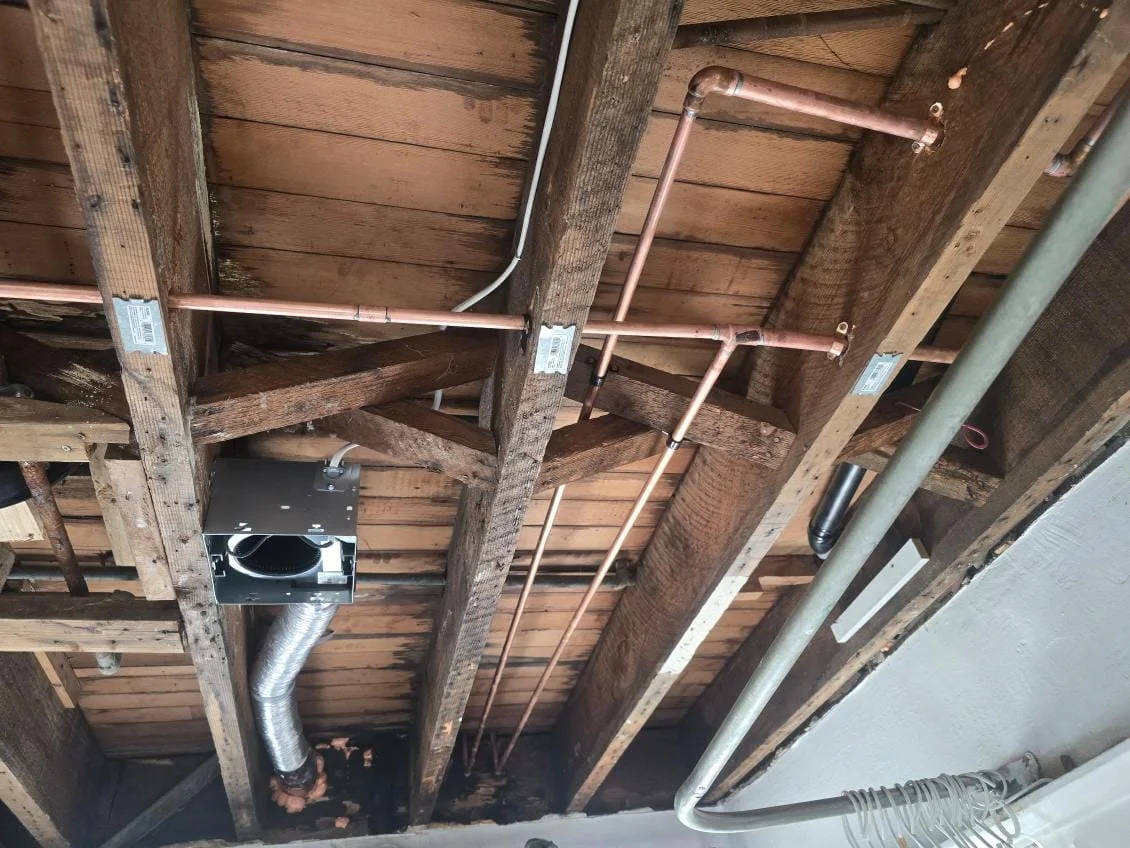
New grounded circuits pulled, devices and boxes replaced, and every abandoned knob-and-tube run disconnected at the source rather than simply left behind a wall.
Step 4: Inspection, Restoration, and Documentation
Building department inspection, then patching and finish of every opening, and a closeout package with the permit and sign-off for your carrier.
What Drives Scope
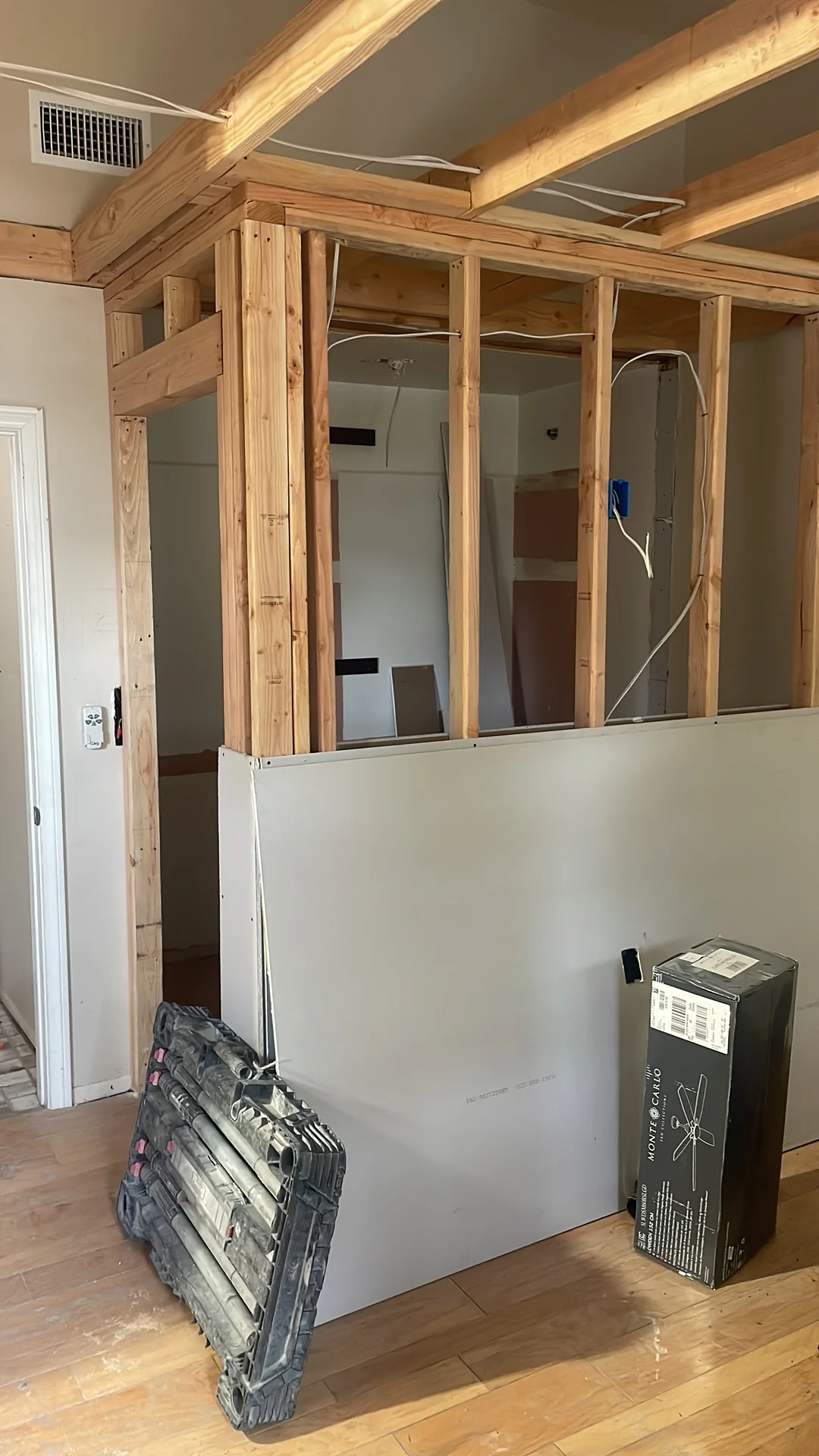
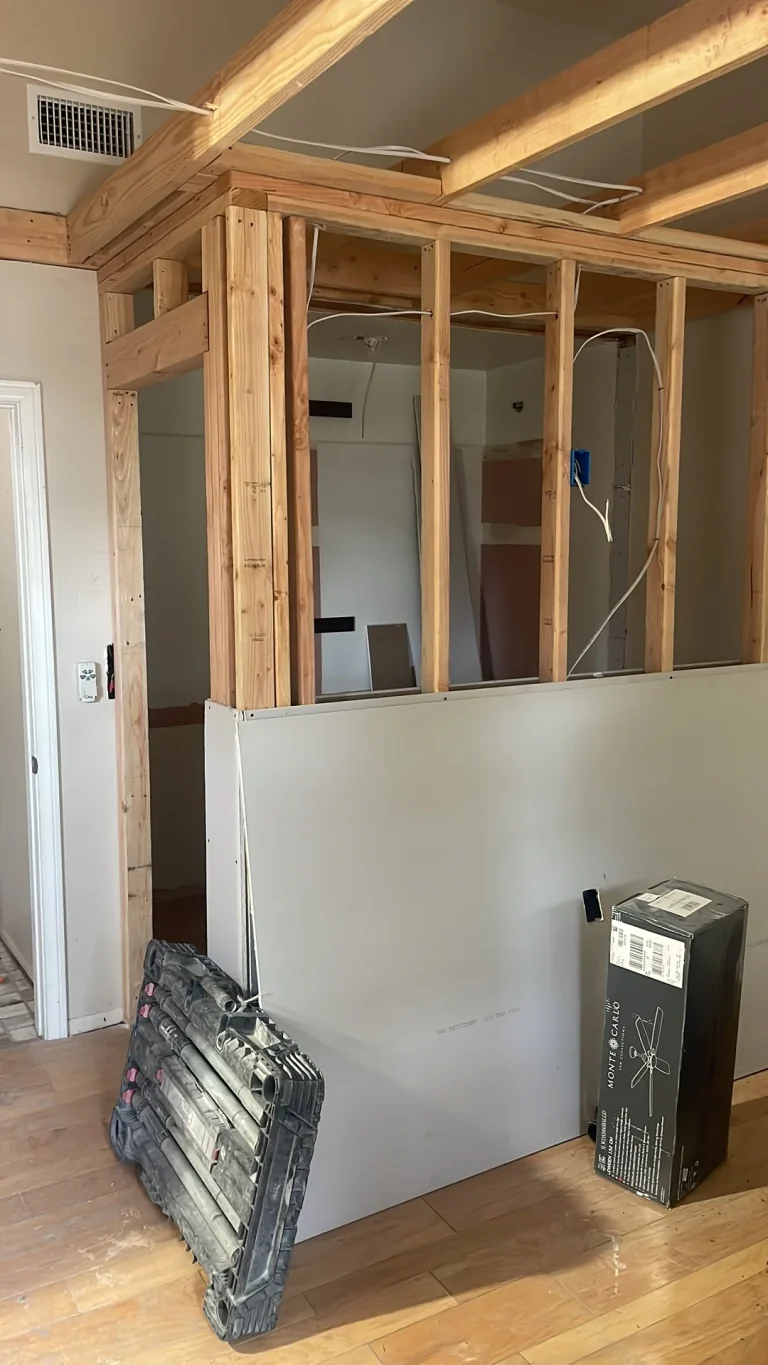
Access decides most of it. A single-story home with a walkable attic and a real crawl space is the best case. Two-story homes, homes on slabs, and homes with plaster over lath are progressively harder, because plaster does not open or restore like drywall. Beyond access: how many circuits are live, whether the panel is being replaced at the same time, and how much previous extension work has to be traced before anything can be safely disconnected.
What Goes Into a Knob-and-Tube Rewiring Quote
Knob-and-tube rewiring is quoted after an on-site visit, and the quote covers the electrical work, permit, inspection, drywall or plaster repair, and a 2-year workmanship warranty.
The number moves on access more than on square footage. A quote that comes in far below the others usually excludes the wall repair, and on this type of project the repair is a large share of the work.
Every project is quoted free on-site. Financing is available for qualified homeowners including $0 down options.
Permits and California Requirements
Replacing branch circuit wiring requires an electrical permit, and the new work is held to current code: grounding on every circuit, AFCI and GFCI protection where required, correct box fill, and accessible junction boxes for every splice. Electrical code also restricts covering active knob-and-tube with insulation, which matters because so many of these homes have had attic insulation added over the decades without anyone checking what was underneath. The permit and final inspection sign-off are what your insurer will want to see.
Cleanup and What the Property Looks Like After
Removed conductors, ceramic knobs and tubes, old devices, and packaging leave with us. Openings are patched and finished. On plaster walls we will tell you plainly at the estimate where an invisible repair is realistic and where it is not, because plaster rarely takes a spot patch the way drywall does.
Why Choose Wise Choice Remodeling
One Contract Covering Electrical, Plaster, and Drywall
On a knob-and-tube project the restoration is most of what you see and much of what you pay for. Holding both means the finish is our responsibility, under the same contract and the same warranty.
15+ Years of Combined Experience
We have rewired Southern California homes built before roughly 1950, back when knob-and-tube was the standard wiring method.
Licensed and Insured General Contractor
We pull the permit under our own license and see it through to sign-off.
A Closeout Package Built for Your Insurer
At the end of the job the permit and the final inspection sign-off go to you, not into our files.
2-Year Workmanship Warranty
Our workmanship carries a two-year warranty, and because the plaster and drywall repair sits in the same contract as the wiring, the finished wall is covered by it as well.
Most knob-and-tube projects turn out to be a whole-house scope once the attic is opened, which is why the assessment starts there. A full whole-home rewiring plan gives you one number and one schedule instead of a sequence of surprises. Call (818) 483-8055 or request a free written estimate.