What Aluminum Wiring Replacement Involves
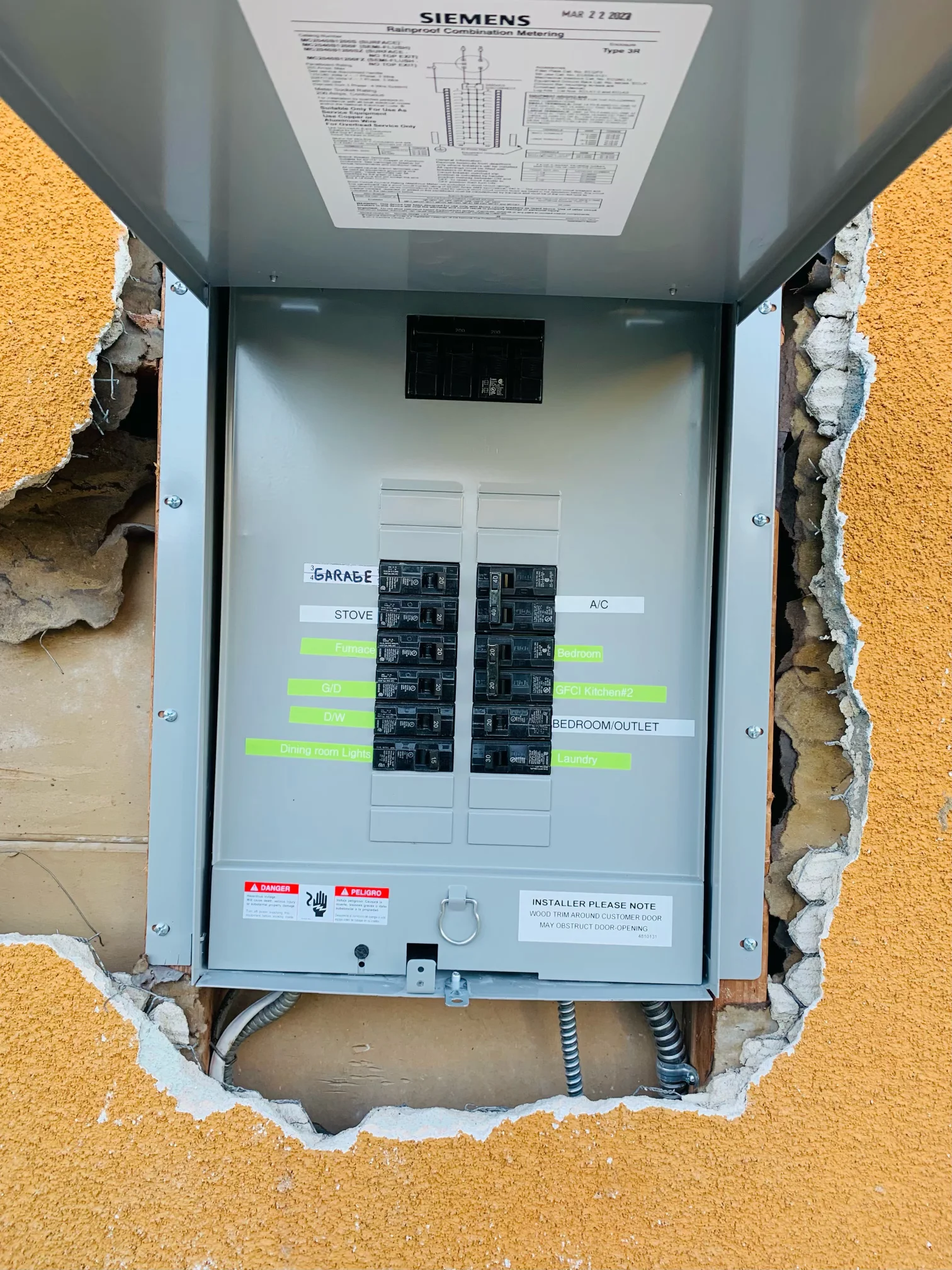
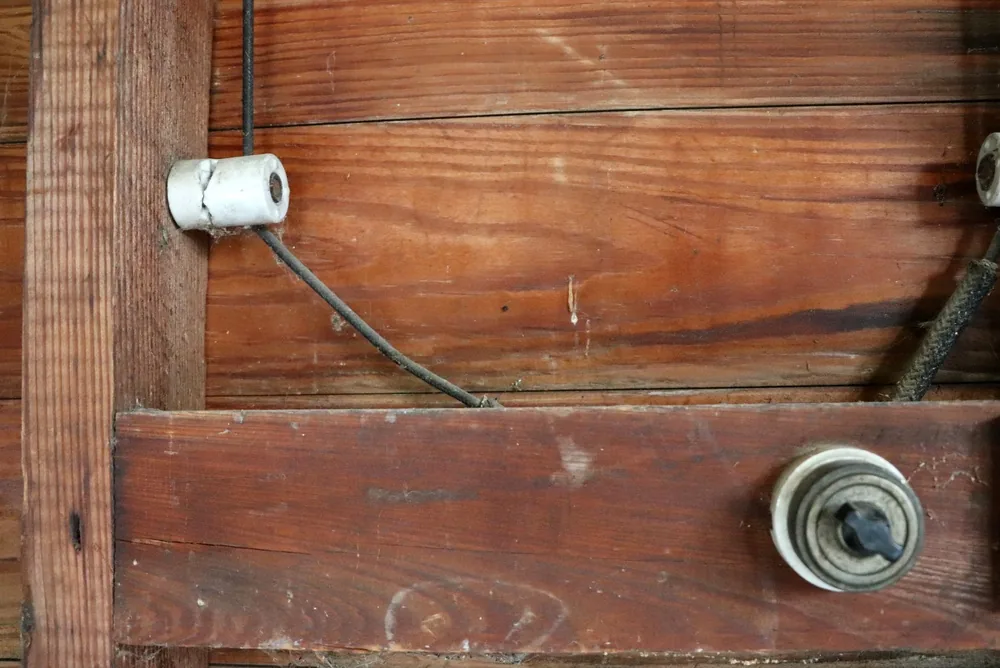
Aluminum wiring replacement means removing the single-strand aluminum branch circuits running to your outlets, switches and fixtures, and replacing them with copper. The problem was never the aluminum conductor carrying current. It is what happens at the connections: aluminum expands and contracts more than copper under load, and over decades that movement loosens terminations, which builds resistance, which builds heat.
The U.S. Consumer Product Safety Commission estimated in 1974 that two million homes and mobile homes had been built using aluminum wiring since 1965, after it held fact-finding hearings in Washington and Los Angeles on fires attributed to aluminum branch circuits. Southern California built heavily through exactly that window, which is why the question comes up here so often.
What the CPSC Listed as Trouble Signals
The Commission published these specific warning signs, and they remain the ones worth knowing:
- Warm switch or receptacle face plates. Heat at the device is heat at the connection behind it.
- A strange or distinctive odor, or the smell of burning plastic, near a receptacle or switch.
- Flickering of lights that cannot be traced to an appliance or an obvious external cause.
The CPSC’s own guidance is that consumers without thorough electrical training should not inspect their own wiring or attempt repairs, and should seek expert advice immediately if those signals are present.
Approaches We Handle
Full Branch Circuit Replacement
Every aluminum branch circuit is replaced with copper from the panel to the device. It is the most disruptive and the only approach that removes the underlying condition rather than managing it.
Partial Replacement
Replacing the aluminum circuits serving the heaviest and most constantly loaded runs, where full replacement is not viable, with the remainder documented for later.
CO/ALR Device Replacement
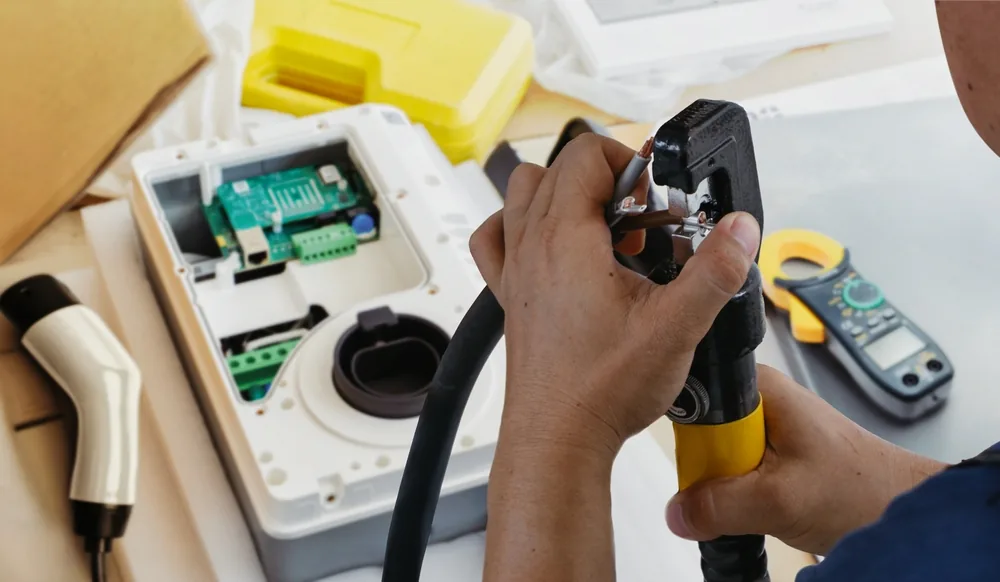
Devices designed and labelled for use with aluminum conductors, swapped in at every switch and receptacle. The CPSC notes this is only acceptable when installed correctly, and correct installation is a matter of technique: stripping insulation without nicking the conductor, wrapping the wire the right distance and direction around the terminal, and torquing properly.
Panel and Termination Assessment
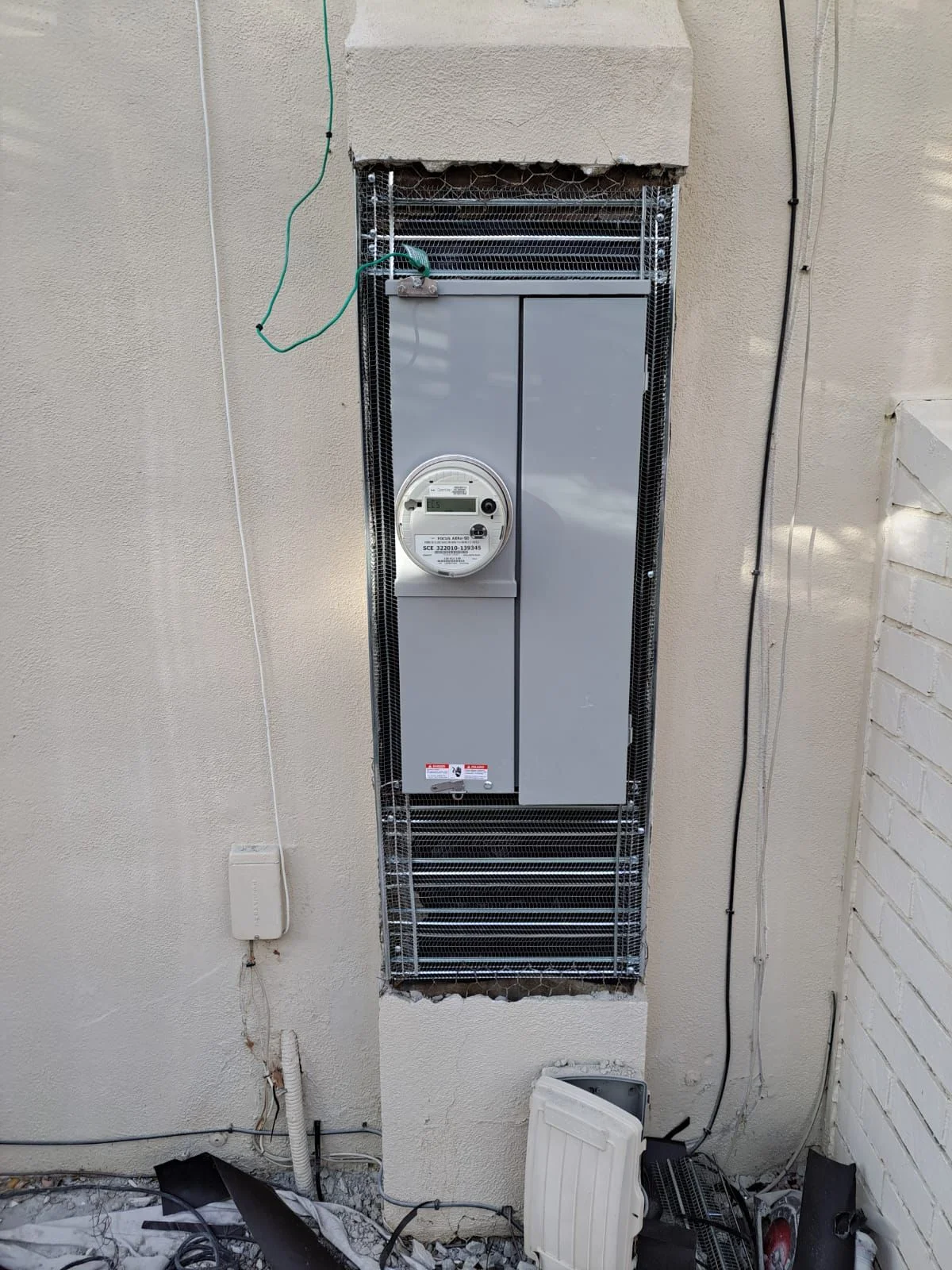
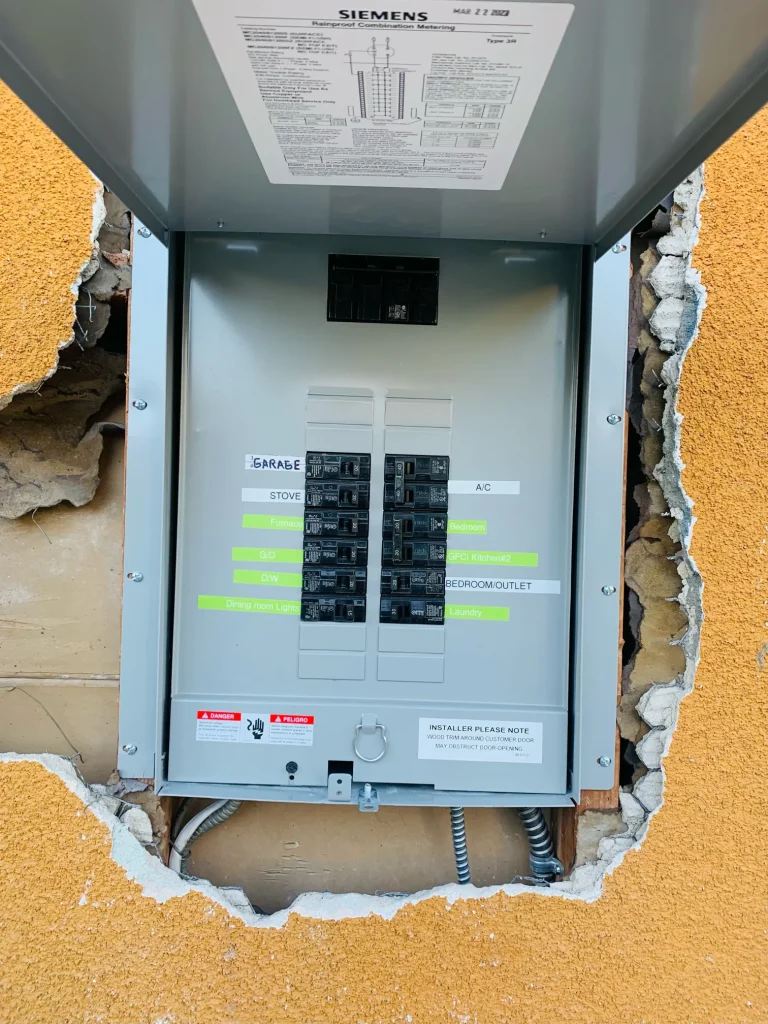
Aluminum feeders at the panel are a separate question from aluminum branch circuits, and the two get assessed together.
Comparing the Options
| Full replacement | Partial replacement | CO/ALR devices | |
|---|---|---|---|
| Removes the condition | Yes | On the circuits replaced | No, manages the connection |
| Disruption | Highest, walls opened throughout | Moderate | Lowest |
| Insurer response | Strongest, condition gone | Depends on documentation | Varies by carrier, confirm first |
| Best for | Homes being remodelled or sold | Budget-constrained, staged work | Where full replacement is not possible now |
Confirm with your insurer before choosing. Carriers differ on what they accept, and the decision is easier to make before the work than after.
Our Process
Step 1: Free On-Site Assessment
We identify what wiring is actually present, because homes of this era are frequently mixed. We check terminations at accessible devices and at the panel, and establish scope. Written itemized estimate by the end of the next business day.
Step 2: Permit Filing
Electrical permit filed with the applicable building department, with the scope described accurately so the inspection matches the work.
Step 3: Replacement
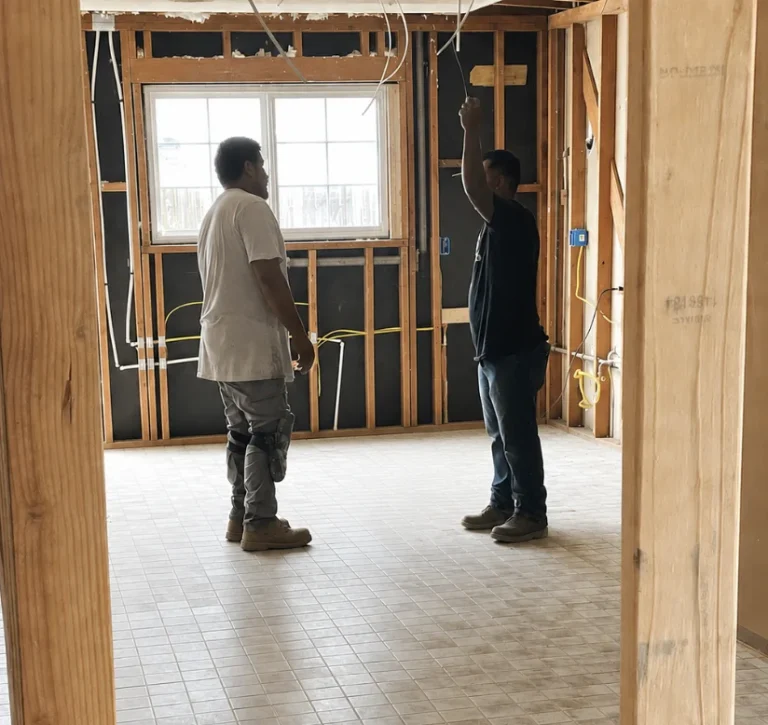
New copper home runs pulled, devices replaced, everything landed and labelled at the panel.
Step 4: Inspection, Drywall, and Closeout
Building department inspection, then patching and finish of every opening, and documentation of the completed scope for your insurer.
What Drives Scope
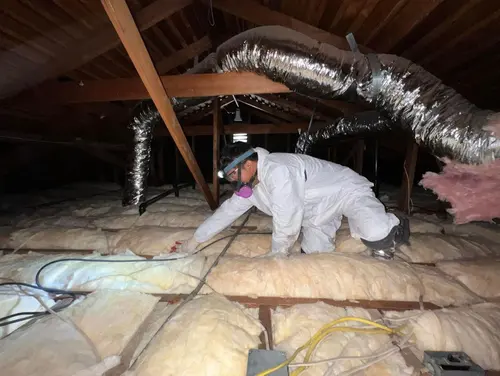
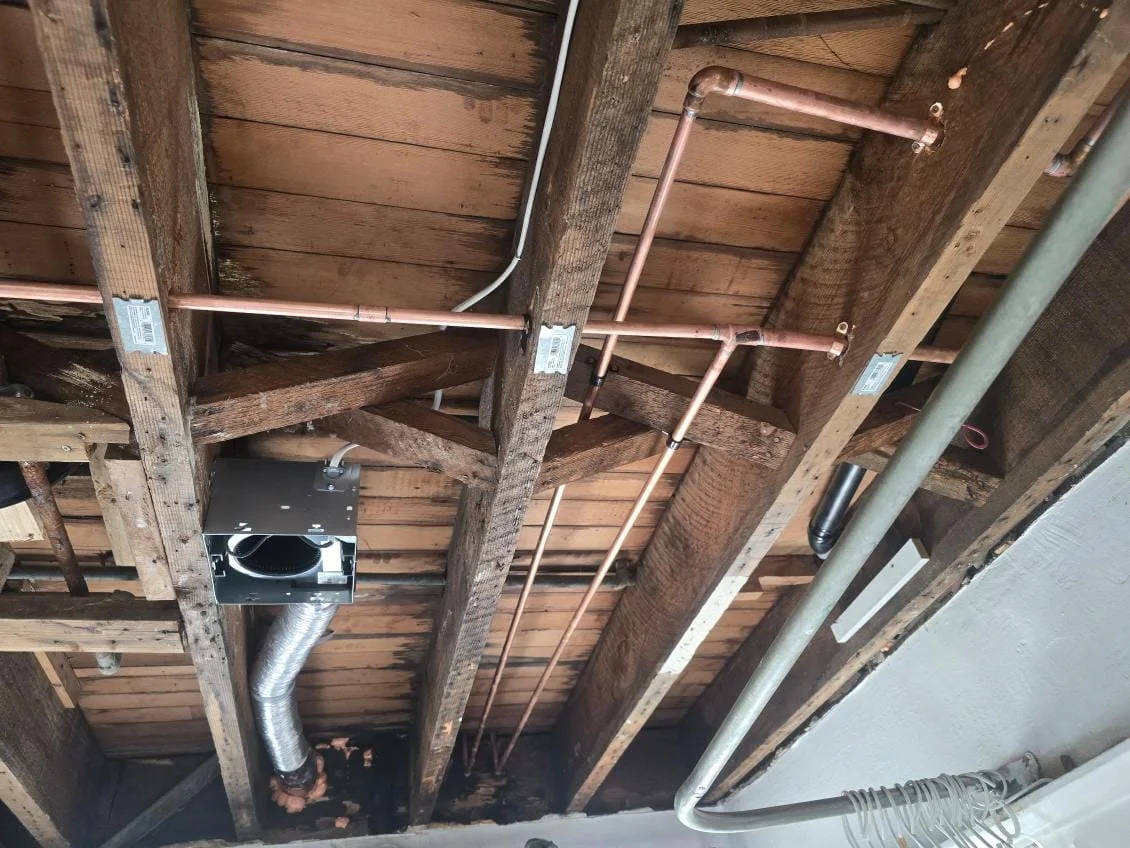
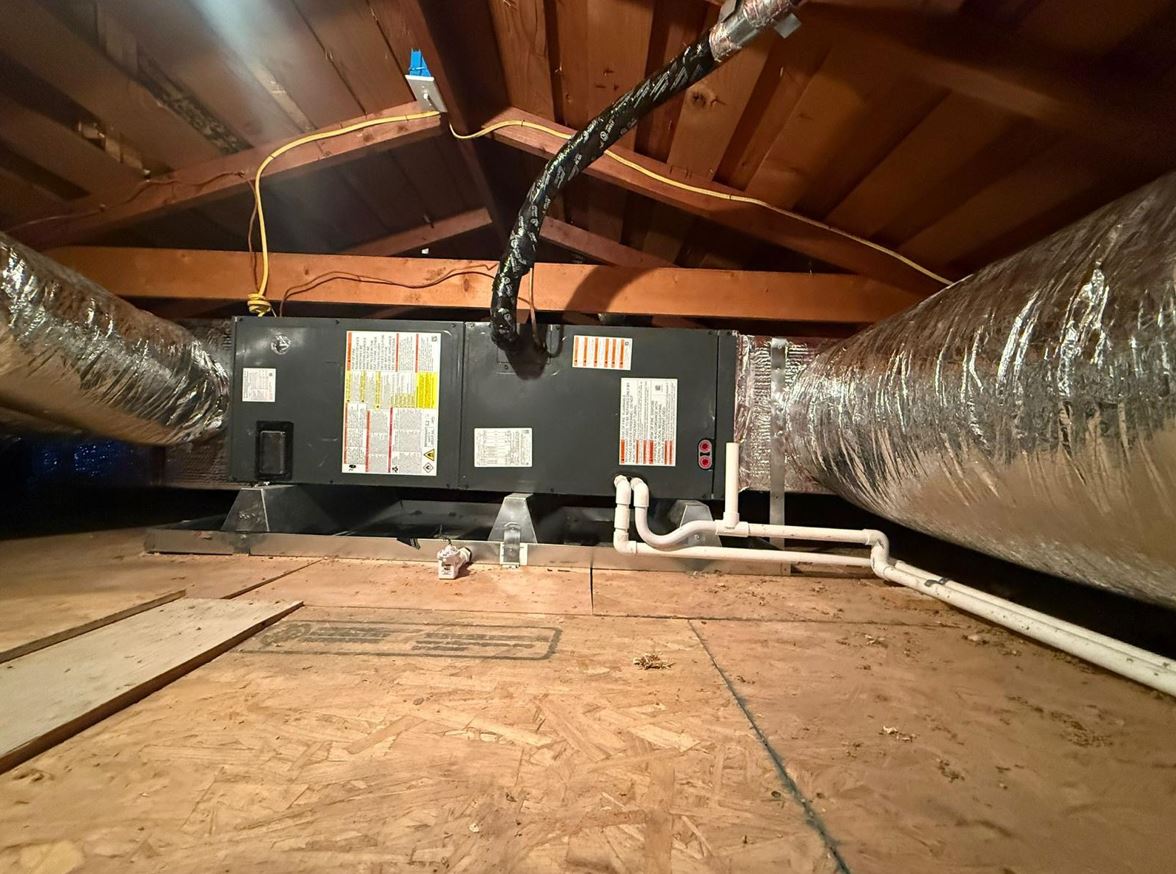
Access is the largest variable. A single-story home on a raised foundation with an accessible attic and crawl space can often be rewired with limited wall opening. A two-story home on a slab, with finished ceilings below the second floor, means opening walls and ceilings to route new circuits. Plaster over lath costs more to open and to restore than drywall. Circuit count, device count, and whether the panel is being replaced at the same time all move the number too.
What Goes Into an Aluminum Wiring Replacement Quote
Aluminum wiring replacement is quoted after an on-site visit. The quote covers the electrical work, the permit, inspection, drywall patching and finish, and a 2-year workmanship warranty.
The price for a specific home depends almost entirely on access and on how much of the house has to be opened to reach the runs.
Every project is quoted free on-site. Financing is available for qualified homeowners including $0 down options.
Permits and California Requirements
Branch circuit replacement requires an electrical permit. Current code governs conductor sizing, AFCI and GFCI protection, box fill, grounding, and device labelling, and new circuits are held to today’s standard rather than the standard the house was built to. Where devices designed for aluminum conductors are used instead of replacement, they must be the type the CPSC identifies as labelled CO/ALR on the mounting strap. The permit and final inspection sign-off are the documentation your insurer will ask for.
Cleanup and What the Property Looks Like After
Old conductors, devices and packaging leave with us. Every opening we make is patched, textured to match as closely as the existing finish allows, and left ready for paint. Paint is quoted separately where a whole-elevation match is wanted rather than a spot repair.
Why Choose Wise Choice Remodeling
One Contract Covering the Electrical and the Repair
Most of the cost and nearly all of the mess in an aluminum wiring project is drywall, not wire. We hold both, so nobody is waiting on a patcher who was never scheduled.
15+ Years of Combined Experience
We have remediated and replaced aluminum branch wiring in homes built from 1965 onward, the period the CPSC flagged.
Licensed and Insured General Contractor
We pull the permit under our own license and stay with the job until the inspection signs off.
Documentation Your Insurer Will Accept
At closeout we hand over the permit and the final inspection sign-off, documenting the completed scope for your insurer.
2-Year Workmanship Warranty
Our workmanship carries a two-year warranty, and because the drywall patching and finish are in the same contract, they are covered by it too.
If the assessment finds mixed wiring, which is common, the scope may be closer to a full whole-home rewiring than a targeted replacement, and we will tell you that before you commit. Call (818) 483-8055 or request a free written estimate.