What EV Charger Installation Involves
Installing a home EV charger means running a dedicated 240 volt circuit from your electrical panel to wherever the car parks, mounting the charging equipment, and having the work permitted and inspected. The charger itself is the simple part. What decides the scope, the schedule and the price is whether your existing service has the spare capacity to carry the new circuit.
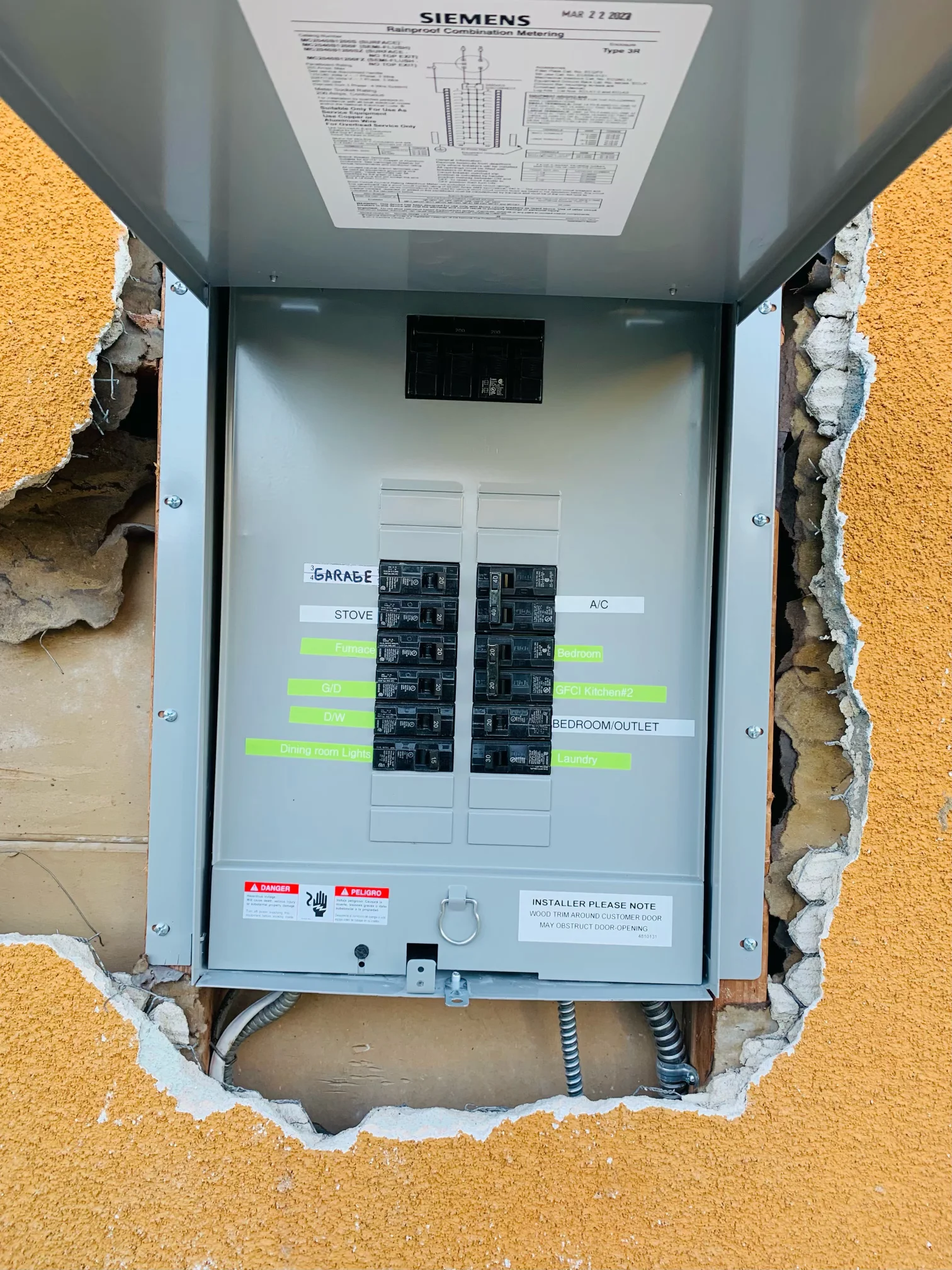
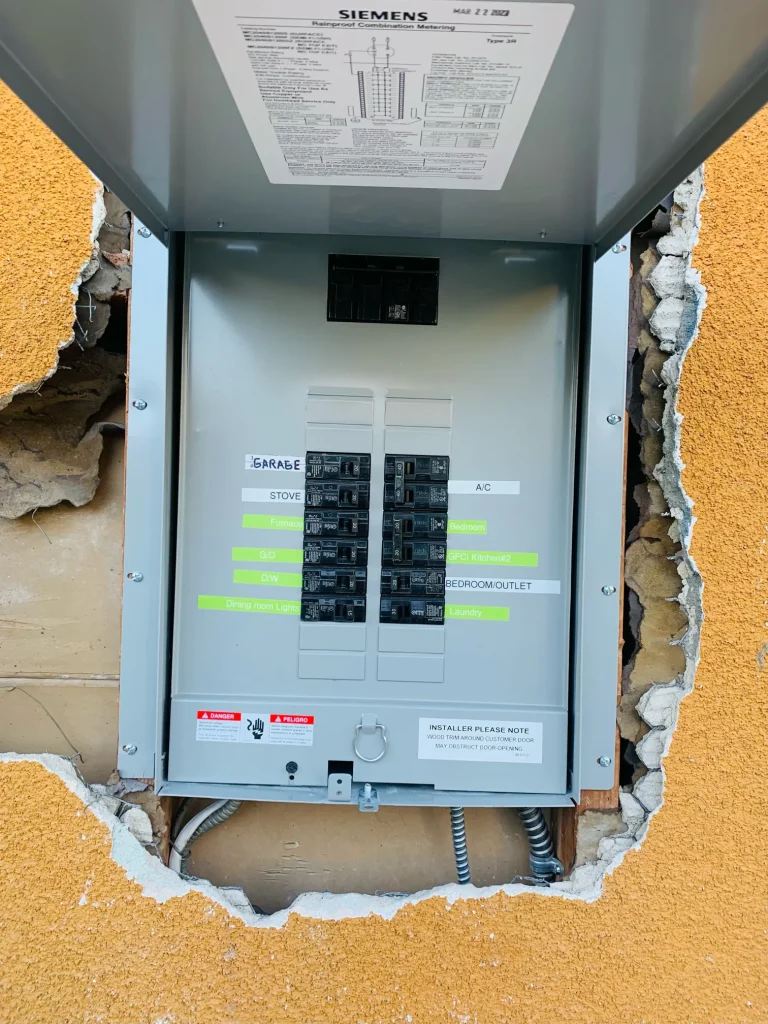
That answer starts with a load calculation, not a guess. A licensed contractor totals the home’s existing demand against the size of the service, then works out how much headroom is left for a charger drawing a continuous load for hours at a time. Homes on 200 amp service usually have room. Homes still on 100 amp service, which describes a large share of the Southern California housing stock built before the 1980s, often do not, and the honest answer is that the panel has to be dealt with first.
The Work We Handle
Level 2 charger installation. The standard home setup. A dedicated 240 volt circuit, correctly sized breaker and conductors, and the charger hardwired or fitted to a matching receptacle. The U.S. Department of Energy describes Level 2 as 240 volt charging equipment, and reports that most EV charging is Level 2, providing about 25 miles of range per hour of charging.
Dedicated circuit and receptacle installation. Where the charger comes with the car or is bought separately, we install the circuit and the outlet it plugs into, sized for the equipment you actually have rather than a generic assumption.
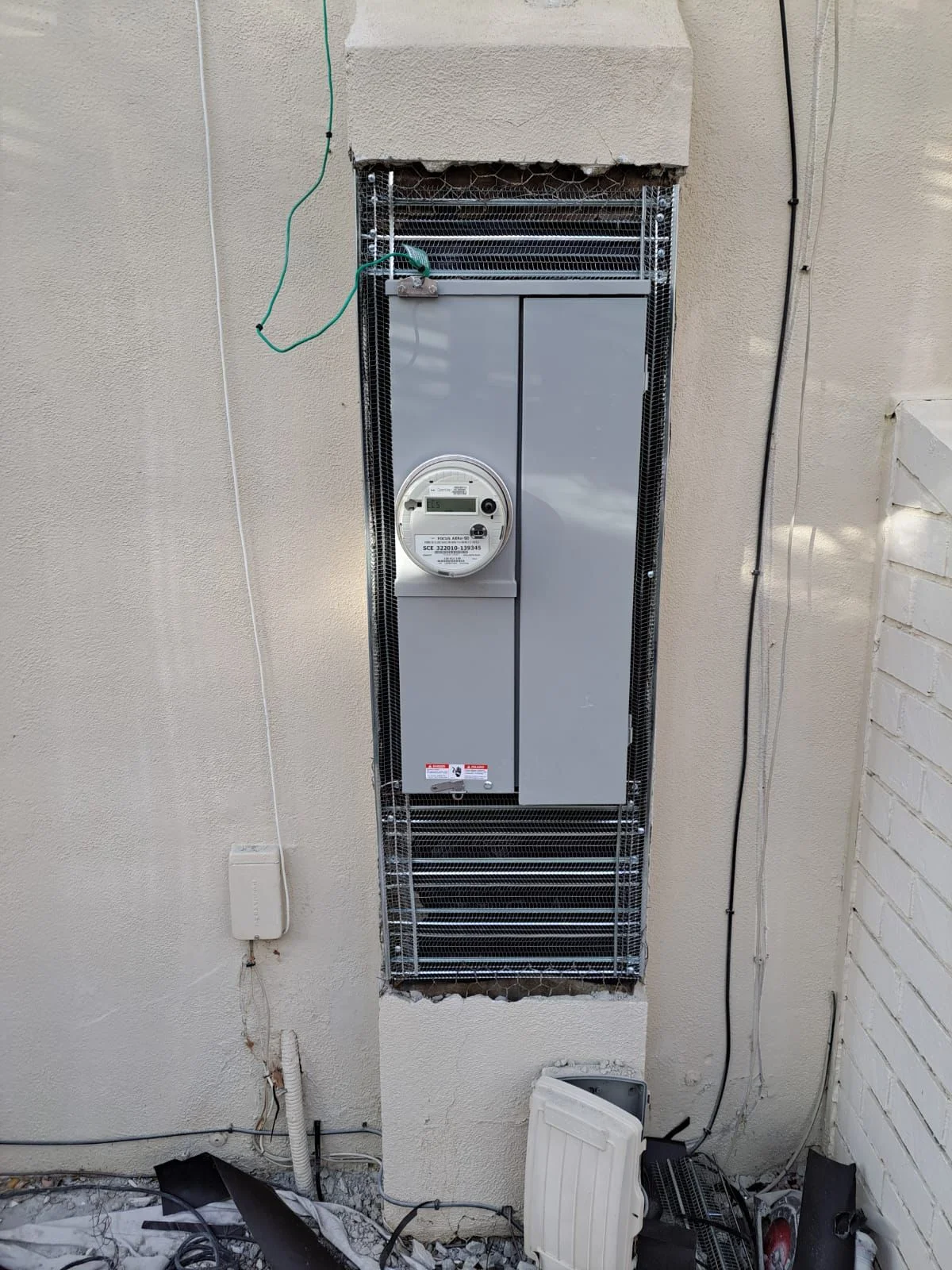
Panel upgrade where the service will not carry it. When the load calculation says there is no headroom, the service upgrade and the charger circuit are done in the same scope, on one permit, with one inspection. See electrical panel upgrade for what that work covers.
Subpanel installation for detached garages. A garage on a long feeder, or one that has never had more than a lighting circuit, usually needs a subpanel before it can support a charger and anything else at the same time.
Long conduit runs. Driveway parking, a detached garage, or a charger on the opposite side of the house from the panel. The run length and the route drive the conductor size and most of the labour.
Level 1 and Level 2 at Home
Level 1 means plugging the car into an ordinary household outlet. It needs no installation and no permit, and for a plug-in hybrid or a short commute it can genuinely be enough. It is slow, and on an older circuit shared with other rooms it is worth having the circuit checked before relying on it overnight, every night.
Level 2 is what most people mean by installing a charger. It runs on a dedicated 240 volt circuit, the same class of supply as an electric dryer or range, and it is the reason a home install becomes an electrical project rather than a purchase. The practical decision is rarely Level 1 against Level 2. It is whether your panel can take Level 2 today or needs work first.
What Decides the Scope and the Price
- Distance from the panel to the parking spot. The single biggest variable. A charger on the garage wall directly behind the panel is a different job from one at the end of a driveway.
- Available capacity in the existing service. If the load calculation clears, the work is a circuit. If it does not, it is a service upgrade and a circuit.
- Charger amperage. A 40 amp charger and a 48 amp charger need different conductors and different breakers, and the difference compounds over a long run.
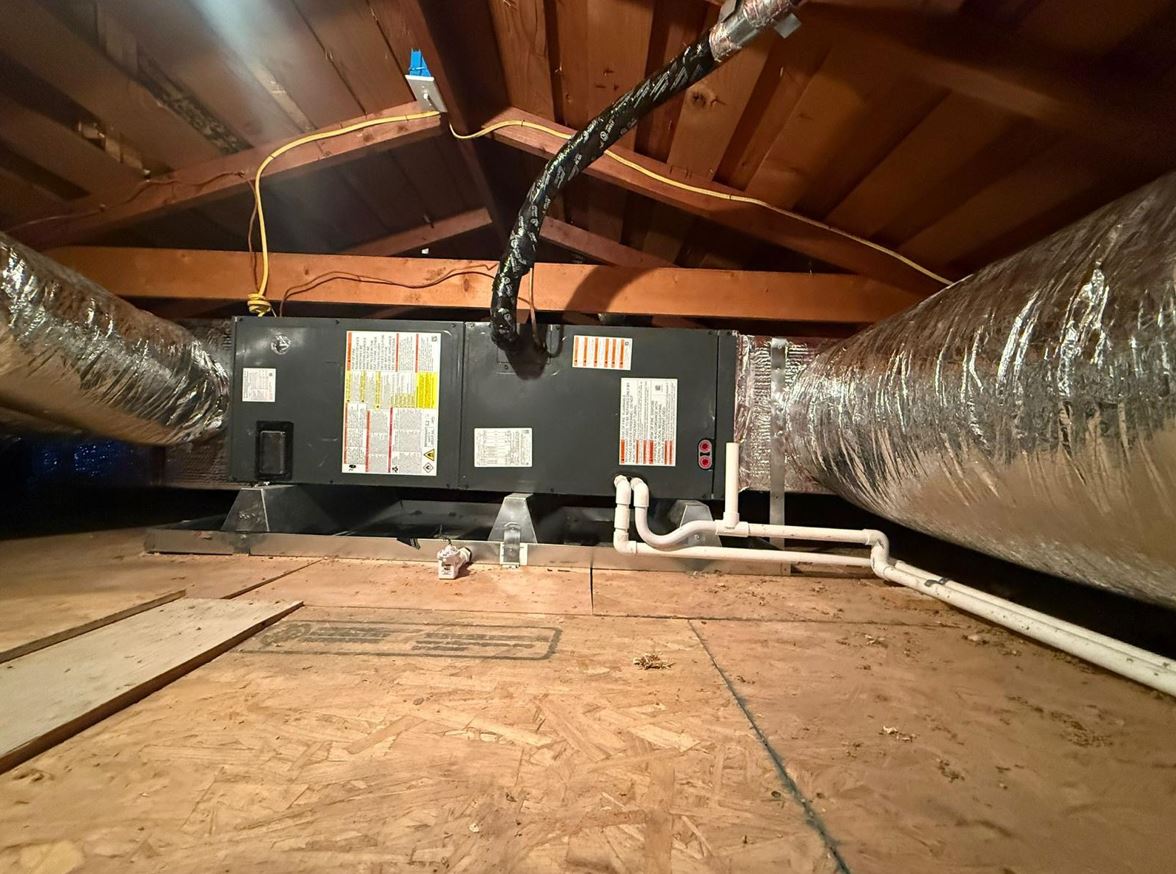
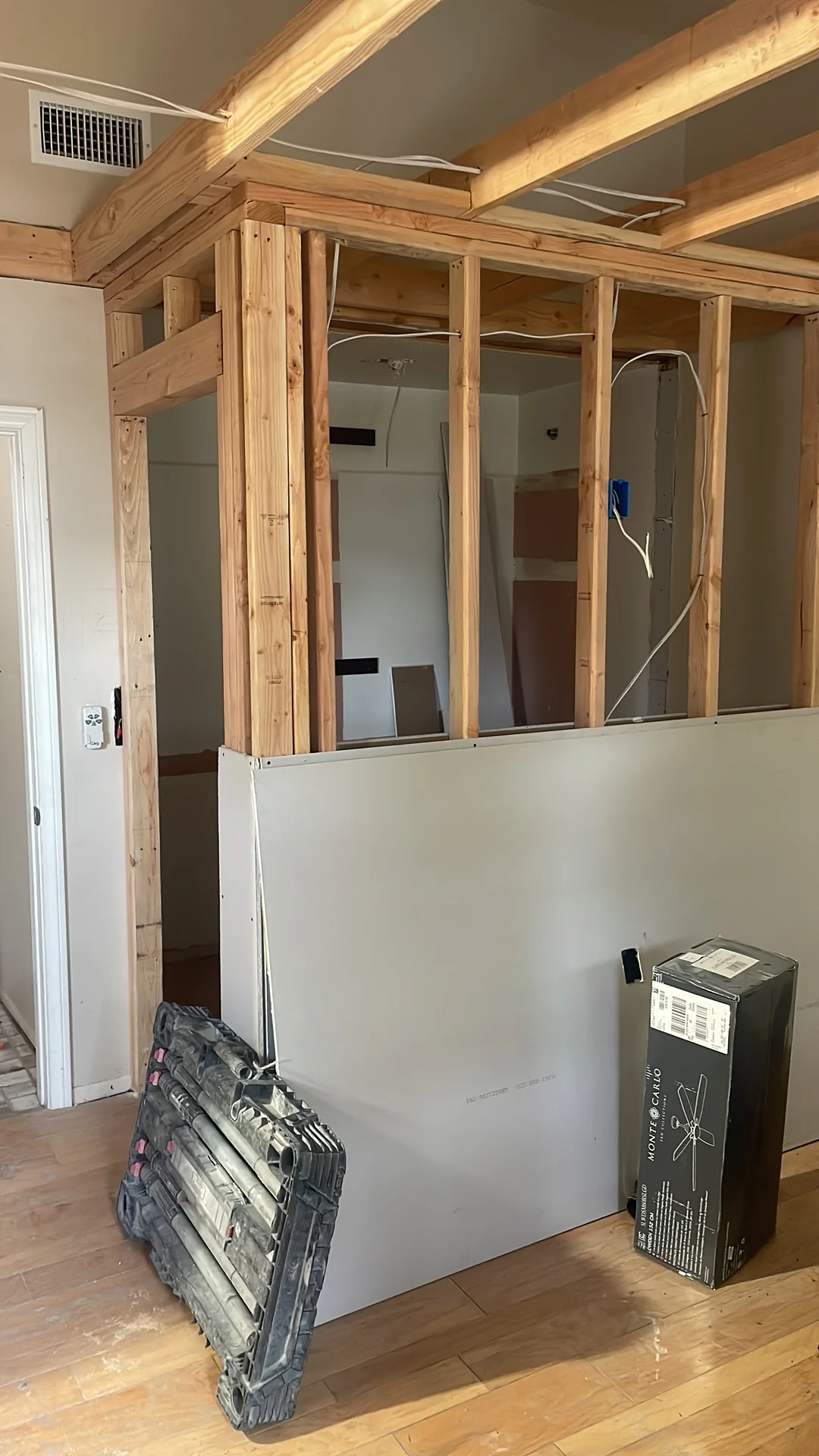
- The route. Surface-mounted conduit along a garage wall is straightforward. Fishing through finished walls, trenching under a driveway, or crossing an attic adds real time.
- Panel condition. A panel with no open slots, or an obsolete line with no breakers still available for it, forces a decision before anything else happens.
Every project is quoted from an on-site assessment and a written estimate, because none of the above can be answered from a phone call.
Permits and California Requirements
An EV charger installation is permitted electrical work. The Department of Energy’s guidance is that appropriate permits may be required from the local building and permitting authorities, and that your electrical contractor should understand and use the appropriate National Electrical Code for a safe and code-compliant installation.
In the City of Los Angeles the process is more straightforward than most homeowners expect. The Department of Building and Safety lists electrical installation for electric vehicle charging in residential buildings with up to 400 amps of service, including any needed charging equipment, service upgrade, receptacle and associated wiring, as an express permit with no plan check required (Information Bulletin P/GI 2026-003, effective 1 January 2026). In practice that means the permit for a single-family install, even one that includes a service upgrade, can be issued without going through plan check. Properties outside the City of Los Angeles are permitted through their own county or city building department, and apartment buildings can require a separate plan check for accessibility.
Wise Choice files the permit, schedules the inspection, attends it, and delivers the signed-off permit card at closeout.
Our Process
1. On-site assessment and written estimate. A project manager measures the run from the panel to where the car parks, opens the panel, records the service size and the existing circuits, and runs the load calculation. You get a written estimate covering scope, materials, timeline and permit within a few business days. The visit usually takes under an hour.
2. Permit and scheduling. We file the electrical permit with the applicable building department and confirm a start date. Most installs are a single working day.
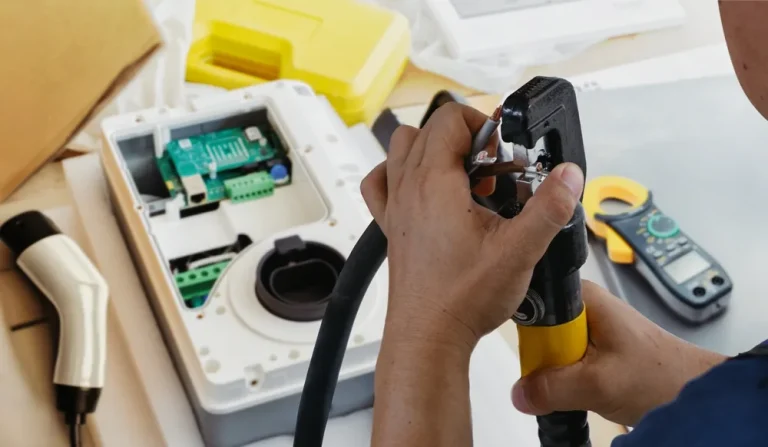
3. Installation. The circuit is run, the breaker is landed, the charger is mounted and terminated, and any conduit is secured and made weather-tight where it runs outside.
4. Inspection and walkthrough. The inspection is scheduled and passed, we walk the finished install with you, confirm the charger delivers what it should, and hand over the signed permit card and the 2-year workmanship warranty documentation.
Why Wise Choice
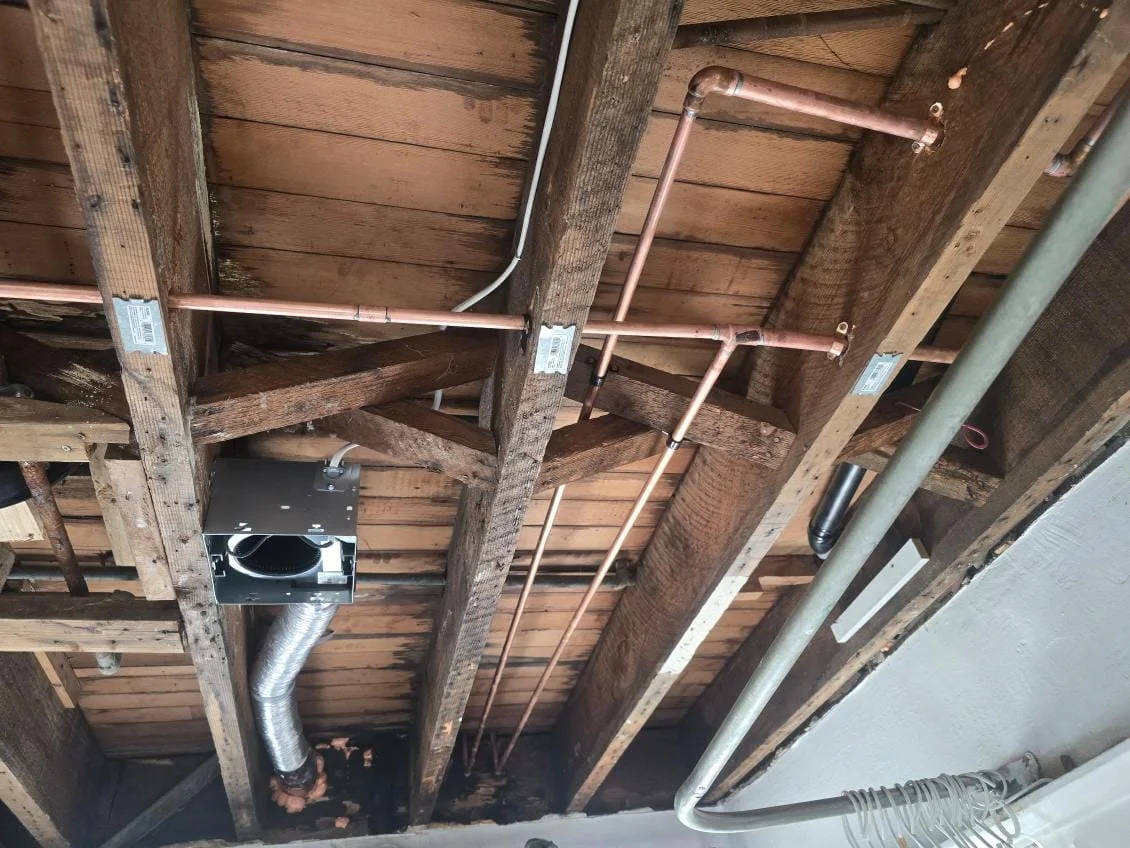
Wise Choice Remodeling has over 15 years of combined experience on Southern California homes, and works as the licensed general contractor on the whole scope. That matters most on the jobs where the charger is not the only thing needed. If the load calculation says the service has to be upgraded, or the garage feeder has to be replaced, or the panel turns out to be a discontinued line, that work sits under the same contract, the same permit and the same warranty rather than becoming somebody else’s problem halfway through.
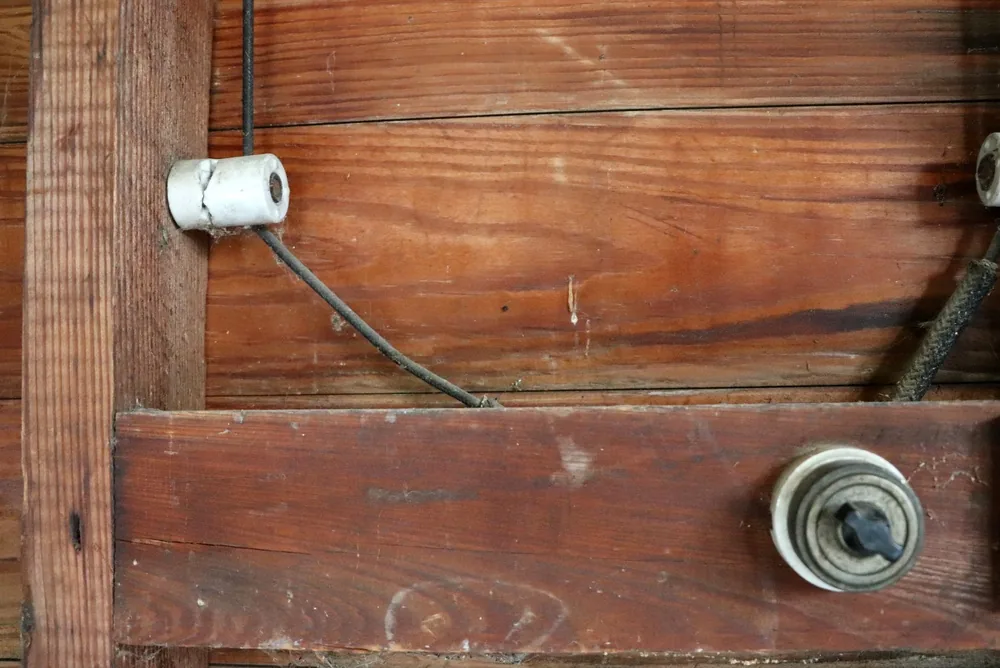
If your home still has original branch wiring behind the panel, it is worth knowing before the charger goes in. A whole-home rewiring assessment answers that in the same visit. Call (818) 483-8055 or request a free written estimate.