What an Electrical Panel Upgrade Involves
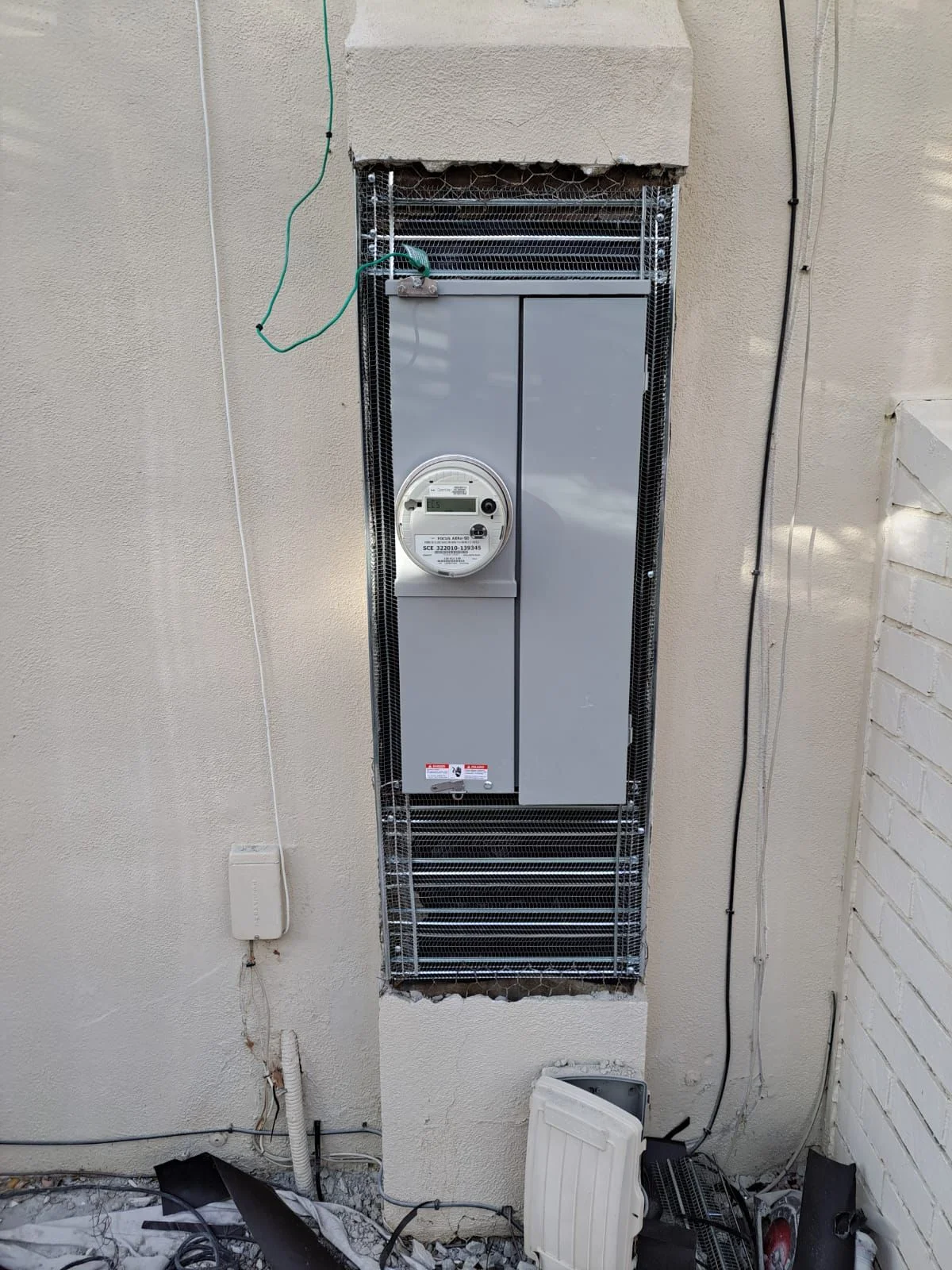
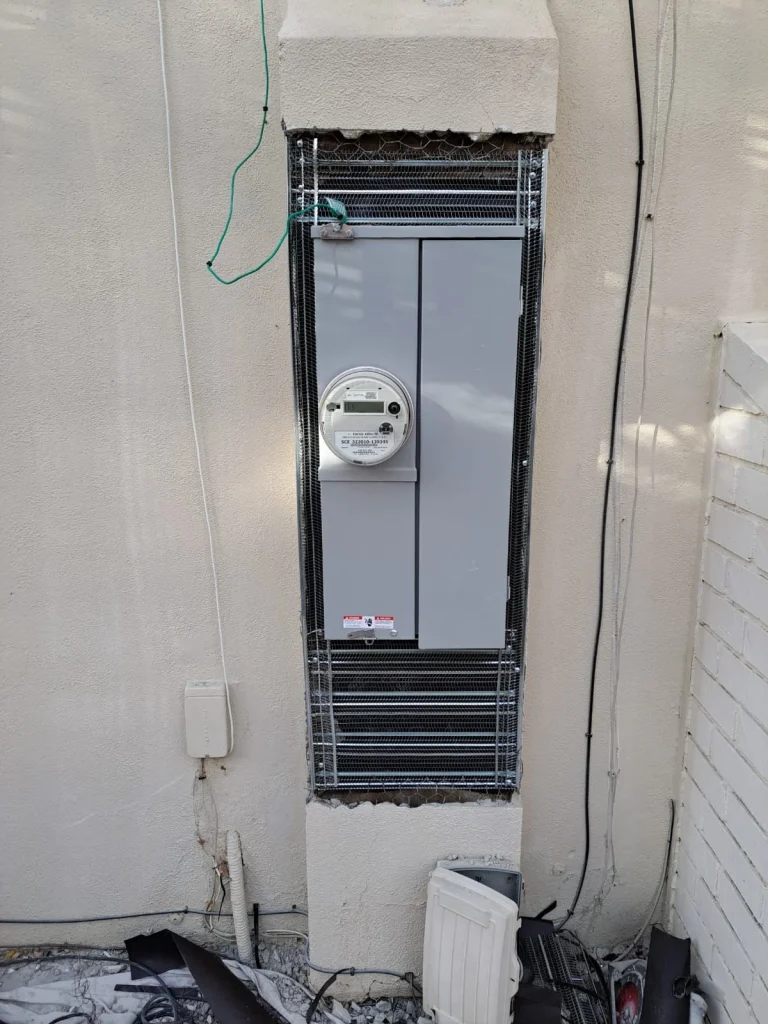
An electrical panel upgrade replaces the main service panel, and usually the service entrance conductors and meter connection with it, so the home can carry more electrical load safely. It is not the same as swapping a breaker. The panel is the point where utility power becomes house power, and upgrading it means coordinating with the utility, pulling a permit, and passing an inspection before the power comes back on for good.
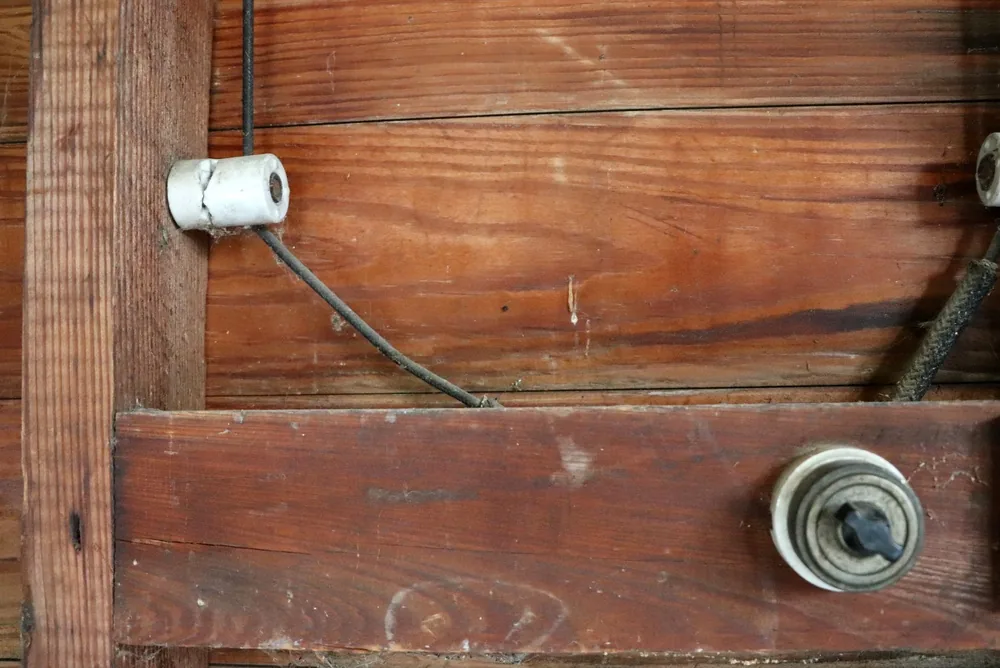
Most Southern California homes built before the 1980s were built around a very different electrical life. A 100 amp service was generous when the heavy loads were a range, a dryer and a wall heater. It runs out fast once you add central air conditioning, an induction range, a heat pump water heater, or an EV charger. Panel capacity is the constraint people discover late, usually when another contractor quotes a project and then says the panel will not carry it.
The U.S. Fire Administration estimated 24,000 residential building electrical fires a year from 2014 to 2016, and ranked the equipment involved in setting them off: electrical wiring first at 31 percent, outlets and receptacles at 12 percent, branch circuits at 8 percent, and panel or fuse boards at 4 percent. The same report notes that today’s electrical demands can overburden a home’s electrical system, and that this is particularly true of homes more than 40 years old, where the wiring, the devices and the service were all sized for a shorter list of appliances.
Panel Work We Handle
100 Amp to 200 Amp Service Upgrade
The most common scope. New panel, new main breaker, new service entrance conductors, new grounding and bonding to current code, and utility coordination for the service connection.
Panel Replacement at the Same Amperage
Sometimes the capacity is adequate and the panel itself is the problem: a discontinued brand with no available breakers, a bus bar showing heat damage, or a panel that has been added to until nothing more will fit.
Subpanel Installation
Adds circuit capacity to a garage, ADU, addition, or workshop without replacing the main service, where the main service has headroom.
Service Relocation
Moving a panel that sits where a remodel needs to build, or relocating a meter and panel off a wall that is being opened up.
Dedicated Circuit Installation
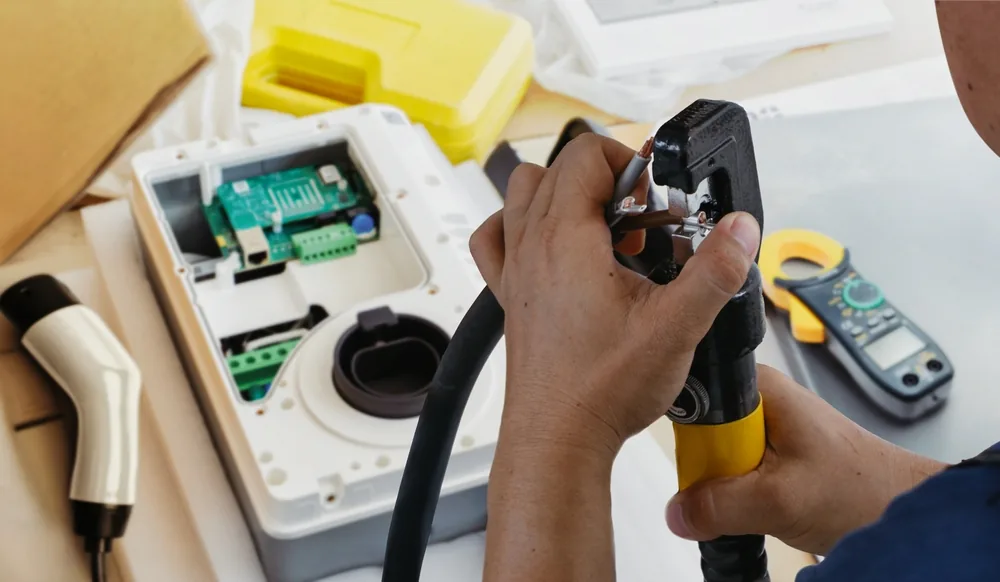
New home runs for equipment that should not share a circuit: EV chargers, heat pump condensers, induction ranges, and tankless water heaters.
Signs Your Panel Is the Limiting Factor
- Breakers trip when two ordinary appliances run together, and the trip is not traceable to a fault.
- An electrician has declined to add a circuit until the service is upgraded.
- The panel has tandem or double-tapped breakers filling every slot.
- The panel brand is Federal Pacific, Zinsco, or another line no longer supported with new breakers.
- There is scorching, rust, or heat discoloration inside the panel door.
- You are planning an EV charger, a heat pump, an ADU, or a kitchen remodel, all of which add load.
100 Amp vs 200 Amp Service
| 100 amp service | 200 amp service | |
|---|---|---|
| Typical era | Homes wired before roughly 1980 | Standard on new construction today |
| Handles | Basic lighting, receptacles, one or two major appliances | Central HVAC, EV charging, all-electric kitchen, ADU subpanel |
| Headroom for later work | Little to none | Room for future circuits without another upgrade |
| Utility coordination | Existing service may be reused | Usually a new service drop or lateral |
| Best for | Small homes with gas appliances and no planned additions | Any home planning electrification or an addition |
Our Panel Upgrade Process
Step 1: Free On-Site Assessment
We open the panel, read the existing service size, check the grounding and bonding, look at the condition of the bus and conductors, and establish what your actual and planned loads are. You get a written itemized estimate before the end of the next business day.
Step 2: Permit and Utility Coordination
We file the electrical permit with the applicable building department and coordinate the service disconnect and reconnect with your utility. Both timelines are built into the schedule before we set a date.
Step 3: Installation
Power is disconnected, the old panel and service conductors come out, the new panel, main breaker, grounding electrode system and conductors go in, and every circuit is landed and labelled properly.
Step 4: Inspection and Reconnection
The building department inspects, the utility reconnects, and we walk the panel with you so you know what every breaker serves.
What Drives Panel Upgrade Scope
Service size is only the starting point. The variables that actually move the work are where the panel is now and where it needs to be, whether the service is overhead or underground, whether the grounding electrode system meets current code, the condition of the meter socket, and whether any of the existing branch circuits are in poor enough shape that landing them on a new panel would be putting new equipment in front of old problems.
What Goes Into an Electrical Panel Upgrade Quote
Every panel upgrade is quoted after an on-site visit. The quote covers the panel and main breaker, service entrance conductors, grounding and bonding to current code, permit, utility coordination, inspection, and a 2-year workmanship warranty.
A quote that comes in far below the others is usually missing one of three things: the permit, the utility coordination, or the grounding electrode system. All three are required, and the third is the one homeowners never see.
Every project is quoted free on-site. Financing is available for qualified homeowners including $0 down options.
Permits and California Requirements
A service panel upgrade requires an electrical permit in every California jurisdiction. In the City of Los Angeles that is filed through the Los Angeles Department of Building and Safety, and surrounding cities run their own departments. The utility must disconnect and reconnect service, which is coordinated rather than scheduled unilaterally. Current code governs grounding and bonding, working clearance in front of the panel, breaker labelling, and AFCI and GFCI protection on the circuits being landed. Panel work done without a permit surfaces at resale, at refinance, and at any insurance claim involving fire.
Cleanup and What the Property Looks Like After
The old panel, conductors and packaging leave with us. Where a panel is relocated, the original opening is patched and left ready for finish. Expect one day without power for a simple upgrade, longer where the service is being relocated or the meter socket replaced.
Why Choose Wise Choice Remodeling
One Contract Across Every Trade the Job Touches
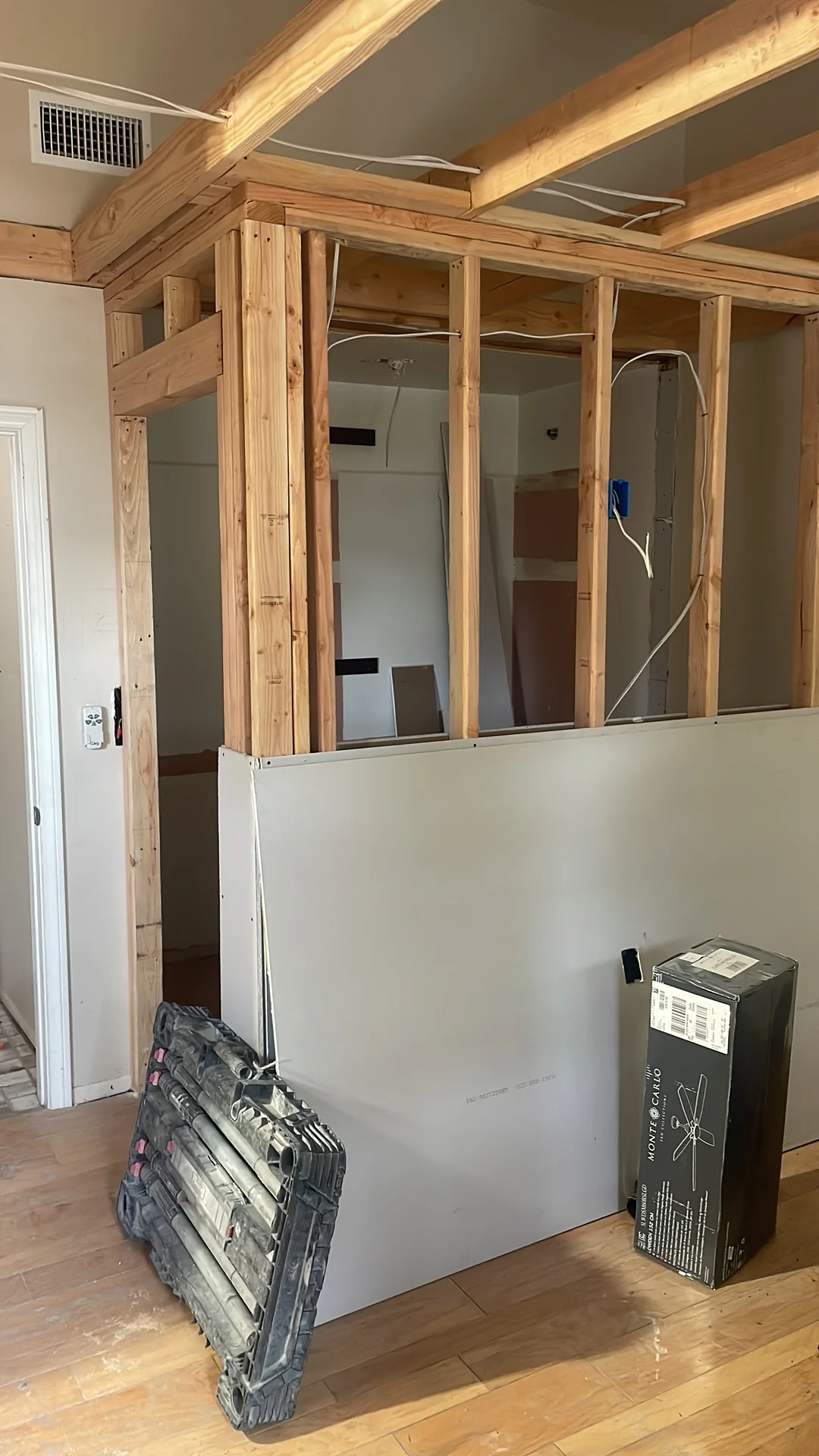
Panel upgrades rarely stay purely electrical. Stucco gets opened, drywall gets patched, and on older homes the branch wiring turns out to need attention too. We hold the whole scope.
15+ Years of Combined Experience
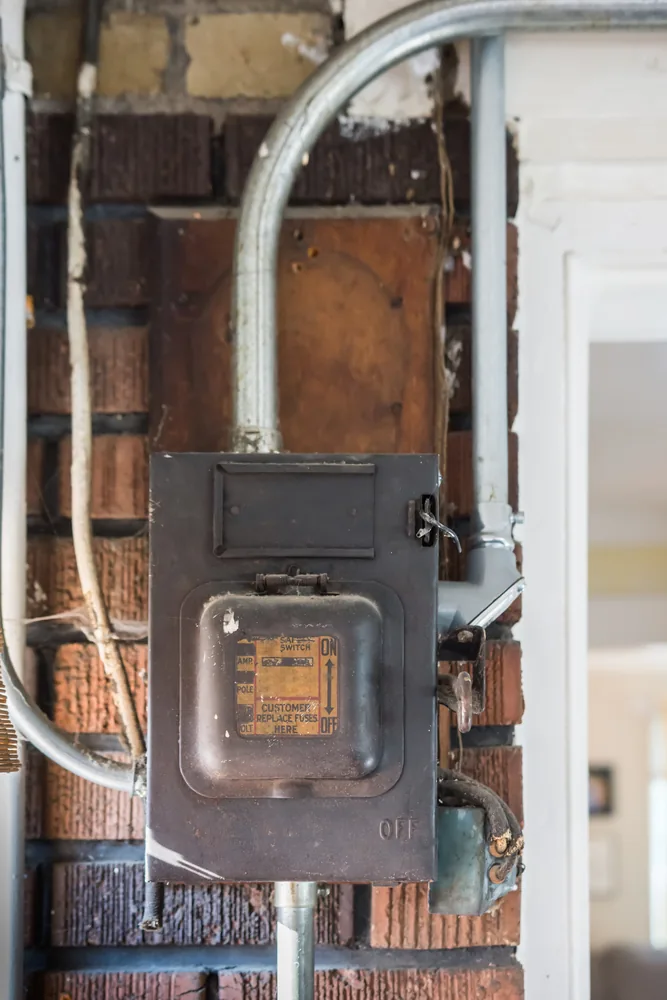
We have replaced fuse boxes and obsolete breaker panels across Southern California, including the Federal Pacific and Zinsco lines that no longer have new breakers available.
Licensed and Insured General Contractor
We pull the permit under our own license and carry the job through to inspection sign-off.
Your Written Estimate Is Your Price
We itemize the estimate before work starts, and nothing gets added to it without your written approval.
2-Year Workmanship Warranty
Every panel we install carries a two-year warranty on our workmanship, covering the panel and main breaker, the service entrance conductors, and the grounding and bonding we put in.
A panel upgrade is often the first step in a larger electrical project, and it is worth knowing before you start whether the branch circuits behind it are sound. A full whole-home rewiring assessment answers that in the same visit. Call (818) 483-8055 or request a free written estimate.