What a Full HVAC Replacement Involves for Southern California Homes
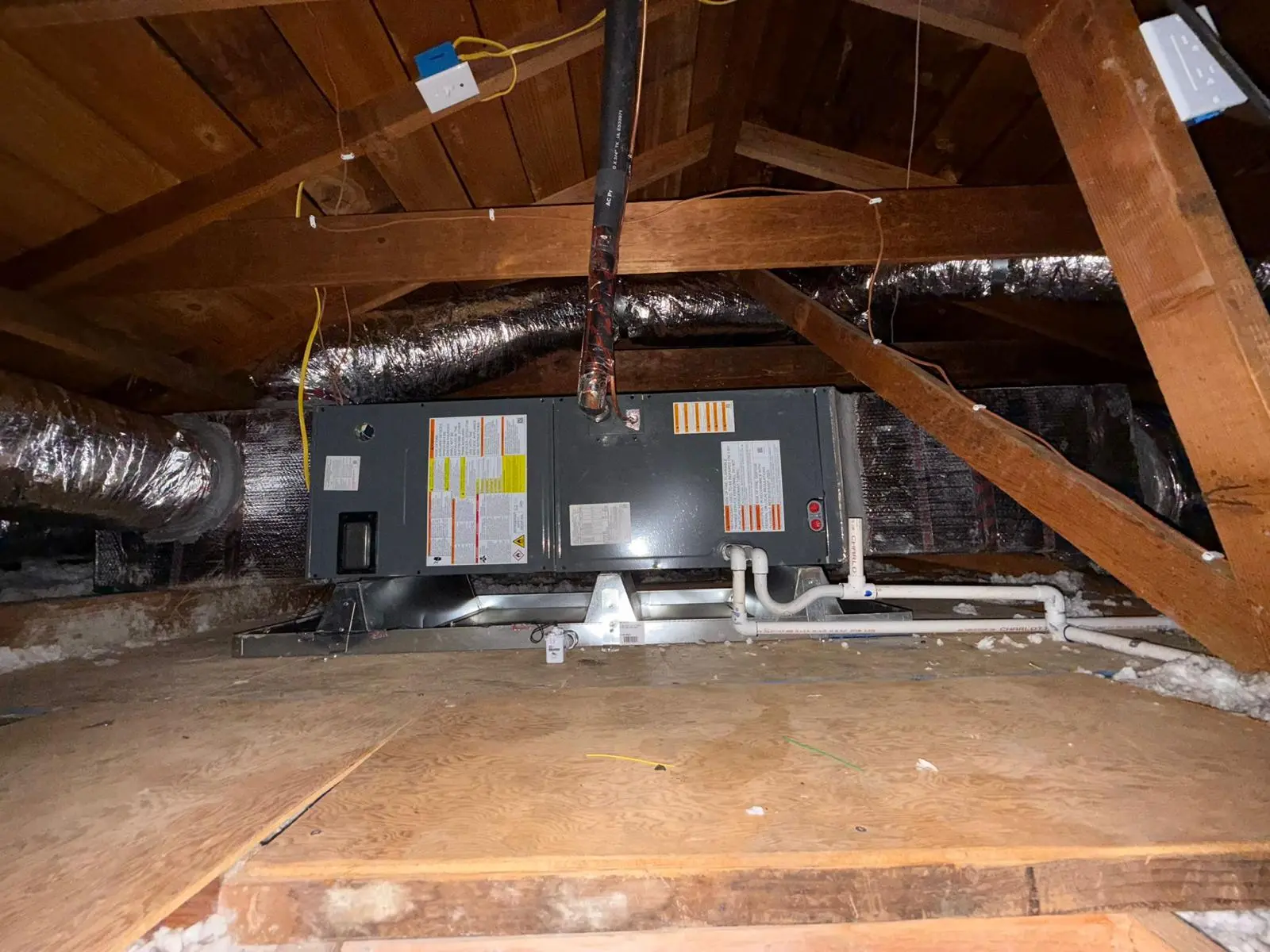
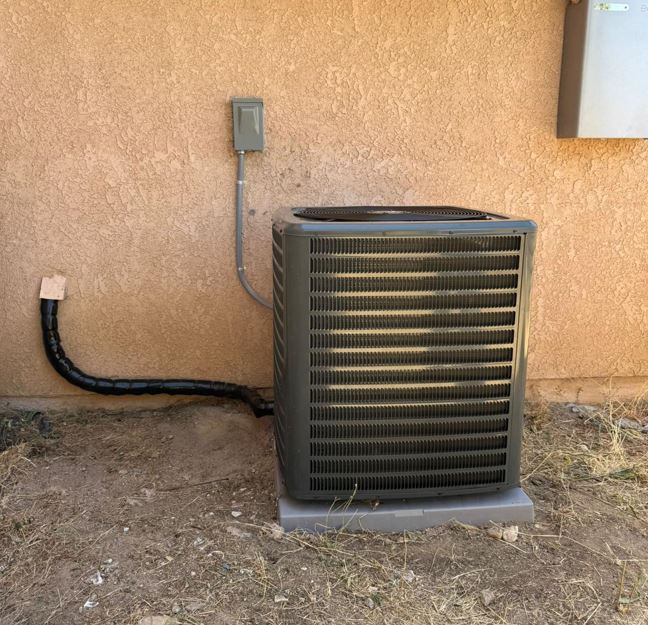
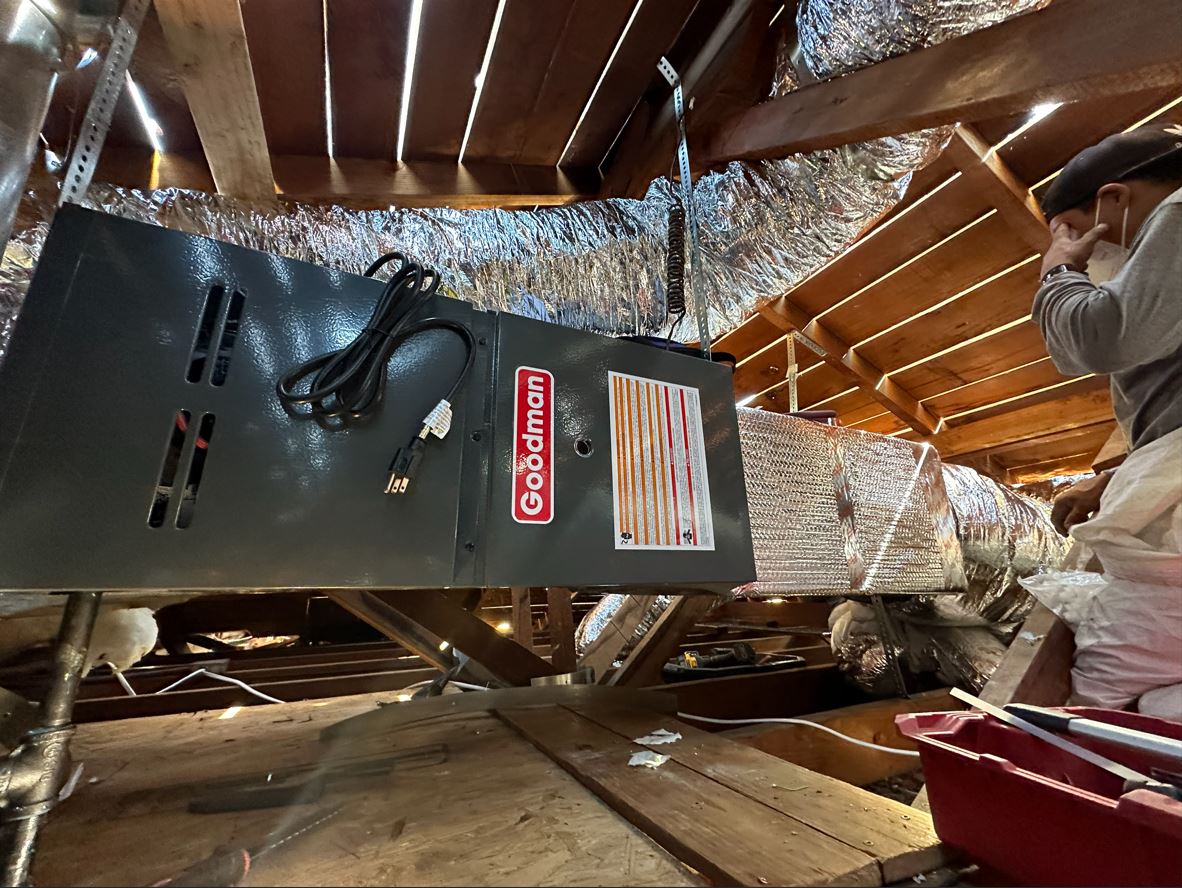
A full HVAC replacement is the complete removal and replacement of a home’s heating and cooling systems in a single coordinated project, including the outdoor condensing unit, the indoor air handler or furnace, the evaporator coil, refrigerant lines, thermostat, and a verified assessment and repair of the duct distribution system. For Southern California homeowners whose heating and cooling equipment are both approaching or past their expected service lives, a full replacement done correctly in one project costs less over time than replacing one component now and the other in a few years, and produces a matched system that operates to its rated efficiency rather than a mismatched assembly that limits the performance of the newer component. The difference between a correctly sized and installed full replacement and one where the equipment was sized by rule of thumb or installed on an unassessed duct system shows up in every utility bill and every service call for the next fifteen to twenty years.
Full HVAC Replacement System Options
Matched Gas Furnace and Central AC Split System
A matched split system pairs a new gas furnace with a new central air conditioning unit that are engineered and tested together by the manufacturer to achieve the rated SEER2 cooling efficiency and AFUE heating efficiency as a matched set. Installing a new outdoor AC unit with an existing or unmatched indoor coil degrades the efficiency of the outdoor unit below its rated performance and voids the manufacturer warranty on the equipment. A full matched replacement eliminates that problem entirely. Matched gas furnace and AC systems remain the most common full replacement option for Southern California homes with existing natural gas service and serviceable ductwork.
Heat Pump System Replacement
A ducted heat pump replacement installs a single system that handles both heating and cooling by moving heat between the indoor and outdoor environments rather than generating it through combustion. In Southern California’s mild heating climate, heat pumps operate at high efficiency through nearly the entire heating season because performance is directly tied to outdoor temperature, and temperatures here rarely fall to the range where heat pump efficiency drops materially.
Dual-Fuel System Replacement
A dual-fuel replacement pairs a new heat pump outdoor unit with a new gas furnace as a backup heat source. The heat pump handles heating efficiently at typical Southern California winter temperatures, and the gas furnace takes over if outdoor temperatures fall below the heat pump’s optimal operating range. The system automatically selects the more efficient heating source based on outdoor conditions.
Full Replacement with Duct System Upgrade
For homes with ductwork that has exceeded its useful life, is leaking excessively, or is undersized for the new equipment’s airflow requirements, a full replacement that includes new or substantially repaired ductwork produces a system that performs correctly from the first day of operation. Installing new high-efficiency equipment on a duct system that loses 25 to 30 percent of conditioned air through leaks before it reaches the living space delivers roughly 70 percent of the system’s rated efficiency regardless of equipment quality. We assess duct condition during the estimate visit and include the duct scope in the project only where it is genuinely needed.
When Full Replacement Makes More Sense Than Partial Replacement
| Situation | Recommended Approach | Reason |
|---|---|---|
| AC failed, furnace is 12 to 15 years old | Full replacement | Furnace approaching end of life; avoid second mobilization in 3 to 5 years |
| Furnace failed, AC is 10 to 12 years old | Evaluate full replacement | AC mid-life; replacing both now avoids a second mobilization |
| Both systems 15+ years old, increasing repair frequency | Full replacement | Systems at or past expected service life; repair investment not recoverable |
| One system failed, other recently replaced | Replace failed component only | Newer system has remaining service life; matched replacement not yet warranted |
| Both systems under 10 years old with isolated failure | Repair or single component replacement | Full replacement not financially justified at this age |
| Planning to replace gas system with heat pump | Full replacement at any age if gas system is aging | California’s regulatory trajectory favors acting sooner |
According to the U.S. Department of Energy, central air conditioning systems have a typical service life of 15 to 20 years and gas furnaces 15 to 20 years with proper maintenance. Systems at those ages operating on original refrigerant types that are no longer manufactured, such as R-22, are an additional reason to move to full replacement, since R-22 refrigerant costs have escalated sharply due to supply restrictions and a leak or low-charge condition on an R-22 system can make repair economically impractical. For homeowners unsure whether their situation warrants full replacement or targeted repair, our HVAC installation services overview covers the full range of options we provide.
What a Full HVAC Replacement Costs in Los Angeles
A full furnace and AC system typically runs $14,000 to $24,000, and a heat pump system $15,000 to $27,000. That covers replacing both the heating and the cooling equipment in a single permitted project by a licensed general contractor, with Manual J load sizing, Title 24 documentation, HERS verification, and a 2-year workmanship warranty.
Where a project lands inside those ranges depends on system type, equipment size, efficiency tier, the condition of the existing ductwork, and any electrical or gas line work the new equipment requires. New whole-house ductwork, where it is needed, typically runs $7,000 to $14,000.
Replacing both at once is the cheaper path when both are near end of life. One permit, one mobilization, one set of inspections, and one round of disruption instead of two. The saving is not in the equipment, it is in everything around the equipment, and it disappears if the second replacement happens three years later as its own project.
Typical Los Angeles pricing. Final pricing depends on project size, site conditions, materials, permits, engineering requirements and scope of work. Every project is quoted free on-site. Financing is available for qualified homeowners including $0 down options.
Call (818) 483-8055 to schedule your free on-site assessment.
Our Full HVAC Replacement Process
Step 1: Free On-Site Assessment and Load Calculation
A licensed Wise Choice HVAC estimator visits your home, inspects both the heating and cooling equipment, assesses the duct system condition for leakage, insulation, and sizing adequacy, reviews the electrical panel capacity and gas service, and performs a Manual J load calculation for both heating and cooling. The visit takes 60 to 90 minutes for most homes. You receive a written itemized estimate covering both equipment packages, duct scope, and any electrical or gas line work required, itemized by line item. No obligation to proceed.
Step 2: System Selection and Permit Applications
Once the estimate is approved, we finalize the equipment selection, confirm the efficiency ratings for the chosen system, and submit all required permit applications. A full HVAC replacement typically requires a mechanical permit, an electrical permit, and a gas line permit for furnace-based systems. We manage all permit applications simultaneously and factor permit processing timelines into the project start date.
Step 3: Refrigerant Recovery and Equipment Removal
The existing system is shut down and refrigerant is recovered by our EPA Section 608 certified technicians using certified recovery equipment before the system is opened. All old equipment including the outdoor unit, indoor unit, existing refrigerant lines, and flue venting is removed and hauled off-site. Gas lines are capped safely before furnace removal and pressure-tested after new furnace installation. We do not leave any removed equipment on the property.
Step 4: Duct Assessment and Repair
Before any new equipment is installed, the existing duct system is inspected and tested. Leaks are identified and sealed. Sections that are undersized, disconnected, or significantly deteriorated are repaired or replaced as scoped in the estimate. Return air pathways are verified adequate for the new system’s airflow requirements. New equipment is not connected to a duct system that will limit its performance.
Step 5: New Equipment Installation
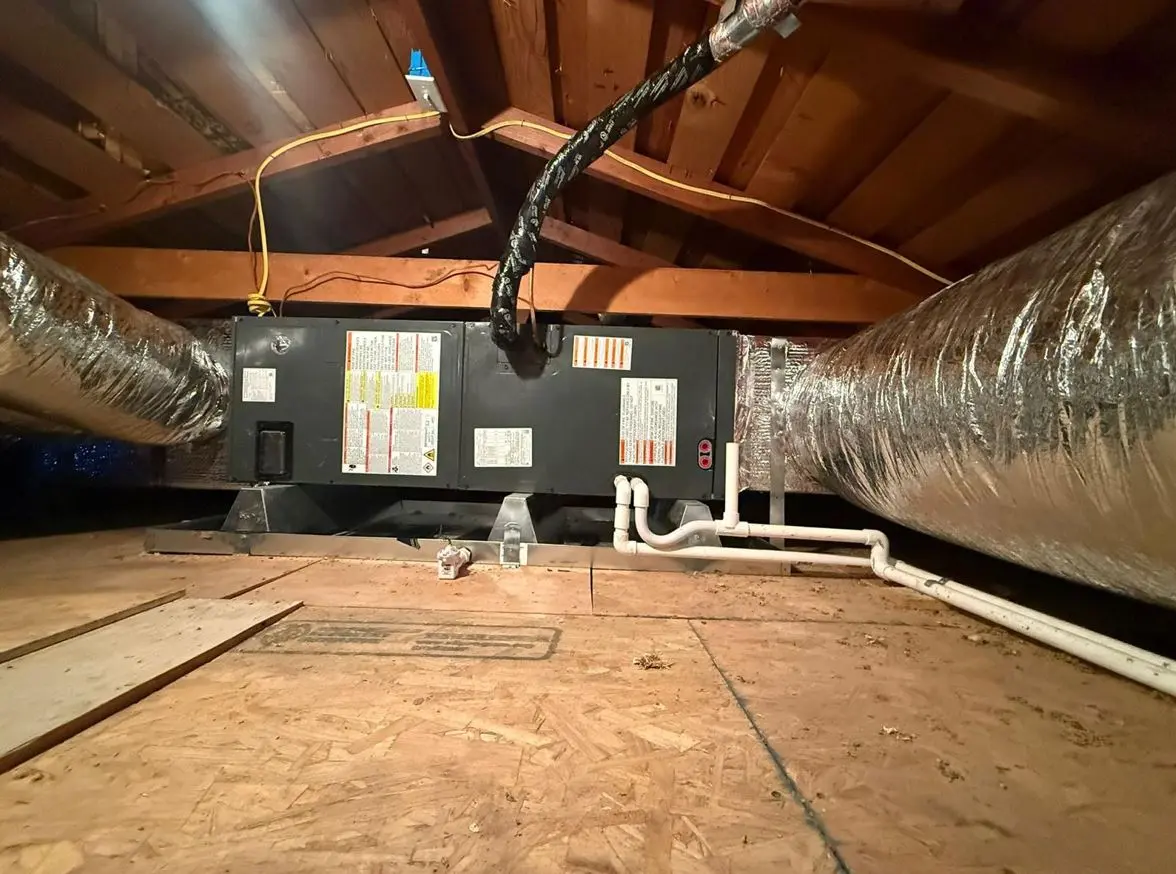
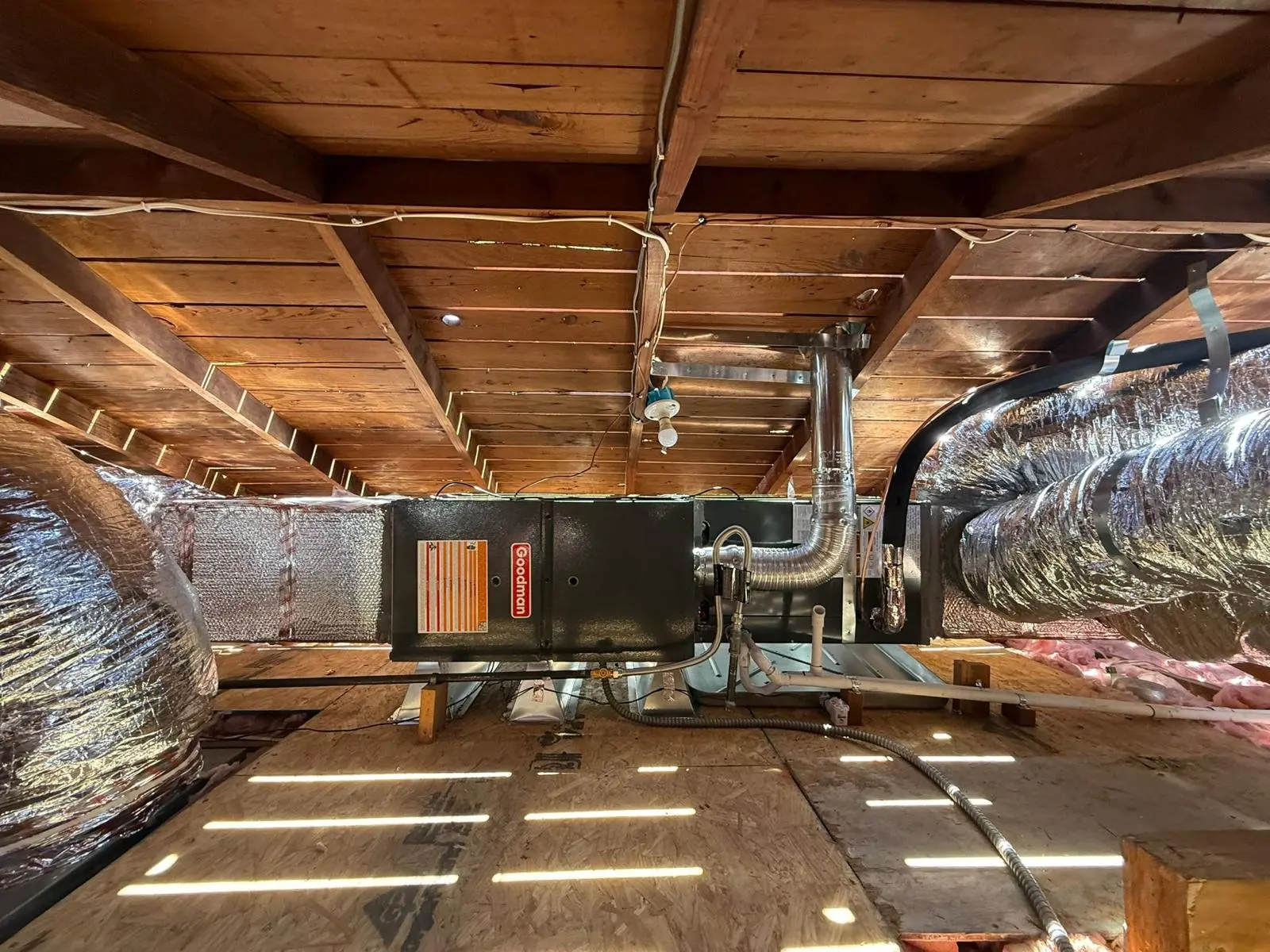
The new outdoor unit is set on a level concrete pad or wall bracket, secured, and connected to new refrigerant lines and the electrical disconnect. The indoor unit, whether a furnace with evaporator coil or a heat pump air handler, is installed in the designated location and connected to the supply and return duct system. Refrigerant lines are run, insulated, and charged to the manufacturer’s specification. Flue venting is installed and routed for gas furnace systems. The thermostat is installed and programmed for the new equipment.
Step 6: System Commissioning and Verification
The completed system is started and tested across both heating and cooling modes. We verify correct refrigerant charge, adequate airflow at every supply register, correct thermostat operation, proper gas ignition sequence and flue draft for furnace systems, and correct electrical draw at both the outdoor and indoor units. Any adjustments to refrigerant charge, airflow balance, or thermostat programming are made before the crew leaves.
Step 7: Inspections and Closeout
We coordinate all required mechanical, electrical, and gas inspections with the applicable building department. At project closeout you receive the complete permit and inspection documentation, the 2-year workmanship warranty in writing, all manufacturer equipment warranty documentation, a duct leakage test report where required by Title 24.
If you are ready to understand what a full system replacement would cost for your home, request a free estimate online or call (818) 483-8055 to schedule your on-site assessment.
Permits and California Requirements for Full HVAC Replacement
Full HVAC replacement requires a mechanical permit in all California jurisdictions. Gas furnace components require an additional gas line permit and a gas pressure test at completion. Heat pump installations and all systems with new electrical work require an electrical permit. Where the project includes duct repairs or replacement, California’s Title 24 energy code requires a duct leakage test confirming that the duct system meets maximum leakage rate standards for the applicable permit scope.
California’s Title 24 energy code sets minimum equipment efficiency standards for all new HVAC installations. For central AC systems, the California Energy Commission requires a minimum SEER2 of 13.4. For gas furnaces, a minimum AFUE of 80 percent applies in most residential applications. For heat pumps, minimum HSPF2 and EER2 requirements apply. We confirm applicable requirements for your address and structure type during the estimate visit and specify only compliant equipment.
The California Air Resources Board’s regulations restricting the sale of new gas furnaces and gas water heaters for residential use after 2030 are a relevant consideration for homeowners making a full system decision today.
Why Southern California Homeowners Choose Wise Choice for Full HVAC Replacement
15+ Years of Combined Experience Replacing Complete HVAC Systems
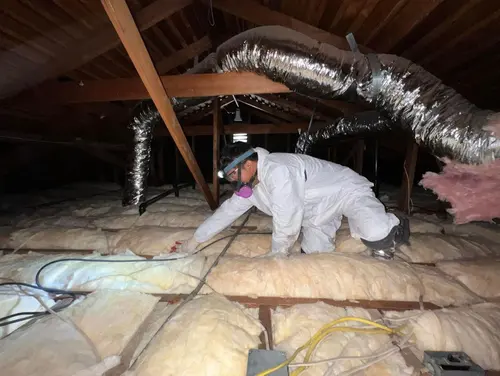
We have replaced complete heating and cooling systems on Southern California homes spanning every era of construction and every configuration of equipment and ductwork. The range of conditions our crew encounters, from attic ductwork that has been disconnected and patched multiple times to original R-22 systems that have been limping along for two decades, is wide, and our estimators know how to assess those conditions accurately so the project scope and price you see reflect what the job actually requires.
Licensed and Insured General Contractor
Every full HVAC replacement we perform is completed under our general contractor license by crew members fully covered by our insurance. You carry no liability exposure for work our team performs in your home.
Manual J Load Calculations on Every Job
We size replacement equipment to a Manual J load calculation performed at the estimate visit, not to the capacity of the system being replaced. Many Southern California homes were originally equipped with oversized systems, and replacing oversized equipment with equally oversized equipment perpetuates the short-cycling, humidity, and comfort problems the original installation created. We size correctly and explain the calculation.
Duct Assessment Included in Every Estimate
We do not price a full system replacement without assessing the duct condition first. Installing high-efficiency equipment on a leaking or undersized duct system is one of the most common ways a full replacement fails to deliver on its promise, and it is entirely preventable. We assess, report what we find, and include duct work in the scope only where it is genuinely needed.
2-Year Workmanship Warranty
Our 2-year workmanship warranty covers all installation labor on every aspect of the replacement including equipment setting, refrigerant lines, duct connections and repairs, electrical work, gas connections, and thermostat installation. If any workmanship-related failure occurs within two years under normal operating conditions, we return and correct it at no charge. The warranty is in writing and delivered at closeout alongside all manufacturer equipment warranties.
Financing Available
Financing is available for qualified homeowners including $0 down options. A full HVAC replacement is a significant investment, and the case for planning it rather than waiting for a failure is that a planned replacement is done on your schedule, with time to compare equipment, rather than in an August week with no cooling. Ask about current financing programs when you call.
Wise Choice Remodeling brings 15+ years of combined experience to full HVAC replacement across Southern California. If your heating and cooling equipment are both aging and you want a clear assessment of what full replacement would cost and whether the timing makes sense for your situation, call (818) 483-8055 to schedule your free on-site assessment.