If your roof is leaking or showing visible damage, the decision comes down to one factor: how much of the roof is compromised. Repairs make sense when damage is isolated to a small area; replacement is the right call when deterioration is widespread, the roof is past its expected lifespan, or repair costs are approaching replacement value. This guide walks through the specific signs, costs, and trade-offs to help you make that call with confidence.
What Roof Repair Covers
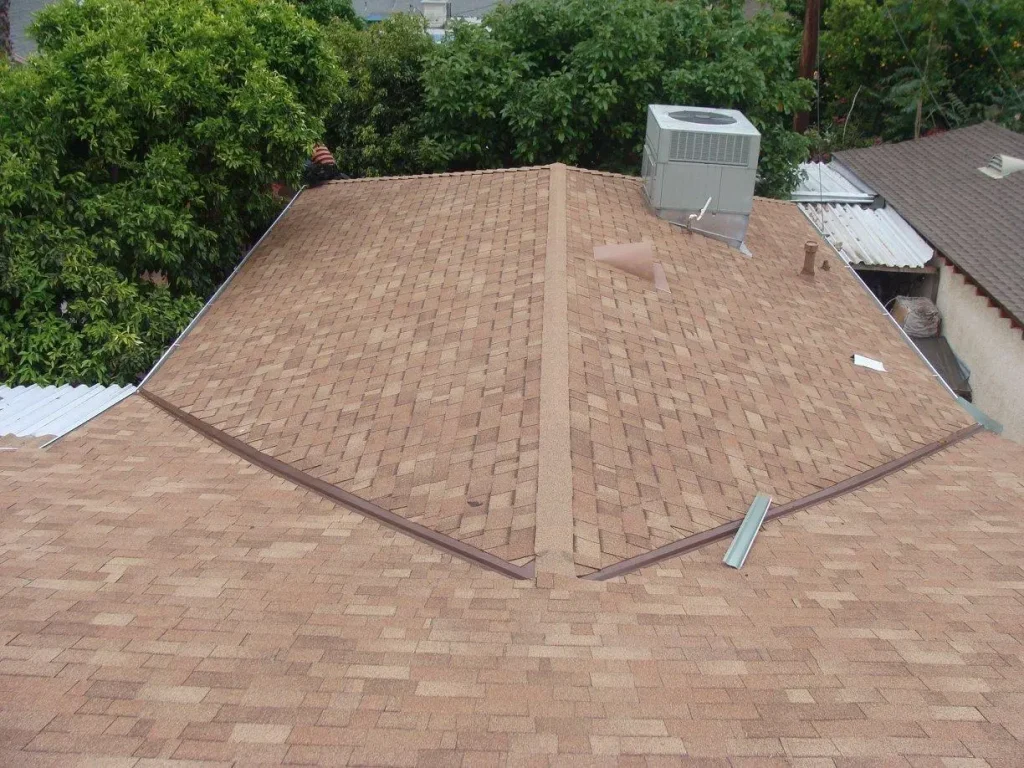
Roof repair addresses damage that is localized to a handful of cracked or missing shingles, a flashing failure around a chimney or skylight, a minor leak over a single room, or granule loss on a small patch. The underlying deck and structure remain sound. A skilled roofer can complete most repairs in a few hours without removing the existing roofing system.
Common repair scenarios include:
- Storm damage is limited to one roof section
- Cracked or curling shingles in a contained area
- Flashing that has lifted, cracked, or separated
- A single leak was traced to a specific penetration point
- Minor granule loss that has not exposed the mat layer underneath
Roof repair typically runs $5,000 to $10,000, depending on the extent of the damage, roof pitch, and how much of the deck underneath has to be rebuilt once the surface comes off. Most repairs carry a shorter warranty than a new installation, commonly one to three years on labor.
What Roof Replacement Involves
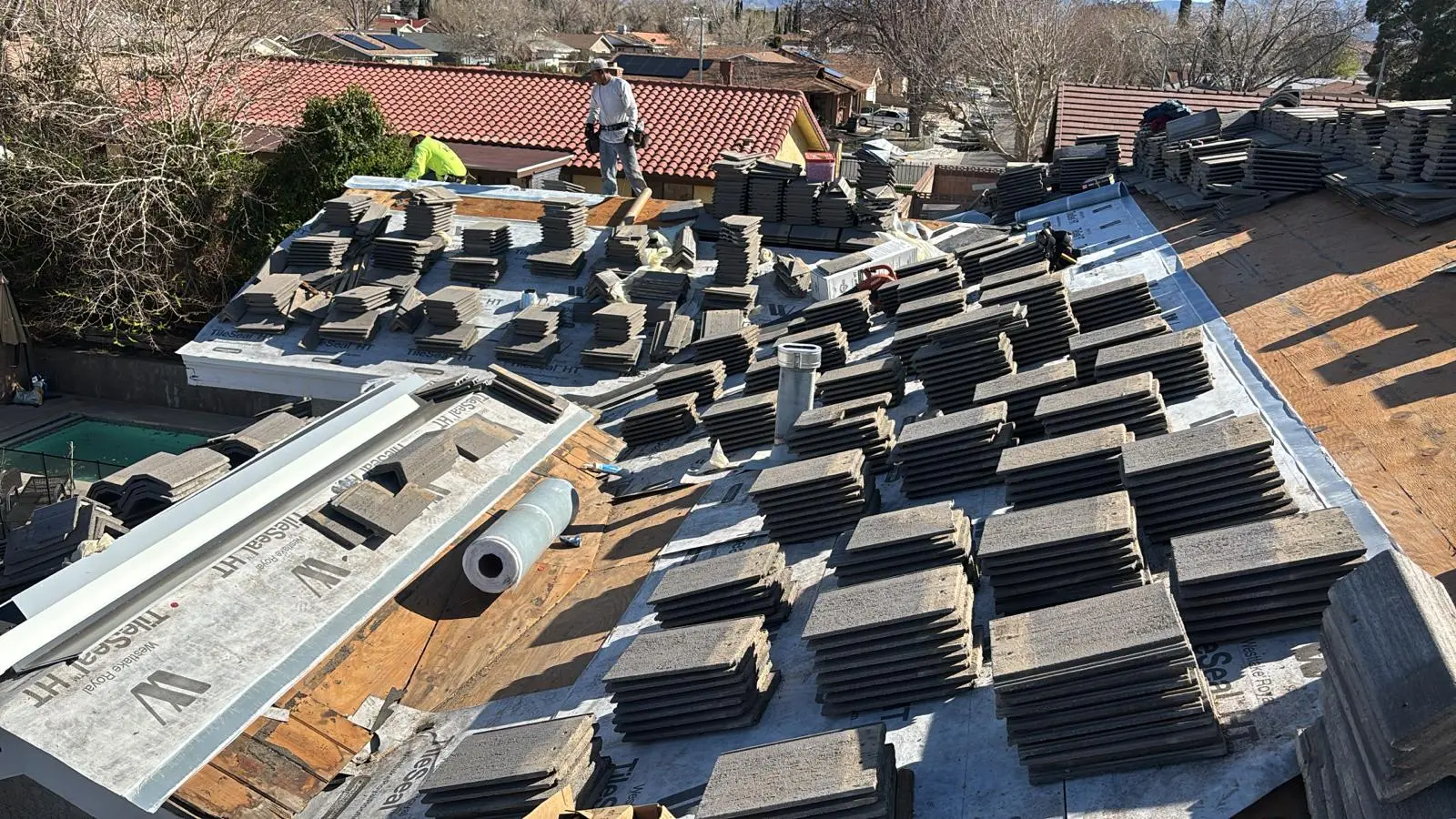
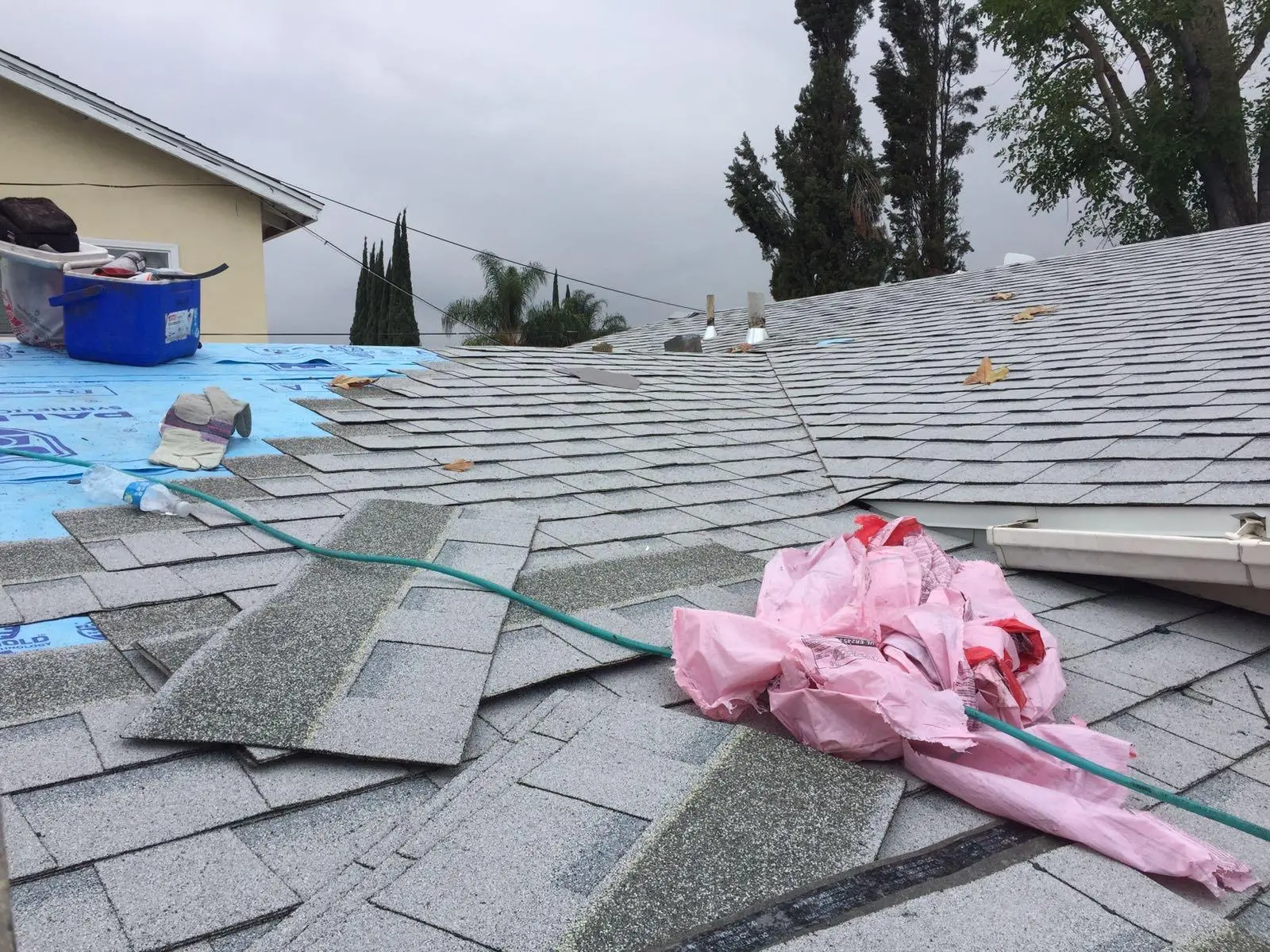
Replacement means removing the existing roofing system down to the deck, inspecting and repairing any compromised decking, and installing a new underlayment and roofing material. In California, the California Building Code and most local jurisdictions allow one layer of re-roofing (installing new shingles over old) in limited cases, but a full tear-off is the professional standard and almost always what lenders and insurance carriers require.
A full replacement on a typical Los Angeles single-family home runs $15,000 to $60,000, depending on roof size (measured in squares), pitch complexity, material choice, and permit fees. Premium materials such as concrete tile or Class 4 impact-resistant shingles fall at the higher end. According to the 2024 Remodeling Magazine Cost vs. Value Report, a midrange asphalt shingle roof replacement recoups approximately 61% of its cost in resale value nationally, with coastal California markets trending above that figure.
The Five Deciding Factors
1. Roof Age
Asphalt shingles carry a rated lifespan of 20 to 30 years, depending on grade. Concrete and clay tile can last 40 to 50 years. If your roof is within five years of the end of its rated life, spending on repairs is often money borrowed against an inevitable replacement. A roof inspection will confirm the actual condition, but age alone is a useful first filter.
2. Damage Coverage
The industry standard threshold is the 30% rule: if more than 30% of the roof surface shows damage or deterioration, replacement delivers better long-term value than piecemeal repairs. Below that threshold, repairs are typically cost-effective. Your roofing contractor should provide a written assessment that quantifies the affected area in squares, not vague descriptions.
3. Interior Water Damage
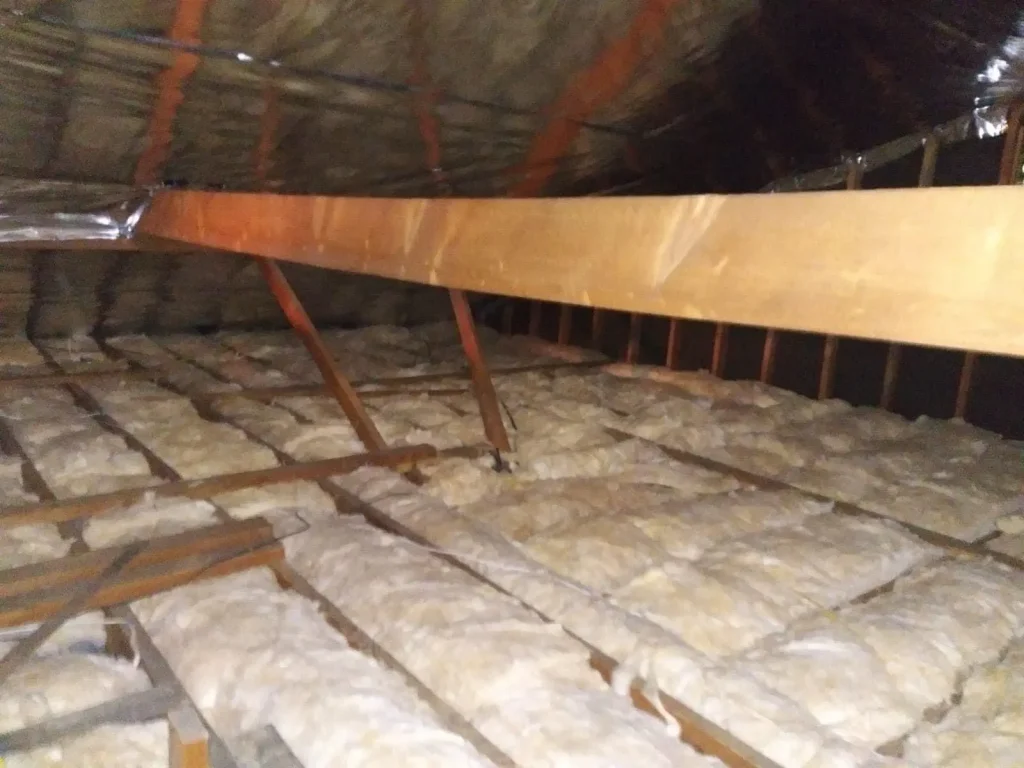
A single active leak that can be traced to a specific flashing point or a small shingle failure is a repair situation. Multiple staining patterns on ceilings in different rooms, wet insulation in the attic, or mold on the roof deck are signs that water has been penetrating the system in multiple places over time. That pattern points toward replacement.
4. Energy Performance
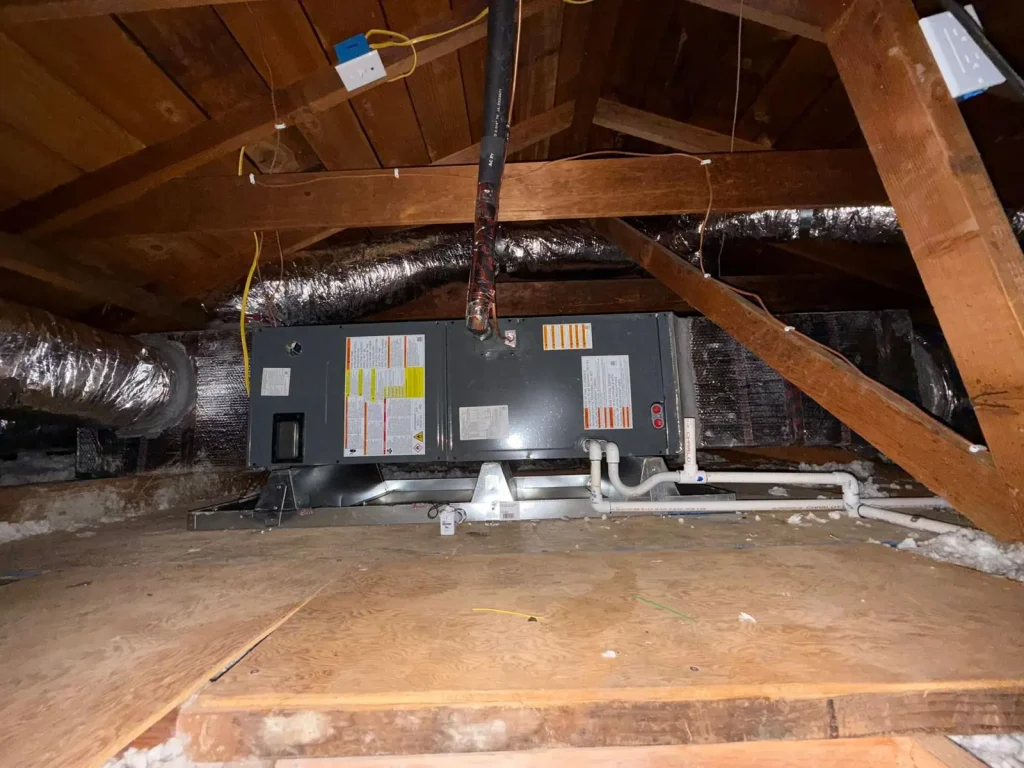
Older roofing systems often lack the reflective underlayments and radiant barrier options available in modern installations. In Southern California, where cooling loads are significant, upgrading to a cool roof during replacement can reduce attic temperatures and lower air conditioning demand. California’s Title 24 energy code requires cool roof compliance on many residential re-roofing projects. Your contractor should confirm whether this applies to your project and jurisdiction.
5. Insurance and Financing Implications
Many homeowners’ insurance carriers in California have tightened underwriting standards around roof age and condition. A roof older than 20 years may trigger a coverage review or exclusion from wind and hail claims at renewal. Replacing an aging roof can resolve that risk. If you are planning to sell within two to three years, a new roof also removes a common inspection contingency that delays closings or reduces the sale price.
Permits in Los Angeles
The Los Angeles Department of Building and Safety requires a permit for full roof replacement on residential structures. Re-roofing permits are issued under the LA Building Code, and inspections are required before the final sign-off. Permit fees vary by project valuation but typically run between $200 and $600 for a standard single-family home. Repairs that are not structural and do not involve more than a minor portion of the roof generally do not require a permit, though your contractor should confirm this for your specific property. Unpermitted work can create complications at resale and void manufacturer warranties on roofing materials.
If your home is in a fire hazard severity zone, which includes portions of the Santa Monica Mountains, Griffith Park adjacent neighborhoods, and the hillside communities above Burbank and Glendale, California, Title 19 and local fire codes may require Class A fire-rated roofing materials on any re-roof project. A licensed contractor familiar with LA’s requirements should pull the permit and handle inspection coordination.
When Repair Is the Right Answer
Repair makes sense when the roof is less than 15 years old, damage covers a clearly defined area of one or two squares, the rest of the system is intact on inspection, and no structural deck damage is present. It also makes sense as a short-term measure when replacement is planned within 12 to 24 months, but immediate protection is needed. Be clear with your contractor about that timeline so they do not over-invest in repair materials.
When Replacement Is the Right Answer
Replacement is the right call when the roof is within five years of its rated end-of-life, when more than 30% of the surface is compromised, when interior damage suggests long-term infiltration, when the insurance carrier is flagging the roof’s condition, or when the cost of repairs exceeds roughly 50% of replacement cost. It is also the right call if you are planning significant energy upgrades, adding solar, improving attic insulation, or installing a radiant barrier as part of a whole-home efficiency project.
Homeowners considering a full replacement should also evaluate whether a roof replacement makes sense in the context of their broader remodeling plans. Coordinating roofing with insulation, HVAC upgrades, or exterior work can reduce total project cost by minimizing mobilization trips and coordinating inspections.
Questions to Ask Any Roofing Contractor
Before accepting a repair or replacement estimate, ask these questions:
- Will you provide a written inspection report that documents the damaged area by square footage?
- Is the estimate based on a tear-off or re-roof over existing material, and why?
- Who pulls the permit and coordinates the inspection?
- What is the warranty on materials versus labor, and who backs the labor warranty?
- Are you licensed with the California Contractors State License Board?
Verify any contractor’s CSLB license number at cslb.ca.gov before signing a contract. California law requires any contractor performing work valued above $500 in combined labor and materials to hold a valid CSLB license.
Frequently Asked Questions
How do I know if my roof needs repair or full replacement?
The clearest indicators for replacement are a roof approaching or past its rated lifespan (20 to 30 years for asphalt, longer for tile), damage covering more than 30% of the surface, or evidence of water infiltration in multiple locations. If damage is isolated to one area and the roof is in its middle years, repair is typically the better choice. A written inspection report from a licensed roofing contractor is the most reliable way to confirm which applies to your home.
Can I repair only part of my roof instead of replacing the whole thing?
Yes, partial repair is appropriate when damage is genuinely contained. The concern is color and material matching; new shingles often do not match weathered existing shingles exactly, which creates visible patches. More importantly, if the surrounding shingles are aging and brittle, a repair in one section may simply shift where the next leak occurs. A good contractor will tell you honestly whether the surrounding material justifies partial repair or whether the economics favor a full replacement.
What does a roof replacement cost in Los Angeles?
A full roof replacement on a typical Los Angeles single-family home runs $15,000 to $60,000. Key variables are roof size (measured in 100-square-foot squares), pitch and complexity, material type (asphalt vs. tile vs. metal), tear-off requirements, and permit fees. Premium materials and steep-pitch roofs add cost. Financing options, including $0 down plans, are available through licensed contractors to spread the investment over time.
Does a roof replacement require a permit in Los Angeles?
Yes. The Los Angeles Department of Building and Safety requires a permit for residential roof replacement. Your contractor should pull the permit and coordinate the final inspection. Skipping the permit is not a cost-saving option; unpermitted work can invalidate manufacturer warranties, create complications when selling the home, and result in costly corrections if flagged during a future inspection or resale appraisal.
How long does a roof replacement take?
Most residential roof replacements in Los Angeles are completed in one to three days once materials are on-site. Larger homes, complex roof geometries with multiple valleys and penetrations, or projects requiring significant deck repair can extend to four or five days. Permit processing time from LADBS varies but typically runs two to four weeks for over-the-counter residential re-roofing permits, which your contractor should factor into the project schedule.
Will my homeowners’ insurance cover roof replacement?
Coverage depends on the cause of damage and the age of your roof. Sudden storm damage is typically a covered peril under most California homeowners’ policies. Age-related wear, gradual deterioration, and maintenance failures are generally excluded. Many carriers have added roof age restrictions in recent years and may offer actual cash value rather than replacement cost on roofs older than 15 to 20 years. Review your policy declarations and contact your carrier before filing a claim to understand what your coverage includes.
Is it worth repairing an old roof, or should I just replace it?
If your roof is within five years of its rated end-of-life, the math usually favors replacement. Repair costs on an aging system do not extend the roof’s functional life proportionally, and you may find yourself making another repair call 12 months later. The exception is a known short timeline; if you are selling the home soon and a modest repair passes the buyer’s inspection, that can make more financial sense than a full replacement. A contractor can give you a cost-per-year analysis to help frame that decision clearly.
Work With a Licensed Los Angeles Roofing Contractor
Wise Choice Remodeling has been helping Los Angeles homeowners make the right roofing decisions for over 10 years. We are licensed and insured under CSLB License #1104186, and our team handles permit coordination, inspection scheduling, and material selection from start to finish. Financing is available with $0 down options for qualified homeowners. If you are trying to decide whether to repair or replace and want a straight answer based on an actual inspection rather than a sales pitch, call us at (818) 483-8055 to schedule your free consultation.
Wise Choice Remodeling6100 Wilshire Blvd, Suite 560
Los Angeles, CA 90048
(818) 483-8055
Serving Los Angeles, Burbank, Glendale, Pasadena, Van Nuys, North Hollywood, Encino, Studio City, Sherman Oaks, and Woodland Hills.