Most residential roof replacements in the United States take one to three days to complete. The actual timeline depends on the size of your roof, the materials being installed, weather conditions on the day of work, and how much of the old roofing has to come off before new material can go down. A straightforward single-story home with asphalt shingles can realistically be finished in a single day. A large two-story home, a steep-pitch roof, or a switch to tile or metal can stretch the job to three days or more.
If you have a replacement coming up, knowing the honest timeline helps you plan around it. This guide walks through every factor that affects how long your project will take, what crews actually do each day, and what signs indicate a job is running longer than it should.
The Typical Roof Replacement Timeline
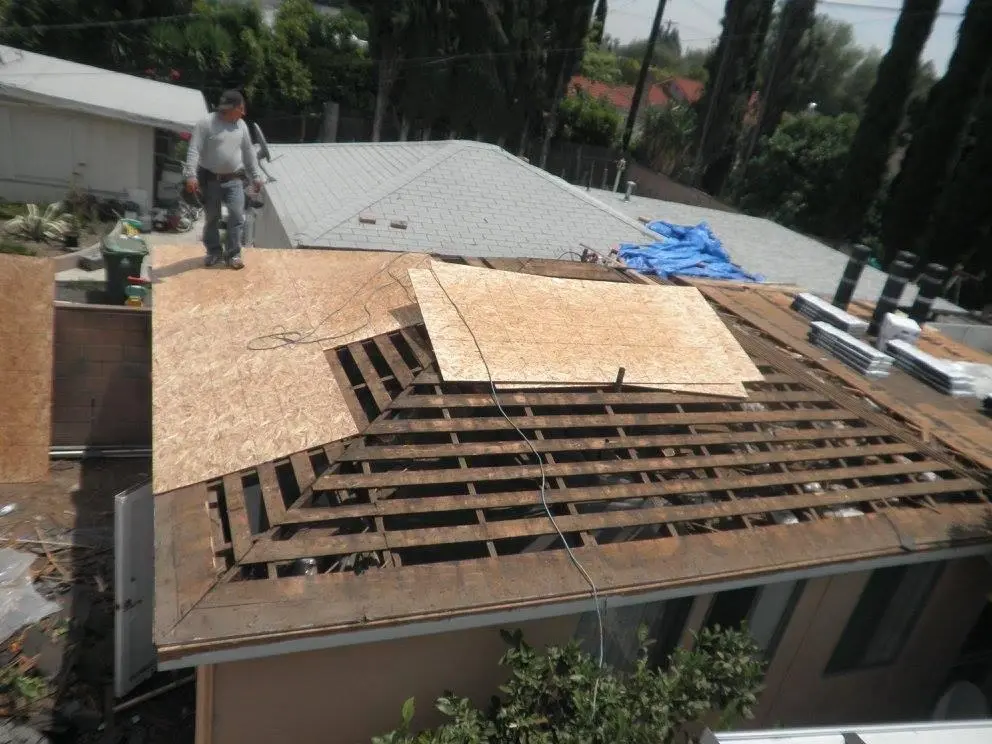
Day one of a roof replacement is usually the most disruptive. The crew arrives early, tarps your landscaping and HVAC equipment, and begins tearing off the existing roofing. Tear-off generates a significant amount of noise and debris, and it goes faster than most homeowners expect. On a 1,500-square-foot ranch home, a full crew can clear and begin re-nailing the deck within a few hours.
Once the deck is exposed, the crew inspects the sheathing for rot, soft spots, or damaged boards. Replacing rotted decking adds time and cost to the job. This is not optional work. Installing new shingles over compromised wood shortens the life of the roof and creates leak points. Honest contractors flag this before they quote the project, but damage sometimes only appears after the tear-off.
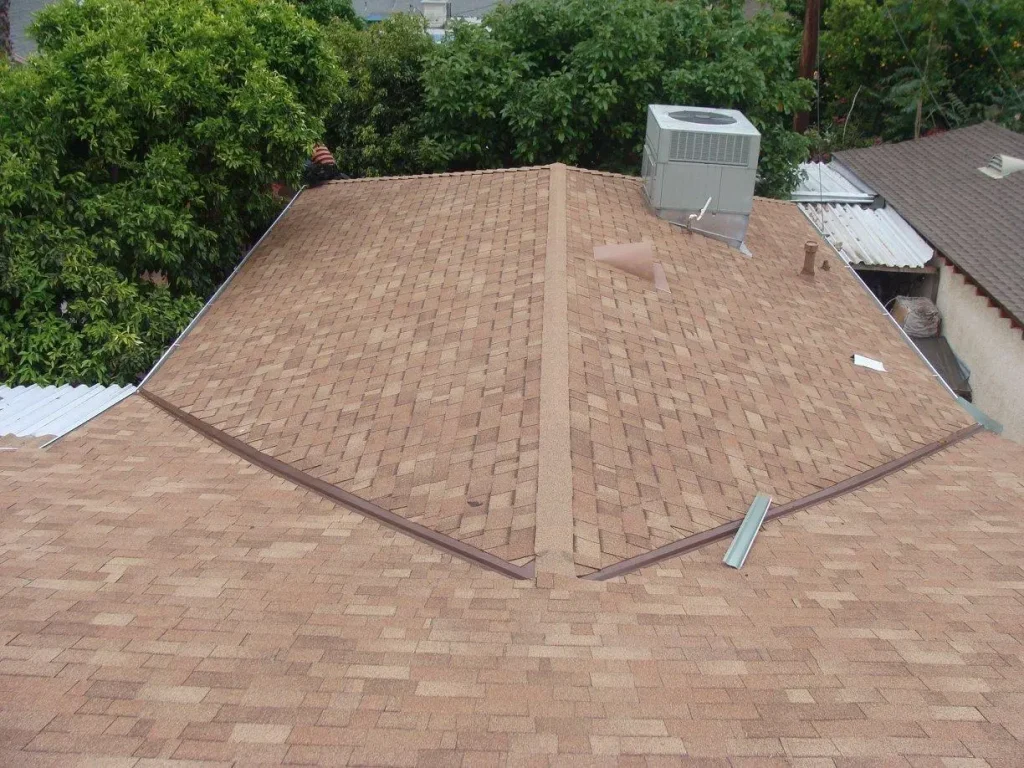
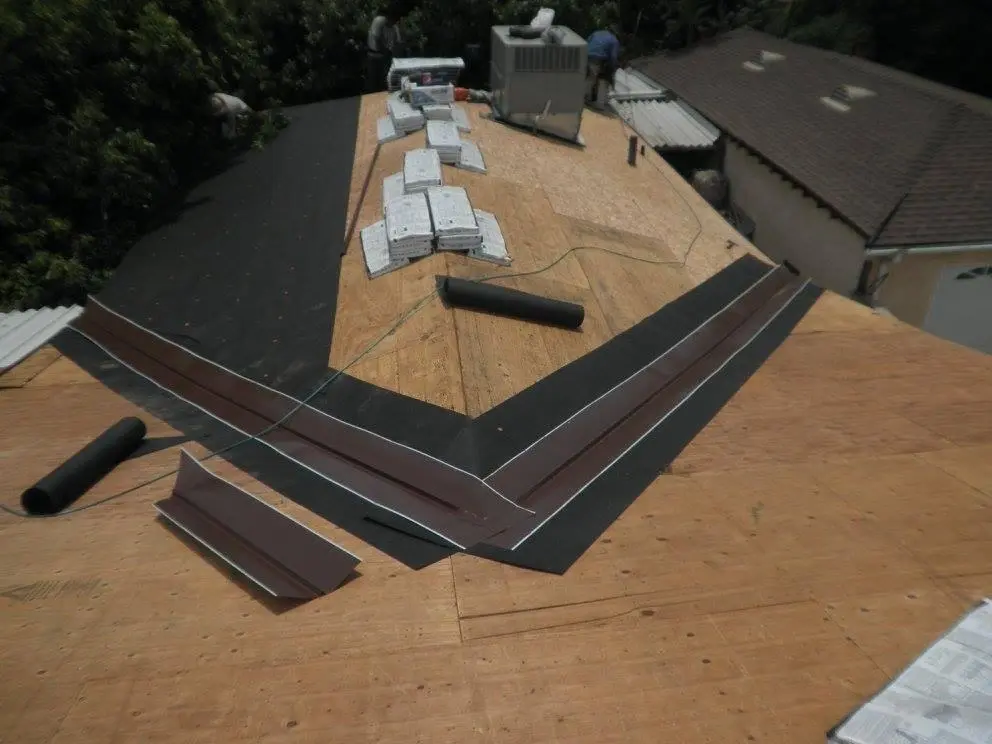
Day two, on larger projects, typically involves finishing felt underlayment installation, flashing replacement around chimneys and vents, and completing the shingle field. Ridge caps and drip edge go on last. Cleanup and final inspection close out the job.
What Makes Some Roofs Take Longer
Square footage is the most obvious driver, but it is not the only one. Roof pitch, material type, story count, and existing conditions all play a role.
Pitch. A steep roof requires harnesses, slower movement across the surface, and more careful staging of materials. Crews cannot carry the same load up a steep pitch as they can on a walkable slope. Expect steep-pitch jobs to add at least half a day to the schedule.
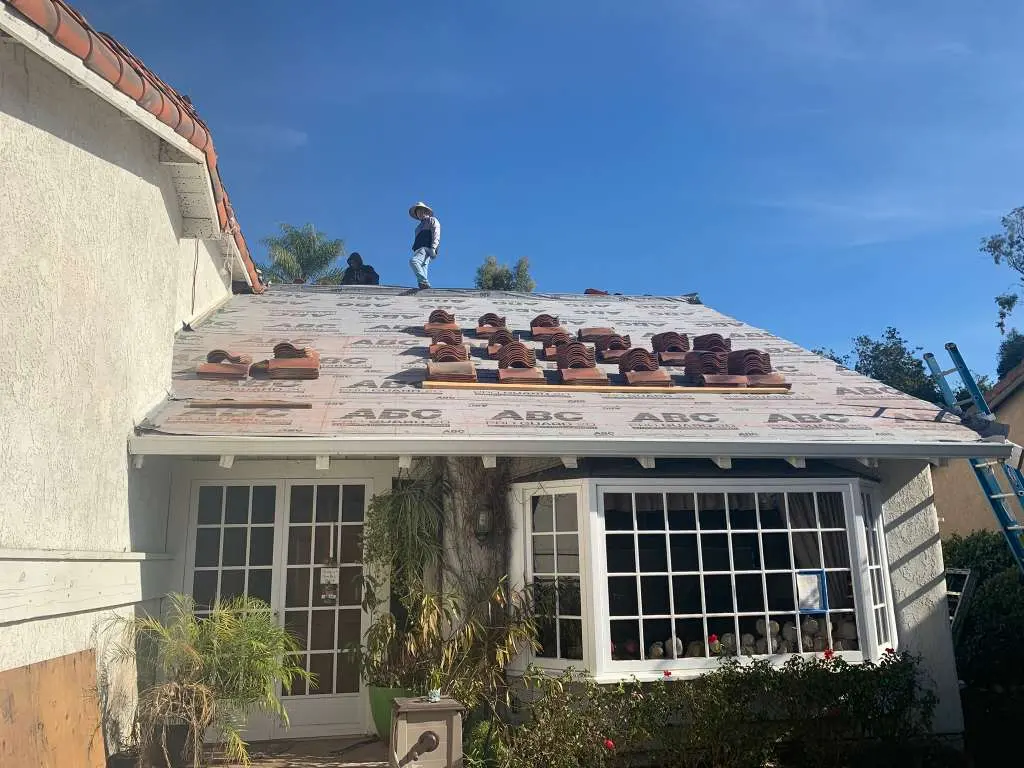
Material type. Asphalt shingles install fastest. Architectural shingles are similar in speed. Metal roofing requires more precise cutting, measuring, and seaming, and most crews will need an extra half day to a full day on the same footprint. Clay and concrete tile are the slowest of all common residential materials, adding one to two days on larger roofs, because each tile is individually set and the mortar work on ridges and hips requires cure time.
Layers. In California, the California Building Code allows a maximum of two layers of asphalt shingles on a residential roof. If your existing roof already has two layers, both must be torn off before new material goes on. Double tear-off takes more time and adds to disposal costs.
Chimneys, skylights, and penetrations. Every penetration through the roof surface requires its own flashing detail. A roof with four skylights, a chimney, and several plumbing vents takes longer than a clean gable end with no interruptions.
Weather Delays and How They Affect Scheduling
Roofing cannot proceed in the rain. Most manufacturers require that shingles be installed on dry surfaces at temperatures above 40 degrees Fahrenheit for proper sealing. In the Los Angeles area, this rarely causes the same disruption it would in other parts of the country, but winter months and seasonal storms can push a scheduled job by days.
If your roof is partially torn off when rain arrives, the crew will typically apply a temporary weatherproofing layer to protect the exposed deck. This is standard practice and does not harm the final installation. A responsible contractor plans for this possibility and keeps materials on site to cover unfinished sections.
According to the National Roofing Contractors Association (NRCA), weather-related delays are the most common cause of extended timelines on residential projects. Scheduling flexibility around the forecast is worth discussing with your contractor before work begins.
Permit Timelines in Los Angeles
Most straightforward residential roof replacements using like-for-like materials do not require a permit in Los Angeles. However, if you are changing the roofing material type, adding structural elements, or working in a fire hazard zone, a permit may be required. The Los Angeles Building and Safety Department has specific requirements for roofing in Very High Fire Hazard Severity Zones, and your contractor should verify the permit requirements before the job starts.
When a permit is required, it adds to the pre-construction timeline, not the installation timeline. Pulling a permit typically takes a few business days for a straightforward residential project. Factor this into your scheduling if you are working against a deadline. More information on permit requirements is available directly from the Los Angeles Department of Building and Safety.
What to Expect on the Day of Installation
Crews typically arrive between 7 and 8 a.m. The noise is real. Tearing off shingles and re-nailing decking is loud work, and it will be audible throughout the house. Plan accordingly if you work from home or have young children who nap during the day.
You do not need to be present for the job to proceed. The crew will need access to the exterior and to any attached garage where materials might be staged. Before the job starts, move vehicles out of the driveway. Keep pets inside. The debris generated during tear-off is significant, and a responsible crew will use tarps and dump equipment to manage it.
At the end of each day, the crew should walk the perimeter with a magnetic roller to pick up nails. Ask your contractor whether this is part of their standard close-out process.
Signs the Job Is Running Too Long
A single-day job stretching to three days without a clear explanation warrants a conversation. Some delays are completely normal. Others are not.
Normal delay causes: unexpected decking damage, weather holds, material delivery timing, and crew scheduling on multi-job days.
Delays worth questioning: crew not showing up at the scheduled time without notice, work pausing mid-job with no explanation, and materials sitting on the roof overnight for more than one night without progress.
A reputable contractor communicates proactively when something changes. If you are not hearing from your contractor and the schedule is slipping, ask directly for a revised completion date in writing.
How Much Does a Roof Replacement Cost?
Cost and timeline are related because materials, crew size, and scope all affect both. Roof replacement typically runs $15,000 to $60,000. Architectural asphalt sits at the lower end of that band, concrete and clay tile toward the upper end, and standing seam metal at the top. These are typical ranges, not minimums. Costs vary based on roof size, pitch, number of penetrations, and disposal fees for old materials. If a quote comes in significantly below these ranges, ask specifically what is included. Low bids frequently exclude decking replacement, flashing, or proper disposal.
Choosing the Right Contractor
Timeline questions are a useful way to evaluate a contractor before you hire. A contractor who gives you a vague “a few days” without asking about your roof size, pitch, or material type has not actually assessed your job. A contractor who walks your roof, notes the penetrations, checks the existing layers, and gives you a specific day count based on what they see is working from real information.
In California, verify that any roofing contractor holds an active license through the Contractors’ State License Board before signing a contract. The CSLB license number should appear on every quote and contract document. You can verify any license at cslb.ca.gov at no cost.
Ask for a written timeline in the contract. Ask what happens if the job runs over. Ask who is responsible for decking replacement if damage is found during the tear-off. These are not difficult questions. A contractor who answers them clearly is worth your time.
Frequently Asked Questions
Can a roof replacement be done in one day?
Yes, on many standard-sized homes. A single-story home under 2,000 square feet with a moderate pitch and asphalt shingle material can realistically be torn off, dried in, and shingled in a single long workday by an experienced crew. Larger homes, steeper pitches, and more complex materials typically require two to three days.
Do I need to stay home during the roof replacement?
No. You do not need to be present during the installation as long as the crew has access to the exterior and any areas used for material staging. Before the job starts, move vehicles, secure pets, and remove anything fragile from the perimeter of the house. Most homeowners choose to be away during the heaviest demo work in the morning, when noise levels are highest.
What happens if rain is in the forecast during my roof replacement?
A reputable crew monitors the forecast and plans around it. If rain arrives mid-job, the exposed deck will be covered with a waterproof underlayment to protect it until work can resume. Your contractor should communicate any weather-related delay on the day it affects the schedule, not after the fact. In Southern California, extended weather delays are uncommon but not rare during the winter rainy season.
Does a roof replacement require a permit in Los Angeles?
Like-for-like shingle replacement on a standard residential roof typically does not require a permit in Los Angeles. Permit requirements increase when you change materials, add structural components, or work in a designated fire hazard zone. Your contractor should verify the permit requirements for your specific property with the Los Angeles Department of Building and Safety before starting the job.
How does tile roofing compare to asphalt in terms of installation time?
Tile roofing takes significantly longer to install than asphalt shingles. Clay and concrete tile require individual placement, mortar work on ridges and hips, and proper cure time before the roof is fully sealed. On the same home, a tile installation can take two to three times longer than an asphalt shingle job. The tradeoff is longevity. Tile roofs in Southern California commonly last 40 to 50 years with proper maintenance.
What is the best time of year to replace a roof in Los Angeles?
Spring and fall are generally the best windows in the Los Angeles area. Temperatures are moderate, rainfall is lower than in winter, and extreme summer heat is not a factor. Summer installations are common and proceed without issue, but very high temperatures can soften asphalt shingles during installation and make working conditions harder for crews. Avoid scheduling during the peak of the winter rainy season if your timeline allows flexibility.
If you are planning a roof replacement and want a clear timeline and honest assessment from a licensed contractor, Wise Choice Remodeling has been completing residential roofing projects across Los Angeles for over 10 years. The team is licensed under CSLB #1104186, and consultations are free. Call (818) 483-8055 to schedule yours.
Wise Choice Remodeling
6100 Wilshire Blvd, Suite 560
Los Angeles, CA 90048
(818) 483-8055
Serving Los Angeles, Burbank, Glendale, Pasadena, Van Nuys, North Hollywood, Encino, Studio City, Sherman Oaks, and Woodland Hills.