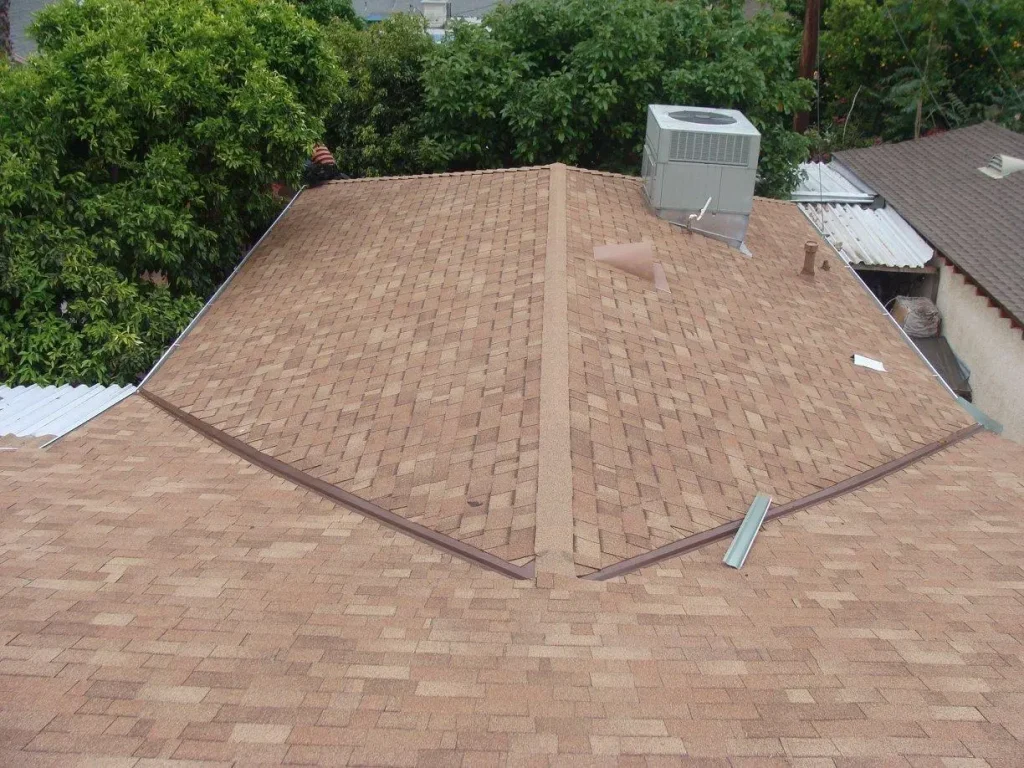
Your roof needs replacement when it shows multiple failure signals at once: curling or missing shingles, granule loss, interior water stains, sagging decking, or an age of 20 years. A single damaged shingle is a repair. Three or four of these problems appearing together means replacement is the more cost-effective path. This guide walks through every warning sign homeowners commonly miss, what each one means structurally, and when it makes financial sense to replace rather than patch.
How Long Should a Roof Last?
Lifespan depends on the material. According to the National Association of Home Builders (NAHB), asphalt 3-tab shingles last 15 to 20 years, architectural shingles 24 to 30 years, wood shake 20 to 25 years, and metal roofing 40 to 70 years. Tile and slate can exceed 50 years when properly maintained.
Most homes in the Los Angeles region were built with standard asphalt shingles. If your home is over 20 years old and you do not have documentation of a roof replacement in that time, age alone is a reason to have the roof professionally inspected. Southern California’s UV intensity and thermal cycling accelerate shingle degradation compared to cooler climates.
The Most Common Warning Signs
Curling or Buckling Shingles
Shingles curl in two ways. Cupping curls the edges upward. Clawing keeps the edges flat while the middle lifts. Both indicate the shingle is absorbing moisture unevenly, which happens when the material has aged past its useful life or when ventilation below the decking is inadequate. Either type of curling exposes the underlayment to rain and UV damage.
Missing Shingles
Wind lifts shingles when the sealant strip along the bottom edge has dried out. One missing shingle after a storm is a repair situation. A pattern of missing shingles in the same zone means the sealant has failed across a section of the roof. If re-nailing replacement shingles does not hold, the decking beneath may be compromised.
Granule Loss
Asphalt shingles are coated with mineral granules that protect the asphalt layer from UV radiation. New shingles shed a small amount of loose granules during the first season. Heavy, consistent granule loss in the gutters or at downspout outlets means the shingles are near the end of their service life. The exposed asphalt below hardens, cracks, and eventually allows water infiltration.
Water Stains on Interior Ceilings or Walls
Brown rings or yellowish stains on drywall ceilings, are the most visible sign of a roof leak. The leak point is often not directly above the stain. Water travels along rafters and sheathing before dropping. Any interior staining warrants an inspection that traces the moisture path back to the entry point on the roof surface.
Daylight Visible from the Attic
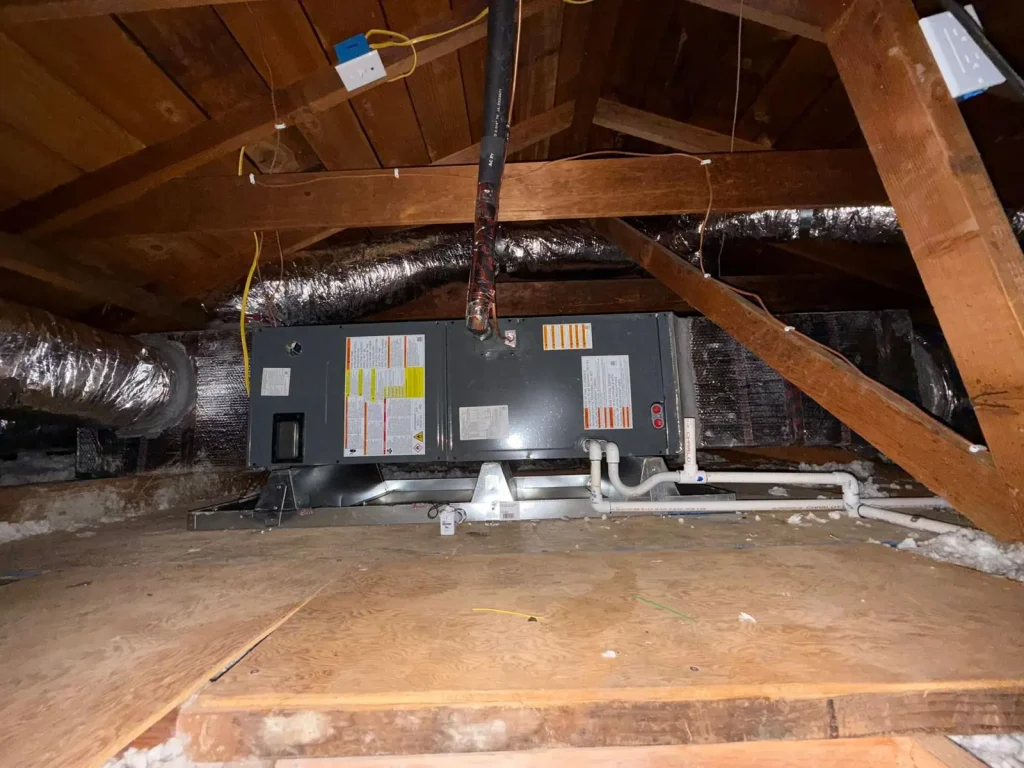
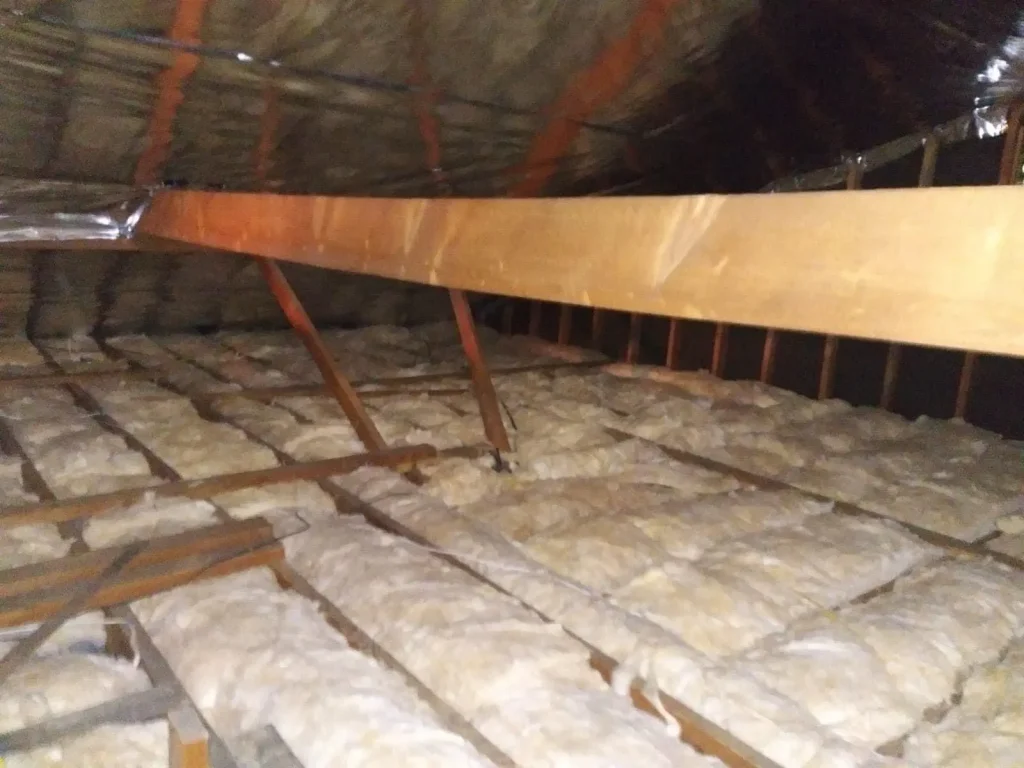
On a bright day, go into the attic with the lights off. Any pinpoints of light coming through the roof decking indicate gaps, cracks, or open nail holes. If light is getting in, so is water. This inspection also reveals soft spots in the sheathing and dark streaking that signal past or active moisture intrusion.
Sagging Roof Deck or Roofline
A roofline should be straight and uniform. Any visible dip, wave, or sag in the decking is a structural warning. Sagging typically means the sheathing has absorbed water and lost rigidity, or the rafters below have been weakened. This is not a repair situation. Sagging decking requires immediate professional assessment and almost always replacement of the affected sections, if not the full roof system.
Moss, Algae, and Lichen Growth
Green or black biological growth on shingles holds moisture against the surface. Algae causes the black streaking common on asphalt roofs in shaded areas. Moss roots work beneath shingle edges and lift them. Lichen bonds to the granule surface and damages it when removed. Occasional cleaning can address early growth, but heavy moss or lichen on an aging roof accelerates failure and often accompanies other signs of deterioration.
Damaged Flashing
Flashing is the metal sealing around chimneys, skylights, vents, and roof valleys. Failed flashing accounts for a significant share of residential roof leaks. Older homes often used roof cement or tar at these transitions rather than metal flashing. When the cement dries and cracks, water enters at these seams. Proper flashing repair or replacement should be part of any full roof replacement.
Repair vs. Replacement: How to Decide
The decision comes down to three factors: age, coverage area, and frequency of repairs.
If your roof is under 15 years old and damage is limited to one clearly defined zone caused by a specific event, such as a fallen branch or storm damage, repair is the appropriate response. If your roof is past 20 years and you are patching the same areas repeatedly, those repair costs are compounding toward a number that will soon exceed replacement cost with no extension of the roof’s life.
A useful benchmark: if the repair cost exceeds 30 percent of the replacement cost and the roof is in its final third of expected life, replacement is the better financial decision. A licensed contractor can give you a documented assessment of remaining useful life based on the current condition of the sheathing, flashing, and ventilation system.
What Roof Replacement Costs in California
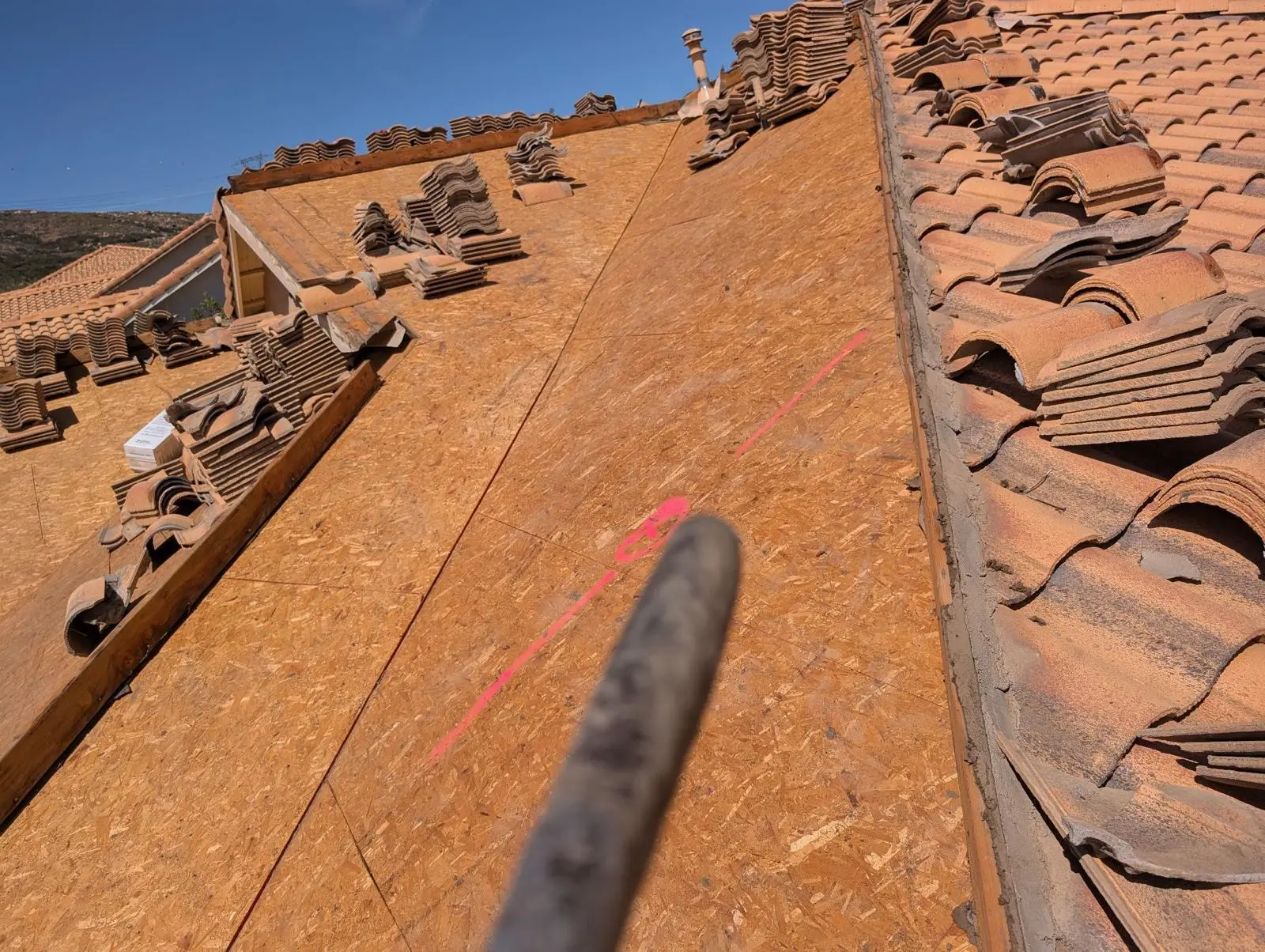
Roof replacement typically runs $15,000 to $60,000, with the final number driven by roof square footage, pitch, material choice, and whether the decking needs replacing once the old surface comes off. Material is the single largest variable, and it also sets how long the roof lasts:
| Material | Average Lifespan |
|---|---|
| 3-Tab Asphalt Shingles | 15 to 20 years |
| Architectural Shingles | 24 to 30 years |
| Metal Roofing | 40 to 70 years |
| Concrete Tile | 40 to 50 years |
| Clay Tile | 50+ years |
These are installed costs, including labor, tear-off of the existing roof, underlayment, and flashing. Steep-pitch roofs and multi-story homes carry higher labor costs. Homes with multiple penetrations (chimneys, skylights, HVAC curbs) add flashing complexity and cost.
California Permit Requirements for Roof Replacement
In California, a full roof replacement requires a building permit in most jurisdictions. The permit triggers an inspection of the decking condition and ensures the new roofing system meets the California Building Code, including requirements under Title 24 for fire resistance and energy performance. Los Angeles County and the City of Los Angeles both require permits for complete re-roofing projects.
Homeowners who skip permits face complications when selling the home, since unpermitted work must be disclosed and can delay or kill a sale. In fire-risk zones, which cover significant portions of the Los Angeles hillsides and foothill communities, the California Department of Forestry and Fire Protection (CAL FIRE) imposes additional Class A fire-resistance requirements on roofing materials. A licensed roofing contractor will pull the permit and manage the inspection process as part of the project.
According to the California Contractors State License Board, any roofing contractor performing work valued over $500 in California must hold a valid CSLB license. Always verify a contractor’s license number before signing a contract.
What to Look for in a Roofing Contractor
California requires a C-39 Roofing Contractor classification for licensed roofers. Verify the license is active at the CSLB website before any work begins. Beyond licensing, look for these qualifications:
- Carries both general liability insurance and workers’ compensation coverage
- Provides a written, itemized estimate that specifies the material brand and grade
- Pulls permits and manages inspections directly
- Offers a written workmanship warranty separate from the manufacturer’s material warranty
- Has verifiable local references from completed projects in your area
Avoid any contractor who asks for large upfront payments, declines to pull permits, or offers a price significantly below other estimates without a clear explanation. California law limits a contractor’s deposit to 10 percent of the contract price or $1,000, whichever is less, on home improvement contracts.
When evaluating estimates, homeowners considering a full roof replacement should ask each contractor to document the decking condition, the ventilation assessment, and the specific underlayment product being used. These details separate thorough contractors from those cutting corners on the components you will never see once the shingles go down.
Frequently Asked Questions
How many layers of shingles can a California home have before a full tear-off is required?
California Building Code and most local jurisdictions limit residential roofs to two layers of asphalt shingles. If your home already has two layers, the existing material must be torn off completely before new shingles are installed. This adds to labor cost but is required by code. A contractor who suggests installing a third layer is not operating within California code requirements.
Does homeowner’s insurance cover roof replacement?
Homeowner’s insurance typically covers roof damage caused by a covered peril such as wind, hail, or fire. It does not cover damage resulting from age, neglect, or normal wear and tear. If your roof fails due to a storm event, document the damage before any repairs are made and file a claim promptly. Many insurers require a licensed contractor’s inspection report as part of the claims process. Review your policy’s actual cash value versus replacement cost value provisions, since the distinction significantly affects your settlement amount.
Can I reroof my house myself without a permit in California?
California allows homeowners to pull their own permits for work on their primary residence, but re-roofing without any permit violates building code and creates liability when selling. The permit and inspection process exists to verify that the decking is structurally sound before it is covered. If deteriorated sheathing is not caught and replaced, it becomes a hidden structural problem. Most lenders and title companies will flag unpermitted roofing work during escrow, which can delay or terminate a sale.
What is the difference between a roof repair and a roof replacement?
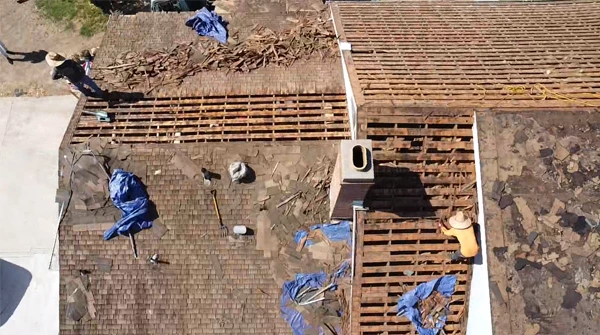
A repair addresses a specific, isolated failure: a missing shingle, a cracked flashing seal, or a small area of granule loss. A replacement removes the entire roofing system down to or including the decking and installs new underlayment, flashing, and surface material across the full roof. The decision between them depends on the age of the existing roof, the scope of deterioration, and whether isolated repairs can restore weathertight performance or simply delay an inevitable replacement.
How long does a full roof replacement take?
Most residential roof replacements in Los Angeles are completed in one to three days for standard single-story or two-story homes. Larger homes, complex roof geometries with multiple valleys and penetrations, or tile roof systems take longer. Weather holds, and permit inspection scheduling can add time. Your contractor should give you a written project timeline before work begins, including the expected date for the final inspection sign-off.
What roofing materials are approved in California fire hazard zones?
Homes in State Responsibility Areas and Very High Fire Hazard Severity Zones in California are required to use Class A fire-rated roofing materials. Concrete tile, metal roofing, and Class A-rated asphalt shingles all meet this requirement. Standard wood shake does not. If you live in a hillside or foothill community in the Los Angeles area, check your property’s fire hazard designation through the CAL FIRE Fire Hazard Severity Zone map before selecting a roofing material.
Ready to Have Your Roof Assessed?
Wise Choice Remodeling provides professional roof inspections and replacement services across Los Angeles and surrounding communities, with CSLB License #1104186 and over 10 years of local experience. If you are seeing any of the signs described above, the next step is a documented assessment from a licensed contractor who can tell you clearly whether repair or replacement is the right call. Call (818) 483-8055 to schedule your free consultation.