Why Vinyl Windows Are the Right Choice for Southern California Homes
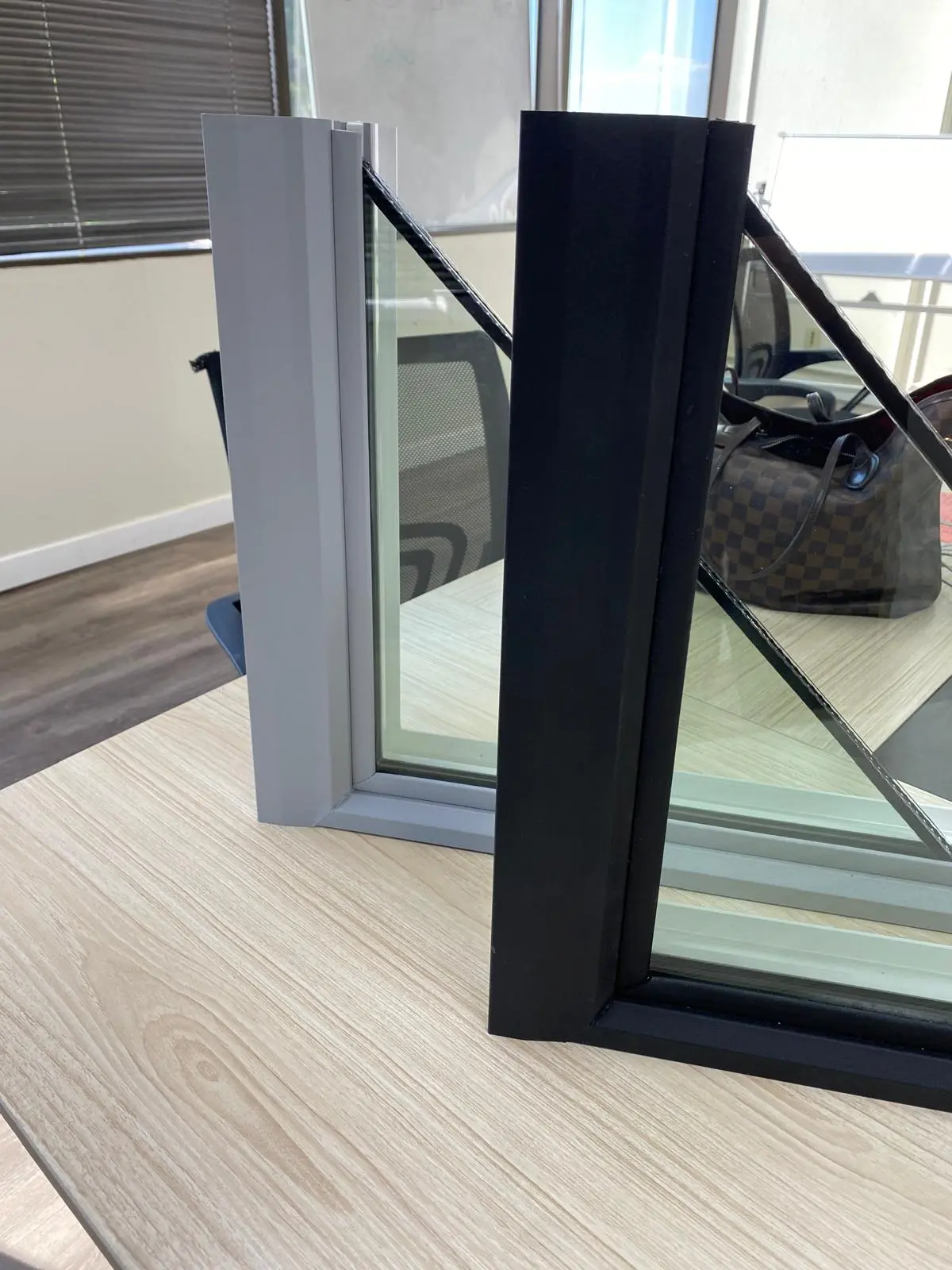
Vinyl window replacement is the process of removing existing window units and frames and installing new vinyl-framed window systems in the same or modified openings. Vinyl frames are made from extruded PVC, a material with low thermal conductivity that does not transfer heat through the frame the way aluminum does, making vinyl windows significantly more energy efficient than the aluminum single-pane windows installed in the majority of Southern California homes built before 1990. Combined with dual-pane or low-E insulated glass, a vinyl window system addresses heat gain through both the glass and the frame simultaneously, reducing cooling loads, cutting outside noise, and eliminating the condensation and drafts that signal a failing window seal or a conductive frame. For homeowners replacing aluminum single-pane windows in Southern California, vinyl is the practical standard for performance, durability, and long-term value.
Vinyl Window Types We Install
Double-Hung Vinyl Windows
Double-hung windows have two operable sashes that slide vertically, allowing ventilation from the top, bottom, or both. They are the most common window type in Southern California homes and the most straightforward to replace in kind. Modern double-hung vinyl windows tilt inward for cleaning, which matters on second-story installations where exterior access is limited.
Sliding Vinyl Windows
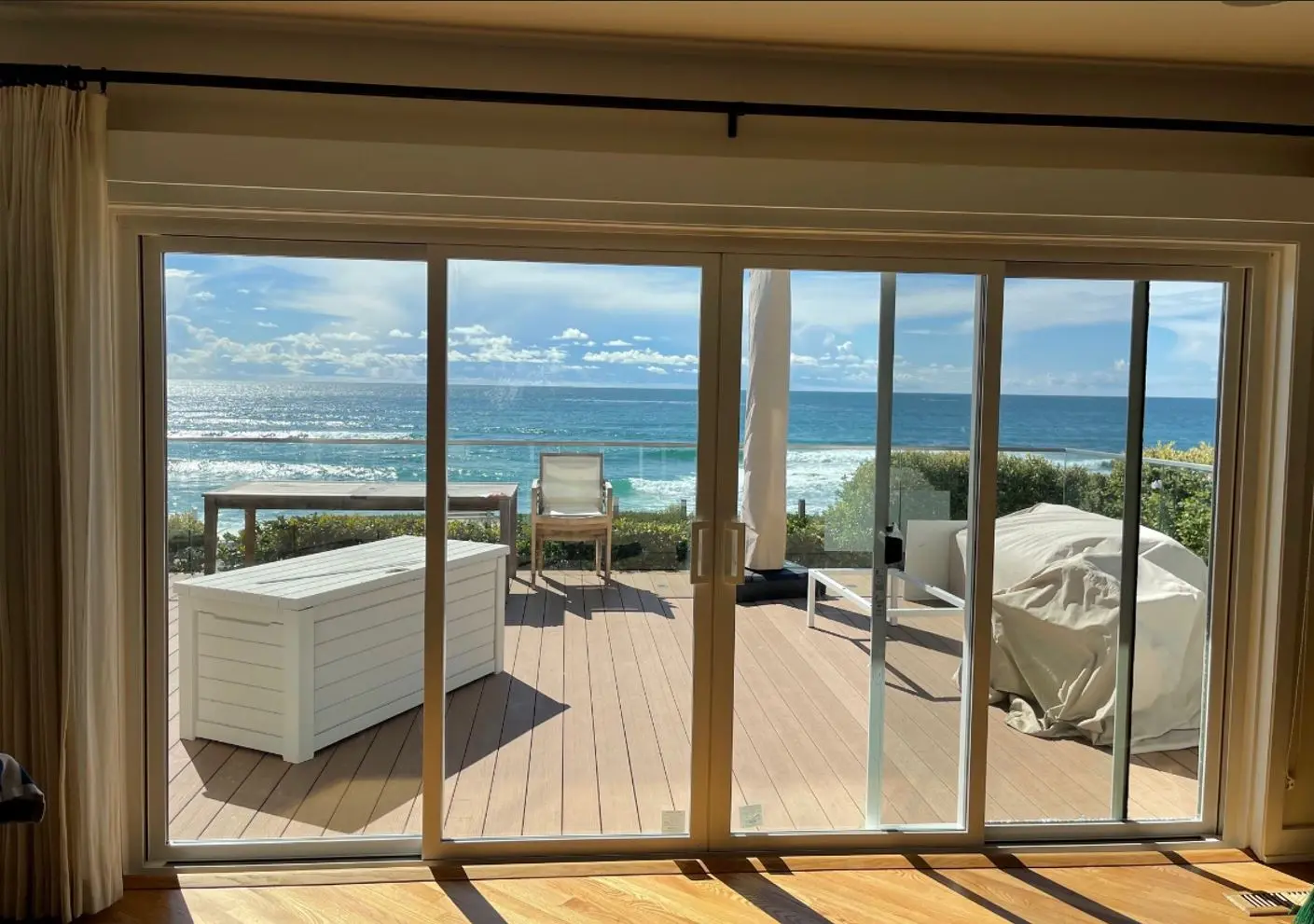
Sliding windows operate horizontally and are common in Southern California ranch homes and mid-century construction where wide, low window openings are part of the architectural style. Vinyl sliding windows replace the aluminum sliders that were standard in residential construction through the 1980s and 1990s and offer significantly better thermal performance and weatherstripping at the meeting rail.
Casement and Awning Vinyl Windows
Casement windows are hinged on one side and swing outward, providing full opening ventilation and a tighter seal than sliding windows when closed because the sash compresses against the frame. Awning windows are hinged at the top and open outward at the bottom, allowing ventilation during light rain. Both are available in vinyl with the same energy performance options as other window types.
Picture and Fixed Vinyl Windows
Fixed windows do not open and are used where natural light or sightlines matter more than ventilation. They are the most thermally efficient window configuration because there are no operable components to seal around, and they are commonly combined with operable units on either side to balance views and ventilation.
Bay and Bow Vinyl Windows
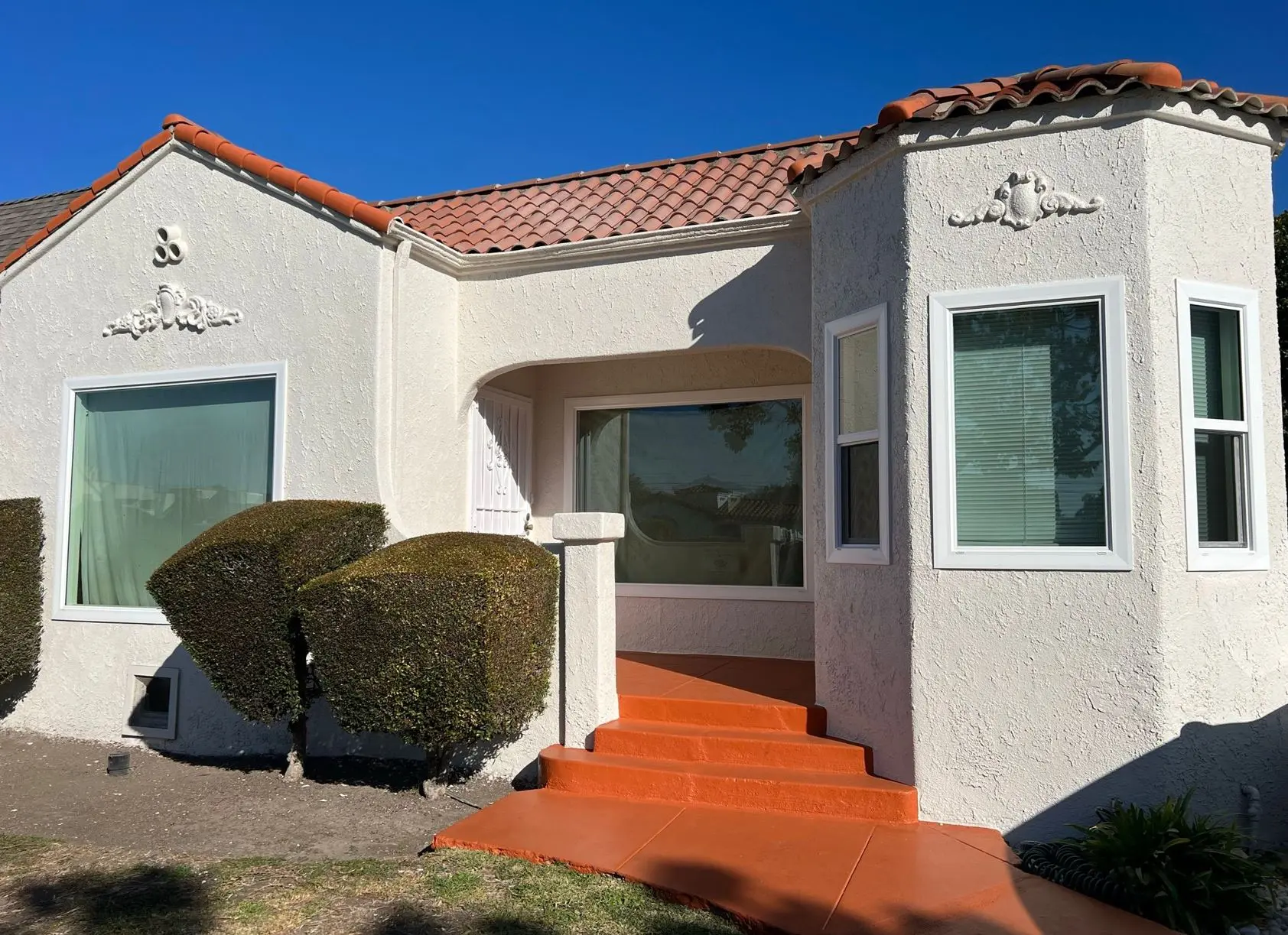
Bay and bow window configurations project outward from the wall plane and are available with vinyl frames across the full combination of fixed and operable units. These installations require structural assessment of the header and sill conditions and are scoped accordingly during the estimate visit.
Custom Shape and Specialty Vinyl Windows
Arched, eyebrow, and other custom-shaped windows are available in vinyl for homes where the existing opening is non-standard or where the architectural style calls for a specific shape. Lead times for specialty shapes are longer than standard units and are factored into the project schedule at the estimate stage.
Vinyl vs. Aluminum vs. Fiberglass: What Southern California Homeowners Need to Know
| Frame Material | Thermal Performance | Maintenance | Cost Range | Best For |
|---|---|---|---|---|
| Vinyl (PVC) | Excellent, low conductivity, no thermal bridging | Very low, no painting, no corrosion | Mid-range | Most Southern California residential replacements |
| Aluminum | Poor, highly conductive, significant heat transfer | Low, durable but can pit near coast | Lower | Commercial, where thermal performance is secondary |
| Fiberglass | Excellent, comparable to vinyl, dimensionally stable | Very low, paintable, extremely durable | Higher | High-end residential, extreme temperature swing areas |
| Wood-clad | Good, wood is a natural insulator | High, interior wood requires ongoing maintenance | Highest | Historic homes, premium renovations where aesthetics lead |
For the majority of Southern California homeowners replacing aluminum single-pane windows, vinyl delivers the thermal performance improvement needed at a cost that makes whole-home replacement financially practical. Fiberglass is worth considering for premium projects or homes with architectural details that vinyl profiles cannot replicate. The full comparison between window materials is part of every estimate conversation we have. For homeowners whose priority is maximum energy performance across the glass and frame assembly, our energy efficient window options include products with enhanced low-E coatings and gas fills that push performance further than standard dual-pane vinyl.
What Vinyl Window Replacement Costs in Southern California
According to the U.S. Department of Energy, replacing single-pane windows with energy efficient models can reduce heating and cooling costs by 12 to 15 percent in a typical home. For Southern California homeowners running air conditioning through a nine-month cooling season, that reduction compounds significantly over the life of the windows. Cost ranges for vinyl window replacement in Southern California:
These ranges reflect installed cost including labor, trim, and cleanup. Permit fees where required are not included in these ranges and vary by jurisdiction. The written estimate you receive after an on-site measurement visit reflects your specific home, opening conditions, and product selection. Financing is available for qualified homeowners including $0 down options.
Call (818) 483-8055 to schedule your free vinyl window measurement and estimate.
Our Vinyl Window Installation Process
Step 1: Free On-Site Measurement and Assessment
A licensed Wise Choice estimator visits your home, measures every window opening being replaced, inspects the frame, sill, and surrounding wall condition at each location, and reviews the product options with you based on your home’s architectural style, your HOA requirements if applicable, and your performance and budget priorities. The visit typically takes 45 to 75 minutes depending on window count. You receive a written itemized estimate before the end of the next business day with no obligation to proceed.
Step 2: Product Selection and Order
Once the estimate is approved, we finalize product selection, confirm Title 24 compliance for the chosen units, and place the order with the manufacturer. Lead times for standard vinyl window products typically run two to four weeks. Custom shapes and specialty configurations run longer, and we give you the specific lead time at the estimate stage so your project schedule is realistic from the start.
Step 3: Permit Determination and Application
We confirm the permit requirement for your specific project and jurisdiction. If a permit is required, we submit the application with Title 24 product documentation and schedule the inspection as part of the project timeline. If the replacement qualifies as permit-exempt under your jurisdiction’s rules, we confirm that in writing so you have documentation of the determination.
Step 4: Installation Day
Our licensed crew arrives with all windows on the truck, removes the existing windows and frames, inspects the rough opening and sill at each location before the new window goes in, installs the new unit with proper shimming and fastening, applies flashing tape and sealant at the exterior, and completes interior and exterior trim work. Removed windows and all debris are staged for removal throughout the day. No opening is left exposed overnight.
Step 5: Cleanup and Final Walkthrough
All removed windows, packaging, and installation debris are hauled off-site before the crew leaves. You walk the completed installation with the crew lead, confirm every window operates correctly, and receive your closeout package including the 2-year workmanship warranty, manufacturer window warranty documentation, Title 24 compliance confirmation, and permit sign-off where applicable.
If you are ready to get measurements and pricing for your home, request a free estimate online or call (818) 483-8055 to schedule a visit at your convenience.
Permits and Title 24 Requirements for Vinyl Windows in California
California’s Title 24 Building Energy Efficiency Standards set minimum U-factor and solar heat gain coefficient (SHGC) requirements for replacement windows in residential buildings. U-factor measures how well the window resists heat flow through the assembly. SHGC measures how much solar heat the window transmits into the home. In most Southern California climate zones, replacement windows must meet a maximum U-factor of 0.30 and a maximum SHGC of 0.23 for the glazing to comply with Title 24. Standard clear dual-pane glass without a low-E coating does not meet these thresholds, which means a qualifying low-E coated product is required for permitted replacement work.
We verify the Title 24 requirements for your specific climate zone during the estimate visit, specify only compliant products, and include the compliance documentation in the permit application. At project closeout you receive confirmation of Title 24 compliance for the installed product as part of your documentation package.
Why Southern California Homeowners Choose Wise Choice for Vinyl Windows
15+ Years of Combined Experience Replacing Windows
We have replaced windows on homes ranging from 1950s ranch houses with original aluminum sliders to newer construction that needs updated products for HOA compliance or energy performance. The older the home, the more likely there are rough opening conditions, moisture damage, or non-standard sizing that require attention before the new window goes in. We have seen enough of those situations to handle them without turning them into project surprises.
Licensed and Insured General Contractor
Every window replacement we perform is completed under our general contractor license by a crew fully covered by our insurance. You carry no liability exposure for work our team performs in your home.
Written Estimates, No Changes Without Your Approval
The price in the estimate is the price on the invoice for the scope described. If an opening reveals unexpected rot, damaged framing, or conditions not visible during the initial visit, we call before doing any additional work, explain exactly what we found, and give you the cost of addressing it before touching anything outside the original scope.
2-Year Workmanship Warranty
Our 2-year workmanship warranty covers the installation, flashing, trim, and sealant work our crew performs on every window. If any workmanship-related issue develops within two years under normal conditions, we return and correct it at no charge. That warranty is in writing and delivered at closeout alongside the manufacturer’s product warranty on the window units themselves.
HOA Support Included
For homeowners in HOA-governed communities, we provide product specifications, exterior color samples, and any documentation the HOA requires for its review. We factor the review period into the project timeline so the approval process does not create a schedule gap when the windows are ready to install.
Financing Available
Financing is available for qualified homeowners including $0 down options. A whole-home window replacement is a significant investment, and we do not want budget timing to be the reason a home keeps losing energy through windows that should have been replaced years ago. Ask about current financing programs when you schedule your estimate.
Wise Choice Remodeling brings 15+ years of combined experience to replacing windows on Southern California homes. If your home still has its original aluminum single-pane windows, every summer you wait is a summer of avoidable energy loss. Call (818) 483-8055 or request a free estimate online to schedule a free on-site measurement with no obligation.