Why Gas Line Upgrades Are Necessary for Tankless Water Heater Installations
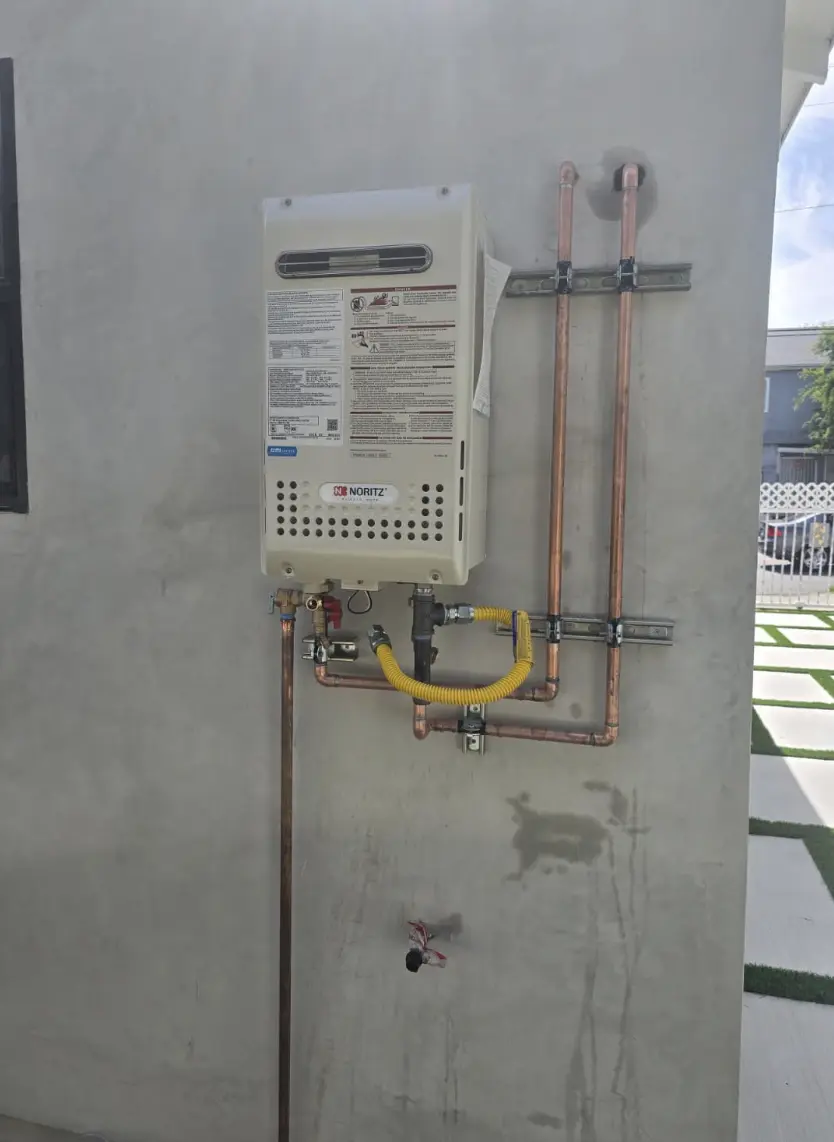
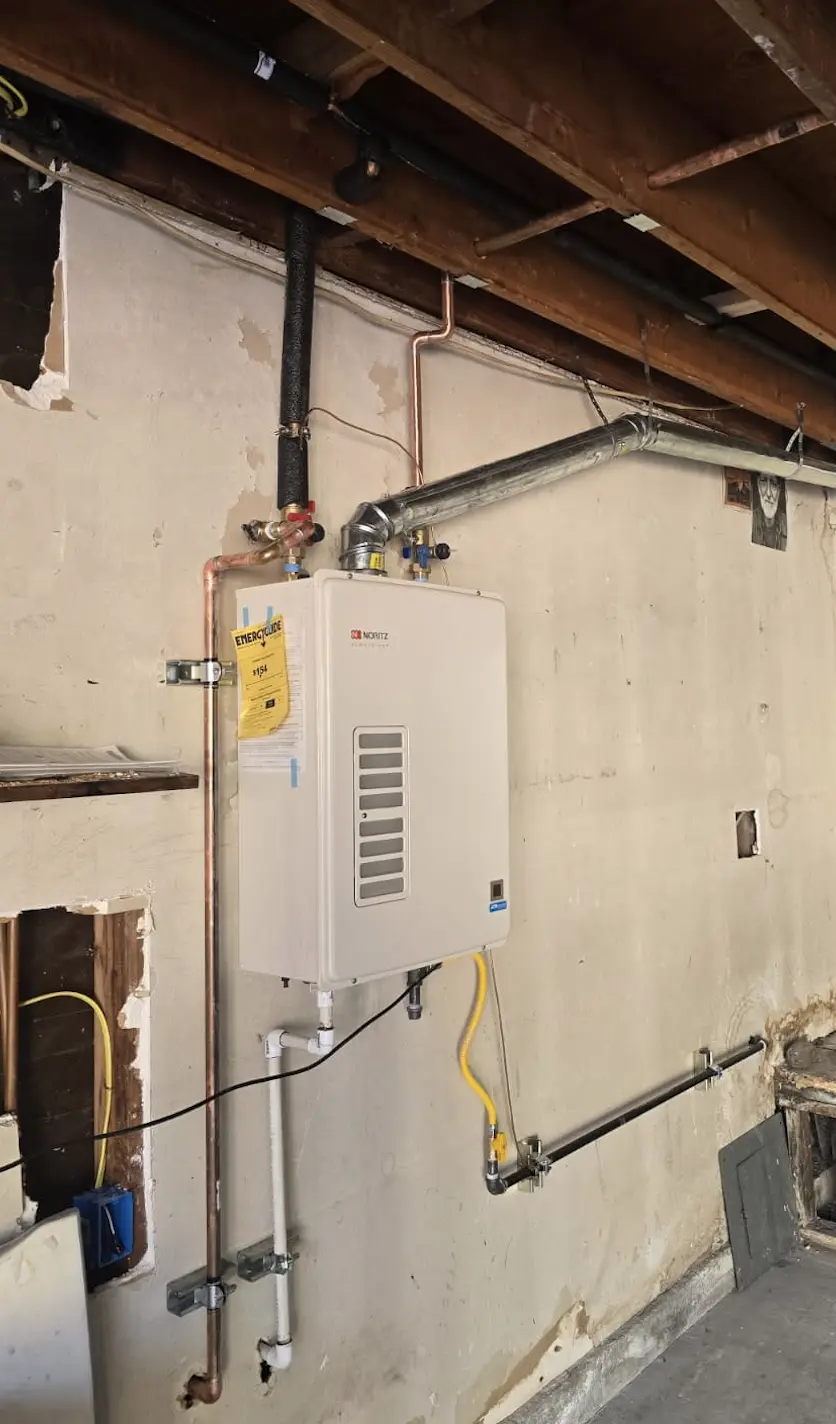
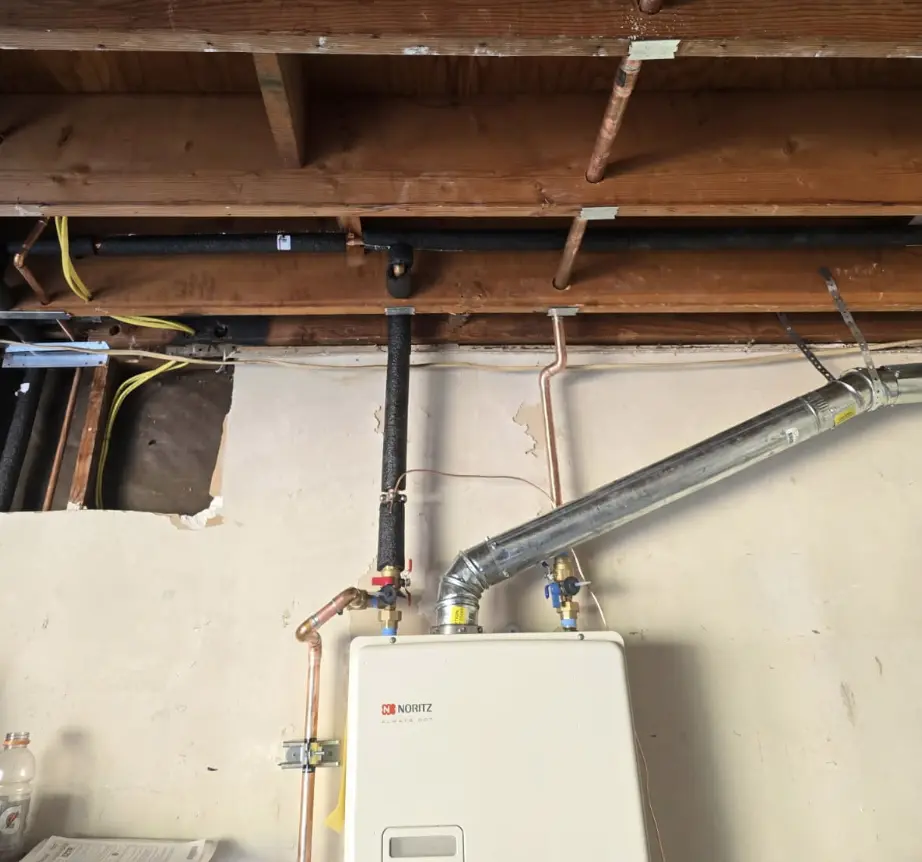
A gas line upgrade is the replacement or addition of supply piping from the gas meter to the appliance location with a larger diameter pipe capable of delivering the gas volume a gas tankless water heater requires at full demand. It is not an optional enhancement to a gas tankless installation. It is a prerequisite for the installation to perform correctly whenever the existing gas supply line from the meter to the water heater location is sized for the conventional storage tank that the tankless unit is replacing, which is the case in the majority of Southern California homes undergoing a tank-to-tankless conversion. The storage tank drew 30,000 to 50,000 BTU per hour. The gas tankless unit fires at 150,000 to 200,000 BTU per hour when heating water at full demand. That is three to five times the gas volume the existing line was designed to carry, delivered in real time rather than over the hours it takes to reheat a storage tank. The result of installing a gas tankless unit on an undersized supply line is not a system failure that announces itself immediately. It is a unit that heats water adequately when one fixture is running slowly, that delivers lukewarm water when demand increases, and that produces the customer disappointment and service callbacks that define most negative gas tankless water heater experiences in Southern California. The gas supply assessment and upgrade, when needed, is the investment that determines whether the tankless unit performs as advertised.
Gas Line Upgrade Scopes We Perform
Gas Line Upgrade from Meter to Water Heater Location
The most common upgrade scope runs a new, larger-diameter gas supply line from the meter or the last adequately sized section of the existing main supply line through to the water heater installation location. This is the full upgrade that ensures the tankless unit has an unobstructed supply path from the utility’s delivery point to the appliance. The new line is run through the garage, utility space, or attic, depending on the routing available at the specific property, and is terminated with the appropriate flexible connector and shutoff valve at the unit location. The routing strategy and pipe size are confirmed at the estimate visit based on the run length, the appliance BTU demand, and the California Plumbing Code gas pipe sizing tables.
Branch Line Upgrade from Existing Main
In some cases, the main supply line from the meter is adequately sized, but the branch line running from the main to the water heater location is the restriction. This is common in homes where the main supply runs through the garage at an adequate diameter, but the branch teed off to the water heater was installed in a smaller diameter, adequate for the original tank. A branch line upgrade in this scenario runs from the tee point on the main at the required diameter to the water heater location, which is a shorter run than a full meter-to-appliance upgrade and typically costs less. We confirm which section is the restriction during the gas supply assessment before proposing the scope.
Gas Line Upgrade with Appliance Load Balancing
For homes with multiple high-BTU gas appliances, the gas supply assessment must account for the combined simultaneous demand of all appliances rather than sizing only for the tankless unit in isolation. A home with a gas furnace, gas range, gas dryer, and gas tankless water heater all potentially operating simultaneously requires a main supply line from the meter sized for that combined load. If the existing main is undersized for the combined load, the upgrade may need to begin at the meter rather than at the first available tee point. We identify the full appliance load during the assessment and size the upgrade to meet the combined demand, not only the tankless unit’s individual requirement.
CSST Flexible Gas Line Installation
Corrugated stainless steel tubing is the material of choice for residential gas line upgrades in Southern California because its flexibility allows routing through tight spaces, around obstacles, and through non-linear paths with fewer fittings and penetrations than threaded black steel pipe requires. CSST installations must be bonded in accordance with the California Building Code and the CSST manufacturer’s installation requirements, which we include as standard scope on every CSST installation. We confirm the appropriate material for the specific routing conditions and local jurisdiction requirements at the estimate visit and use CSST where it is the most practical and code-compliant choice for the routing path.
Gas Pipe Sizing for Gas Tankless Water Heaters
| Tankless Unit BTU Rating | Run Length from Meter | Minimum Required Pipe Size | Typical Existing Supply |
|---|---|---|---|
| Up to 150,000 BTU/hr | Up to 25 feet | 3/4 inch | Often, 1/2 inch upgrade is typically required |
| Up to 150,000 BTU/hr | 25 to 50 feet | 3/4 inch to 1 inch, depending on total load | Often 1/2 to 3/4 inch, upgrade often required |
| 150,000 to 200,000 BTU/hr | Up to 25 feet | 3/4 inch minimum, 1 inch preferred | Almost always undersized, upgrade required |
| 150,000 to 200,000 BTU/hr | 25 to 50 feet | 1 inch minimum | Almost always undersized, upgrade required |
| 200,000+ BTU/hr or parallel units | Any run length | 1 inch to 1.25 inches, depending on run length and total load | Always requires upgrade, often from meter |
According to the International Association of Plumbing and Mechanical Officials, gas pipe sizing for residential appliances is governed by the International Fuel Gas Code as adopted into California’s plumbing and mechanical codes, which require that pipe sizing be calculated based on the total connected load, the run length from the meter, and the minimum acceptable inlet pressure at each appliance. Gas pipe sizing by rule of thumb rather than by the code tables is not acceptable practice and is the primary reason undersized gas lines are installed on tankless water heaters across Southern California. We size every gas line upgrade to the applicable code tables and confirm adequate delivery pressure at the unit location before the tankless unit is connected. For homeowners pursuing a gas tankless installation as part of a broader tank replacement, our tank-to-tankless conversion service covers the complete scope, including the gas line upgrade, in a single coordinated project.
What Gas Line Upgrades Cost in Southern California
Cost is driven by the run length from the meter or the last adequately sized section, the pipe diameter required, the routing path and difficulty, and whether CSST or black steel pipe is the appropriate material. These ranges reflect what Southern California homeowners typically pay:
These are installed cost ranges, including all pipe, fittings, connections, shutoff valves, and permit fees. Gas line upgrades are typically performed simultaneously with the tankless water heater installation and priced as a combined project. Financing is available for qualified homeowners, including $0 down options.
Call (818) 483-8055 to schedule your free gas supply assessment and upgrade estimate.
Our Gas Line Upgrade Process
Step 1: Free Gas Supply Assessment
A licensed Wise Choice estimator visits your home, measures static gas pressure at the existing appliance location and at a hose bib or test point near the meter if accessible, inspects the existing supply line size and routing from the meter to the appliance, confirms the BTU rating of the tankless unit being installed alongside the BTU demand of other gas appliances in the home, and calculates the required pipe size for the combined load using the applicable California code tables. The visit takes 30 to 60 minutes. You receive a written assessment and estimate for the upgrade scope before the end of the next business day with no obligation to proceed.
Step 2: Permit Application
We submit the gas permit application to the applicable jurisdiction with a scope of work identifying the existing pipe size, the new pipe size, the run length, and the appliance loads served. Permit processing timelines vary by jurisdiction and are factored into the project schedule. We notify you when the permit is approved and coordinate the gas pressure test inspection timeline.
Step 3: Gas Line Installation
The new gas supply pipe is run from the upgrade starting point through to the appliance location using the routing confirmed during the assessment visit. For CSST installations, the pipe is routed with the manufacturer’s minimum bend radius requirements maintained throughout, fittings are made with the appropriate CSST end fittings, and the bonding conductor is installed to the CSST manufacturer’s specification and California Building Code requirements. For black steel pipe installations, threaded fittings are made with pipe thread compound and assembled to the torque required to prevent leaks. All penetrations through walls or framing are sleeved and protected in accordance with code requirements.
Step 4: Pressure Test
After the new gas line installation is complete and before any appliance is connected, the new line is pressure-tested using air or an inert gas at a pressure above the operating pressure for a minimum hold period as required by the permit and by California code. The test confirms the new line holds pressure without leaks at every fitting, joint, and penetration. We coordinate the pressure test inspection with the building department before any appliance connection is made.
Step 5: Connection and Verification
After the pressure test inspection passes, the new tankless water heater is connected to the new supply line through the appropriate flexible connector and manual shutoff valve. Gas pressure at the unit inlet is measured at static and under the firing load of the unit to confirm adequate delivery pressure at full demand. The gas pressure test results are documented and delivered at project closeout alongside the permit inspection sign-off.
If you are planning a gas tankless water heater installation and want to confirm whether your gas supply line is adequate or needs to be upgraded, request a free assessment online or call (818) 483-8055 to schedule your gas supply assessment.
Permits and California Requirements for Gas Line Upgrades
Gas line modifications, including supply pipe upgrades, require a gas permit in all California jurisdictions. The permit triggers a pressure test inspection that must pass before any appliance is connected to the new line and before the permit can be finalized. We pull the gas permit, coordinate the pressure test inspection, and deliver the permit and inspection documentation at project closeout.
California Building Code requires that gas pipe be sized in accordance with the International Fuel Gas Code tables adopted into state code, that all pipe and fittings be approved materials for natural gas service, that CSST installations include bonding in accordance with the manufacturer’s installation requirements and the National Fuel Gas Code, and that all new gas work be tested at the required test pressure and duration before appliance connection.
Southern California Gas Company, LADWP, and the other gas utilities serving the region have specific requirements for the connection between the utility’s service line and the customer’s piping system, including requirements for the service regulator and meter, which are the utility’s responsibility. We identify any conditions at the meter that appear to be utility-side constraints during the gas supply assessment and advise on the utility contact process where a meter upgrade or service pressure adjustment may be needed alongside the customer-side pipe upgrade we are performing.
Why Southern California Homeowners Choose Wise Choice for Gas Line Upgrades
15+ Years of Combined Experience Sizing and Upgrading Gas Lines
We have assessed and upgraded gas supply lines for tankless water heater installations across Southern California’s full range of home sizes, gas supply configurations, and routing conditions. The gas line undersizing that causes most gas tankless performance problems is not a rare condition. It is the standard condition in Southern California homes that have not had a gas line upgrade since original construction, and identifying it correctly at the assessment stage, rather than discovering it after a disappointed homeowner has already been living with the problem, is the difference between a successful installation and a service callback.
Licensed and Insured General Contractor
Every gas line upgrade we perform is completed under our general contractor license by crew members fully covered by our insurance. You carry no liability exposure for the gas work our team performs in your home.
Code-Table Sizing on Every Job
We size every gas line upgrade to the applicable California Plumbing Code gas pipe sizing tables, accounting for the full combined appliance load and the run length from the meter. We do not size by rule of thumb or by the minimum that appears to work under static conditions. The code table sizing is the standard that produces a system that performs correctly under the tankless unit’s actual firing demand.
CSST Bonding Always Included
CSST installations require bonding per the manufacturer’s requirements and the California Building Code. We include bonding as standard scope on every CSST installation rather than treating it as an add-on. An unbonded CSST installation is a code violation and a safety concern, and we do not leave the job without it.
2-Year Workmanship Warranty
Our 2-year workmanship warranty covers all gas pipe installation, fittings, connections, and pressure testing our crew performs. If any workmanship-related gas supply issue develops within two years under normal use, we return and correct it at no charge. The warranty is in writing and delivered at project closeout alongside the gas pressure test inspection sign-off.
Financing Available
Financing is available for qualified homeowners, including $0 down options. Ask about current programs when you schedule your assessment.
Wise Choice Remodeling brings 15+ years of combined experience to assessing and upgrading gas lines for tankless water heater installations across Southern California. If you are planning a gas tankless installation and want to confirm your gas supply is adequate or find out what an upgrade would involve, call (818) 483-8055 to schedule your free gas supply assessment and get a written estimate before any work begins.