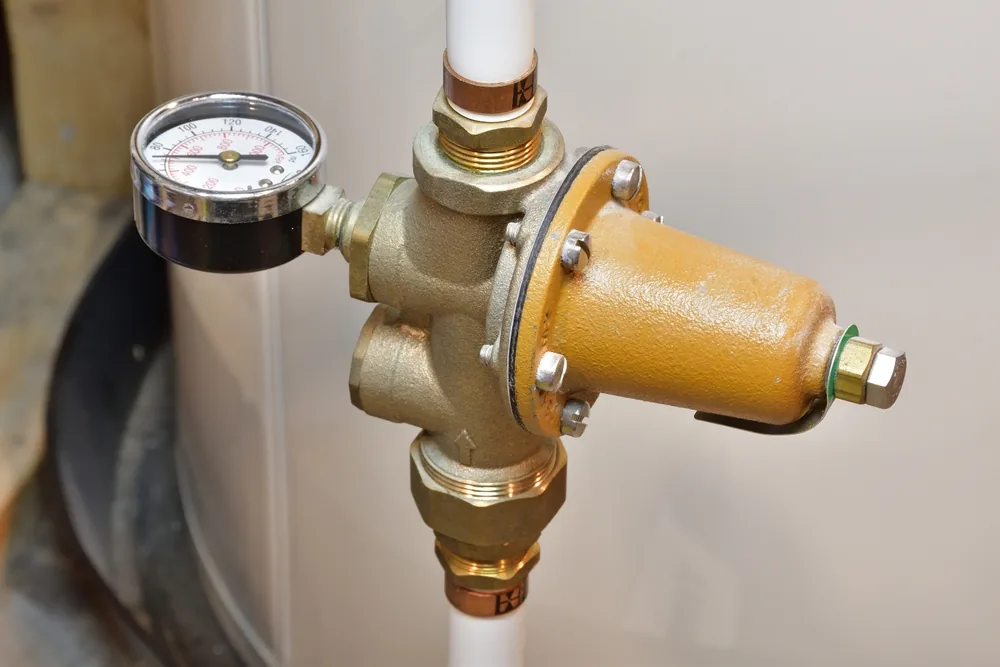
What Copper Repiping Is and When It Makes Sense
Copper repiping is the complete replacement of a home’s water supply lines with rigid copper pipe, typically Type L, removing the original galvanized steel, polybutylene, or deteriorated copper and installing a new system designed to deliver full pressure and clean water for 50 years or more. It is not a patch. It is not a spot repair. It is a ground-up replacement of the piping that connects your main shutoff valve to every faucet, shower, toilet, and appliance in the house.
Research indexed by the U.S. Environmental Protection Agency found that galvanized steel pipes manufactured before 2014 contained between 0.5 and 1.4 percent lead in their zinc coatings, a concentration that can leach into drinking water as the coating corrodes. That is not a hypothetical risk for Southern California homeowners sitting on original 1950s plumbing. It is the material reality behind the brown water and metallic taste that sends most homeowners looking for answers.
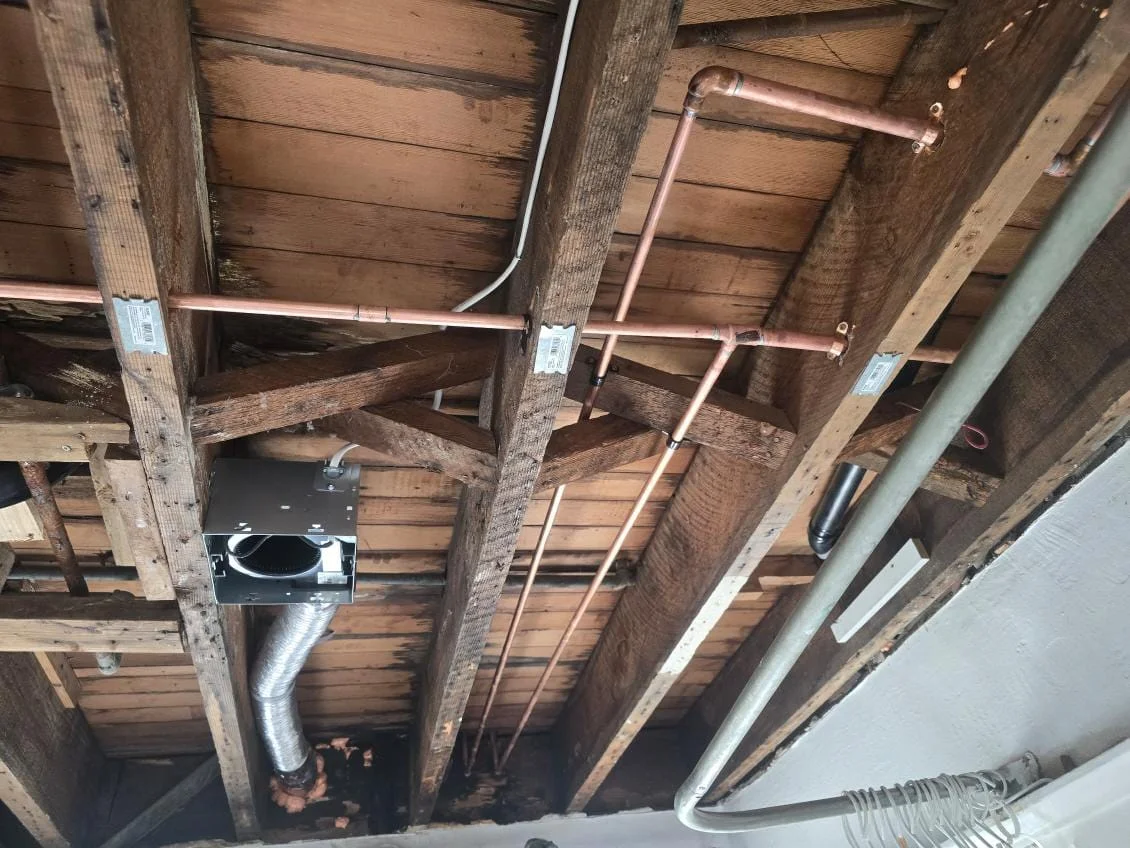
Types of Copper Repiping Services
Whole-Home Copper Repipe
Every hot and cold supply line in the house is removed and replaced with new copper. This is the standard scope when galvanized steel has reached the end of its service life and corrosion is system-wide. The result is a completely new plumbing supply system from the main shutoff to every fixture.
Partial Copper Repipe
When damage or corrosion is isolated to one zone of the house, a partial repipe replaces only the affected section. This can make sense when a kitchen or bathroom remodel opens walls and exposes deteriorated lines, or when a specific branch has failed while the rest of the system is still in serviceable condition. A partial repipe requires careful evaluation to confirm the remaining lines are not close to failure themselves. If they are, the project usually expands to a full repipe to avoid opening walls twice.
Galvanized-to-Copper Conversion
The most common scenario in Southern California. The entire galvanized steel supply system is removed and replaced with Type L copper. This addresses not just the corrosion and pressure loss but also the lead-contamination risk inherent in pre-2014 galvanized coatings. Transition fittings are installed at the connection to the main supply and at any point where the new copper meets existing non-copper material, preventing the galvanic corrosion that accelerates metal breakdown when dissimilar metals touch.
Copper Supply Line Replacement
Older copper lines, particularly those installed with thin-walled Type M pipe, can develop pinhole leaks after 20 to 30 years if water chemistry is aggressive. Replacing failing copper-to-copper is less disruptive than a galvanized conversion because the pipe runs and fittings are already sized for copper. The scope is typically limited to sections that show pinhole corrosion or green patina staining on exposed joints.
Type L, Type M, and Type K: What the Grade Means for Your Home
Not all copper pipe is the same thickness, and thickness determines how long the pipe lasts under real-world conditions. This table breaks down what each grade offers.
| Grade | Wall Thickness | Typical Use | Expected Lifespan | Best For |
|---|---|---|---|---|
| Type M | Thinnest residential grade | Budget residential supply lines | 20 to 50 years depending on water chemistry | Low-risk, accessible runs where replacement is simple |
| Type L | Mid-weight, standard professional grade | Whole-home repipes, hot and cold supply | 50 to 70+ years under normal conditions | Any residential repipe where long-term reliability matters |
| Type K | Thickest available | Underground water mains, commercial | 100+ years | Below-grade and high-pressure commercial applications |
Type L is the standard for professional whole-home repiping. Its thicker wall tolerates minor water-chemistry variations without developing the pinhole leaks that shorten Type M’s useful life. The cost difference per foot between Type L and Type M is modest relative to the total project cost, and the added decades of service life make it the default recommendation for any repipe that goes behind walls.
Signs That Your Pipes Have Reached the End
The symptoms are not subtle once galvanized corrosion advances past a certain point. A 1958 ranch house in Southern California, still on its original galvanized steel, is a textbook case: the homeowner turns on the upstairs shower and watches brown water sputter out at half pressure while the kitchen faucet barely produces a stream. Run two fixtures at once, and the pressure drops to almost nothing. That is not a water-heater problem or a municipal supply issue. That is a system of pipes whose interior diameter has been reduced to a fraction of its original size by decades of mineral scale and rust buildup.
Other indicators include a metallic or earthy taste even after running the tap, visible green or white mineral deposits on exposed pipe joints, pinhole leaks that appear at random intervals, and water staining in cabinets or ceilings where pipes run behind finished surfaces. If the home was built before 1970 and still has its original plumbing, the question is not whether the galvanized lines will fail. It is when.
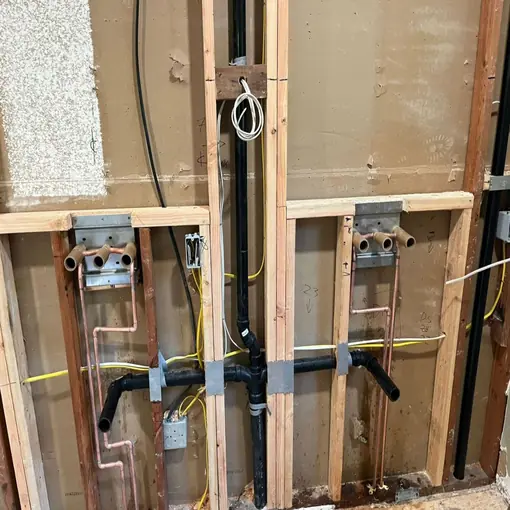
How Copper Repiping Works From Estimate to Closeout
The process starts with a free on-site estimate. A project estimator walks the entire property, maps the existing pipe layout, identifies access points through walls and ceilings, checks whether the home sits on a slab or a raised foundation, and notes the condition of every visible supply line. That visit takes about 60 to 90 minutes. The homeowner receives a written scope that details the material grade, projected timeline, and total cost.
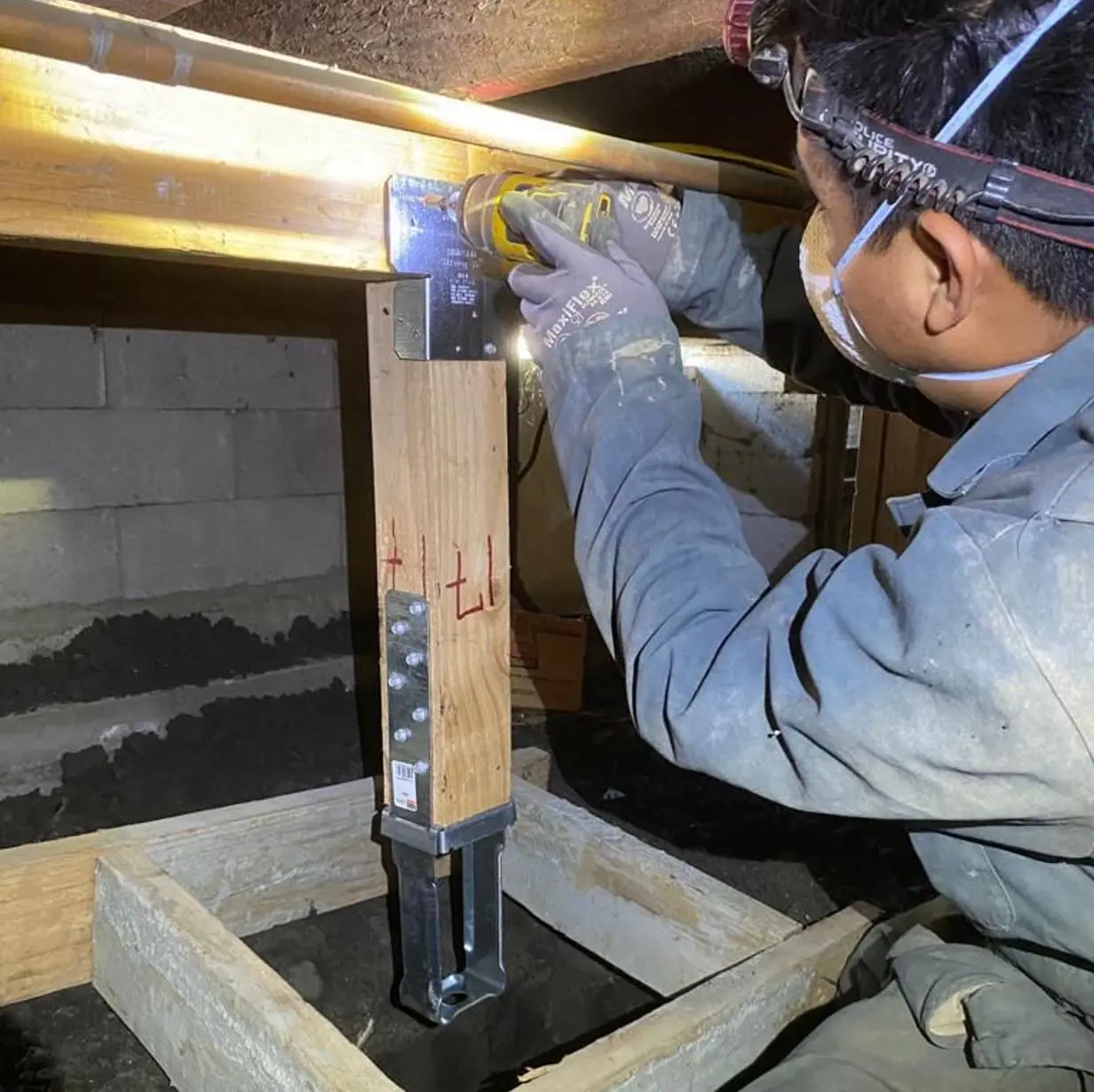
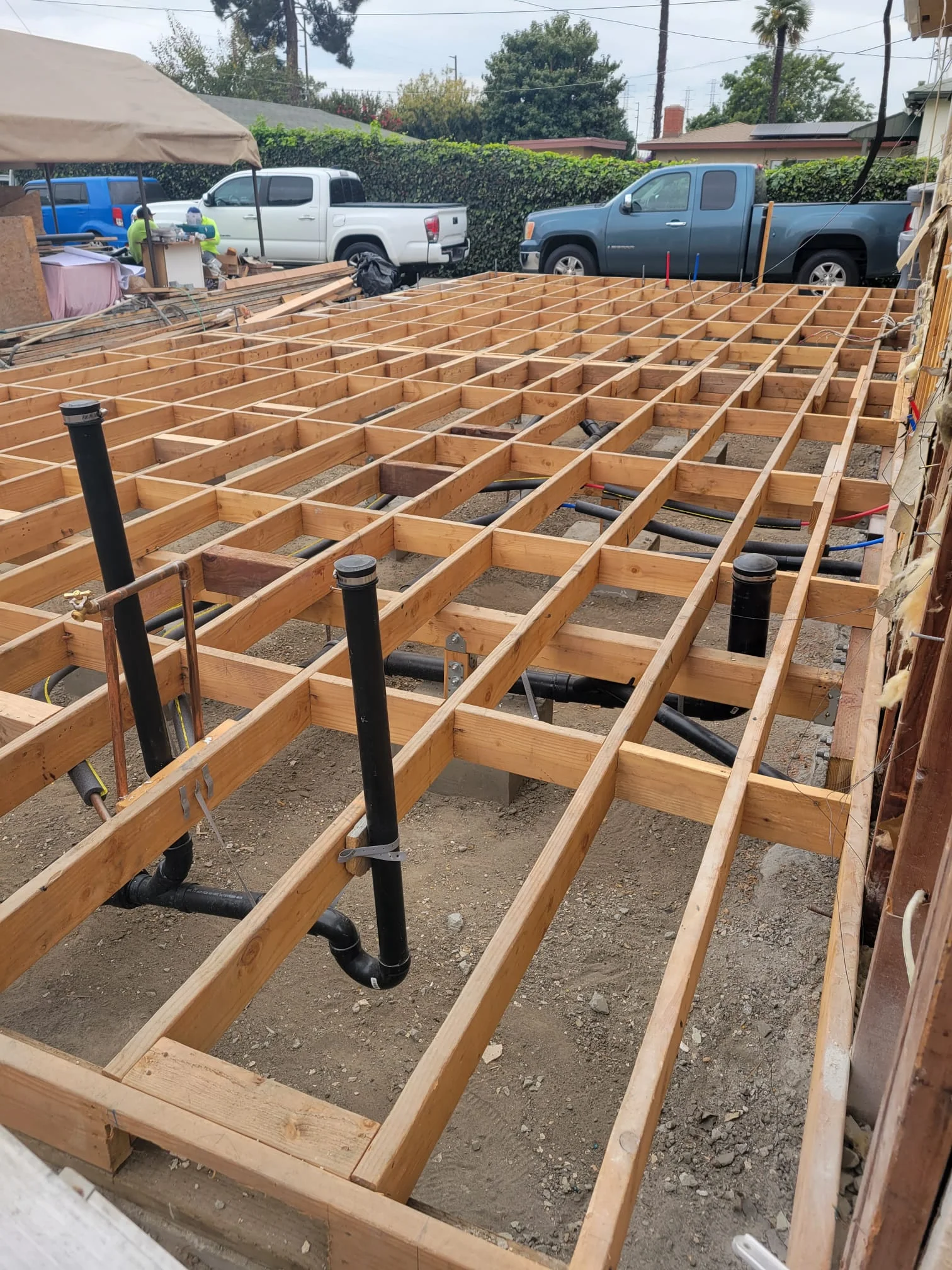
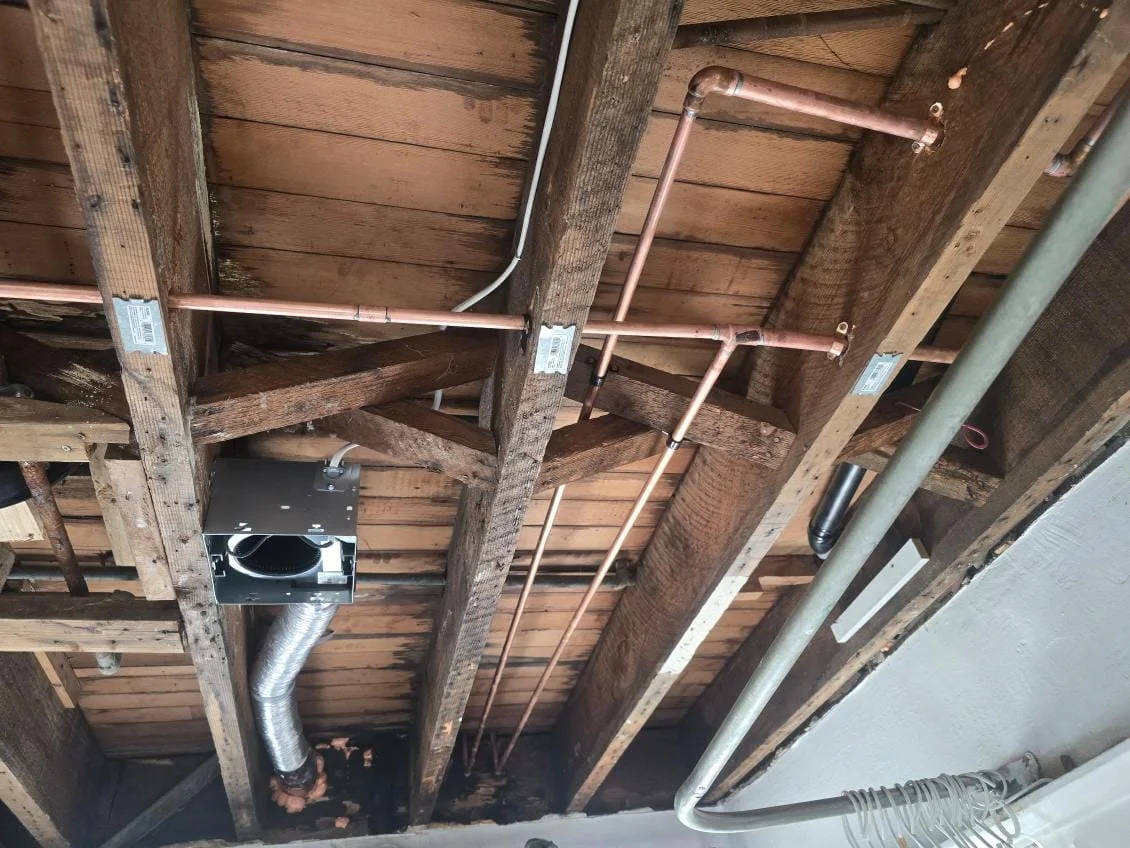
Once the estimate is signed, Wise Choice files the plumbing permit with the local building department. Work does not start until the permit is approved. The crew then works section by section, isolating one zone at a time so the rest of the house retains water service. Old galvanized lines are cut and removed, new Type L copper is routed, soldered, and secured, and every wall and ceiling opening is patched at the end of each work day. Floors, countertops, and fixtures are covered with drop cloths before any cutting begins.
After all lines are in, the system is pressure-tested at above normal operating pressure to check every joint. The building inspector performs a final inspection. On approval, the homeowner receives the signed-off permit card, a 2-year workmanship warranty certificate, and a walkthrough covering every new shutoff valve location. Homeowners who want to explore how copper repiping fits within a broader home repiping plan can compare materials and scope with their estimator during the on-site visit.
What Drives the Scope of a Copper Repipe
Every home is different, and the scope of a copper repipe depends on several factors that a project estimator evaluates during the on-site visit.
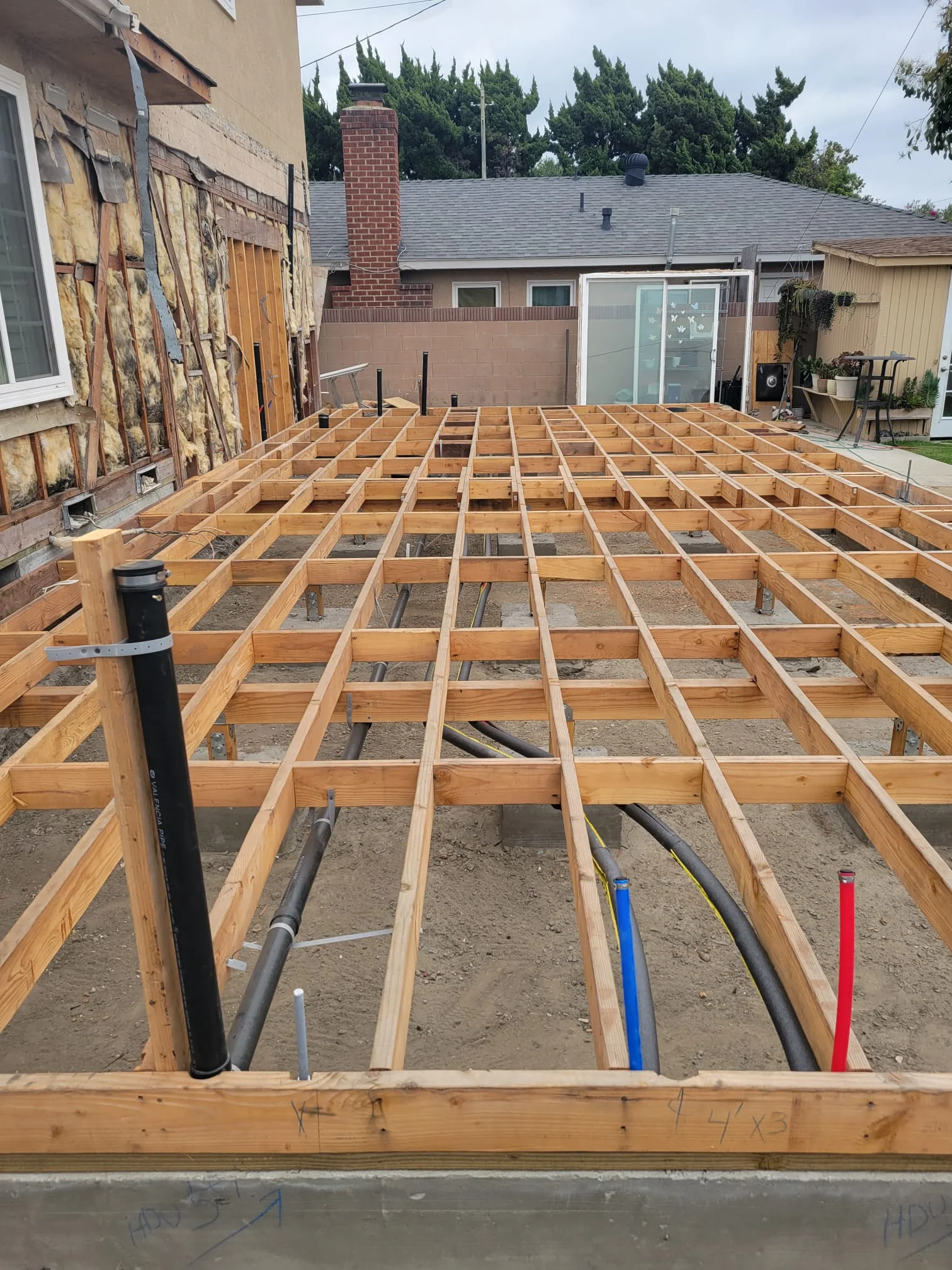
The total footage of the supply line is the primary variable. A single-story, two-bathroom house has far less pipe than a two-story, four-bathroom home. Foundation type matters: slab foundations require rerouting pipes through the attic or walls rather than running them under the floor, which adds complexity. Raised foundations allow access from below, usually with less wall opening.
The number of fixtures drives the number of connection points. Each faucet, toilet, shower valve, washing machine hookup, dishwasher line, and refrigerator ice maker connection is a termination point that needs to be disconnected from old pipe and reconnected to new copper. Wall and ceiling construction also affect access: plaster-and-lath walls in pre-1950s homes take more time and care to open and patch than drywall. Stucco exterior walls may need exterior access points as well.
A written estimate accounts for all of these variables and locks the scope before any work begins. If the crew discovers something unexpected during demolition, the homeowner is notified and given a revised scope in writing before additional work proceeds.
Permits and California Requirements
California requires a plumbing permit for any whole-home repipe or substantial partial repipe. The local building department issues the permit, and the work must pass both a rough inspection (before walls are closed) and a final inspection (after all lines are connected and pressure-tested). Wise Choice handles the permit application, schedules both inspections, and delivers the signed-off permit documentation to the homeowner at closeout.
The California Plumbing Code governs material requirements, minimum pipe sizing, and installation standards. Type L copper meets and exceeds the code requirements for residential supply lines. All solder used on potable water lines must be lead-free under California law. The permit and final inspection give the homeowner third-party verification that the installation was built to code and will be documented in the property record.
Disposal, Cleanup, and What the Property Looks Like After
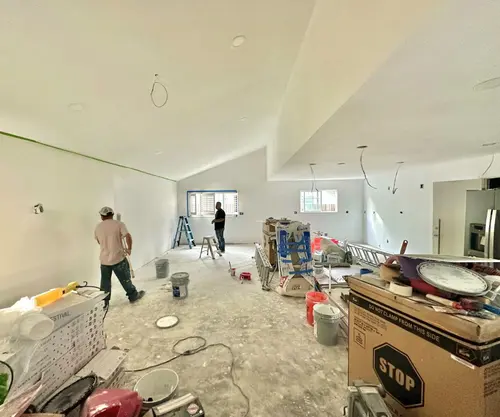
All old pipe, fittings, and debris are removed from the property at the end of the project. Galvanized steel is hauled off as scrap. Every wall and ceiling access point is patched with matching drywall compound, sanded smooth, and primed. The homeowner can paint to match, or Wise Choice can coordinate a finish coat through the project scope. Drop cloths are removed daily, work areas are swept or vacuumed, and the property is returned to a clean, livable condition at the end of each work day.
Why Choose Wise Choice Remodeling for Copper Repiping
Over 15 Years of Combined Repiping Experience
The team behind every project has over 15 years of combined experience across copper and PEX repiping work in Southern California homes. That experience covers slab foundations, raised foundations, two-story pipe runs, plaster walls, stucco exteriors, and the full range of pre-1970 construction conditions that make repiping work in this region different from newer housing stock.
Licensed, Insured, and Permitted
Every project is managed by a licensed general contractor. The permit is filed before work starts. Inspections are scheduled and attended. The homeowner is never left holding an unpermitted plumbing system that could create problems during a sale or an insurance claim.
One Contractor, One Contract, One Warranty
One project manager oversees the estimate, the permit, the installation, the inspections, and the closeout. One contract governs the entire scope. One 2-year workmanship warranty covers every joint, fitting, valve, and wall patch. If something fails within two years of the final inspection, Wise Choice returns and repairs it at no cost. That single line of accountability is what separates a managed repipe from a patchwork of service calls.
Financing Available
Copper repiping is a significant investment, and financing options are available for qualified homeowners, including $0 down programs. Ask during the estimate visit for current terms.
320+ Reviews at 4.8 Stars
Over 320 verified reviews at a 4.8-star rating reflect the consistency of the work, the communication during the project, and the condition of the home when the crew leaves.
Wise Choice Remodeling has over 15 years of combined experience replacing failing pipes with Type L copper across Southern California homes. Call (818) 483-8055 to schedule a free on-site estimate, or request your estimate online to get started.