A whole-home repipe in Los Angeles typically costs $9,000 to $26,000 in PEX and $14,000 to $38,000 in copper, for a home with one to three bathrooms. The real number depends on scope: how many bathrooms and fixtures you have, whether your home is one or two stories, how the plumber reaches the pipes, and how much old galvanized line has to come out. Smaller or partial jobs land lower, and every home is different, so the figures below are ranges rather than a fixed quote.
Below we break down what actually drives repipe pricing in Los Angeles, a cost table by job type, and the local conditions (pre-1970 galvanized lines, slab foundations, permits, and hard water) that make LA repipes their own animal.
What Drives Home Repiping Cost in Los Angeles
Two homes on the same street can get very different quotes. Here is what moves the price:
- Number of bathrooms and fixtures. Every sink, shower, tub, toilet, hose bib, and water heater connection is another run of pipe. A one-bathroom bungalow is a fraction of the work of a four-bathroom home.
- One story vs two stories. Getting supply lines up to a second floor means more wall openings and more labor hours.
- Slab vs raised foundation access. A raised or crawl-space foundation lets a plumber reach lines from below. On a slab foundation, pipes are typically rerouted through walls and the attic instead, which adds labor.
- Copper vs PEX material choice. Homeowners expect this to be the biggest lever, but on a full LA repipe it moves the total far less than most cost guides suggest. Labor, access, and wall repair dominate the bill, which is why our copper and PEX ranges overlap.
- Drywall repair and paint. Repiping means opening walls. Some quotes patch and texture the drywall, some stop at bare openings. Always confirm in writing what is included.
- Old galvanized removal. Older LA homes often still run on galvanized steel supply lines that corrode from the inside. Removing and disposing of that old pipe adds time compared with a home that already has copper.
Repiping Cost by Job Type
These ranges are based on an LA-average home of roughly 1,700 square feet. Your exact figure is set by an on-site walkthrough.
| Job Type | Typical Cost Range | Best For |
|---|---|---|
| Copper Repiping (whole home) | $14,000 to $38,000 (1 to 3 bathrooms) | Homeowners who want a proven, long-life metal system |
| PEX Repiping (whole home) | $9,000 to $26,000 (1 to 3 bathrooms) | Faster installs and flexible routing through walls and attic |
| Partial Repiping | Quoted after inspection | Replacing a failing section rather than the entire home |
| Water Pressure Repair | Quoted after diagnosis | Correcting low or uneven pressure from corroded lines |
Typical Los Angeles pricing. Final pricing depends on project size, site conditions, materials, permits, engineering requirements and scope of work. Drywall repair, painting, sewer work, main water line replacement and difficult access are usually extra. Every project is quoted free on-site.
What Southern California Homeowners Face
Los Angeles adds a few wrinkles that a national cost average will not tell you about:
- Pre-1970 galvanized supply lines. A large share of older LA and SoCal homes were plumbed with galvanized steel. Over decades it rusts and narrows from the inside, which shows up as brown water, weak pressure, and pinhole leaks. Replacing it is one of the most common reasons homeowners here repipe.
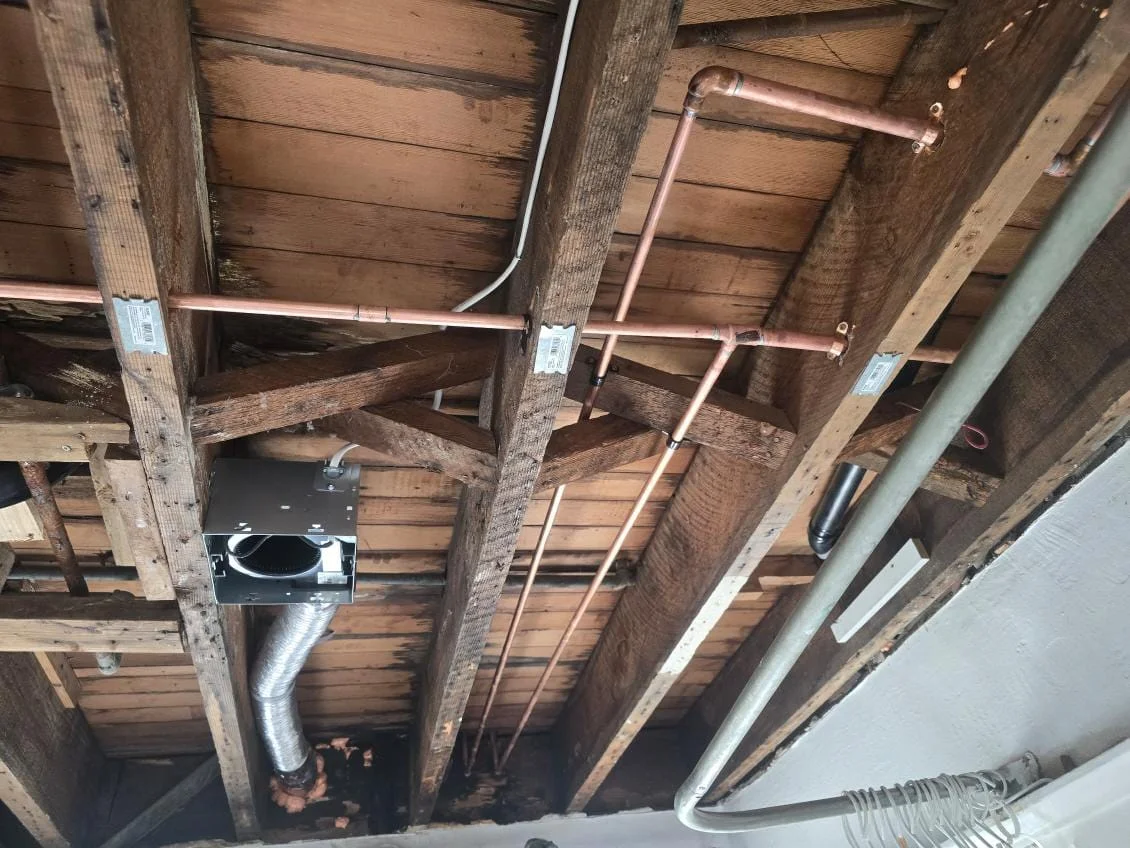
- Slab foundations. Many local homes sit on concrete slabs, so a good contractor reroutes fresh lines overhead through the attic and down through walls rather than jackhammering the slab. That protects your foundation and keeps the job cleaner.
- Permits and inspection. Repiping in Los Angeles requires a plumbing permit and a passed inspection, pulled through LADBS in the City of LA or the county building department in unincorporated areas. A licensed contractor handles the permit and inspection for you. If someone offers to skip the permit, that is a red flag for resale and insurance later.
- Hard water. Southern California’s mineral-heavy water leaves scale inside pipes and fixtures over time, which is part of why aging systems lose pressure and eventually need replacement.
Corroded and leaking pipes are not just a pressure problem. The EPA’s WaterSense program reports that the average household’s leaks can account for more than 9,300 gallons of water wasted every year, which is one reason a failing supply system is worth addressing rather than patching indefinitely.
What to Expect From a Licensed Contractor
Repiping touches the water supply to your whole home, so who does the work matters. Choosing a licensed contractor means the permit is pulled correctly, the work is inspected, and there is one accountable party if something is not right. A quote that comes in far under the ranges above usually signals one of three things: a partial repipe being sold as a whole-home job, no permit, or drywall repair left off the scope.
On a legitimate whole-home repipe you can expect a clear written scope, protection of your floors and belongings, water shut off only during working hours so you can usually stay in the home, and drywall openings closed up at the end. That last item is worth confirming in writing before anyone starts, because it is the single most common gap between two quotes that look similar on price. The choice between copper repiping and PEX changes the timeline more than it changes the total, and a full home repiping project is priced around access and fixture count rather than pipe material alone.
Frequently Asked Questions
How much does it cost to repipe a house in Los Angeles?
A whole-home repipe in Los Angeles typically costs $9,000 to $26,000 in PEX and $14,000 to $38,000 in copper, for a home with one to three bathrooms. Partial repipes are quoted after an inspection. The exact price depends on your number of bathrooms, one or two stories, foundation access, and how much old galvanized pipe has to be removed, so the figure is confirmed with a free on-site estimate.
How long does a whole house repipe take?
Most whole-home repipes take about 3 to 5 days depending on the size of the home and the number of bathrooms. PEX installs are generally faster than copper. In most cases the water is only shut off during working hours and restored in the evening, so you can usually stay in your home during the project.
Is PEX or copper better for repiping in LA?
Both are excellent, code-approved options, which is why our copper and PEX ranges overlap. PEX is flexible and faster to install, which suits homes on slab foundations where lines run through walls and the attic. Copper is a long-proven metal system some homeowners prefer. On a full LA repipe, labor and access affect the total more than the material choice, so the best pick depends on your home rather than price alone.
Do I need a permit to repipe my home in Los Angeles?
Yes. Repiping in Los Angeles requires a plumbing permit and a passed inspection, pulled through LADBS in the City of LA or the county building department in unincorporated areas. A licensed contractor pulls the permit and handles the inspection for you. If a contractor offers to skip the permit, treat it as a warning sign, since unpermitted work can cause problems at resale and with insurance.
Why do older Los Angeles homes need repiping?
Many pre-1970 LA and Southern California homes were built with galvanized steel supply lines. Over the decades that steel corrodes and narrows from the inside, which leads to low water pressure, discolored water, and pinhole leaks. Replacing aging galvanized pipe with copper or PEX restores pressure and water quality, and it is one of the most common reasons homeowners here repipe.
Can I stay in my home during a repipe?
In most cases, yes. The water is typically shut off only during working hours, usually daytime, and turned back on each evening. A good contractor also protects your floors and belongings and works section by section so daily disruption is kept to a minimum.
Does a repipe include fixing the drywall?
It depends on the contractor, so always confirm in writing. Repiping requires opening walls to reach the lines, and some quotes include patching and texturing the drywall while others stop at bare openings. We close up the drywall openings we make as part of the job. Ask any contractor to spell out whether wall repair and paint are included before you sign.