How Insulation Protects a Los Angeles Home
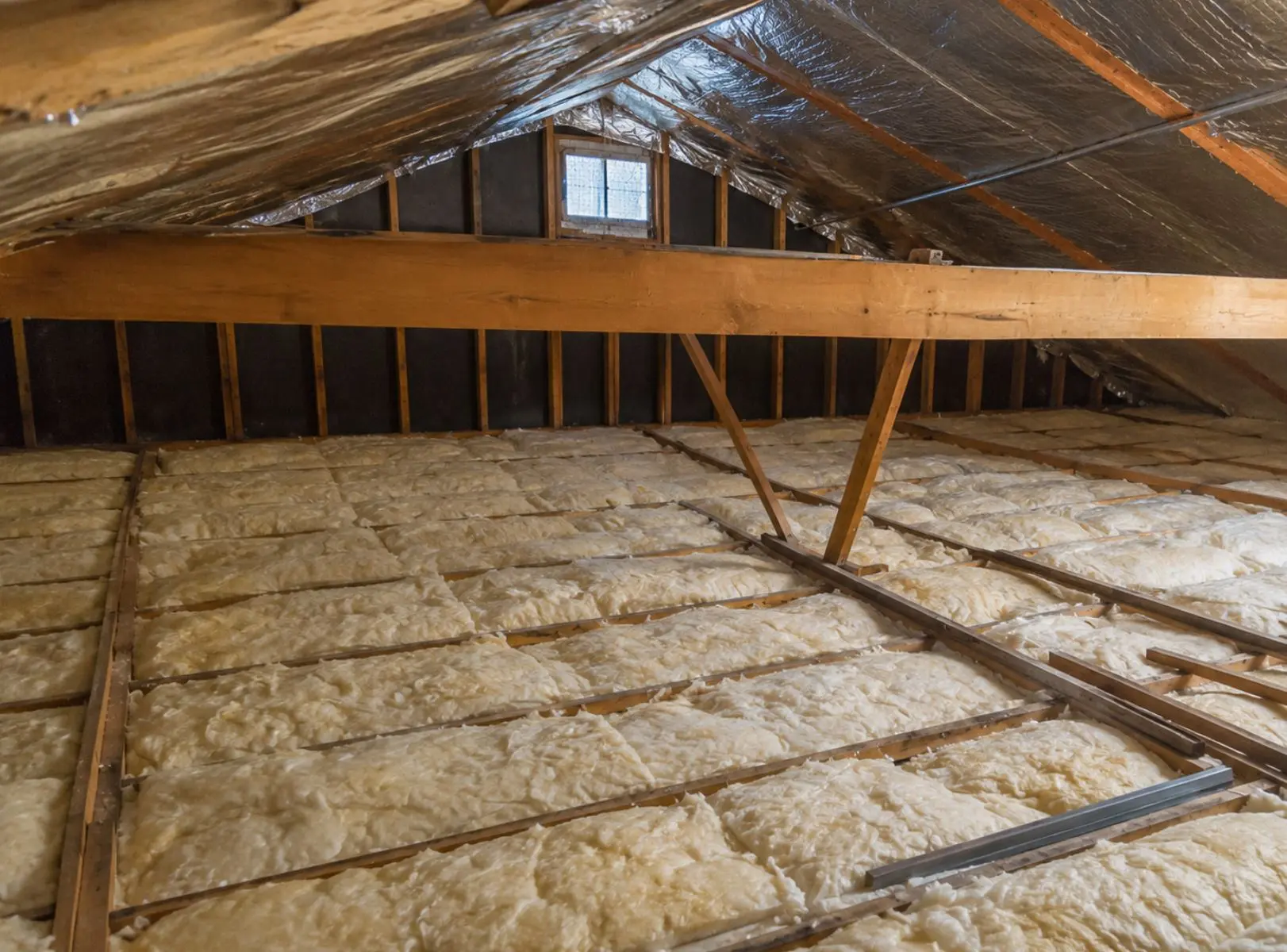
Home insulation is the thermal barrier between your living space and the outside air, and in Los Angeles it is almost entirely a cooling-season asset. A properly insulated home resists heat transfer through the roof, walls, and floor assembly, which means your air conditioning system runs shorter cycles, holds a more consistent temperature from room to room, and lasts longer because it is not grinding through 140-degree attic heat loads six months of the year. According to the U.S. EPA’s ENERGY STAR program, homeowners save an average of 15 percent on heating and cooling costs by air sealing and adding insulation in attics, floors over crawl spaces, and basements.
As a licensed general contractor, Wise Choice Remodeling manages every step of a residential home insulation project: assessment, material selection, permit filing, installation, and inspection. When the scope expands into knob-and-tube wiring remediation or a Title 24-triggered upgrade during a remodel, one project manager coordinates every trade under one contract.
Why Los Angeles Attics and Walls Lose the Heat Battle
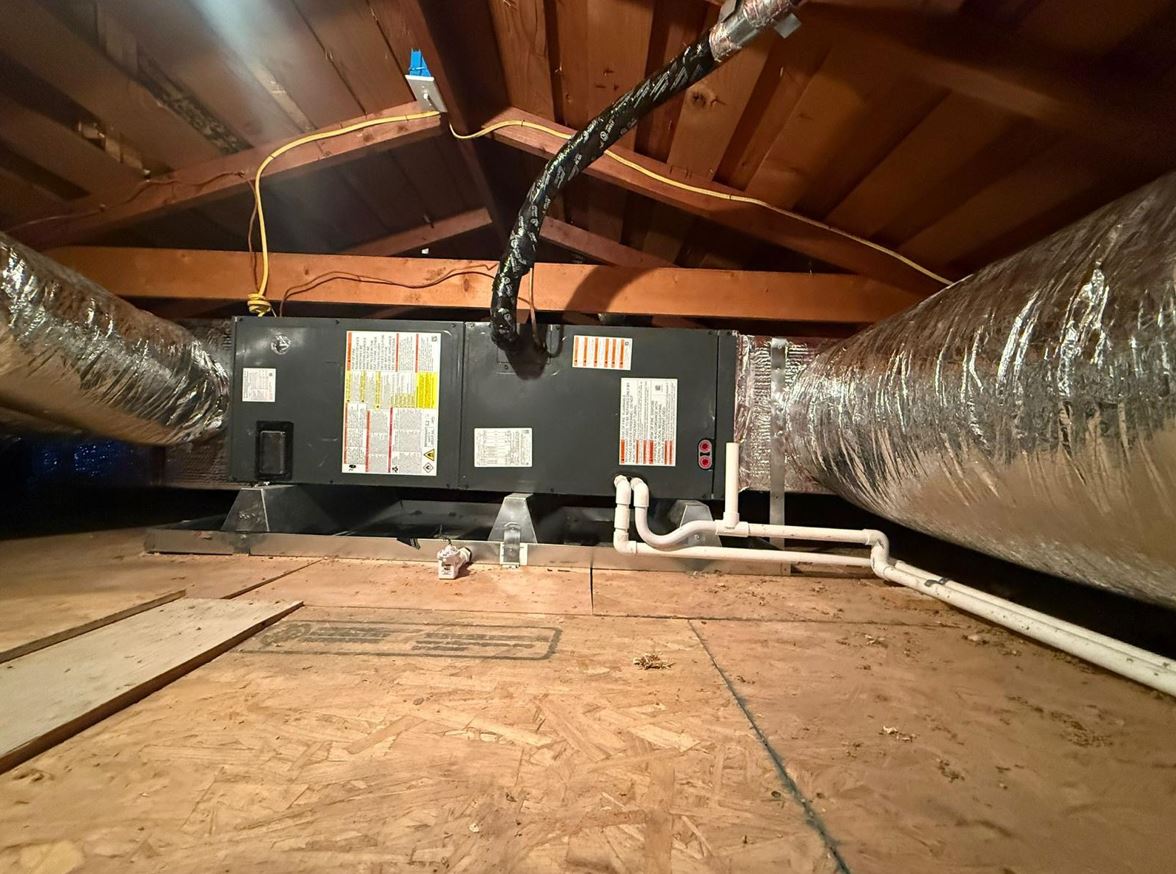
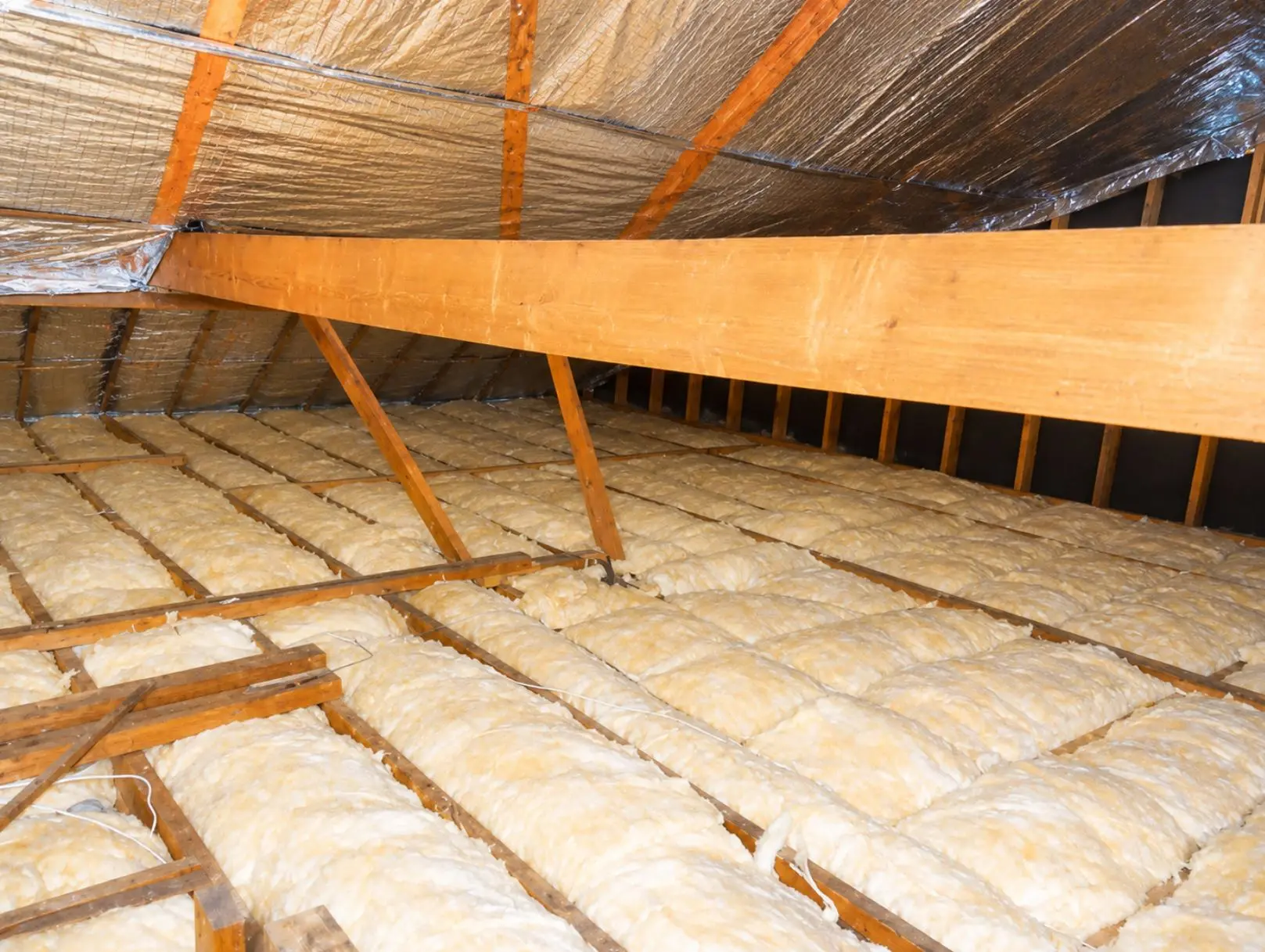
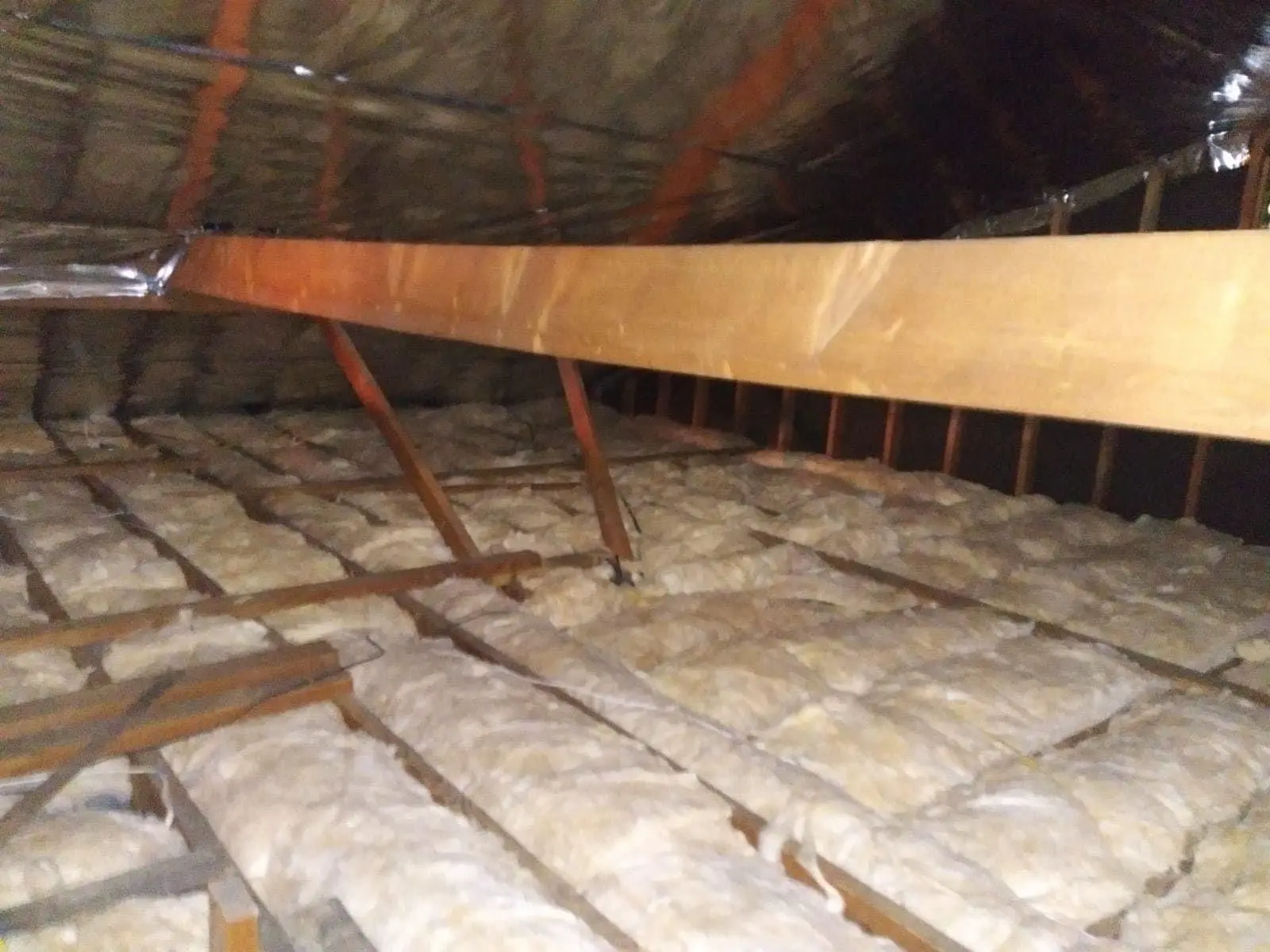
Most of the city sits in California Climate Zone 9, where summer design temperatures push past 100°F inland and roof surface temperatures climb well beyond that. The attic is the frontline. A postwar ranch home in Encino built in 1958 with original R-11 fiberglass batts that have sagged and compressed under decades of storage boxes is not insulating anything at this point. The HVAC ductwork running through that attic is baking in ambient air that exceeds 140°F on an August afternoon, and the homeowner downstairs is wondering why the back bedrooms will not cool below 78° no matter how long the AC runs.
That Encino ranch is not unusual. The typical Los Angeles home was built in the mid-1960s, and most housing stock predates the modern energy code. Insulation installed at construction was thinner, lower-rated, and has had decades to settle, compress, or get displaced by rodent damage, duct repairs, and attic storage. Title 24’s 2025 code cycle, in effect since January 1, 2026, now requires R-38 to R-49 in vented attics for Climate Zone 9. The gap between what most LA homes have and what the code now demands is significant.
Valley Ranch Homes
Encino, Sherman Oaks, Tarzana, Woodland Hills, and Van Nuys are dominated by single-story and split-level ranch homes from the 1950s and 1960s. These homes have large, low-slope roof planes that absorb enormous solar loads. Many have HVAC systems and ductwork in the attic, which means under-insulated attic space directly penalizes cooling performance. Attic insulation plus a radiant barrier is the standard combination in the Valley for a reason.
Eastside Craftsman and Bungalow Stock
Highland Park, Eagle Rock, and Echo Park are dense with Craftsman bungalows from the 1900s through the 1920s. These homes sit on raised pier-and-post foundations with ventilated crawl spaces that were never insulated. Attics are smaller and steeper, and many still have active knob-and-tube wiring. Insulating one of these homes means crawl space work below and an electrical inspection above before any attic insulation goes in. Highland Park is also the city’s largest Historic Preservation Overlay Zone, so exterior ventilation changes may require a Certificate of Appropriateness from the HPOZ Board before LADBS accepts the permit application.
Silver Lake and Mid-Century Hillside
The mid-century homes scattered through Silver Lake, Los Feliz, and the Hollywood Hills often have cathedral ceilings, exposed beams, and no conventional attic space. Standard blown-in insulation does not work here. Closed-cell spray foam applied between rafters or rigid foam panels above the roof deck are the viable options, and both require careful vapor management given the temperature differentials on a hillside. These properties may also fall within Very High Fire Hazard Severity Zones, which add review requirements to permit applications.
Knob-and-Tube Wiring: What It Means for Your Insulation Project
Any Los Angeles home built before the mid-1940s may have knob-and-tube wiring in the attic, walls, or both. This wiring was designed to dissipate heat into open air. Covering it with insulation traps that heat and creates a fire risk, which is why the National Electrical Code prohibits insulation from enveloping knob-and-tube conductors.
California’s Electrical Code takes a different approach. It permits insulation in contact with knob-and-tube wiring if six conditions are met, the most critical being that a licensed electrical contractor must inspect the system, certify it is in safe condition with no deterioration or improper connections, and file that certification with the local building department. If the wiring does not pass, it must be repaired or replaced before insulation is installed.
This is where having a general contractor manage the project matters. Wise Choice coordinates the electrical inspection, any necessary whole-home rewiring, the insulation installation, and the LADBS permit process under one contract. The homeowner does not need to hire and schedule an electrician, an insulation installer, and a permit runner separately.
Insulation Services for Los Angeles Homeowners
The right insulation type depends on your home’s construction, the area being insulated, and what is already in place. Wise Choice installs and manages all residential insulation methods available to Los Angeles homeowners.
Attic Insulation
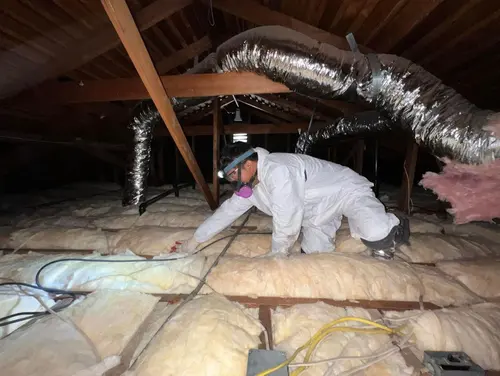
Batt and roll fiberglass, blown-in fiberglass or cellulose, and spray foam for both vented and unvented attic configurations. Includes removal of old or damaged insulation, air sealing at penetrations and top plates, and ventilation assessment. Full details at attic insulation services.
Wall Insulation
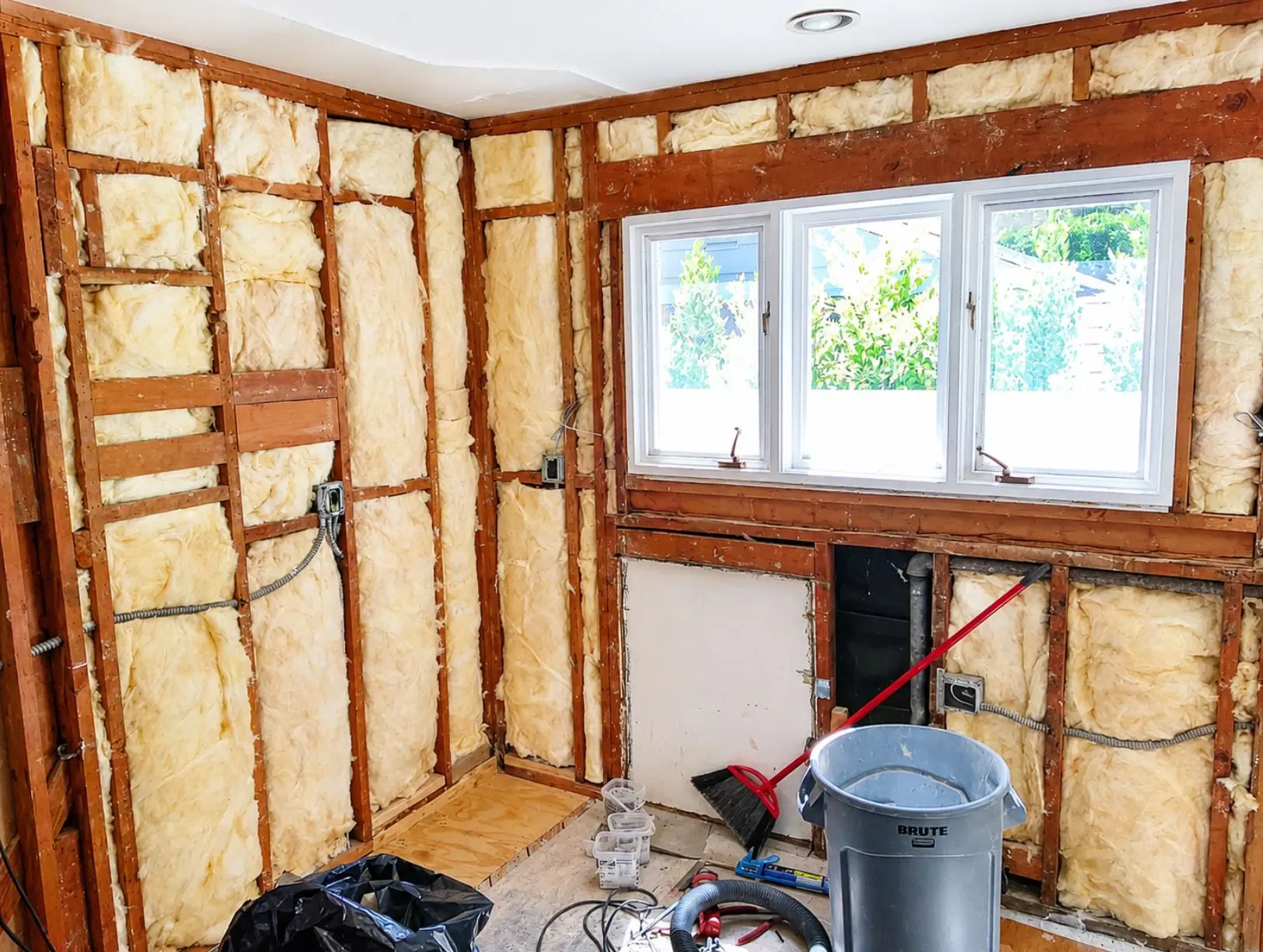
Retrofit options for older homes with empty or under-filled wall cavities. Dense-pack cellulose and injection foam methods fill the cavity without removing drywall, which keeps the project scope and timeline manageable for occupied homes. Read more about wall insulation options.
Radiant Barrier
Reflective foil barriers installed on the underside of roof rafters to block radiant heat transfer into the attic. Particularly effective in the San Fernando Valley and other inland areas where roof surface temperatures drive the majority of the cooling load. Explore how a radiant barrier works alongside traditional insulation.
Air Sealing
Targeted sealing of gaps at top plates, recessed lighting fixtures, plumbing and electrical penetrations, HVAC duct connections, and attic hatches. Air sealing is the prerequisite for effective insulation. Without it, conditioned air escapes into the attic and wall cavities regardless of R-value. Learn more about air sealing as part of a complete insulation upgrade.
Crawl Space Insulation
Fiberglass batts or spray foam applied to the floor assembly above ventilated crawl spaces. Common on Eastside bungalows and pre-war homes with pier-and-post foundations. Includes vapor barrier installation where moisture control is needed.
LADBS Permits and Title 24 Compliance in Los Angeles
LADBS is the permit authority for all residential work inside the City of Los Angeles. Straightforward attic insulation in an existing home where no structural changes are made may qualify for an express permit through PermitLA, which can be issued same-day. Projects that involve structural changes to attic access, ventilation modifications, or insulation triggered by a remodel that opens walls or ceilings go through a standard or expanded counter plan check.
Title 24’s 2025 code cycle requires that any remodel exposing wall or ceiling cavities triggers an insulation upgrade to current standards. For Climate Zone 9, that means R-38 to R-49 in vented attics. This is not optional. If a kitchen remodel opens a shared wall, the exposed cavity must be insulated to code before it is closed. Wise Choice builds these requirements into the project scope during the estimate so they do not surface as a surprise mid-construction.
Homes in one of the city’s 35 Historic Preservation Overlay Zones face an additional step. If the insulation project requires exterior ventilation changes, such as adding soffit vents or modifying a ridge vent, the HPOZ Board or the Office of Historic Resources must issue a Certificate of Appropriateness before LADBS accepts the permit application. Staff-level approvals take a few weeks; full Board review can take 30 to 90 days. We factor this timeline into the project schedule for affected properties in Highland Park, Hancock Park, Angelino Heights, and other designated zones.
Neighborhoods We Insulate Across Los Angeles
Every region of the city presents a different insulation challenge, and the approach that works in one neighborhood often does not translate to another.
In the Valley, from Encino west through Woodland Hills and Tarzana, the issue is relentless radiant heat on large, low-slope roofs. These homes need high-R attic insulation paired with radiant barriers, and most have HVAC ductwork in the attic that benefits from either duct insulation wraps or conditioning the attic space entirely with spray foam.
Along the Eastside corridor through Highland Park, Eagle Rock, and Atwater Village, the challenge shifts to age. Hundred-year-old Craftsman homes with knob-and-tube wiring, uninsulated crawl spaces, and pier-and-post foundations need a ground-up approach that addresses electrical safety, crawl space moisture, and attic coverage as a connected system.
In Mid-City, from Hancock Park through Koreatown and the Miracle Mile, dense HOA communities and HPOZ-designated properties add a layer of approval before exterior work begins. Spanish Colonial Revival and Art Deco homes here often have plaster walls that require injection methods for cavity insulation rather than traditional retrofit techniques.
Across the Westside in Mar Vista, Palms, and Westchester, the marine influence moderates temperatures but increases humidity. Vapor management matters more in these areas, particularly in crawl spaces and attic assemblies where moisture condensation can develop if insulation is installed without proper air sealing and ventilation.
Why Los Angeles Homeowners Choose Wise Choice Remodeling
Over 15 Years of Combined Insulation Experience
The team has worked on every insulation type across every era of Los Angeles housing stock, from pre-war bungalows with knob-and-tube to modern hillside builds with cathedral ceilings and conditioned attic spaces. That range of experience means fewer surprises once walls and attics are opened.
Licensed and Insured Under One Contract
One licensed general contractor manages the entire project. When an insulation job reveals knob-and-tube wiring, needs an LADBS permit, triggers a Title 24 upgrade, or requires coordination with an HOA or HPOZ board, one project manager handles every piece. The homeowner signs one contract and deals with one point of contact from estimate to closeout.
2-Year Workmanship Warranty on Every Project
If insulation settles, shifts, or develops gaps because of how it was installed, Wise Choice returns and corrects it at no cost within two years. This warranty is separate from the manufacturer’s material warranty and is documented in the closeout package alongside the signed permit card and all product specifications.
Financing Available
$0 down options are available for qualified homeowners. Ask about current financing programs during the estimate visit or when you call to schedule.
320+ Reviews at 4.8 Stars
Over 320 homeowners across Los Angeles have reviewed their experience with Wise Choice Remodeling, maintaining a 4.8-star rating. That track record reflects consistent project management, clean job sites, and work that holds up.
Wise Choice Remodeling has over 15 years of combined experience managing insulation projects across Los Angeles, from the Valley’s hottest ranch homes to the Eastside’s oldest Craftsman bungalows. Every project is backed by a 2-year workmanship warranty and managed under one licensed contract. Call (818) 483-8055 to schedule a free on-site estimate, or request your estimate online.