Siding Work for Los Angeles Homes
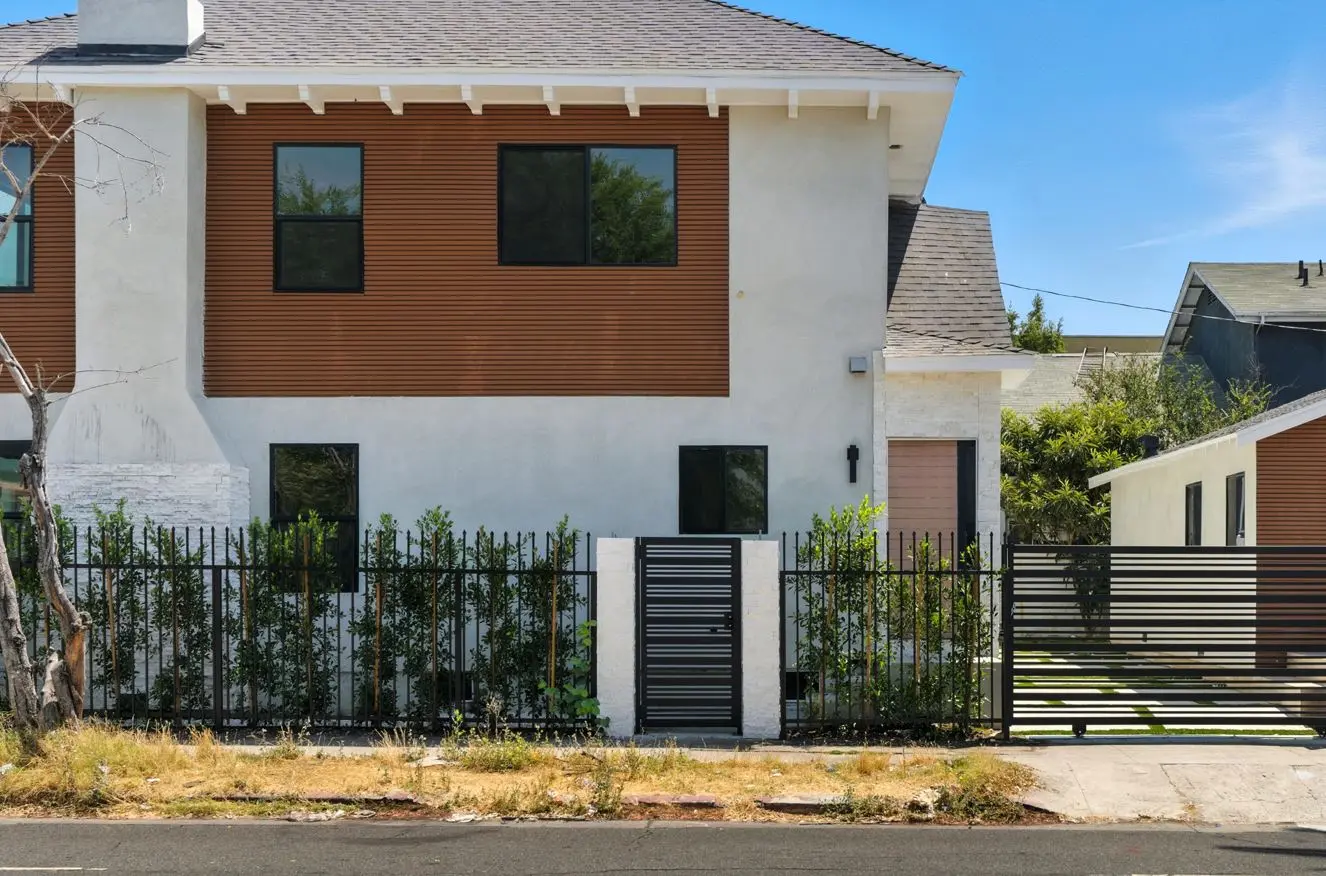
Wise Choice Remodeling repairs and replaces vinyl, wood and engineered wood siding on homes across Los Angeles. A repair replaces damaged boards and the barrier behind them where water has reached it. A replacement strips the wall to the sheathing so the water-resistive barrier and flashing can be redone before new siding goes on. Either way, the work starts with what is happening behind the siding, because that is what decides the scope.
| Siding | What we do | What to know |
|---|---|---|
| Vinyl | Repair of damaged panels and full replacement | California code requires vinyl siding to be certified to the ASTM D3679 standard and installed to the manufacturer’s instructions |
| Wood | Board replacement, section repair and full replacement | On homes built before 1978, painted wood siding may carry lead paint, which changes how it can be removed |
| Engineered wood | Repair and full replacement | Installed to the manufacturer’s instructions |
Repair or Replace
The siding you can see is the last layer of the wall, not the waterproofing. The code requires a water-resistive barrier behind it and flashing at windows, doors and other openings, so water that gets past the siding drains back out instead of reaching the framing. Whether a wall needs a repair or a replacement depends on the condition of those layers.
| What we find | Usual scope |
|---|---|
| A few cracked, split or impact-damaged boards, with dry sheathing behind | Replace the damaged courses and match them to the existing siding |
| Loose or missing pieces after wind or a fall | Re-secure or replace the pieces, and check the barrier behind them |
| Staining, soft spots or rot around windows, doors or at the base of the wall | Open the area, repair the sheathing and correct the flashing before new siding goes on |
| Damage spread across a wall, or a barrier that has failed in many places | Replace the siding on that wall so the barrier and flashing can be installed continuously |
Permits for Siding in the City of Los Angeles
In the City of Los Angeles, siding is on the Department of Building and Safety’s express permit list, which means no plan check, when it meets the conditions in the list:
- The siding goes over solid sheathing with an approved water-resistive barrier.
- The siding product, whatever the material, has a valid ICC evaluation report, and a copy is given to the inspector.
- The wall is 5 feet or more from the property line.
The 5-foot line comes from the California Residential Code: in a home without fire sprinklers, an exterior wall less than 5 feet from the property line generally has to be fire-resistance-rated construction, and one 5 feet or more away does not. Siding on a wall closer than that is outside the express route. Replacing existing siding with new stucco is a separate express permit for single-family homes and duplexes, and we handle that conversion as stucco installation. Outside the City, Los Angeles County and independent cities such as Pasadena, Burbank and Santa Monica issue their own permits.
Siding in Fire Hazard Areas
Since January 1, 2026, California’s wildfire construction rules sit in a separate code, the California Wildland-Urban Interface Code. In a wildland-urban interface area, an exterior wall has to be built to one of the code’s fire-resistant methods, such as 1-hour fire-resistance-rated construction on the exterior side or an assembly that has passed a 10-minute direct-flame test, or be covered with siding from the code’s approved list, such as noncombustible material, ignition-resistant material labeled for exterior use, or fire-retardant-treated wood labeled for exterior use. The code also calls for at least 6 inches of metal or other noncombustible flashing at the ground, deck and roof lines.
| Situation | What the state code says |
|---|---|
| Home outside a wildland-urban interface area | The fire-area siding rules do not apply |
| New siding on an existing home in a wildland-urban interface area | Buildings that are modified in these areas have to meet the code, so the wall method or the siding has to satisfy its fire requirements |
Cities and counties can adopt stricter local rules than the state code, so if your home is in a fire hazard area, confirm the requirement with your building department before choosing a material. We check this at the estimate visit.
Older Homes and Lead Paint
Paint on a home built before 1978 may contain lead. Under the EPA’s renovation rule, removing painted siding from those homes is work for a certified firm using lead-safe practices, unless testing shows the paint is lead-free. The rule’s small-job exemption for exterior work does not cover demolition of painted surfaces, which is what tearing off painted siding is.
How a Siding Project Works
- Free on-site assessment. We look at the siding and what is behind it where it is damaged, check the flashing at openings, and note whether the home is in a fire hazard area.
- Written estimate. The scope, materials and schedule are itemized, with repair and replacement options where both make sense.
- Permit. We pull the permit the work needs.
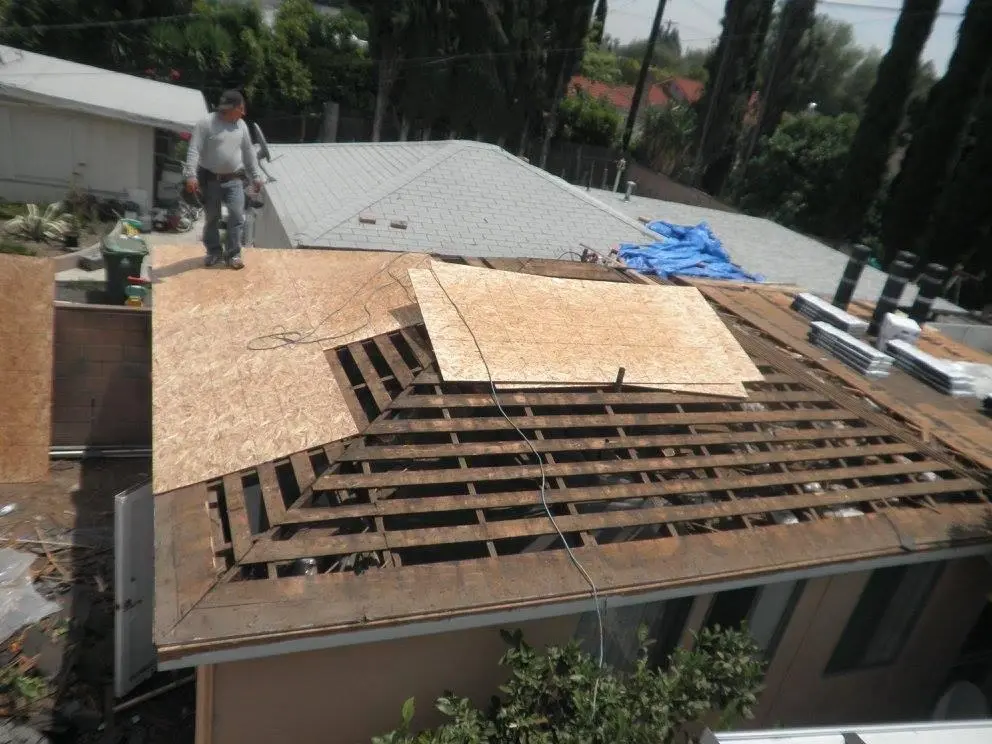
- Removal and repair. Damaged siding comes off, and wet or rotted sheathing is replaced.
- Barrier and flashing. The water-resistive barrier and flashing are installed or corrected before new siding goes on.
- Installation and inspection. The siding is installed to the manufacturer’s instructions and the job is inspected and closed out.
Why Homeowners Choose Wise Choice for Siding
Siding work touches the barrier, the flashing, the windows and often the paint, and we handle all of it as a licensed general contractor under one contract. The same team does stucco repair and exterior painting, so a home with siding on some walls and stucco on others is one project, not two. The work carries a 2-year workmanship warranty in writing.