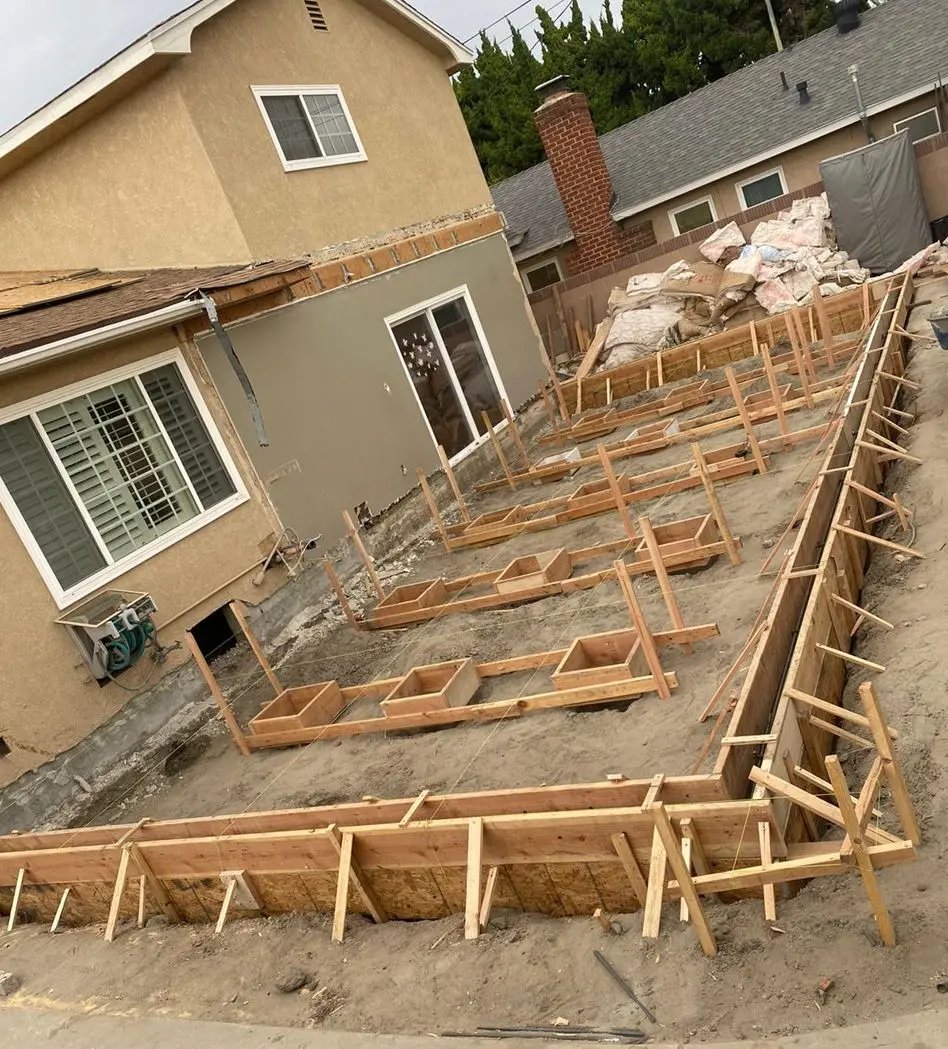
Why Los Angeles Homes Need Foundation Repair
Foundation repair in Los Angeles is the process of stabilizing, reinforcing, or correcting a residential foundation that has cracked, settled, or shifted due to soil movement, seismic forces, or age-related deterioration. The city’s combination of expansive clay soil, active fault systems, hillside construction, and a housing stock with a median build era in the mid-1960s makes foundation distress one of the most common structural problems an LA homeowner will encounter. A licensed general contractor experienced with Los Angeles ground conditions can identify the cause, engineer the right repair, and file the LADBS permits the work requires.
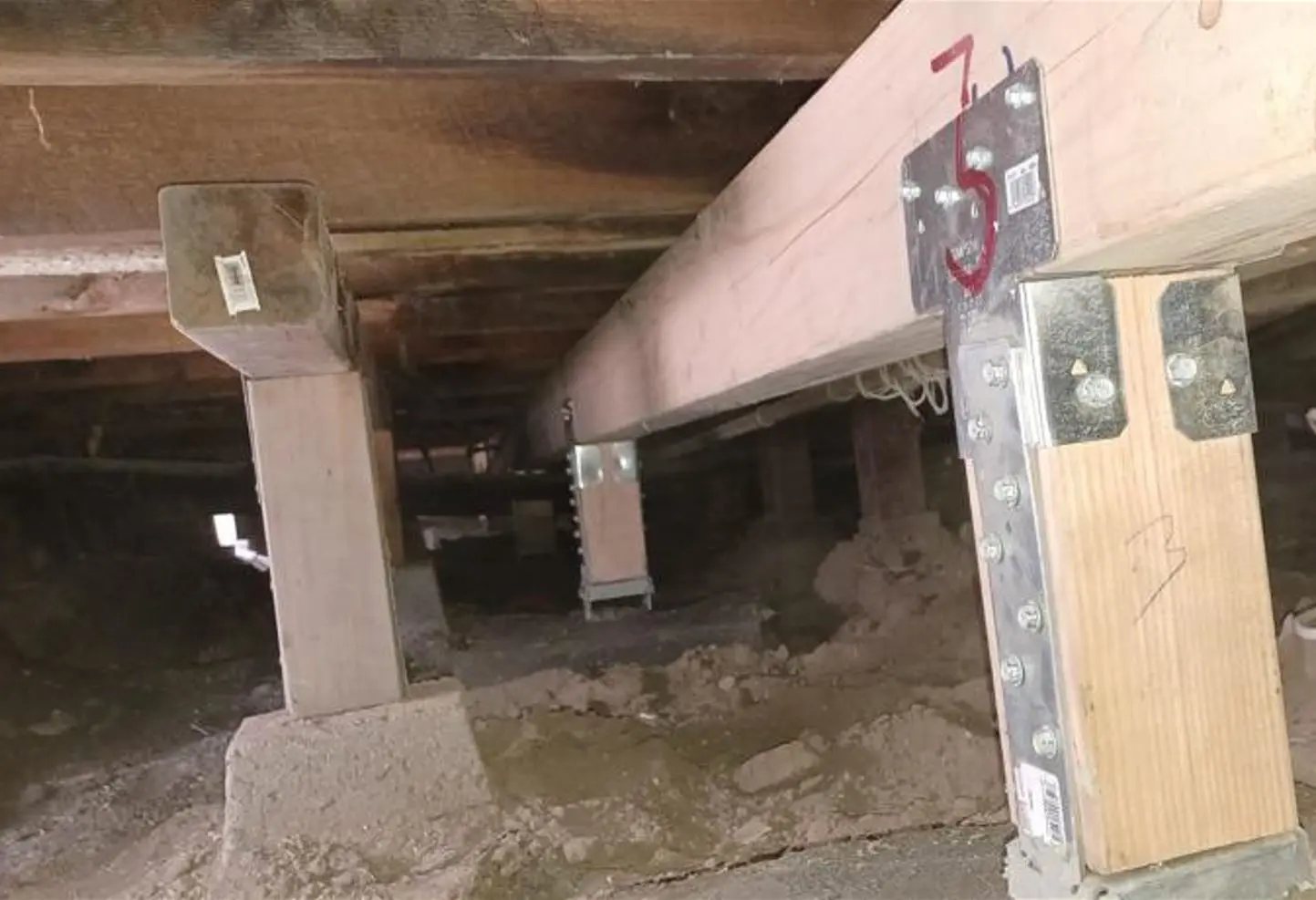
Consider a 1922 Craftsman bungalow in Highland Park sitting on its original pier-and-post footings. A century of clay expansion and contraction has rotated the piers, dropped one corner of the living room, and opened diagonal cracks across every doorway. The owner assumed the sticking doors were just the house “being old” until a plumber flagged the shifted waste line during a drain cleaning. That is the pattern across much of the Eastside: slow, cumulative settling that homeowners normalize until a secondary system fails and forces the conversation.
How Soil, Seismic Activity, and Age Compound the Problem
Los Angeles is not dealing with one foundation risk. It is dealing with several that overlap and amplify each other.
Expansive Clay and the Seasonal Moisture Cycle
The adobe clay beneath much of the LA basin absorbs water and swells during winter rains, then dries and contracts through the long rainless summer. This annual push-pull cycle applies lateral and vertical pressure to concrete footings, and over decades it produces differential settlement, where one section of a foundation sinks or shifts faster than the rest. The cycle is especially aggressive in the San Fernando Valley, where summer ground temperatures accelerate the drying phase.
Seismic Loading on Older Foundations
The U.S. Geological Survey identifies Southern California as the region with the highest earthquake risk in the country, with half of all projected national earthquake losses concentrated here. Homes built before modern seismic codes took effect often sit on unreinforced footings with no anchor bolts tying the framing to the concrete. Even moderate ground shaking can widen existing cracks and accelerate the settling that clay soil has already started.
Hillside Geology and Slope Creep
Hillside homes in Silver Lake, Echo Park, Eagle Rock, and the Hollywood Hills face an additional layer of risk. Slope creep, the slow, gravity-driven downhill movement of surface soil, pulls foundations laterally over time. Homes built on fill lots or colluvium rather than competent bedrock are especially vulnerable. LADBS requires geological review and grading permits for hillside structural work, adding a step that flat-lot repairs do not need.
Pre-War Construction and Aging Materials
The Eastside neighborhoods of Highland Park, Angelino Heights, and Atwater Village are dense with Craftsman bungalows from the 1900s through the 1920s, many on raised pier-and-post foundations that were never designed for the loads and soil movement they have endured. Postwar ranch homes across Encino, Sherman Oaks, and Van Nuys sit on slab-on-grade or short stem wall foundations with original rebar configurations that fall well below current standards. Pre-1978 homes may also contain lead paint or asbestos-bearing materials in pipe wrap, flooring, or insulation that require regulated handling when foundation work disturbs them.
Foundation Repair Services for Los Angeles Properties
Every foundation problem has a different cause and a different fix. The scope of work depends on what is driving the damage, how far it has progressed, and what the structural engineer’s calculations require.
Crack Repair and Epoxy Injection
Hairline to moderate cracks in poured concrete foundations can often be sealed with structural epoxy or polyurethane injection. This restores the waterproof barrier and prevents further moisture intrusion. Not every crack is structural. A project manager differentiates cosmetic surface cracking from active structural movement during the estimate visit.
Pier and Underpinning Systems
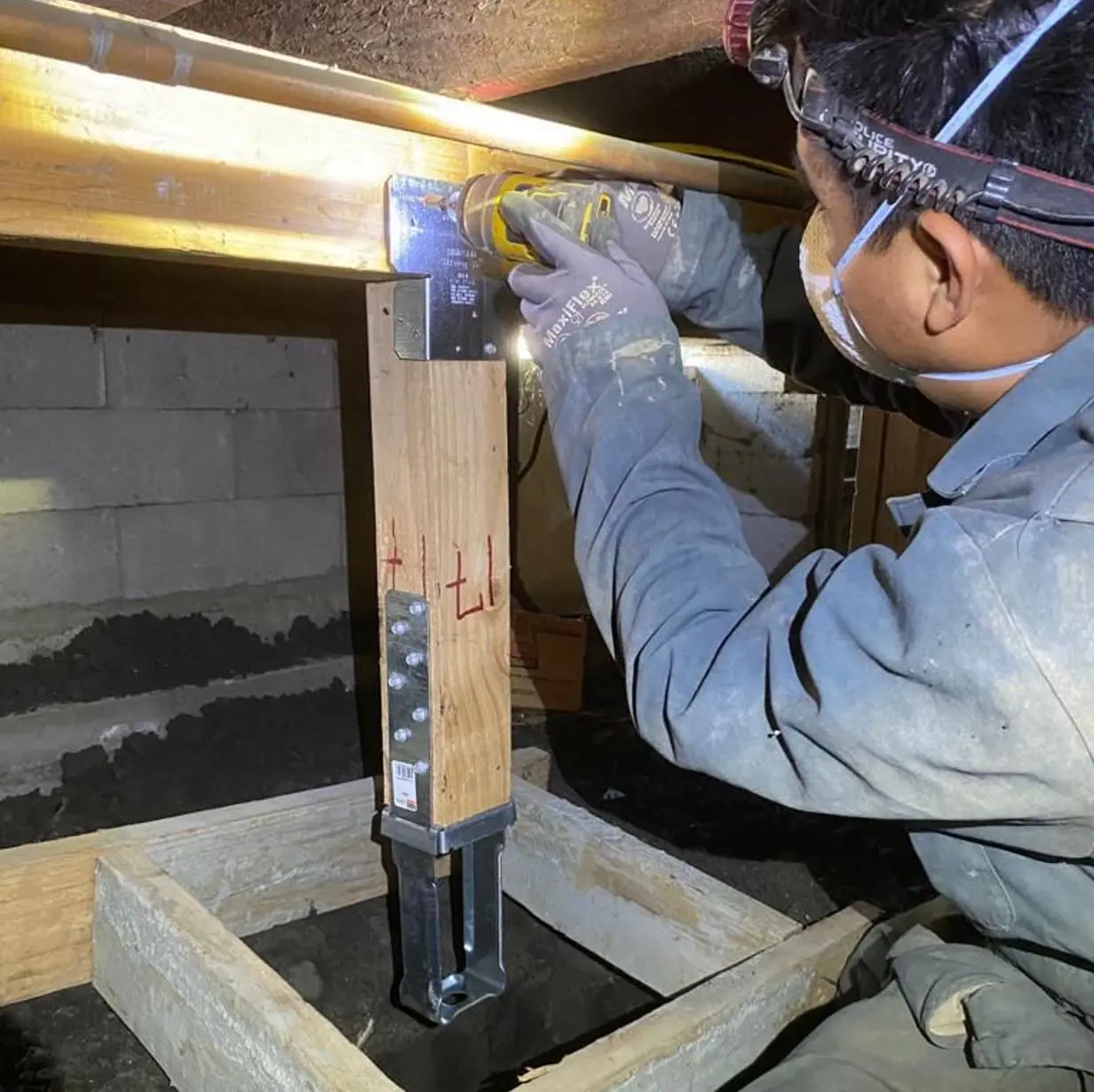
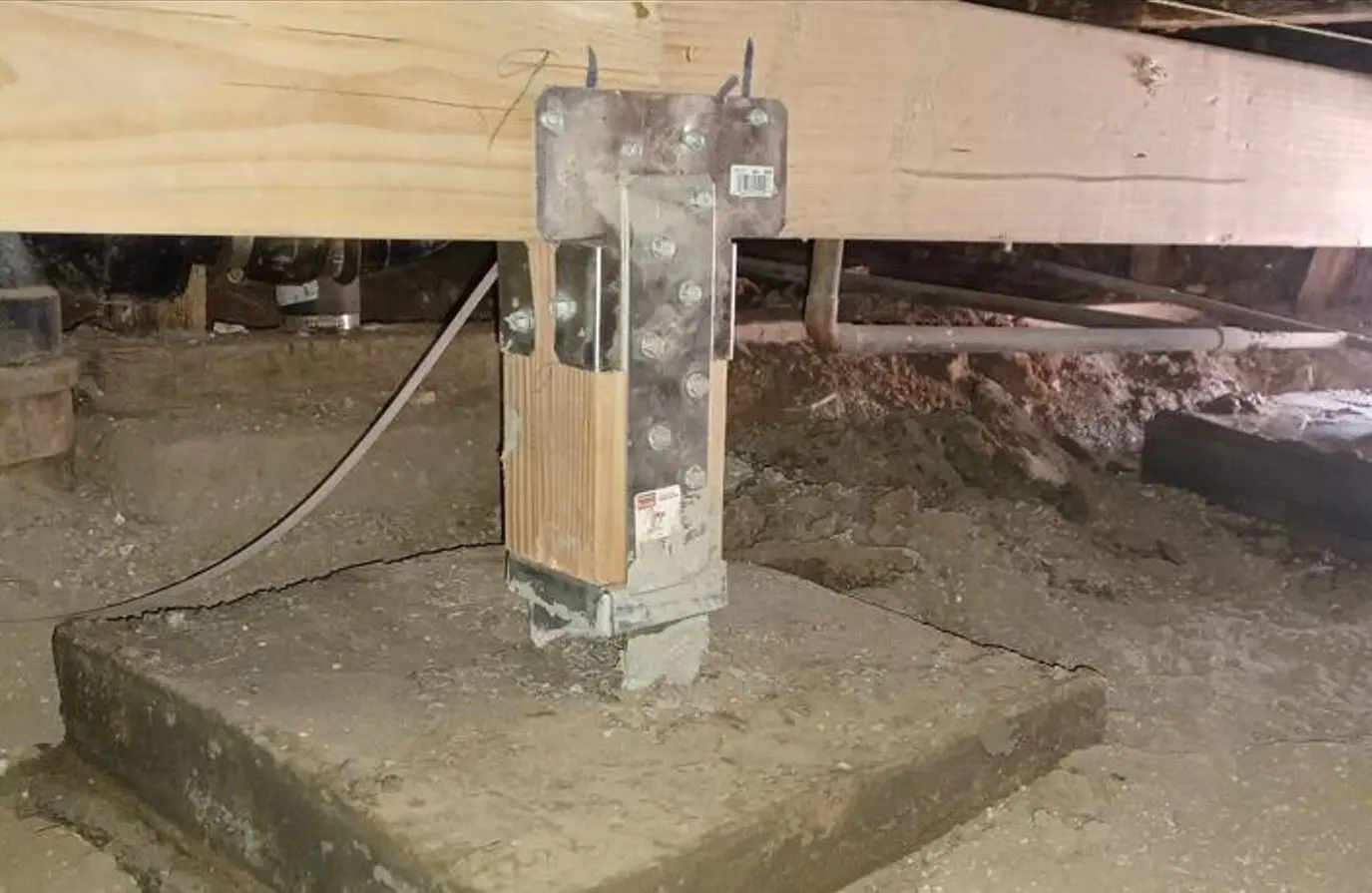
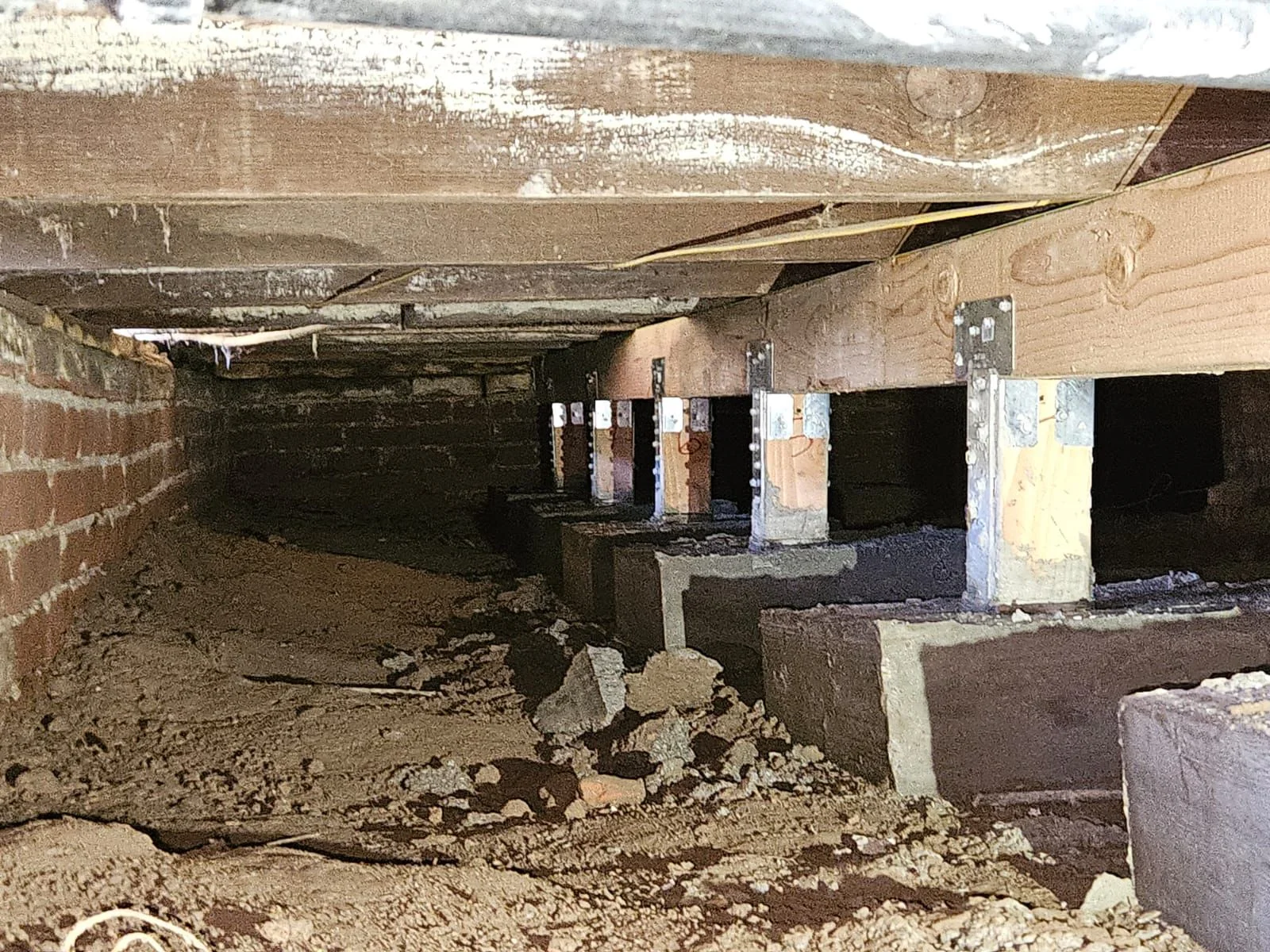
When a foundation has settled unevenly, steel piers driven to load-bearing soil or bedrock stabilize the structure and, in some cases, lift it back toward its original position. Push piers, helical piers, and slab piers each suit different soil conditions and foundation types. In Los Angeles, the choice often depends on whether the home sits on clay, fill, or native alluvial material.
Seismic Retrofitting and Foundation Bolting
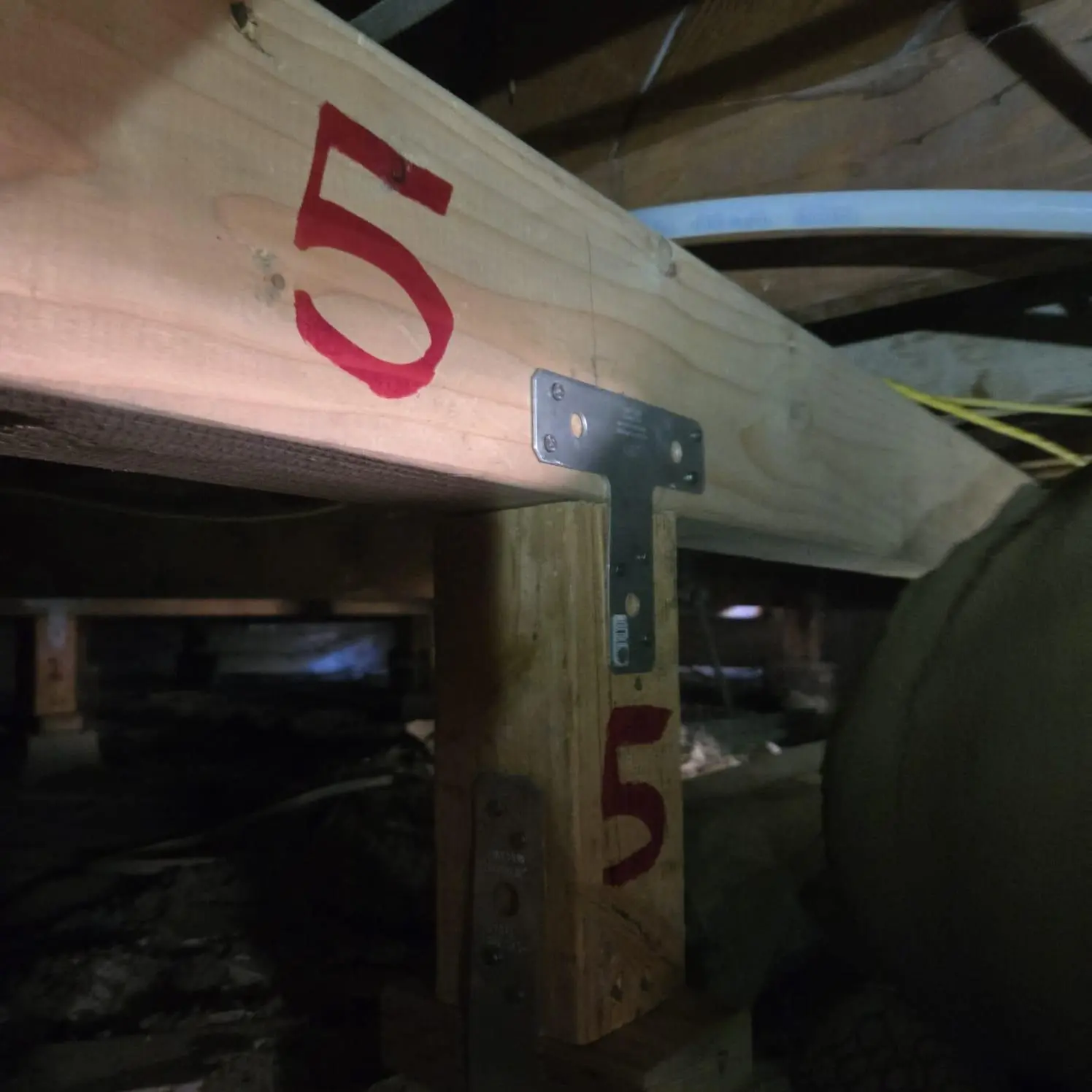
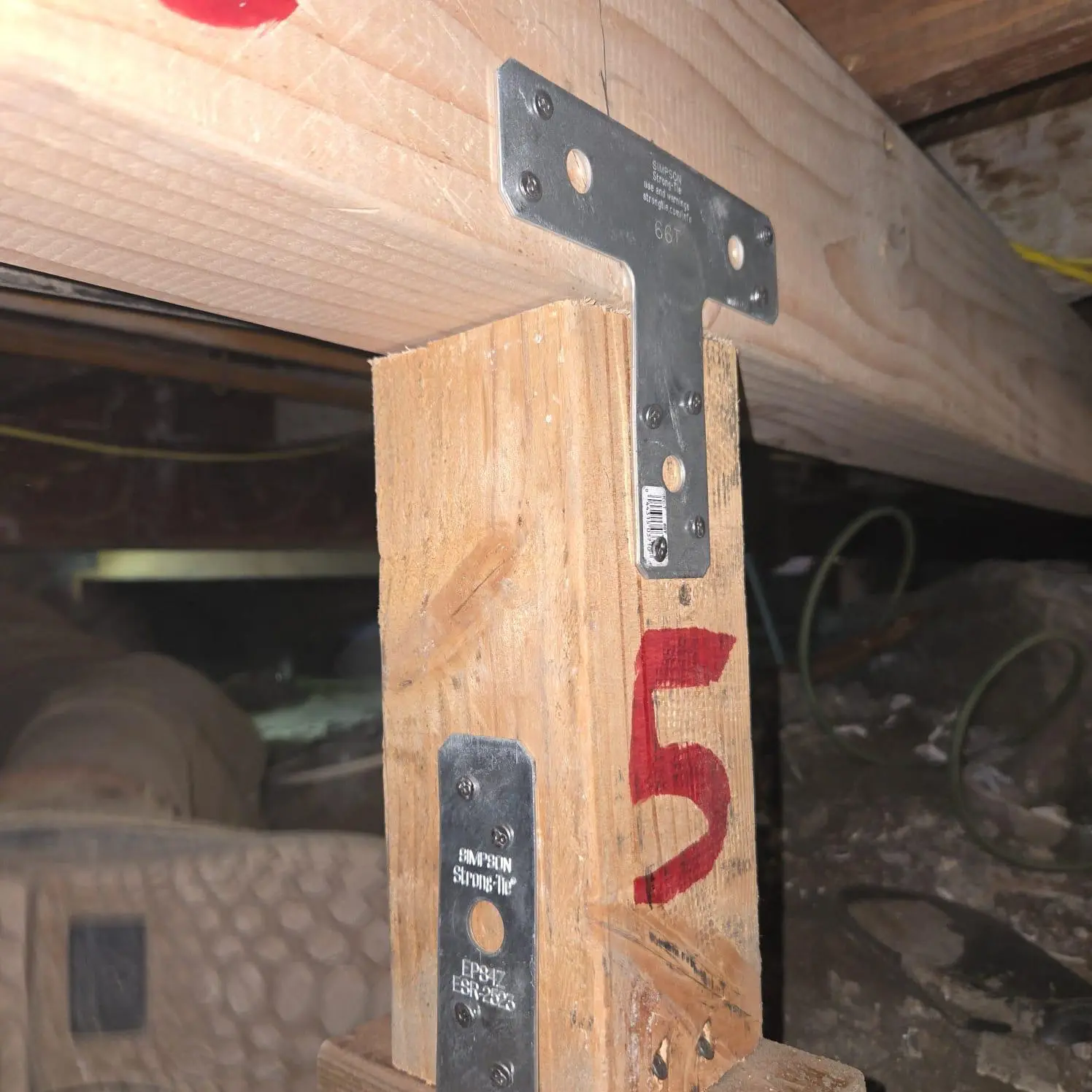
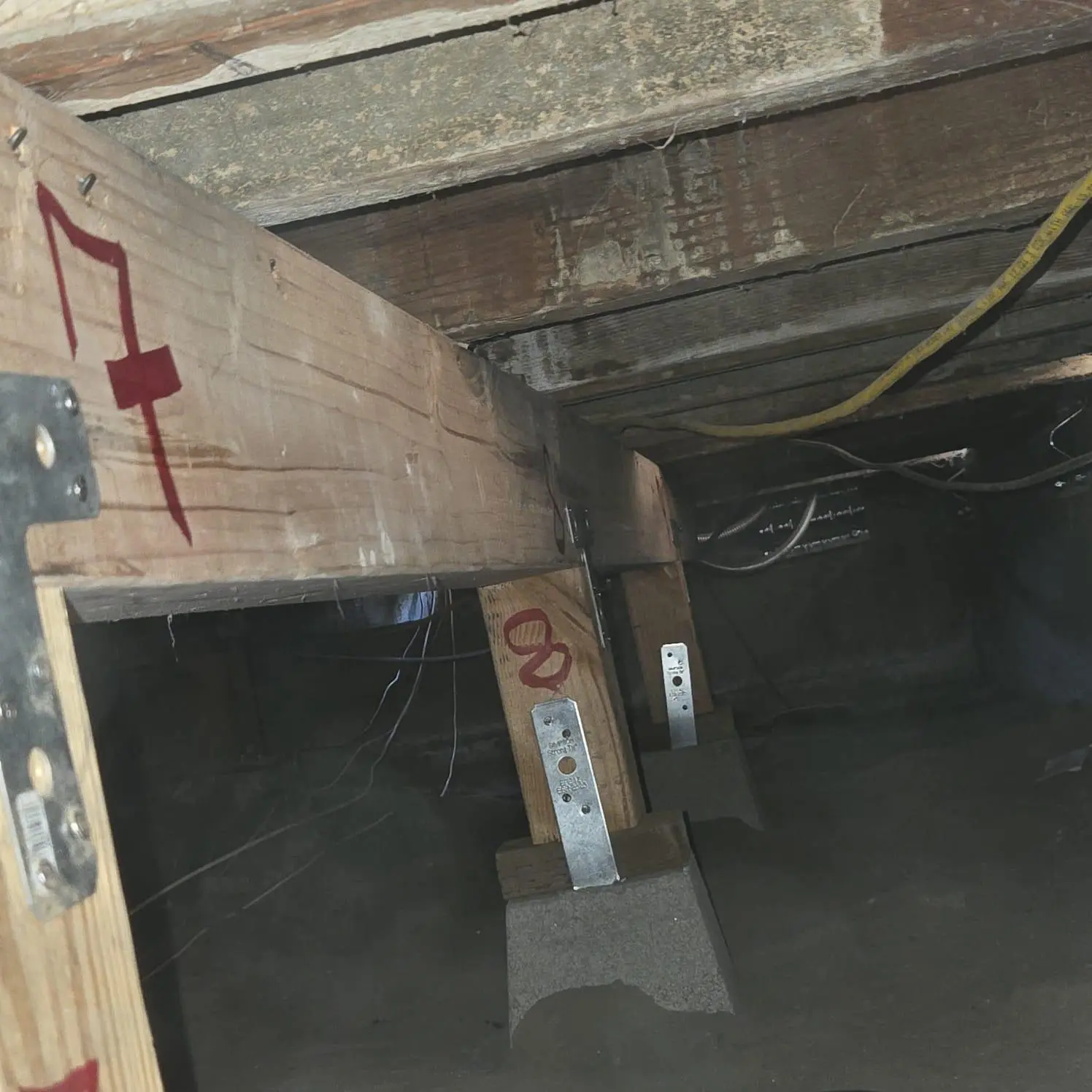
Older homes on raised foundations benefit from seismic retrofitting that bolts the mudsill to the concrete, braces cripple walls with structural plywood, and connects the floor framing to the top of the cripple wall. For many LA homes, combining retrofit work with active foundation repair makes practical sense because both scopes share the same crawl space access.
Drainage Correction
Water is behind a significant share of foundation failures in Los Angeles. French drains, regrading, and crawl space encapsulation address the moisture source rather than just the structural symptom. Foundation repair without drainage correction often leads to a second round of damage.
How a Foundation Repair Project Works in Los Angeles
A Wise Choice project manager visits the property and spends 60 to 90 minutes inspecting the crawl space or slab perimeter, documenting cracks, settling, and moisture conditions. You receive a written scope of work and estimate that details the repair approach, the materials, and the timeline. There is no cost and no obligation.
For structural repairs, a licensed structural engineer prepares sealed calculations. Wise Choice files the LADBS permit through ePlanLA. Express permits cover simple like-for-like scope, while regular plan check applies to structural work and typically takes 15 to 25 business days for initial review. Correction cycles, if any, add two to four weeks per round. Homes in one of the city’s 35 Historic Preservation Overlay Zones, including Highland Park, Hancock Park, and Angelino Heights, may need a Certificate of Appropriateness from the Office of Historic Resources before LADBS accepts the permit application, which can add 30 to 90 days for full board review.
Once the permit is issued, work is scheduled around weather conditions and your household routine. The crew protects landscaping, utilities, and finished surfaces. Debris and removed material are hauled away at the end of each work day. At completion, LADBS final inspection is called in, and we walk the finished work with you. You receive the signed permit card, the structural engineer’s letter, before-and-after documentation, and your 2-year workmanship warranty certificate. Call (818) 483-8055 to schedule your estimate or request one online.
LADBS Permits and Structural Engineering Requirements
Inside the City of Los Angeles, LADBS governs all residential foundation repair permits. The permit pathway depends on the scope. Cosmetic crack sealing that does not alter the structural system is generally exempt. Like-for-like replacement of existing elements may qualify for an express permit through PermitLA. Structural modifications, underpinning, and new pier installations require engineer-sealed calculations and a plan check permit filed through ePlanLA.
Hillside lots in neighborhoods like Silver Lake, Mt. Washington, and Eagle Rock trigger additional requirements. LADBS may require a geological review, a soils report, or a grading permit before structural work is approved. Properties in Very High Fire Hazard Severity Zones in the foothills face additional review steps. Wise Choice handles every permit filing, manages engineer coordination, and delivers the signed-off permit card and all closeout documentation to the homeowner.
Neighborhoods We Serve and the Foundation Issues They Face
Foundation problems across Los Angeles vary by neighborhood because the soil, the housing stock, and the terrain change from one part of the city to the next.
On the Eastside, Highland Park and Angelino Heights are built almost entirely from pre-1930s Craftsman and Victorian homes on raised pier-and-post foundations with a century of clay-driven settling. Silver Lake and Echo Park mix mid-century modern hillside construction with 1920s Spanish Revival near the flats, where slope creep and poor original drainage are the primary drivers. Eagle Rock and Atwater Village share the Eastside’s older stock but sit on flatter terrain, making access and repair logistics more predictable.
Across the Valley, Encino, Sherman Oaks, Tarzana, and Woodland Hills are dominated by postwar ranch homes from the 1950s and 1960s. Many sit on slab-on-grade foundations with original rebar and no seismic upgrades. The Valley’s extreme summer heat accelerates soil contraction, and flat sections of aging rooflines that allow ponding can push water toward the foundation perimeter.
Mid-City neighborhoods like Hancock Park, Miracle Mile, and West Adams carry the added layer of HPOZ regulation. Exterior structural work on an HPOZ-listed property requires a Certificate of Appropriateness before LADBS will accept a permit application. Planning for that timeline at the estimate stage prevents delays once the project is underway.
Why Choose Wise Choice Remodeling for Foundation Repair in Los Angeles
Over 15 Years of Combined Experience
Wise Choice Remodeling brings over 15 years of combined experience across foundation repair work in Southern California. That experience includes the full range of Los Angeles ground conditions, from expansive clay in the Valley to hillside fill in the Hollywood Hills.
Licensed and Insured
Wise Choice holds CSLB License #1104186 and carries full liability and workers’ compensation coverage. A licensed general contractor manages every foundation project under one contract, one project manager, and one warranty.
One Accountable Contractor Under One Contract
Foundation repair in Los Angeles can involve structural engineering, permit filing, demolition, concrete work, drainage, and final inspection. Wise Choice manages all of it under a single agreement. You deal with one project manager, not a chain of disconnected trades.
2-Year Workmanship Warranty
Every foundation repair project is backed by a 2-year workmanship warranty. If any issue tied to the quality of our installation appears within that period, we return and correct it at no additional cost. You receive a warranty certificate at closeout along with all permit and engineering documentation.
Financing Available
Foundation problems do not wait for a convenient time to surface. Wise Choice offers $0 down financing options for qualified homeowners so the work can proceed when it needs to, not when it is convenient.
Wise Choice Remodeling has managed foundation repair projects across Los Angeles for over 15 years of combined experience, from Craftsman crawl spaces in Highland Park to hillside stabilization in Silver Lake. Call (818) 483-8055 to schedule your free on-site estimate or request one online.