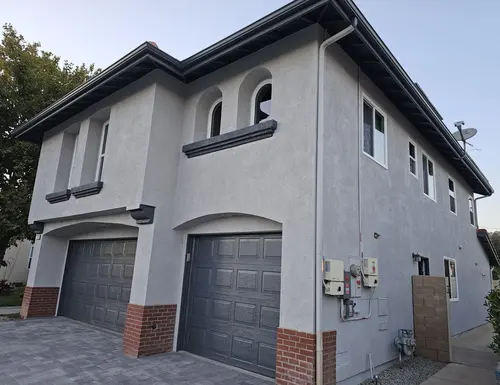
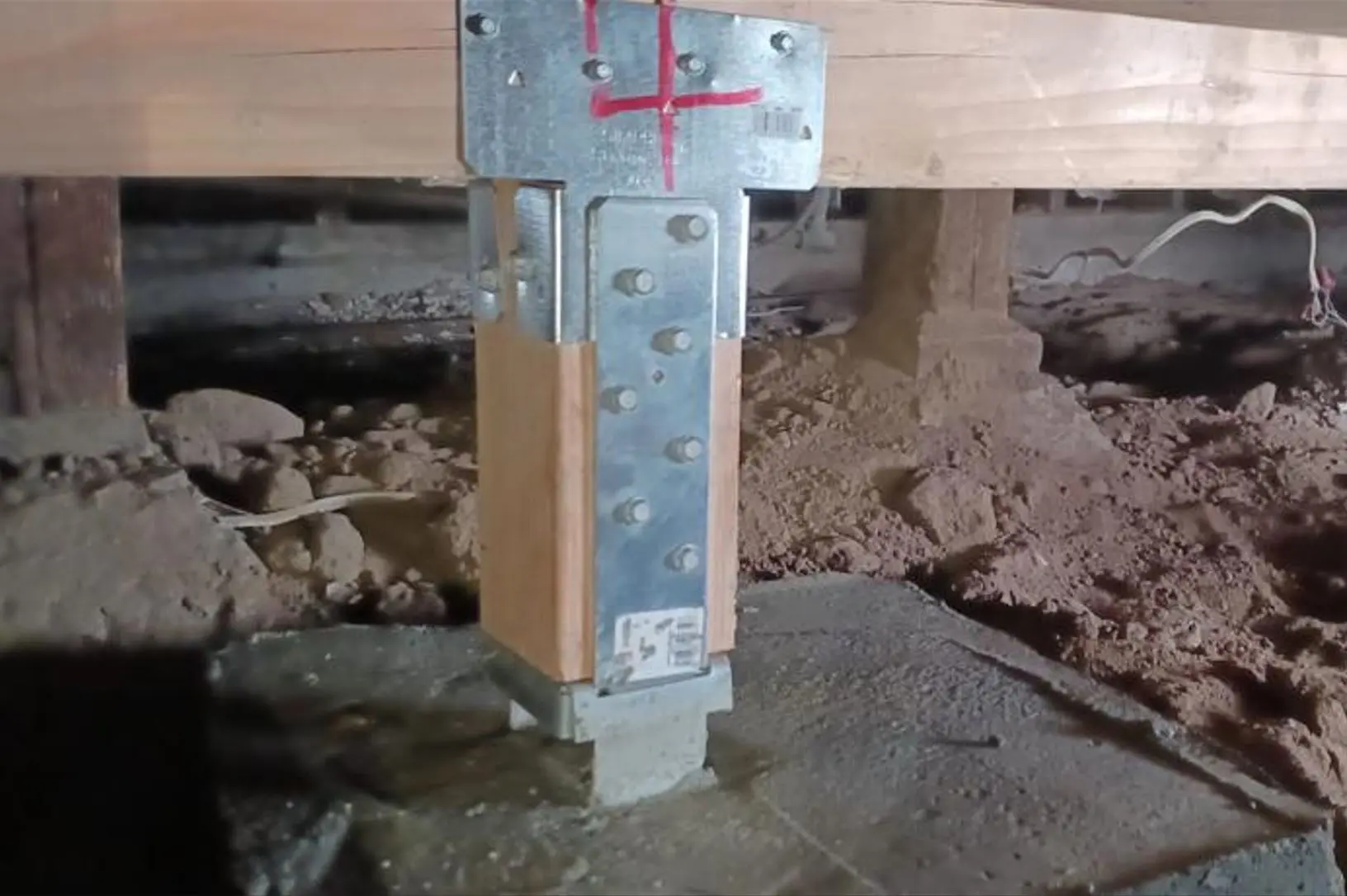
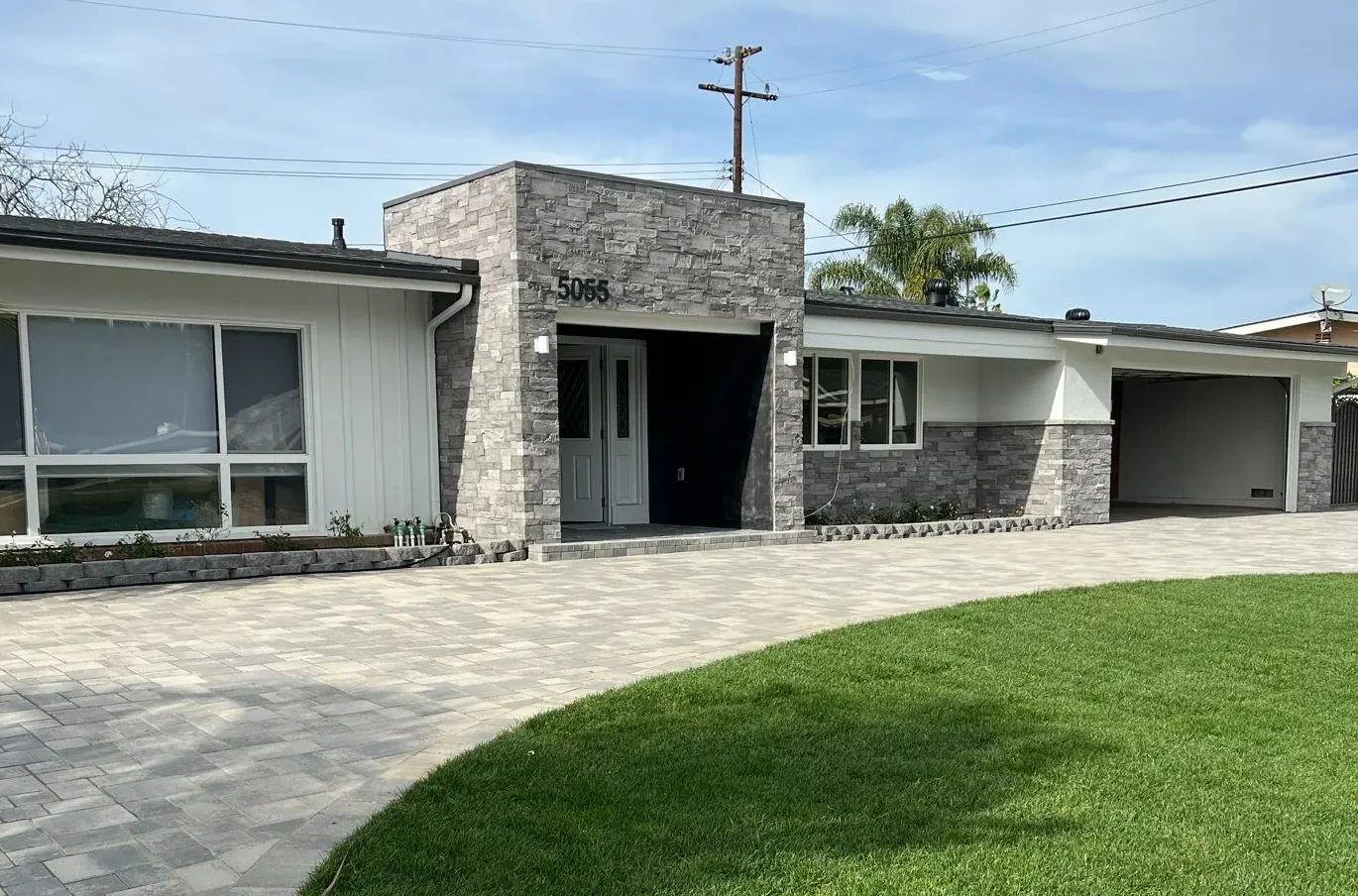
What Stucco Repair Involves for Southern California Homes
Stucco repair is the assessment, preparation, and restoration of a home’s exterior stucco finish system where cracking, delamination, water damage, or impact damage has compromised the stucco’s appearance and its function as the outermost layer of the wall’s water management assembly. In Southern California, stucco is the dominant exterior finish material on residential construction because it performs well in the region’s dry climate, accepts a wide range of textures and finishes, and holds up to the UV exposure that degrades other cladding materials faster. Its vulnerability in this region is movement, specifically the seismic activity, expansive clay soil cycling, and thermal movement that Southern California’s housing stock experiences continuously and that translates into the cracks at window and door corners, the diagonal cracks at wall transitions, and the map cracking across broad wall surfaces that are visible on a significant share of the region’s pre-1990 housing stock. A stucco crack that is sealed correctly before water reaches the weather-resistant barrier and wall framing behind it is a maintenance item. A stucco crack that has been allowing water infiltration for multiple wet seasons may be the visible indicator of framing moisture, lath corrosion, and weather-resistant barrier failure that require a more substantial repair than the surface crack suggests. The assessment of what is happening behind the crack, not just at the surface, is what determines whether a patch or a section replacement is the correct scope.
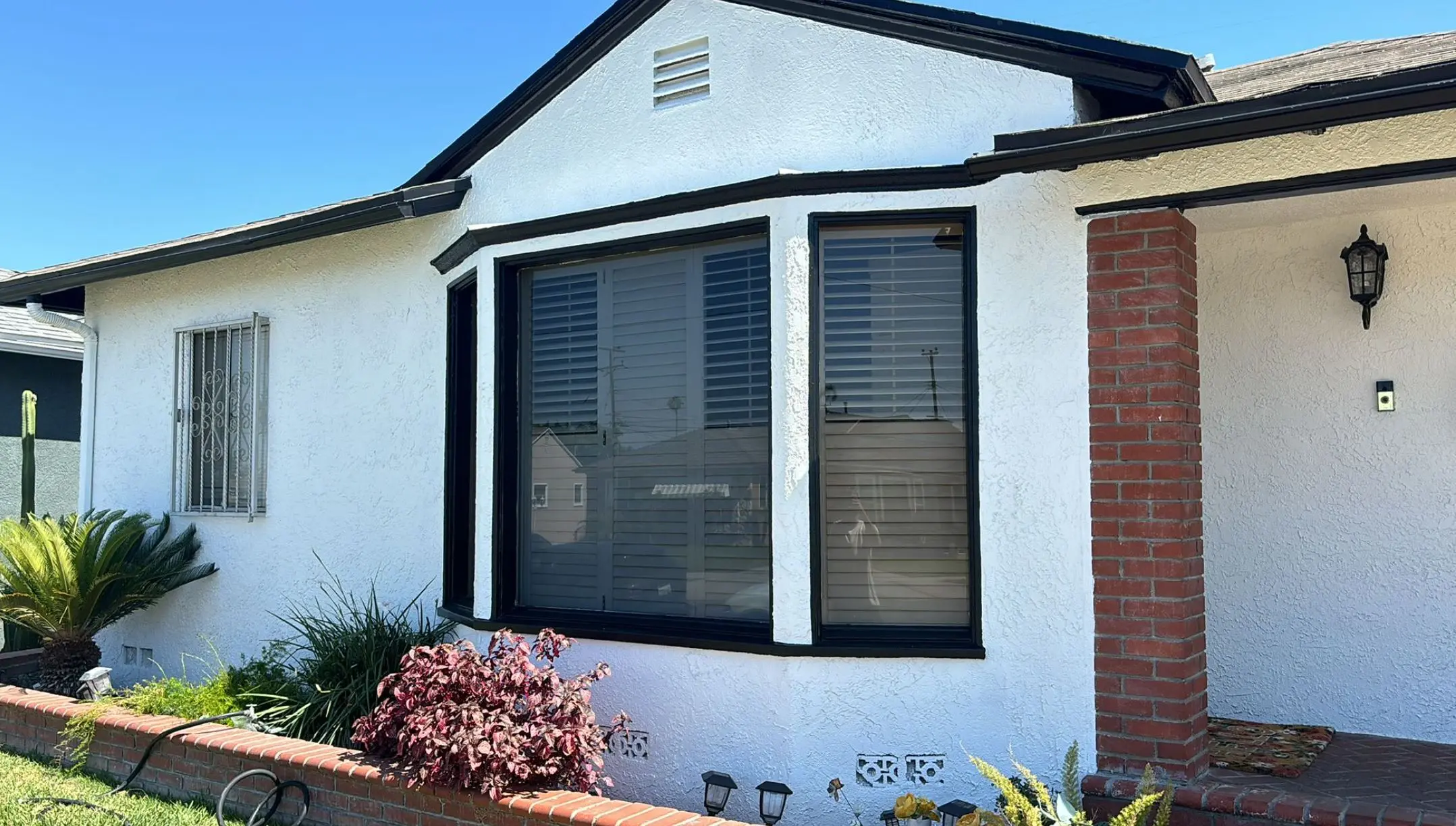
Stucco Repair Types We Perform
Crack Repair and Sealing
Crack repair addresses individual cracks in the stucco finish coat without removing the underlying brown coat or scratch coat. Hairline cracks under 1/16 inch that are stable and not associated with active movement are sealed with elastomeric caulk or stucco patching compound, feathered into the surrounding surface, and finished to match the existing texture as closely as possible. Wider cracks are chased to a consistent profile with a grinder or oscillating tool, cleaned of loose material, and repaired with a backer rod and flexible sealant for cracks associated with movement or with a stucco patching compound for cracks in stable areas. All crack repairs are finished to blend with the surrounding texture before painting or coating is applied. |
Stucco Section Replacement
Stucco section replacement removes damaged stucco from a defined area down to the lath, assesses the condition of the weather-resistant barrier and lath, replaces deteriorated barrier and lath where water damage has compromised them, and applies a complete three-coat stucco system over the prepared substrate. Section replacement is appropriate where the crack is accompanied by delamination from the substrate, where tapping confirms hollow voids behind the stucco face, where efflorescence indicates sustained water infiltration, or where the damage area is too large for a surface patch to address adequately. The new stucco is applied in scratch coat, brown coat, and finish coat sequence, matching the existing texture and thickness, and the transition to the existing surrounding stucco is feathered to minimize the visible boundary between old and new material.
Full Elevation Restucco
When an entire elevation has extensive cracking, delamination, or water damage that cannot be addressed economically through patching individual sections, removing all existing stucco from the elevation and applying a complete new three-coat system is the correct scope. Full elevation restucco produces a consistent, uniform surface that cannot be achieved by patching a heavily damaged elevation, allows inspection and replacement of the weather-resistant barrier across the full wall, and eliminates all existing cracks and deficiencies in a single operation rather than addressing each individually. For homes where the stucco on multiple elevations is failing simultaneously, full exterior restucco provides the most cost-effective per-square-foot repair and the most consistent finished appearance.
Window and Door Surround Repair
The corners of window and door openings are the most common crack initiation points in Southern California stucco because they concentrate the stress from thermal movement and seismic activity at the corners of the opening. These cracks are typically diagonal, running from the window or door corner outward at 45 degrees, and they tend to reopen seasonally if repaired with a rigid patch material rather than a flexible assembly that accommodates the movement. We address window and door surround cracks with flexible backer rod and elastomeric sealant at the crack itself, and we assess whether the flashing and weather-resistant barrier at the window perimeter is intact and correctly lapped to prevent water infiltration at the opening edge, which is the more consequential moisture risk at these locations.
Stucco Base and Foundation Transition Repair
Stucco damage at the base of exterior walls near the foundation perimeter is common in Southern California homes where grade has shifted toward the house, where irrigation or drainage deposits water at the wall base, or where the original weep screed was installed incorrectly and does not allow moisture that enters the wall assembly to drain out. Stucco repair at the base of the wall requires addressing the drainage and grade conditions that concentrate moisture at that location before restucco work is performed, otherwise the new stucco will be exposed to the same moisture conditions that deteriorated the original. We assess the drainage and grade context at the wall base during the estimate visit and include drainage correction scope where it is required to protect the repair.
Elastomeric Coating Over Repaired Stucco
After crack repair and patching is complete and the repair material has cured, an elastomeric waterproof coating applied over the full elevation provides a continuous water-resistant surface that bridges minor future crack development and reduces the rate at which new hairline cracks allow water infiltration. Elastomeric coatings are thicker and more flexible than standard exterior paint and are appropriate for Southern California stucco exteriors that have a history of minor cracking. They are not a substitute for proper crack repair on significant cracks, but they are an appropriate finish coat over a properly repaired stucco surface. We discuss elastomeric coating as an option at every stucco repair estimate visit where the crack history and wall exposure suggest it would add meaningful protection.
Stucco Crack Types and Repair Methods
| Crack Type | Typical Cause | Appropriate Repair | Recurrence Risk Without Cause Correction |
|---|---|---|---|
| Hairline cracks, stable | Shrinkage during original cure, minor thermal movement | Elastomeric sealant or patching compound, texture match | Low if original cause was shrinkage only |
| Diagonal cracks at window and door corners | Stress concentration from thermal and seismic movement at opening corners | Flexible backer rod and elastomeric sealant, assess flashing | High if rigid patch used, seasonal reopening common |
| Map cracking across broad wall area | Shrinkage from fast-drying original application, inadequate control joints | Section replacement or full elevation restucco depending on extent | Moderate, may stabilize after initial shrinkage is complete |
| Horizontal cracks at floor lines or transitions | Differential movement between framing levels, missing control joints | Chase crack, flexible sealant, consider control joint installation | High without flexible joint, movement continues seasonally |
| Delaminated or hollow sections | Bond failure between coats, water infiltration behind stucco | Section removal and three-coat replacement, assess lath and WRB | N/A, delaminated stucco must be removed |
| Damage at wall base, efflorescence | Water accumulation at foundation, failed weep screed, grade toward house | Section replacement after drainage correction | High without drainage correction, moisture source continues |
According to the California Department of Industrial Relations, contractors performing stucco application and repair on residential structures in California must hold a valid C-35 Lathing and Plastering contractor license or work under a general contractor license that covers the scope. Every stucco repair we perform is completed under our general contractor license, which covers the full exterior repair scope including lath, weather-resistant barrier, and stucco application without requiring a separate specialty contractor. For homeowners whose stucco damage is accompanied by water infiltration that is also affecting the foundation perimeter, our exterior remodeling services cover the full range of exterior repair and improvement work that may be needed alongside the stucco scope.
Our Stucco Repair Process
Step 1: Free On-Site Assessment
A licensed Wise Choice estimator visits your property, walks each elevation, maps crack locations and types, taps the stucco surface to identify hollow or delaminated areas, assesses moisture indicators including efflorescence and staining, reviews the grade and drainage conditions at the wall base, and confirms any HOA or permit requirements. The visit takes 30 to 60 minutes for most homes. You receive a written assessment and repair estimate before the end of the next business day with no obligation to proceed.
Step 2: HOA Approval Where Required
For properties in HOA-governed communities, we provide the documentation needed for the exterior repair approval submission and factor the HOA review timeline into the project schedule. We do not begin any repair work until written HOA approval is confirmed where approval is required.
Step 3: Surface Preparation
Repair areas are prepared by removing loose, delaminated, or deteriorated stucco to the point of sound material. Cracks are chased to a consistent profile where the repair method requires it. Exposed lath and weather-resistant barrier are inspected and replaced where moisture damage has compromised them. The repair perimeter is undercut or keyed to provide mechanical bond for the new stucco material.
Step 4: Repair Application
Stucco repair material is applied in the coats required by the repair depth. Section replacements receive a complete scratch coat, brown coat, and finish coat application in the correct sequence with adequate cure time between coats. Crack repairs and surface patches are applied, feathered into the surrounding surface, and finished to match the existing texture as closely as possible. Flexible sealant assemblies are installed at movement cracks with the appropriate backer rod and sealant product for the crack width and movement expected.
Step 5: Cleanup and Closeout
All removed stucco, packaging, and construction debris are cleaned from the property. At project closeout you receive the 2-year workmanship warranty in writing and documentation of the repair scope and materials used. For HOA-governed properties, we provide the post-completion documentation the HOA requires to confirm the work was performed as approved.
If your home has stucco cracks, water staining, or damaged areas that have been deferred and you want an honest assessment of what the repair would involve, request a free estimate online or call (818) 483-8055 to schedule your on-site assessment.
Permits and California Requirements for Stucco Repair
Minor stucco crack repair and patching is permit-exempt in most California jurisdictions. Stucco work that involves removing existing stucco down to the lath and weather-resistant barrier and applying a new complete stucco system may require a permit in some jurisdictions, particularly when the work is combined with window replacement or structural repair. We confirm the permit requirement for the specific scope at the estimate visit.
California requires that stucco systems on residential construction include a compliant weather-resistant barrier and that stucco be applied in the correct coat sequence with minimum thickness requirements per the California Building Code. When we perform section replacement or full elevation restucco, the new installation meets current California Building Code stucco assembly requirements including weather-resistant barrier, self-furring lath or equivalent, and three-coat stucco with the required minimum thicknesses per coat.
For HOA-governed properties, exterior repairs including stucco work typically require HOA review and approval before work begins. HOAs in Southern California frequently govern exterior paint colors, texture types, and finish appearance standards for stucco repairs, and some require that repairs match the existing texture and color within a defined tolerance. We identify and address HOA requirements for every exterior repair project as standard scope.
Why Southern California Homeowners Choose Wise Choice for Stucco Repair
15+ Years of Combined Experience Repairing Stucco
We have repaired stucco on Southern California homes from minor crack sealing on well-maintained exteriors to full elevation restucco on homes with decades of deferred maintenance and water infiltration behind the surface. The assessment of what is behind the crack, not just what is visible at the surface, is what our estimators perform on every job before any repair is scoped or priced.
Licensed and Insured General Contractor
Every stucco repair we perform is completed under our general contractor license by crew members fully covered by our insurance. You carry no liability exposure for work our team performs on your home’s exterior.
Cause Assessment Before Repair Proposal
We identify the crack type, the probable cause, and the conditions contributing to the damage before proposing a repair scope. A crack repaired without addressing the movement or moisture condition that caused it will typically reopen. We do not propose crack repairs that we know will not hold because the underlying condition has not been addressed.
Drainage Conditions Assessed at the Wall Base
We assess the grade and drainage conditions at the base of every exterior wall we repair. Stucco damage at the wall base driven by water accumulation from poor drainage will recur after repair if the drainage is not also corrected. We identify that condition at the estimate visit and recommend the drainage correction scope where it is the cause of the damage being repaired.
2-Year Workmanship Warranty
Our 2-year workmanship warranty covers all stucco removal, substrate repair, lath work, stucco application, and sealant work our crew performs. If any workmanship-related failure develops within two years under normal weather conditions, we return and correct it at no charge. The warranty is in writing and delivered at project closeout.
Financing Available
Financing is available for qualified homeowners including $0 down options. Ask about current programs when you schedule your estimate.
Wise Choice Remodeling brings 15+ years of combined experience to repairing stucco on Southern California homes. If your home has cracks, delamination, or water staining on the exterior that you have been watching get worse each wet season, call (818) 483-8055 to schedule a free on-site assessment and get a written estimate that tells you what the repair would actually involve.