Roof replacement in Los Angeles typically runs $15,000 to $60,000 for a single-family home, with the final number set by your roof’s square footage, the material you choose, and the complexity of the existing roof. That range covers a permitted, fully torn-off replacement installed by a licensed contractor and backed by a workmanship warranty, which is a different product from the cheapest number you will find quoted online. This guide breaks down every cost factor so you know what to expect before a contractor ever sets foot on your property.
Average Roof Replacement Cost by Material
The single biggest variable is roofing material, because it sets both the price and how long the roof lasts. Here is how the common options compare:
| Roofing Material | Lifespan | Best Suited To |
|---|---|---|
| 3-Tab Asphalt Shingles | 15 to 20 years | Budget-driven replacement on simple roof shapes |
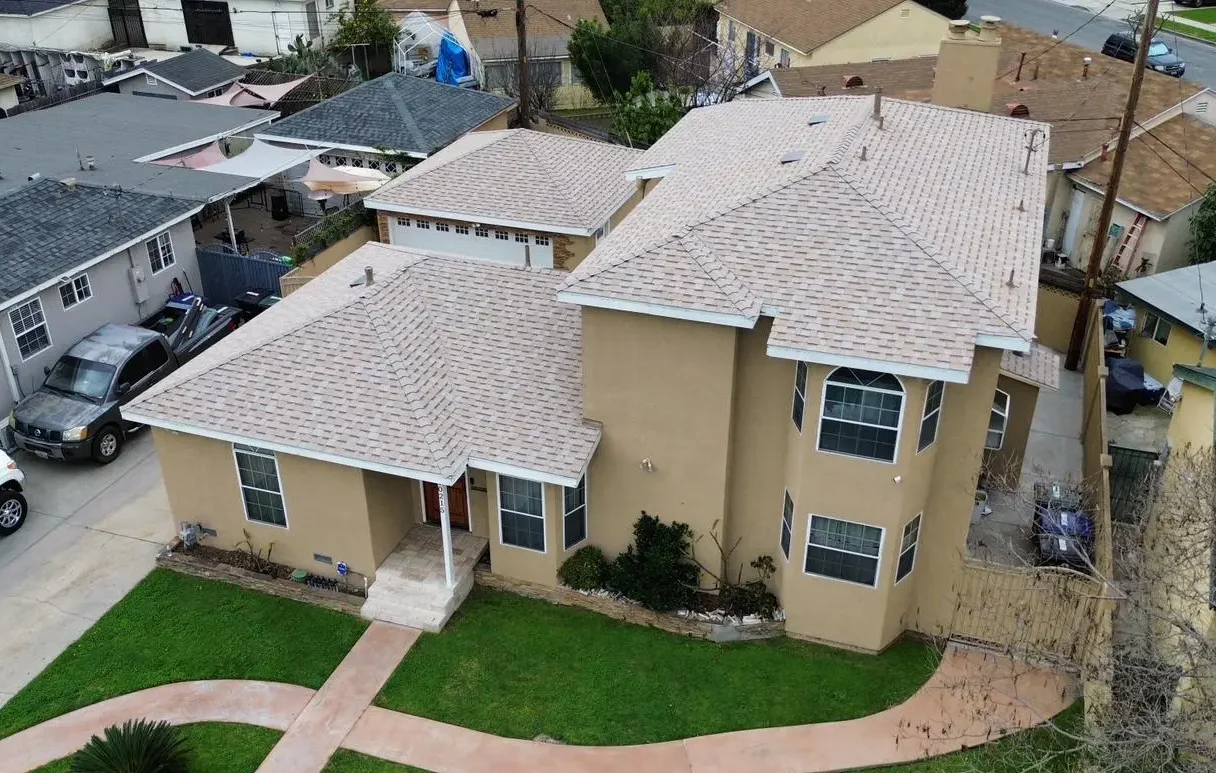
| Architectural Shingles | 25 to 30 years | The default choice on most LA residential roofs |
| Cool Roof / Reflective Shingles | 25 to 30 years | Title 24 compliance and attic heat reduction |
| Concrete Tile | 40 to 50 years | Spanish and Mediterranean homes |
| Clay Tile | 50+ years | Historic and architecturally matched roofs |
| Metal Roofing (Standing Seam) | 40 to 70 years | Longest service life, modern and low-slope designs |
| Flat / TPO / Modified Bitumen | 15 to 25 years | Flat and low-slope sections |
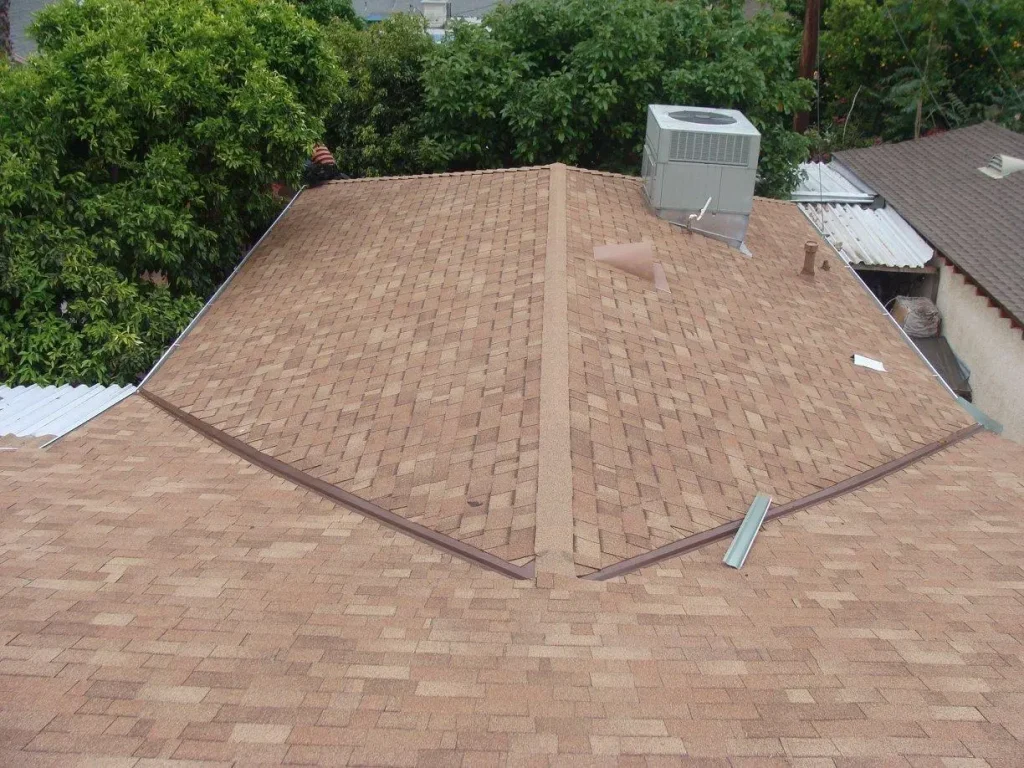
Architectural shingles are the most common choice in LA residential neighborhoods. They cost more than basic 3-tab shingles but last significantly longer and hold up better against heat cycles. Concrete tile is standard on Spanish-style and Mediterranean homes throughout the San Fernando Valley and Westside.
What Drives the Total Cost Up or Down
Material is a big part of the number, but it is not the whole story. These factors shift the final price in either direction:
Roof size. Contractors price roofing by the square. A 1,500-square-foot roof is roughly 15 squares. A 2,400-square-foot roof is 24 squares. Larger homes cost more, but the cost per square often drops slightly at higher volumes.
Roof pitch and complexity. Steep roofs cost more to work on. They require additional safety equipment and take longer to install. A simple gable roof on a ranch-style home costs less per square than a multi-gable roof with valleys, dormers, and skylights.
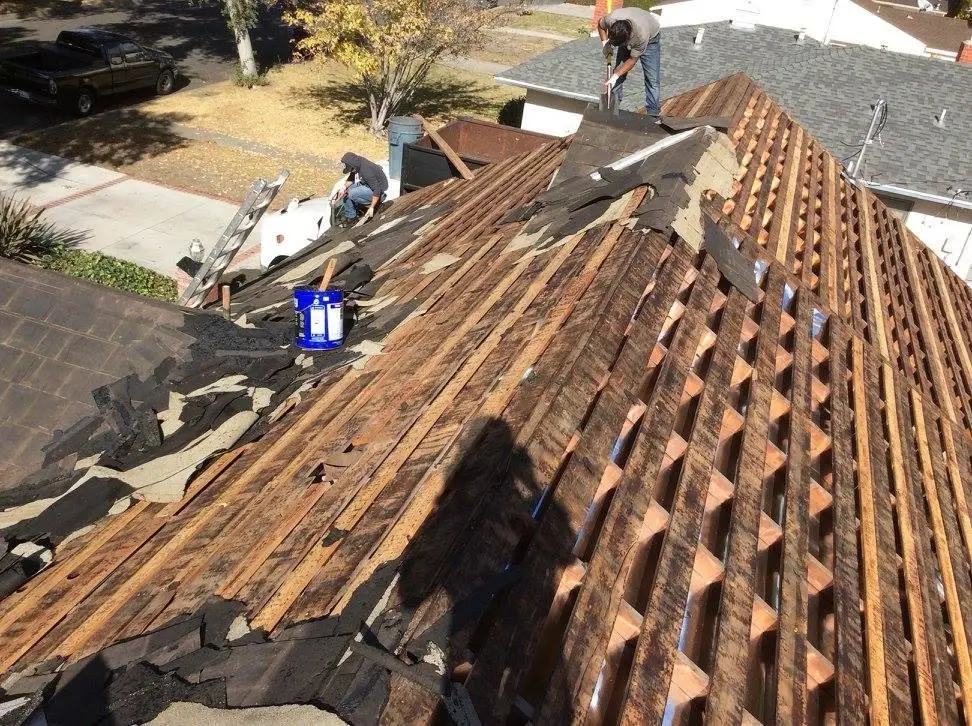
Tear-off versus overlay. California building code generally allows one overlay on a residential roof. If your home already has two layers of shingles, a full tear-off is required before new material goes down. Tear-off adds both labor and disposal cost to the project, scaling with roof size.
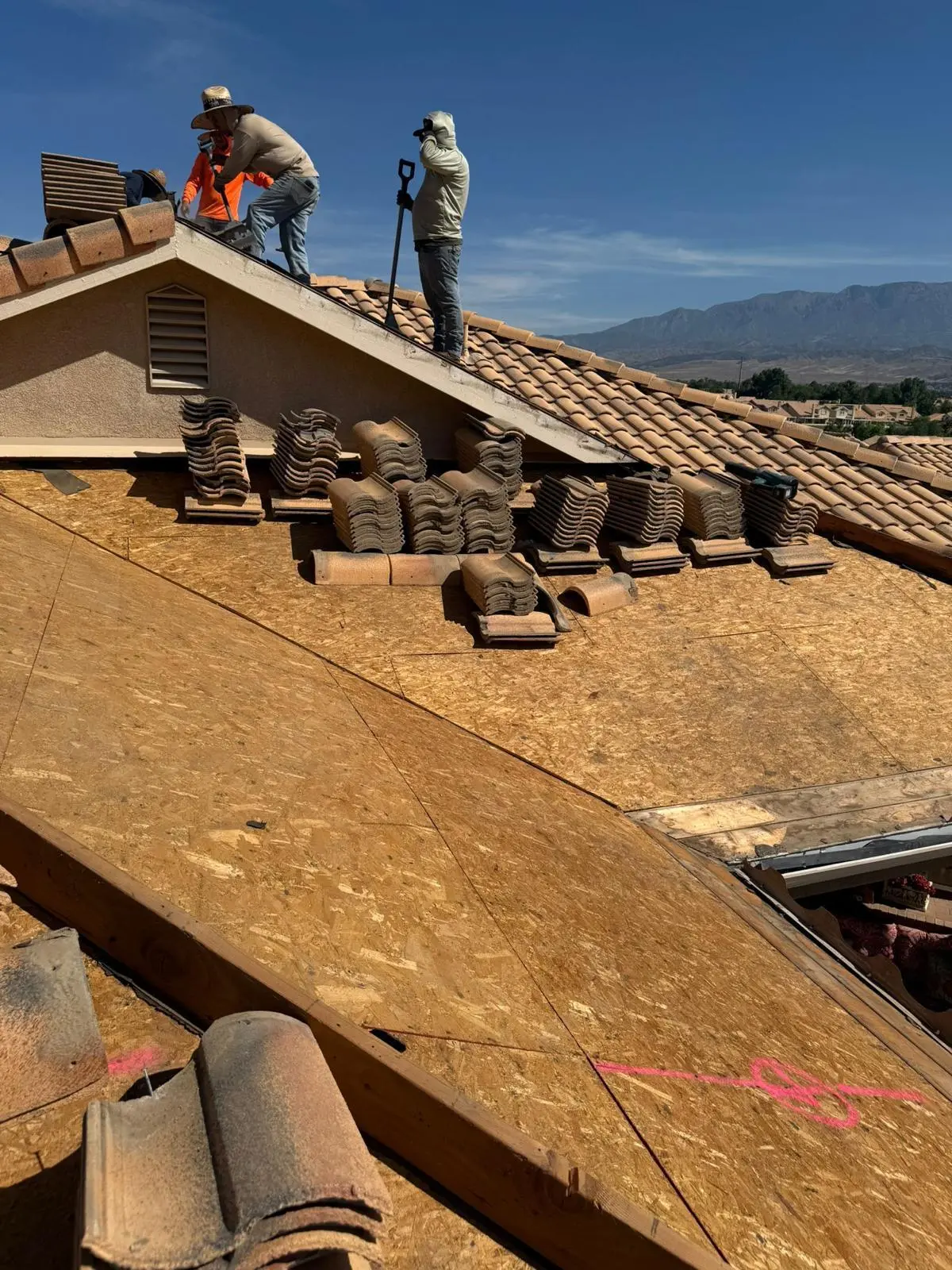
Decking condition. Once the old roofing material comes off, the contractor inspects the sheathing underneath. Rotted or damaged decking needs to be replaced before new roofing goes down. This is difficult to quote in advance, which is why a written estimate should say plainly how decking repairs are priced if they turn out to be needed.
Flashing and accessories. Replacing pipe boots, valley flashing, drip edge, and ridge caps adds to the material cost. These should be replaced during a full roof replacement, not reused.
Access and logistics. A steep driveway, a second-story roof with a limited staging area, or difficult debris removal can add to labor costs.
What Moves Your Project Within That Range
Roof size is the starting point. Contractors price by the square, which is 100 square feet, so a larger roof means more material and more labor. But two homes of identical size can quote very differently, and these are the reasons why:
Material. The table above runs from asphalt shingle at the accessible end to clay tile and standing seam metal at the top. This is the single largest swing in the number.
What is under the old roof. Decking condition is unknown until the tear-off happens. Sound plywood adds nothing. Rot means structural repair before any new roofing goes down.
Layers. California allows one overlay. If your home already carries two layers of shingles, a full tear-off is required, which adds both labor and disposal.
Pitch, access, and complexity. Steep roofs need additional safety equipment and take longer. Multiple valleys, dormers, skylights, and chimneys each add flashing detail and labor.
Permits and California Requirements
In Los Angeles, a roofing permit is required for full roof replacements. The permit is pulled through the Los Angeles Department of Building and Safety (LADBS). Permit fees vary by project valuation, but most residential roof replacements run $200 to $500 in permit fees.
Your contractor is responsible for pulling the permit. If a contractor tells you permits are not required for a roof replacement, treat that as a serious warning sign. Unpermitted roof work creates problems when you sell the home and may void the manufacturer’s warranty on the roofing material.
California also has Title 24 energy code requirements that affect roofing. Homes in certain climate zones, including much of the greater Los Angeles basin, require cool roof products that meet minimum solar reflectance and thermal emittance ratings when doing a full replacement. This does not necessarily mean higher cost, as many compliant shingles are priced comparably to standard products, but it does affect which products qualify.
The California Energy Commission outlines cool roof requirements at the local climate zone level. Your contractor should be familiar with which products qualify for your specific address.
The Hidden Cost Most Homeowners Miss
According to the National Association of Home Builders, deferred roof maintenance is one of the most common causes of accelerated structural damage in residential homes. That matters for cost planning because a homeowner who replaces a roof at the first sign of failure pays for a roof. A homeowner who waits until water is penetrating the attic pays for a roof plus drywall, insulation, and sometimes framing.
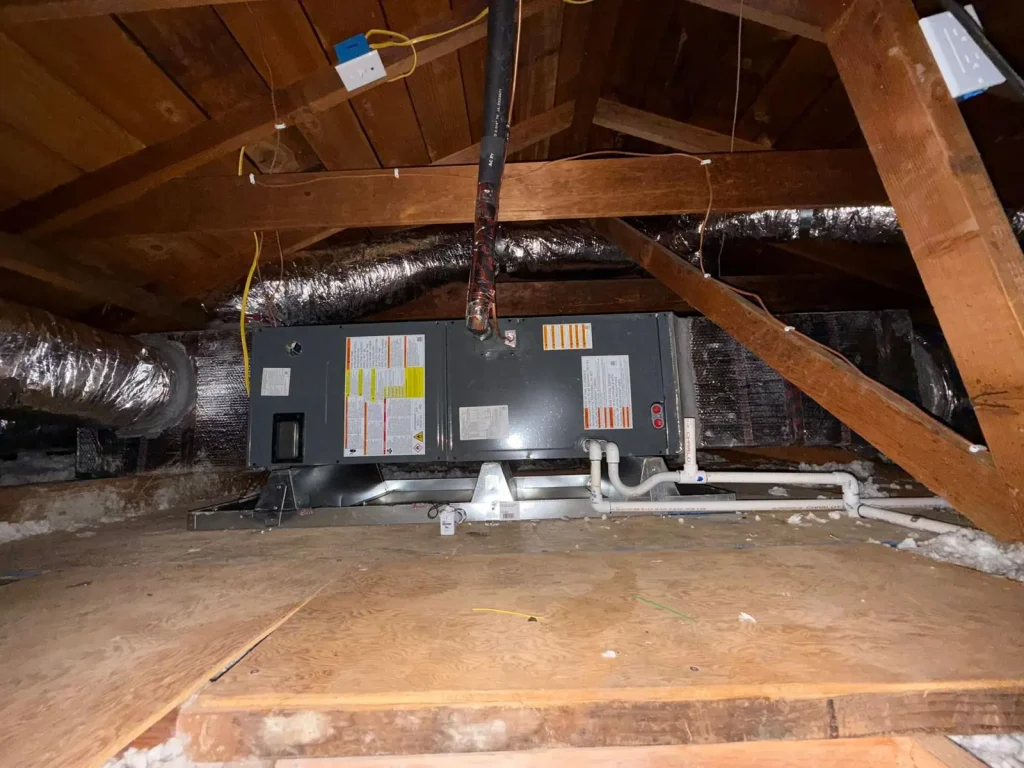
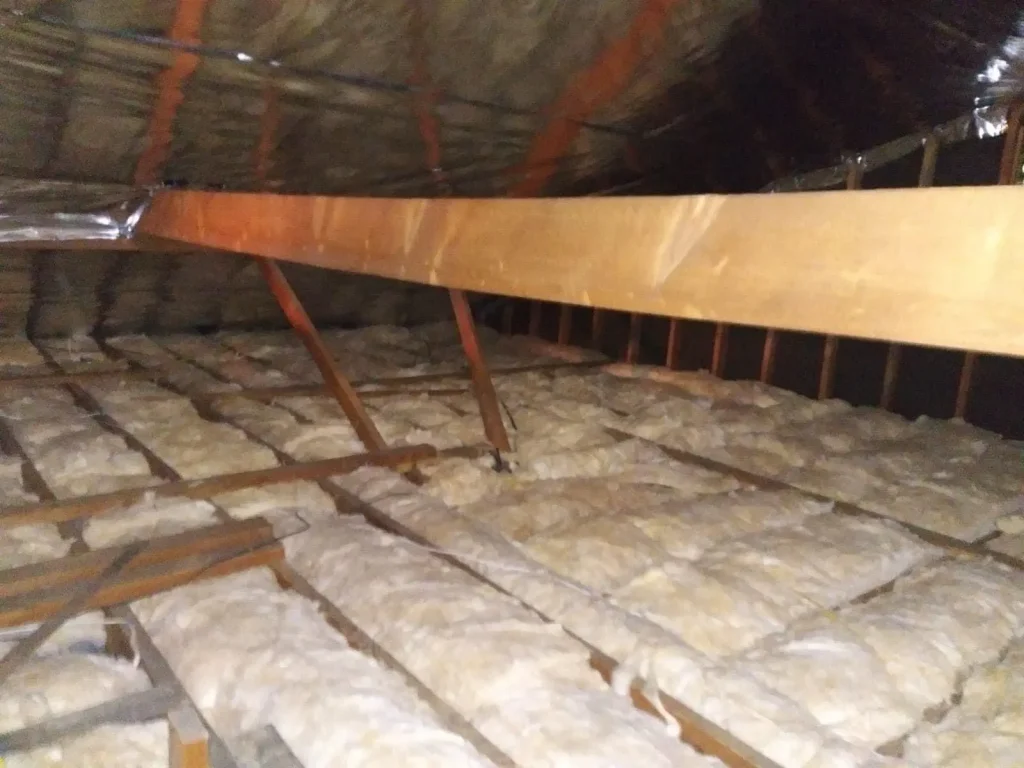
Attic inspection and ventilation assessment should happen during any roof replacement estimate. Inadequate attic ventilation is common in older LA homes and significantly shortens shingle life by trapping heat. Addressing it during the replacement adds relatively little cost and extends the life of the new roof.
Getting an Accurate Estimate
A legitimate roofing estimate requires a physical inspection, not a number derived from square footage alone. During the inspection, the contractor should be on the roof, not just looking from the ground. They should assess the decking condition, existing flashing, current ventilation, and the number of existing layers. For detailed guidance on what the full replacement process involves, the roof replacement services page outlines what to expect from the initial inspection through final cleanup.
Get at least three written estimates. Compare them line by line, not just by total. An estimate that is significantly lower than others may be excluding tear-off, using a lower-grade material, or skipping permit fees. Know what each quote includes before choosing.
Financing a Roof Replacement
Most homeowners do not budget for a roof replacement until the roof fails. A roof replacement is a significant project. Financing options worth exploring include home equity lines of credit, personal home improvement loans, and contractor financing programs. Some roofing contractors offer payment plans, including zero-down options, that spread the cost over time without requiring home equity access.
If your roof was damaged by a storm, hail, or a falling tree, contact your homeowner’s insurance carrier before starting any work. Insurance may cover part or all of the replacement, depending on your policy and the cause of damage.
Frequently Asked Questions
How long does a roof replacement take in Los Angeles?
Most standard residential roof replacements take one to three days. A single-story home with a simple roof pitch and architectural shingles can often be completed in a single day. Larger homes, tile roofs, or projects requiring significant decking repairs take longer. Weather delays are uncommon in Los Angeles but do occur during the rainy season from November through March.
Is it better to repair or replace a roof?
If less than 30 percent of the roof surface is damaged and the underlying decking is sound, targeted repairs can extend roof life by several years at much lower cost. If the roof is more than 20 years old, has widespread granule loss on asphalt shingles, shows multiple leak points, or has significant decking damage, replacement is usually the more cost-effective long-term decision. Patching an aging roof delays the inevitable and often costs nearly as much as partial replacement without delivering full protection.
Do I need a permit for roof replacement in Los Angeles?
Yes. A permit from the Los Angeles Department of Building and Safety is required for full roof replacements in the city of Los Angeles. Surrounding cities, including Burbank, Glendale, and Pasadena, have their own building departments, but also require permits for roof replacements. Your contractor should pull the permit as part of the project. Never let a contractor skip this step.
What is the best roofing material for the Los Angeles climate?
Los Angeles has a dry, hot climate with intense UV exposure and minimal precipitation. Architectural asphalt shingles rated for high-temperature performance and concrete or clay tile are well-suited to this environment. Metal roofing also performs well in heat and is highly durable. The key is selecting a cool roof-rated material that meets California Title 24 requirements, which helps reduce attic heat gain and extends shingle lifespan in a climate where attic temperatures regularly exceed 150 degrees Fahrenheit.
How much does a permit cost for roof replacement in Los Angeles?
Permit fees through the Los Angeles Department of Building and Safety are calculated based on the project’s assessed valuation. For most residential roof replacements, permit fees fall between $200 and $500. Your contractor will include the permit cost in the project estimate. Some contractors list it as a separate line item; others bundle it into the overall price. Either way, confirm in writing that the permit is included.
Can I stay in my house during a roof replacement?
Yes. Roof replacement does not typically require you to vacate your home. Expect noise during working hours, and you may want to move vehicles out of the driveway to allow staging and debris removal. If the project involves significant structural work or if interior protection is needed due to decking removal, your contractor will let you know in advance. Most homeowners find the disruption manageable for the one to three days the work takes.
Get a Straight Answer on Your Roof
Wise Choice Remodeling has replaced roofs on homes throughout Los Angeles, Burbank, Glendale, Pasadena, Van Nuys, North Hollywood, Encino, Studio City, Sherman Oaks, and Woodland Hills. CSLB License #1104186. If you want a real estimate based on an actual inspection of your home, not a ballpark number from satellite imagery, call and schedule a free consultation. The conversation costs nothing. Knowing what your roof actually needs is worth a lot.
Call (818) 483-8055 to schedule your free roof consultation
Wise Choice Remodeling | 6100 Wilshire Blvd, Suite 560, Los Angeles, CA 90048 | (818) 483-8055
Serving Los Angeles, Burbank, Glendale, Pasadena, Van Nuys, North Hollywood, Encino, Studio City, Sherman Oaks, and Woodland Hills.